Best GPS Trackers for Dogs 2026: Top 4 Picks Reviewed
Looking for the best GPS tracker for your dog? We reviewed the top 4 models for every budget — from $28 to $105. Find your perfect tracker in 2026.
The Oriental Long Hair — sometimes called the Mandarin or Foreign Longhair — is the semi-longhaired sibling of the Oriental Shorthair, sharing the same Siamese body type and enormous personality. Weighing 5–10 pounds, this svelte, tubular cat features large, flared ears, almond-shaped eyes, and a fine, silky coat that lies close to the body with a feathered tail plume. With over 300 recognized color and pattern combinations, the Oriental Long Hair is one of the most diverse breeds visually.
Oriental Long Hairs are intensely people-oriented cats that form deep, almost obsessive bonds with their owners. They are famously vocal — carrying on elaborate conversations in a raspy, demanding voice. Playful and athletic well into old age, they thrive in multi-cat households and do well with children who can match their energy.
Captivated by this elegant, chatty companion? Explore Oriental Long Hair cats available for adoption on Puplister and find your purrfect conversationalist.
Answer 5 quick questions to see how well this breed matches your lifestyle.
Check back soon or browse all cats.
2 pets available
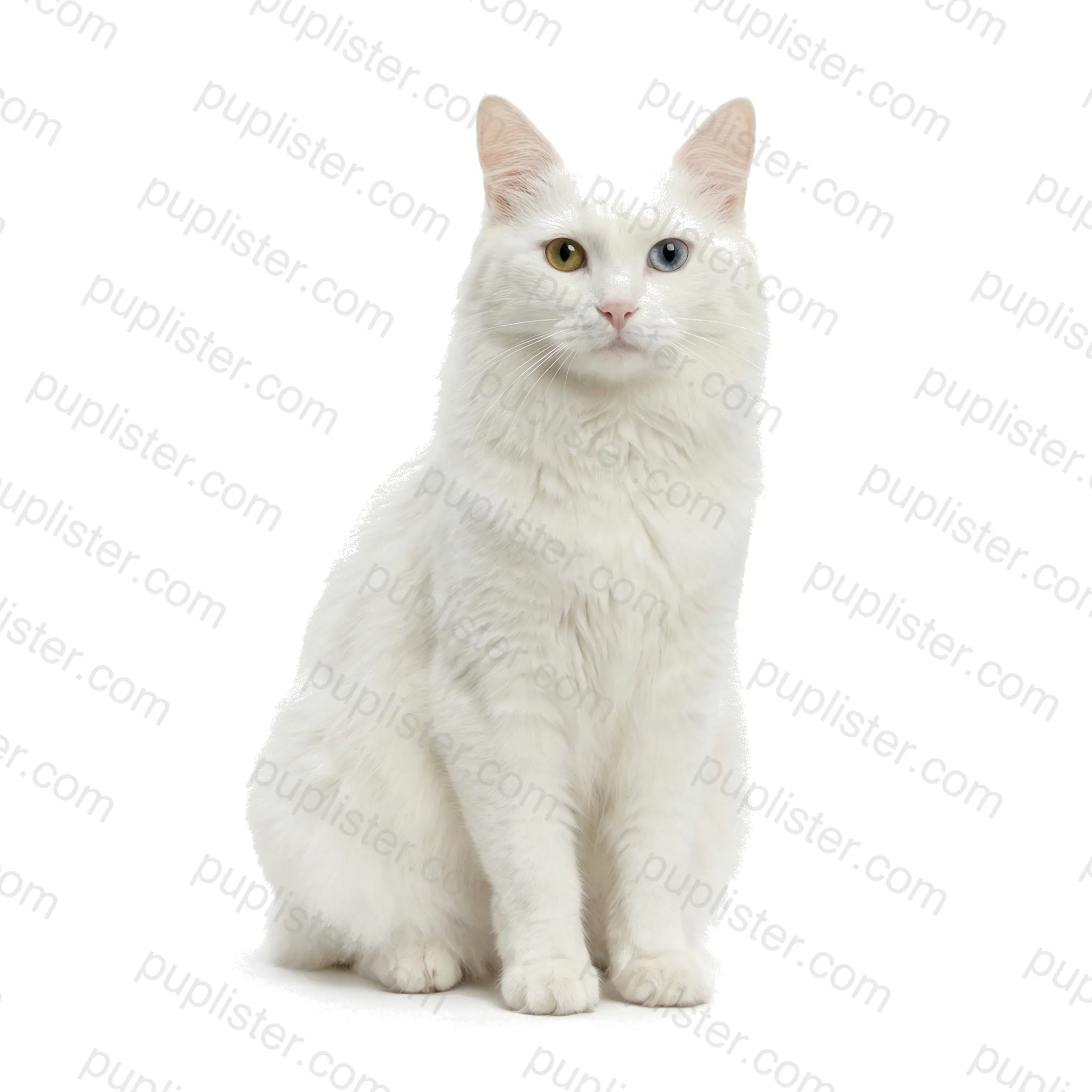
5About the Turkish Angora The Turkish Angora is an ancient, naturally occurring breed from central Turkey — specifically the Ankara region — and is one of the oldest known longhaired cat breeds. This small-to-medium cat weighs 5–10 pounds and possesses a graceful, balletic build with a long, plumed tail, silky single-layer coat (no undercoat), and large, walnut-shaped eyes. While white is the most iconic color — often with striking odd eyes (one blue, one amber) — Turkish Angoras come in nearly every color and pattern except pointed.Temperament & PersonalityTurkish Angoras are spirited, intelligent cats that love to be at the center of the action. They are natural athletes — leaping to the highest shelf, opening doors, and inventing games to entertain themselves. Affectionate and strong-willed, they will happily greet guests and supervise every household activity, often choosing one family member as their primary favorite.ProsElegant, silky coat has no undercoat — sheds less and rarely matsHighly intelligent and entertaining — always inventing new games and tricksSocial and welcoming with guests and family alikeNaturally healthy breed with excellent longevity — many live 15–20 yearsConsWhite cats with blue eyes have a high incidence of congenital deafnessStrong-willed and mischievous — can be stubborn about rulesDemands attention and may become disruptive if ignoredProne to ataxia (a hereditary neurological condition) in some linesEntranced by this ancient Turkish treasure? Find Turkish Angora cats looking for loving homes on Puplister and add a touch of grace to your life.
3 pets available
11About the Ragamuffin The Ragamuffin emerged in the 1990s as a separate breed from the Ragdoll, developed by breeders who wanted to expand the gene pool and introduce a wider array of colors and patterns. This is a large, heavy cat — weighing 10–20 pounds — with a broad chest, substantial bone structure, and a plush, rabbit-soft coat that resists matting. Ragamuffins come in every color and pattern, including mink, sepia, solid, and bicolor variations not found in Ragdolls.Temperament & PersonalityRagamuffins are exceptionally docile, trusting cats often described as "puppy-like" in their devotion. They greet visitors at the door, follow family members from room to room, and love being held — often going completely limp when picked up. Their patience and gentle nature make them outstanding companions for children and multi-pet households.ProsIncredibly gentle and patient — one of the best breeds for families with young childrenPlush coat resists matting and requires only moderate groomingAvailable in virtually every color and pattern imaginableAdaptable and easygoing — adjusts well to new environments and routinesConsLarge appetite and tendency toward obesity require careful portion controlTrusting nature means they have zero street smarts — strictly indoor onlyProne to hypertrophic cardiomyopathy and polycystic kidney diseaseSlow to mature — does not reach full size and coat until about four years oldReady for a big, cuddly companion who adores everyone? Explore Ragamuffin cats looking for loving homes on Puplister.
3 pets available
11About the Scottish Fold The Scottish Fold traces its origins to a single barn cat named Susie, found in Perthshire, Scotland, in 1961 — the first documented cat with the breed's signature forward-folding ears caused by a natural cartilage mutation. This medium-sized cat weighs 6–13 pounds, has a round head, large round eyes, and a stocky, well-padded body. Scottish Folds come in both longhair and shorthair varieties, in virtually every color and pattern including tabby, solid, bicolor, and calico.Temperament & PersonalityScottish Folds are sweet, easygoing cats known for their quirky habit of sitting in odd positions — including the "Buddha sit" with legs stretched out and paws resting on their belly. They are moderately active and enjoy interactive play without being hyperactive. Gentle with children and amiable with other pets, they adapt well to most living situations.ProsDistinctive, owl-like appearance with those signature folded earsCalm and adaptable — thrives in apartments, houses, and busy households alikeGood-natured and gentle with children and other animalsModerate energy level — playful but not demandingConsThe fold gene causes osteochondrodysplasia — painful cartilage and bone abnormalities in many catsMust never be bred fold-to-fold due to severe skeletal issues in offspringProne to arthritis, especially in the tail, ankles, and kneesEar fold makes them more susceptible to ear infections and wax buildupDrawn to those adorable folded ears and laid-back personality? Find Scottish Fold cats waiting for adoption on Puplister.
1 pet available
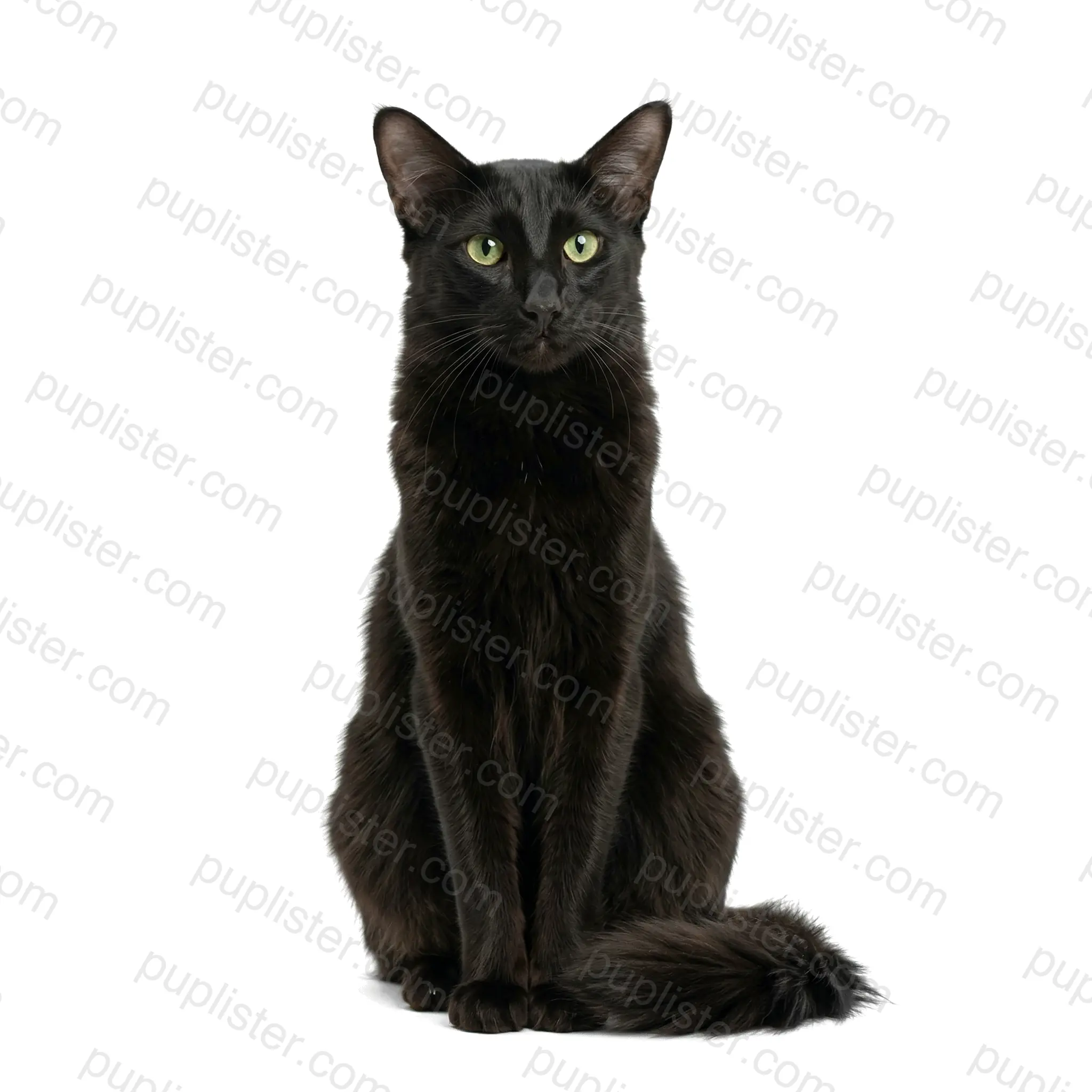
12About the Oriental Short Hair The Oriental Shorthair emerged in the 1950s and 1960s when British breeders crossed Siamese cats with Russian Blues, British Shorthairs, and Abyssinians to create a Siamese-type cat in a rainbow of non-pointed colors. Sleek and angular at 6–12 pounds, this breed has a wedge-shaped head, strikingly large ears, vivid green eyes (or blue in white coats), and a short, fine, glossy coat in over 300 color-and-pattern combinations — more than any other cat breed.Temperament & PersonalityOriental Shorthairs are among the most extroverted and opinionated cats in existence — they will tell you exactly what they think in a loud, distinctive voice. Fiercely loyal, they bond tightly to their humans and follow them everywhere, including into the shower. They are athletic, curious, and endlessly entertaining, making them ideal for active households with children and other social pets.ProsIncredible coat variety — virtually every color and pattern availableMinimal grooming needs thanks to the short, close-lying coatHighly intelligent and trainable — enjoys puzzle feeders and learning tricksDeeply loyal and affectionate with family membersConsOne of the most vocal cat breeds — constant meowing can be overwhelmingSevere separation anxiety when left alone — does best with a companion catProne to dental issues, heart disease, and amyloidosisDemands constant attention and can become destructive if under-stimulatedThink you can keep up with this talkative, spirited feline? Search for Oriental Shorthair cats on Puplister and meet your new best friend.
Looking for the best GPS tracker for your dog? We reviewed the top 4 models for every budget — from $28 to $105. Find your perfect tracker in 2026.
Adopting a cat when you live alone is entirely possible and rewarding. Learn how to choose the right cat, prepare your home, and navigate the adoption.
Is your dog drinking so much water suddenly? Learn common causes, from harmless to serious, and when to seek veterinary help for polydipsia.
Dog reverse sneezing can be scary, but it's usually a harmless reflex. Learn what causes it, how to help your dog, and when to seek vet care.