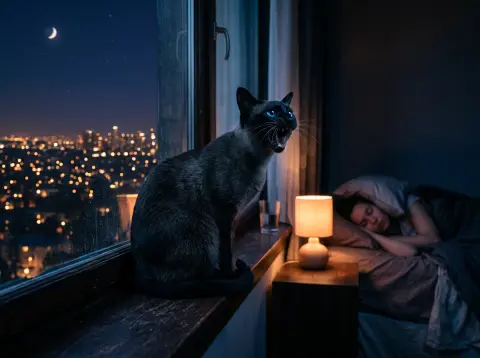
Adopted Cat Meowing All Night: How to Stop It
Adopted cat meowing all night? Discover why it happens, how to create a calm environment, and a realistic timeline to quiet nighttime meows.
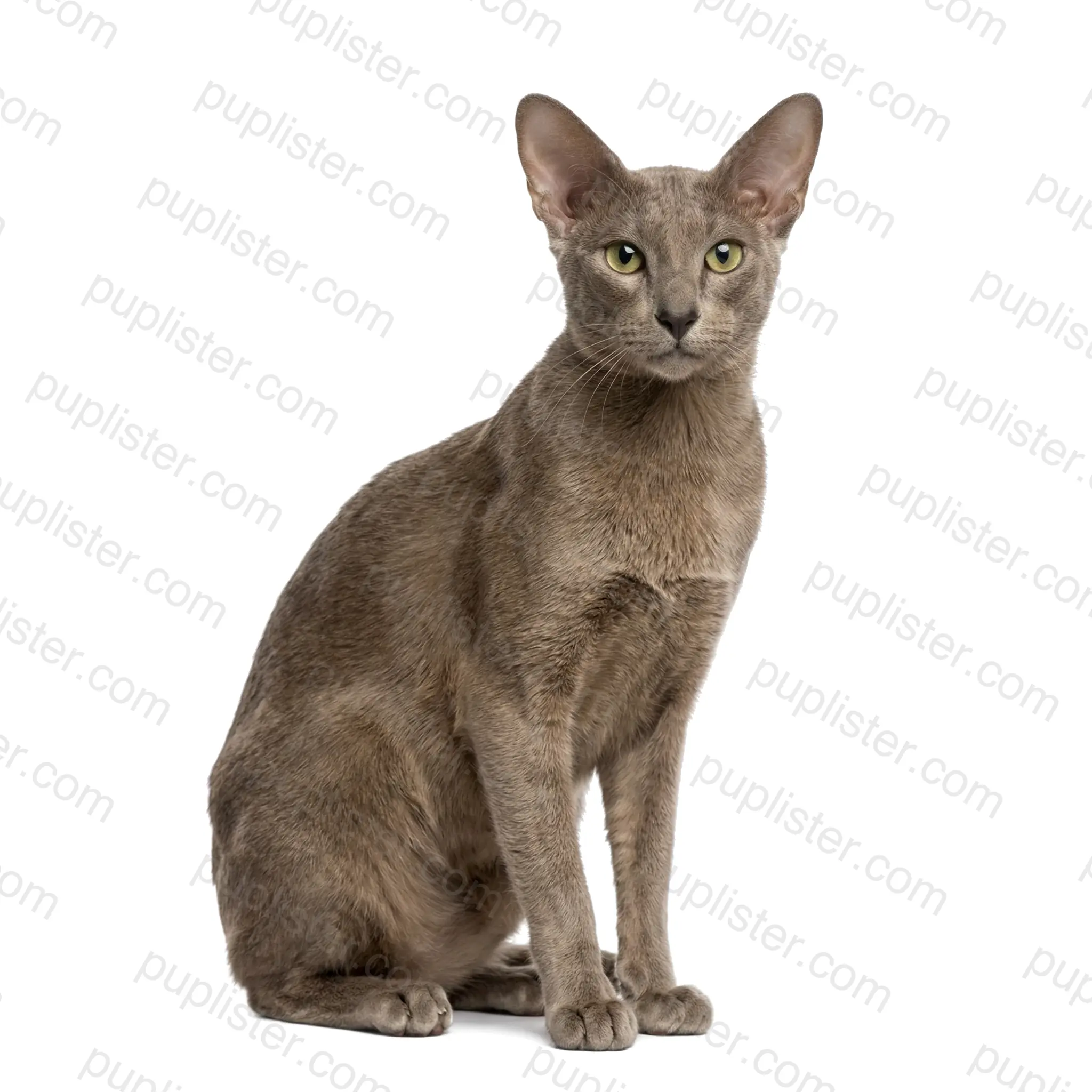
The Peterbald originated in St. Petersburg, Russia, in 1994 from a cross between a Donskoy (Don Sphynx) and an Oriental Shorthair. This elegant, medium-sized cat weighs 6–10 pounds and possesses a long, narrow head, oversized ears, and an elongated, whip-like tail. The Peterbald's coat is its most variable feature — ranging from completely bald (ultra bald) to a fine peach-fuzz (chamois), a short velvety nap (flock), a wiry brush coat, or even a straight coat that feels like a normal shorthair.
Peterbalds are affectionate, energetic, and relentlessly social — they want to be involved in everything their humans do. They are remarkably intelligent and vocal, combining the chatty nature of their Oriental heritage with the cuddly neediness of the Donskoy. They thrive in multi-pet households and are patient and gentle with children.
Intrigued by this Russian beauty with a one-of-a-kind coat? Browse Peterbald cats up for adoption on Puplister today.
Answer 5 quick questions to see how well this breed matches your lifestyle.
Check back soon or browse all cats.
1 pet available
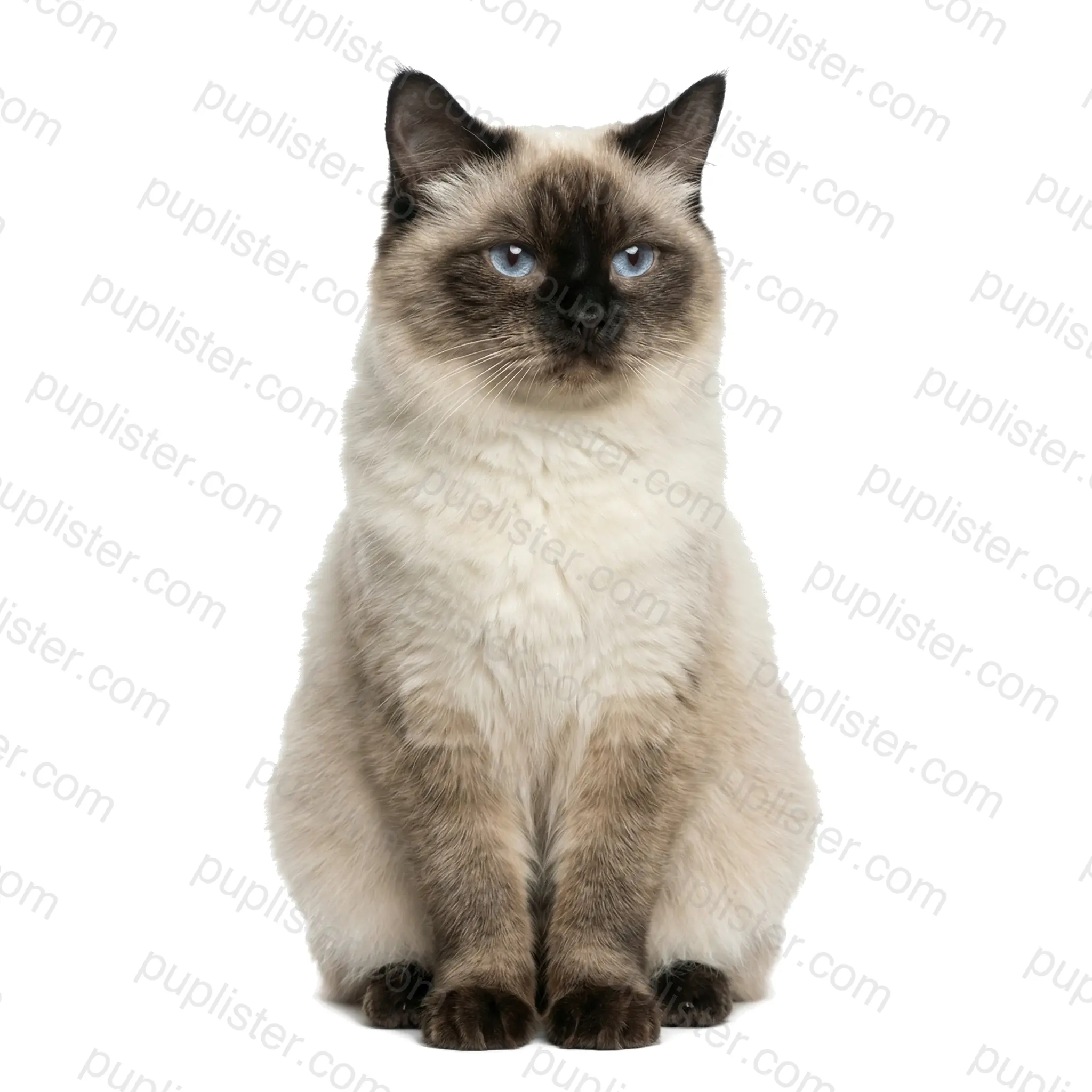
About the Himalayan The Himalayan — known as the Colourpoint Persian in Europe — was developed in the 1930s–1950s by crossing Siamese with Persians to combine the Persian's luxurious coat with Siamese point coloring. This medium-to-large breed weighs 7–14 pounds and has the Persian's flat face, round body, and short legs. Their long, thick, flowing coat comes in all point colors — seal, blue, chocolate, lilac, red, cream, and tortoiseshell — contrasted against a pale cream or white body. Temperament & Personality Himalayans are calm, sweet, and devoted cats that enjoy a serene environment and gentle handling. They are more playful than Persians — thanks to their Siamese heritage — and may enjoy short bursts of activity with a favorite toy. They are patient with well-behaved children and prefer a quiet household, bonding closely with their family while remaining friendly with gentle visitors. Pros Stunningly beautiful — combines Persian elegance with Siamese coloringCalm, gentle personality — ideal for quiet, relaxed householdsDeeply affectionate and loyal to their familyVivid blue eyes inherited from Siamese lineage add to their beauty Cons Coat requires daily grooming — prone to severe matting without consistent careBrachycephalic — prone to breathing difficulties, eye discharge, and dental issuesHigh risk for polycystic kidney disease (PKD) and progressive retinal atrophyHeat-sensitive — must be kept in air-conditioned environments during warm months Ready to pamper a gorgeous Himalayan? Discover cats available for adoption on Puplister today.
5 pets available
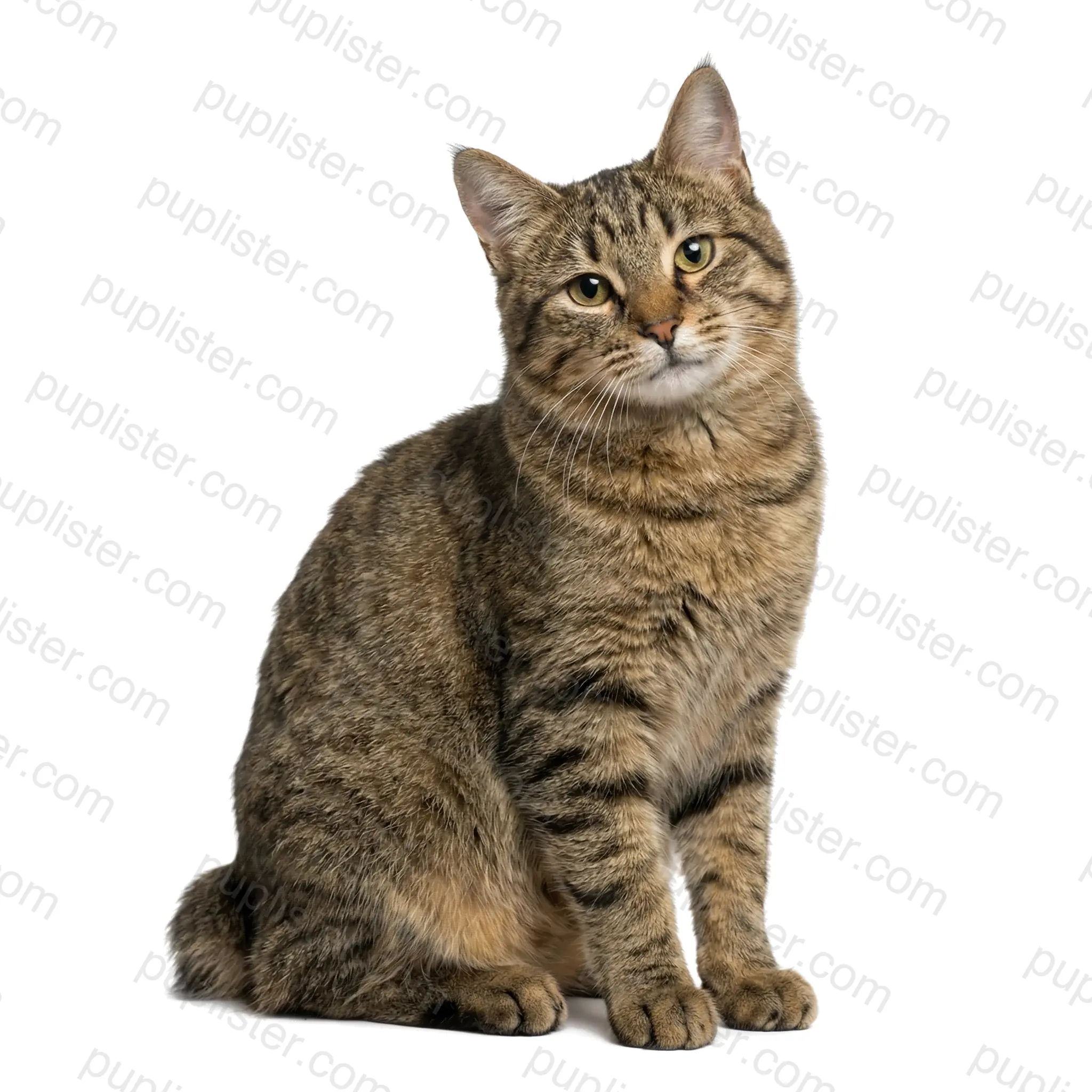
1About the American Bobtail The American Bobtail was developed in the 1960s from a naturally occurring short-tailed kitten found in Arizona. This sturdy, medium-to-large breed weighs 7–16 pounds and has a wild, athletic appearance reminiscent of a bobcat. Their coat comes in both short and long varieties in virtually every color and pattern, with their signature bobbed tail ranging from one to four inches long. Temperament & Personality American Bobtails are remarkably adaptable and affectionate cats often described as dog-like in their devotion to family. They get along wonderfully with children, other cats, and even dogs — making them ideal for busy households. Despite their wild appearance, they are gentle, easygoing, and have been used as therapy cats due to their calm, intuitive nature. Pros Exceptionally adaptable — adjusts well to travel and new environmentsGentle and patient with children and other animalsNaturally healthy breed with few genetic predispositionsPlayful yet not overly demanding — enjoys interactive toys and games Cons Can be slow to mature — takes 2–3 years to reach full physical developmentLong-haired variety requires regular brushing to prevent mattingRelatively rare breed — may be difficult to find in sheltersStrong prey drive means small pets like birds or hamsters may be at risk Discover the charm of the American Bobtail — check out adoptable cats of this breed on Puplister.
1 pet available
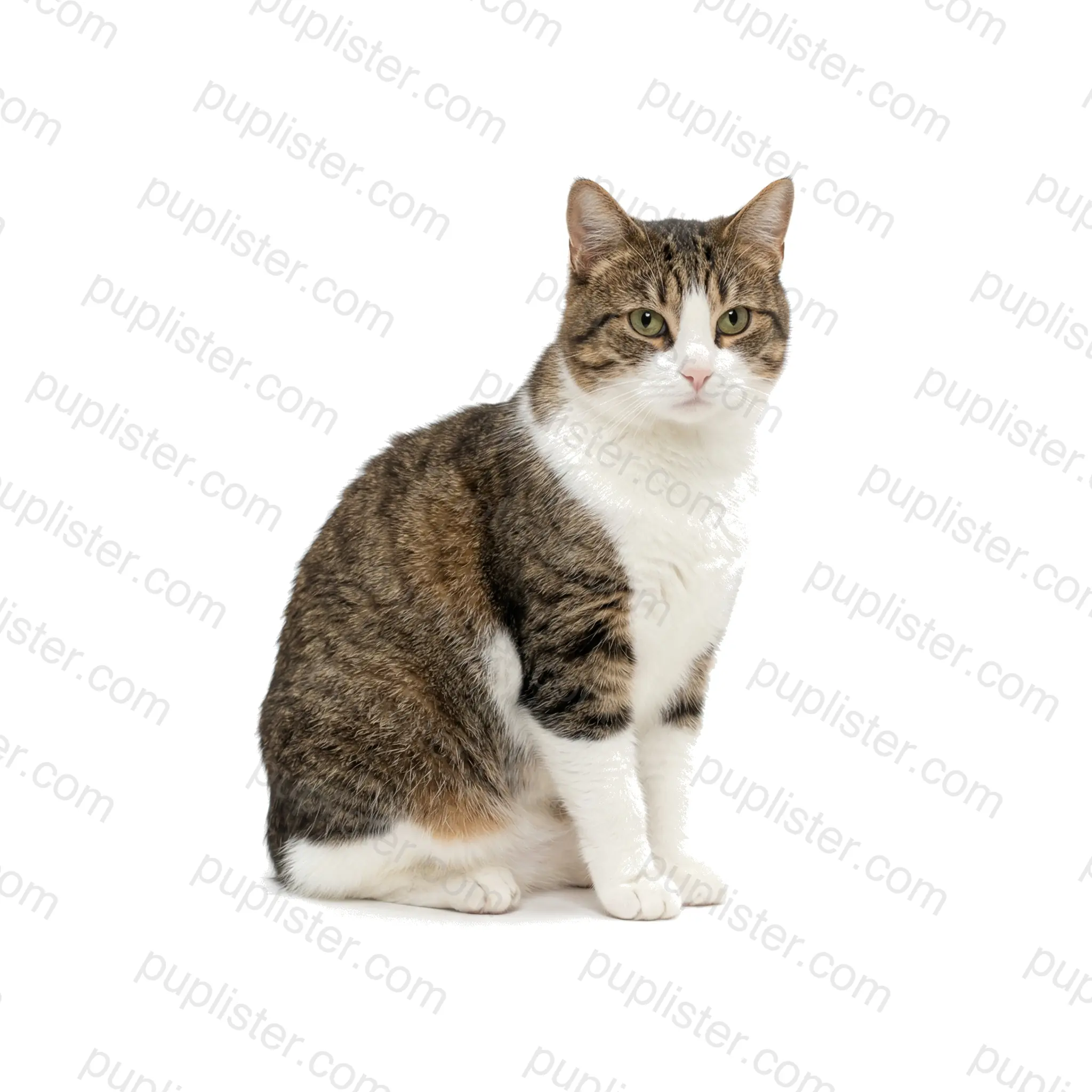
1About the Manx The Manx hails from the Isle of Man in the Irish Sea, where its signature taillessness has been documented since at least the 18th century. A sturdy, medium-sized cat weighing 8–12 pounds, the Manx has a round head, prominent cheeks, and powerful hind legs that sit noticeably higher than the front — giving it a distinctive rabbit-like hop. The double coat comes in virtually every color and pattern, from solid white to classic tabby, and ranges from short (Manx) to semi-long (Cymric variant).Temperament & PersonalityManx cats are playful, dog-like companions that often learn to fetch and come when called. They bond deeply with their families and tend to be protective — some owners report their Manx growling at unfamiliar sounds. They generally get along well with children and other pets, though they may pick one favorite person to shadow throughout the day.ProsHighly trainable and can learn tricks, fetch, and respond to commandsExcellent mouser with strong hunting instinctsAdaptable to apartments and houses alikeLoyal and protective of their familyConsManx syndrome — a spinal defect linked to the tailless gene — can cause serious health issues in some kittensProne to arthritis in the tailbone area as they ageThe double coat sheds heavily, especially during seasonal changesMay become overly attached to one person, leading to separation anxietyIf a loyal, playful companion with a unique silhouette sounds like your perfect match, explore Manx cats available for adoption on Puplister today.
2 pets available
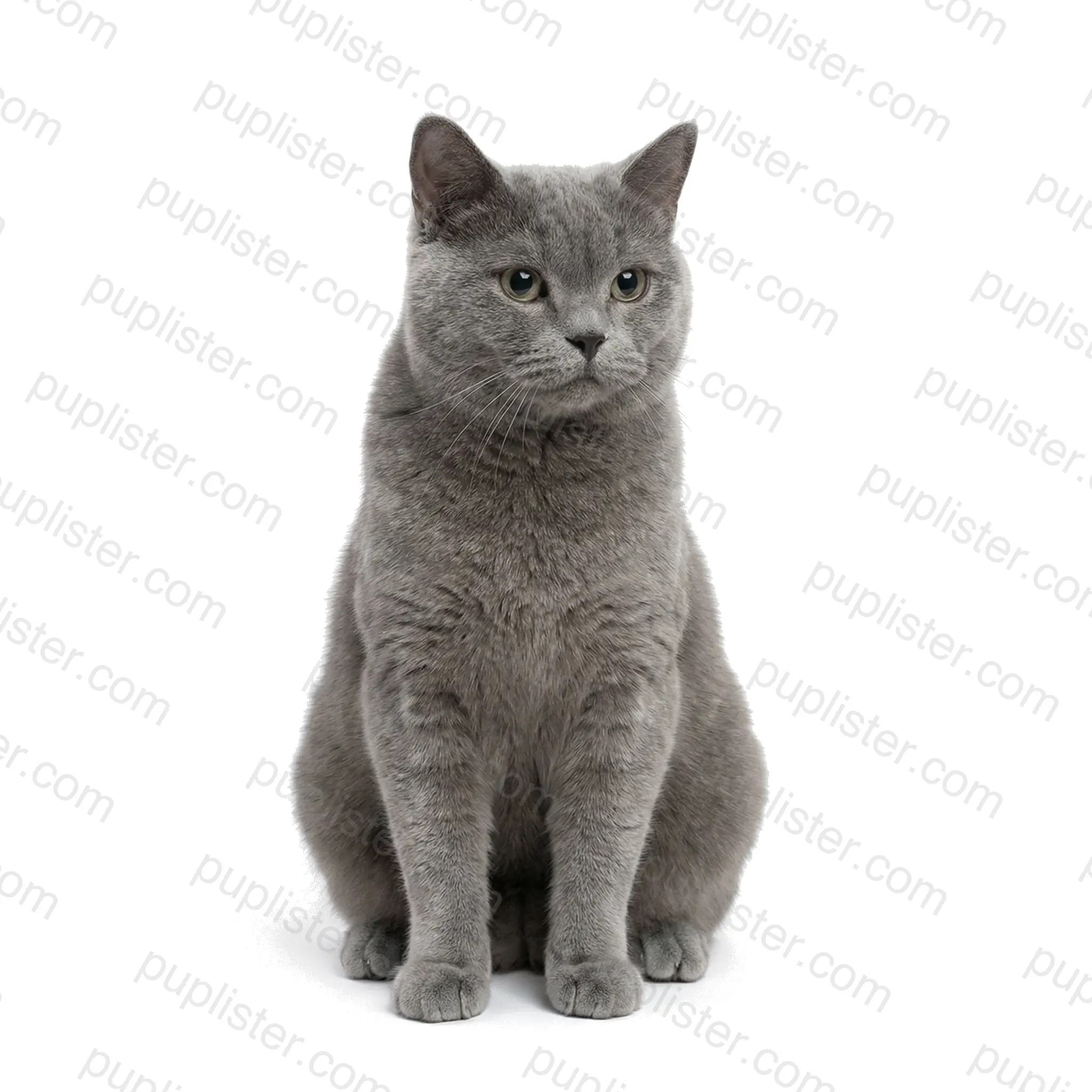
About the British Shorthair The British Shorthair is one of the oldest and most recognizable cat breeds — tracing its roots to the domestic cats of Roman-era Britain, later refined through selective breeding in the 19th century. This large, stocky breed weighs 9–18 pounds and is famous for its round face, dense double coat, and broad, powerful build. While the "British Blue" (solid gray-blue) is the most iconic variety, the breed comes in an extensive range of colors and patterns. Temperament & Personality British Shorthairs are dignified, calm cats that prefer to keep all four paws on the ground — they are not typically lap cats and may resist being picked up. They are affectionate on their own terms, loyal to their families, and generally tolerant of well-behaved children and other pets. Their unflappable, easygoing nature makes them one of the most popular companion breeds worldwide. Pros Robust health and impressive longevity — commonly lives 14–20 yearsLow-maintenance temperament — calm, quiet, and not prone to behavioral issuesDense plush coat is easy to groom with weekly brushingHandles being alone well — ideal for working professionals Cons Highly prone to obesity — requires strict diet management and play encouragementCan develop hypertrophic cardiomyopathy (HCM) and polycystic kidney diseaseNot a cuddly lap cat — prefers to sit near you rather than on youSlow to mature — takes 3–5 years to reach full physical development The British Shorthair could be your perfect low-key companion — search for adoptable cats on Puplister now.
Adopted cat meowing all night? Discover why it happens, how to create a calm environment, and a realistic timeline to quiet nighttime meows.
Is your adopted cat not eating? Learn the causes, from stress to past trauma, and discover practical solutions to get your new feline friend eating again.
Is your new cat hiding and won't come out? It's normal, but proactive steps can help. Learn how to build trust with your shy adopted cat.
Discover how long it takes for a rescue cat to feel at home with our experienced guide, covering the 3-3-3 rule and actionable tips.