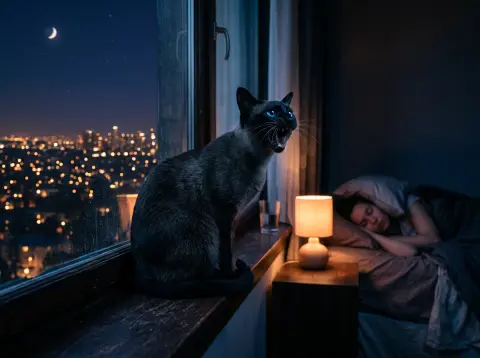
Adopted Cat Meowing All Night: How to Stop It
Adopted cat meowing all night? Discover why it happens, how to create a calm environment, and a realistic timeline to quiet nighttime meows.
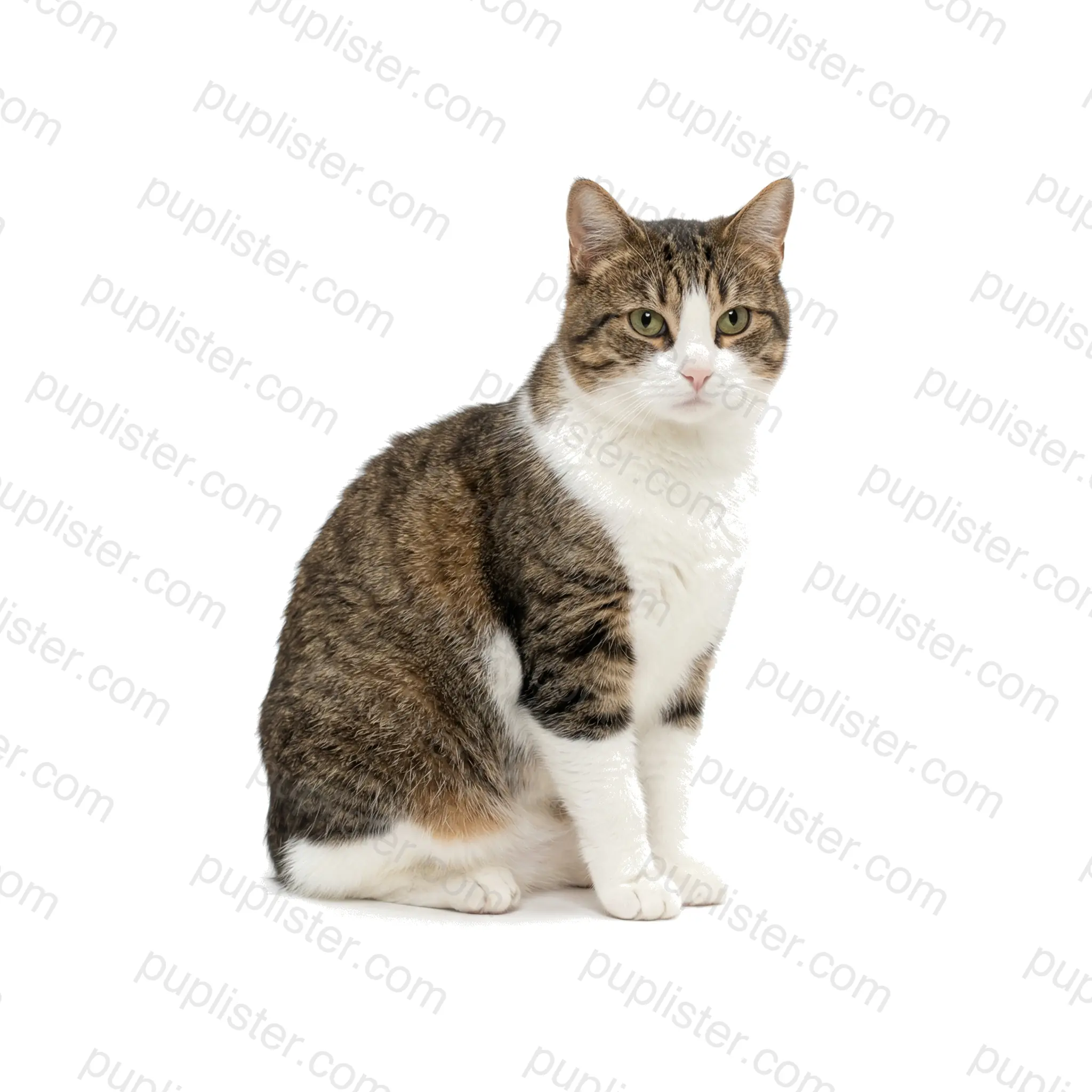
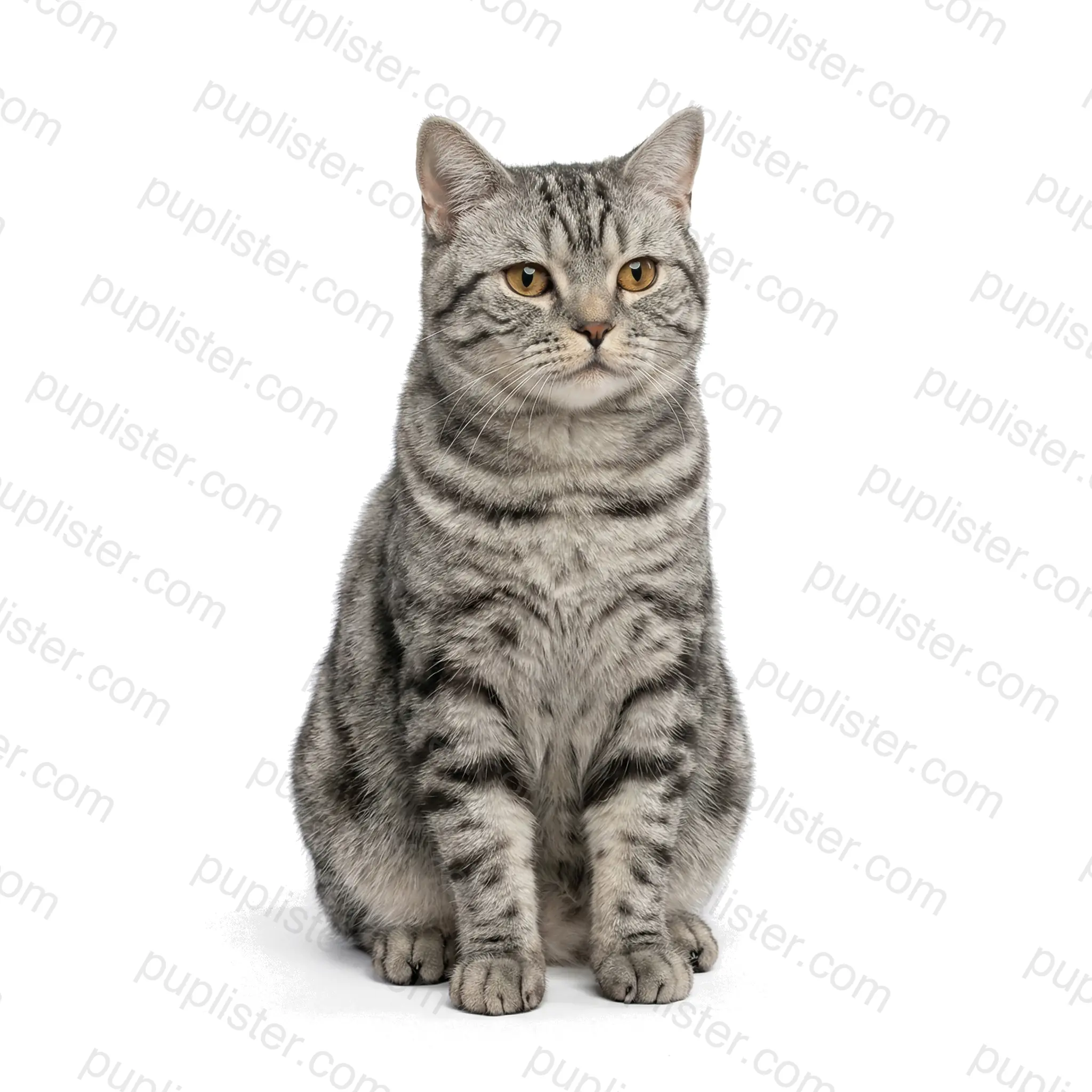
The Scottish Straight is the straight-eared sibling of the Scottish Fold, born in the same litters but without the ear-fold mutation. This medium-sized cat weighs 6–13 pounds and shares the Fold's round face, big eyes, and compact build — the only visible difference is the upright, normally shaped ears. They appear in all the same coat types, colors, and patterns as the Fold, from short dense coats to flowing longhair in tabby, solid, bicolor, and more.
Scottish Straights have the same sweet, mellow temperament as their folded-eared relatives — playful without being hyperactive, affectionate without being clingy. They enjoy interactive play and are known for their soft, chirpy voices. Friendly and adaptable, they do well with children, other cats, and cat-friendly dogs.
Want the beloved Scottish personality with healthier ears? Search for Scottish Straight cats on Puplister and give one a loving home.
Answer 5 quick questions to see how well this breed matches your lifestyle.
Check back soon or browse all cats.
2 pets available
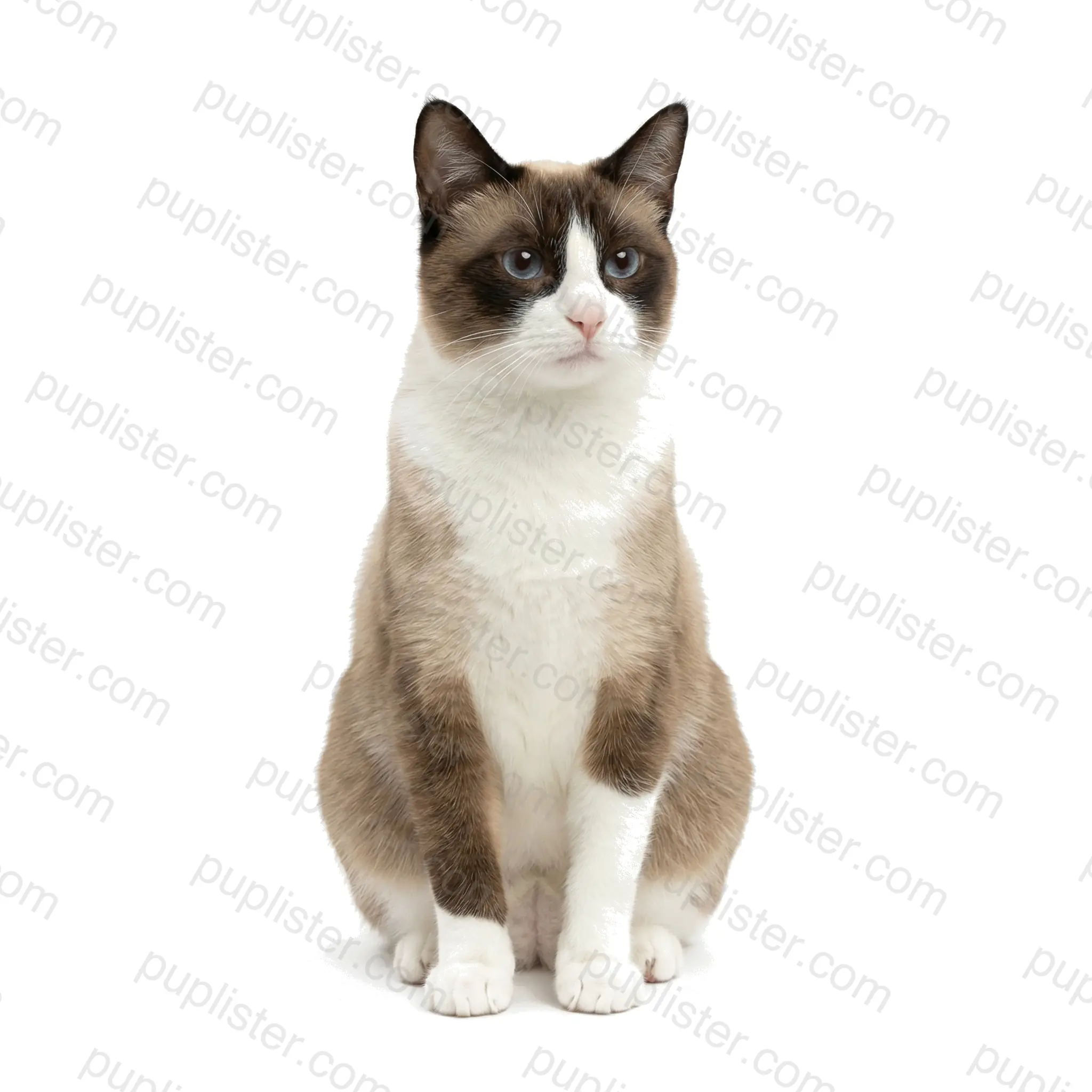
About the Snowshoe The Snowshoe was developed in the 1960s in Philadelphia by crossing Siamese cats with American Shorthairs, creating a pointed cat with distinctive white "boots" on all four paws. This medium-sized breed weighs 7–12 pounds and combines the Siamese's colorpoint pattern with a more robust, moderately stocky build. Their short, smooth coat comes in seal point and blue point, always featuring white paws, an inverted white "V" on the face, and striking blue eyes.Temperament & PersonalitySnowshoes are vocal, social cats that inherit the Siamese's love of conversation but with a softer, more melodic voice. They are playful and intelligent, often learning to open doors and turn on faucets — many Snowshoes are fascinated by running water. They bond closely with their families and can become distressed if left alone for long periods.ProsStriking, unique appearance — the white boots and facial markings are hard to resistVocal but softer-voiced than the Siamese — communicative without being overwhelmingIntelligent and playful — enjoys puzzle toys, fetch, and learning tricksAffectionate and loyal — bonds deeply with family membersConsProne to separation anxiety — needs companionship throughout the dayMarkings are unpredictable — "show-quality" pattern is notoriously difficult to breed consistentlyCan be sensitive and moody — may sulk if they feel ignoredInherited health concerns from Siamese lines, including dental and heart issuesLove the Siamese look with a twist? Browse Snowshoe cats seeking their perfect families on Puplister today.
1 pet available
1About the Manx The Manx hails from the Isle of Man in the Irish Sea, where its signature taillessness has been documented since at least the 18th century. A sturdy, medium-sized cat weighing 8–12 pounds, the Manx has a round head, prominent cheeks, and powerful hind legs that sit noticeably higher than the front — giving it a distinctive rabbit-like hop. The double coat comes in virtually every color and pattern, from solid white to classic tabby, and ranges from short (Manx) to semi-long (Cymric variant).Temperament & PersonalityManx cats are playful, dog-like companions that often learn to fetch and come when called. They bond deeply with their families and tend to be protective — some owners report their Manx growling at unfamiliar sounds. They generally get along well with children and other pets, though they may pick one favorite person to shadow throughout the day.ProsHighly trainable and can learn tricks, fetch, and respond to commandsExcellent mouser with strong hunting instinctsAdaptable to apartments and houses alikeLoyal and protective of their familyConsManx syndrome — a spinal defect linked to the tailless gene — can cause serious health issues in some kittensProne to arthritis in the tailbone area as they ageThe double coat sheds heavily, especially during seasonal changesMay become overly attached to one person, leading to separation anxietyIf a loyal, playful companion with a unique silhouette sounds like your perfect match, explore Manx cats available for adoption on Puplister today.
1 pet available
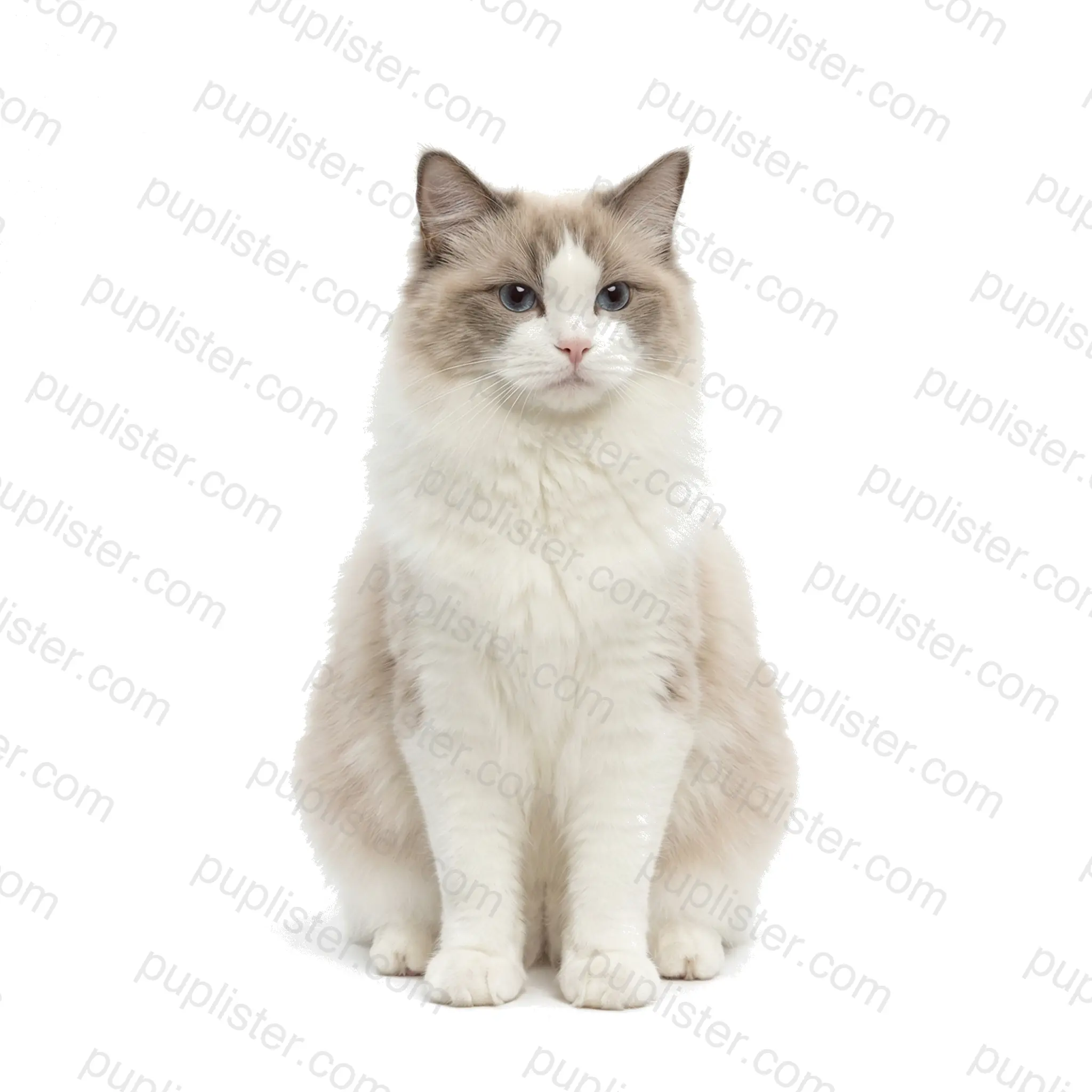
1About the Ragdoll The Ragdoll was developed in the 1960s in Riverside, California, by breeder Ann Baker, who selected for docile, floppy cats that go limp when held — hence the name. One of the largest domestic cat breeds, Ragdolls weigh 10–20 pounds (males often exceeding 15 pounds) and have striking blue eyes, a semi-long silky coat, and a colorpoint pattern with a lighter body and darker extremities. They come in six main colors — seal, blue, chocolate, lilac, red, and cream — with four patterns: colorpoint, mitted, bicolor, and lynx.Temperament & PersonalityRagdolls are famously gentle, relaxed cats that often follow their owners from room to room like loyal dogs. They tend to greet you at the door and flop at your feet, earning their reputation as "floor cats" and "puppy cats." Exceptionally tolerant and patient, they are among the best breeds for families with children and get along beautifully with dogs and other cats.ProsExtremely gentle and tolerant — ideal for households with young childrenSilky coat lacks a dense undercoat, reducing matting and shedding compared to other longhairsCalm, laid-back energy level — content with moderate play and lots of cuddlingDog-like devotion — follows owners, greets guests, and can learn simple tricksConsGenetic predisposition to hypertrophic cardiomyopathy (HCM) — DNA testing recommendedTrusting and non-aggressive to a fault — must be kept strictly indoorsLarge size means higher food costs and need for oversized litter boxesCan develop bladder stones and urinary tract issuesIf a big, blue-eyed lap cat sounds like your dream companion, search for Ragdoll cats available for adoption on Puplister.
2 pets available
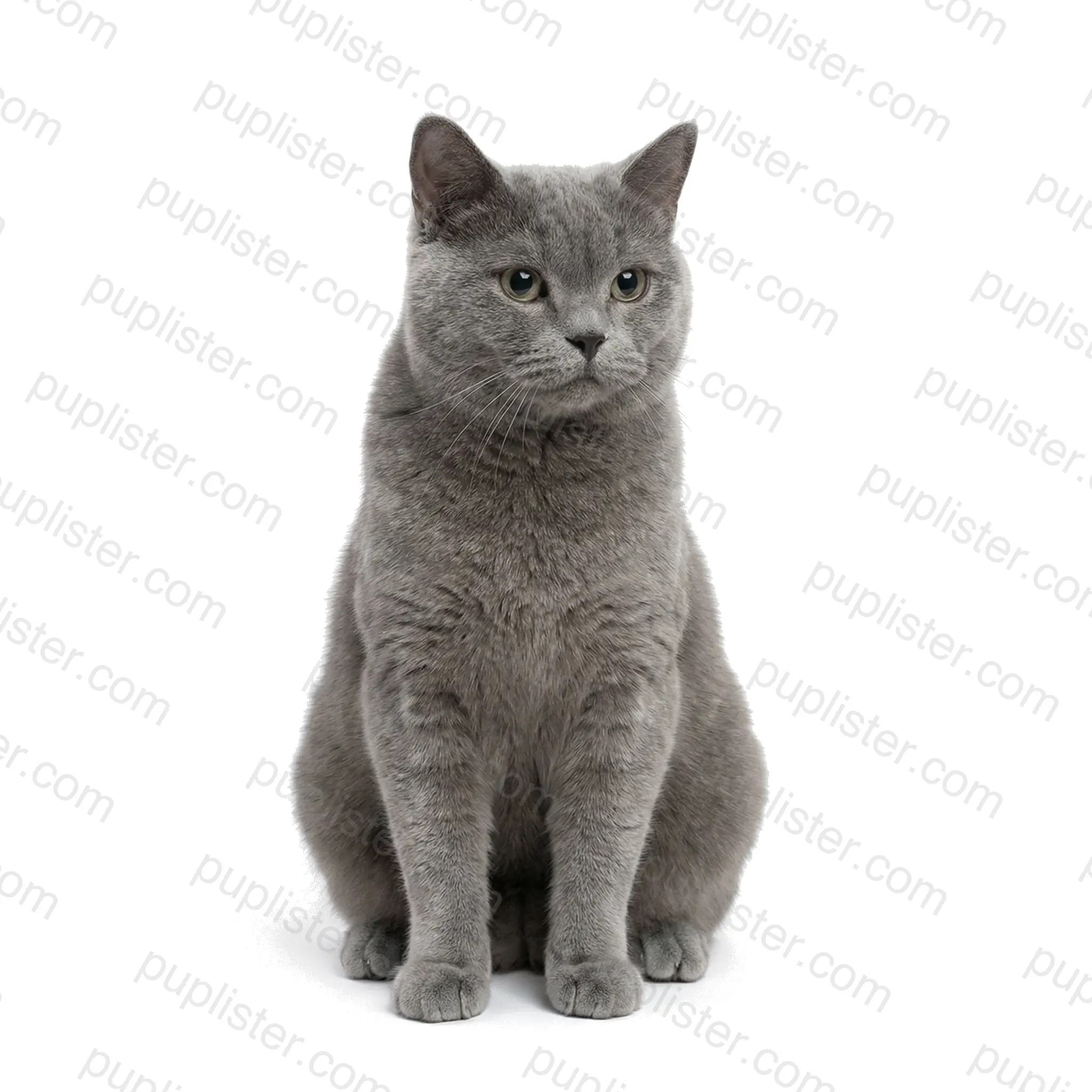
About the British Shorthair The British Shorthair is one of the oldest and most recognizable cat breeds — tracing its roots to the domestic cats of Roman-era Britain, later refined through selective breeding in the 19th century. This large, stocky breed weighs 9–18 pounds and is famous for its round face, dense double coat, and broad, powerful build. While the "British Blue" (solid gray-blue) is the most iconic variety, the breed comes in an extensive range of colors and patterns. Temperament & Personality British Shorthairs are dignified, calm cats that prefer to keep all four paws on the ground — they are not typically lap cats and may resist being picked up. They are affectionate on their own terms, loyal to their families, and generally tolerant of well-behaved children and other pets. Their unflappable, easygoing nature makes them one of the most popular companion breeds worldwide. Pros Robust health and impressive longevity — commonly lives 14–20 yearsLow-maintenance temperament — calm, quiet, and not prone to behavioral issuesDense plush coat is easy to groom with weekly brushingHandles being alone well — ideal for working professionals Cons Highly prone to obesity — requires strict diet management and play encouragementCan develop hypertrophic cardiomyopathy (HCM) and polycystic kidney diseaseNot a cuddly lap cat — prefers to sit near you rather than on youSlow to mature — takes 3–5 years to reach full physical development The British Shorthair could be your perfect low-key companion — search for adoptable cats on Puplister now.
Adopted cat meowing all night? Discover why it happens, how to create a calm environment, and a realistic timeline to quiet nighttime meows.
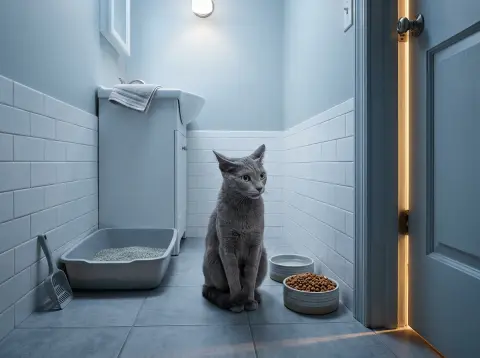
Is your adopted cat not eating? Learn the causes, from stress to past trauma, and discover practical solutions to get your new feline friend eating again.
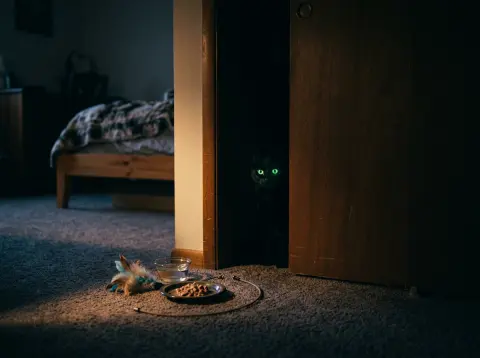
Is your new cat hiding and won't come out? It's normal, but proactive steps can help. Learn how to build trust with your shy adopted cat.
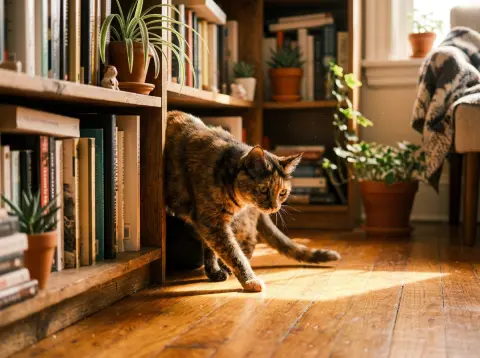
Discover how long it takes for a rescue cat to feel at home with our experienced guide, covering the 3-3-3 rule and actionable tips.