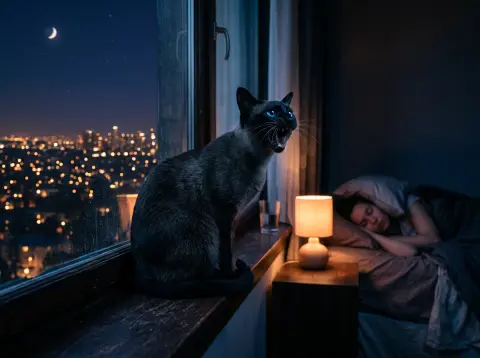
Adopted Cat Meowing All Night: How to Stop It
Adopted cat meowing all night? Discover why it happens, how to create a calm environment, and a realistic timeline to quiet nighttime meows.
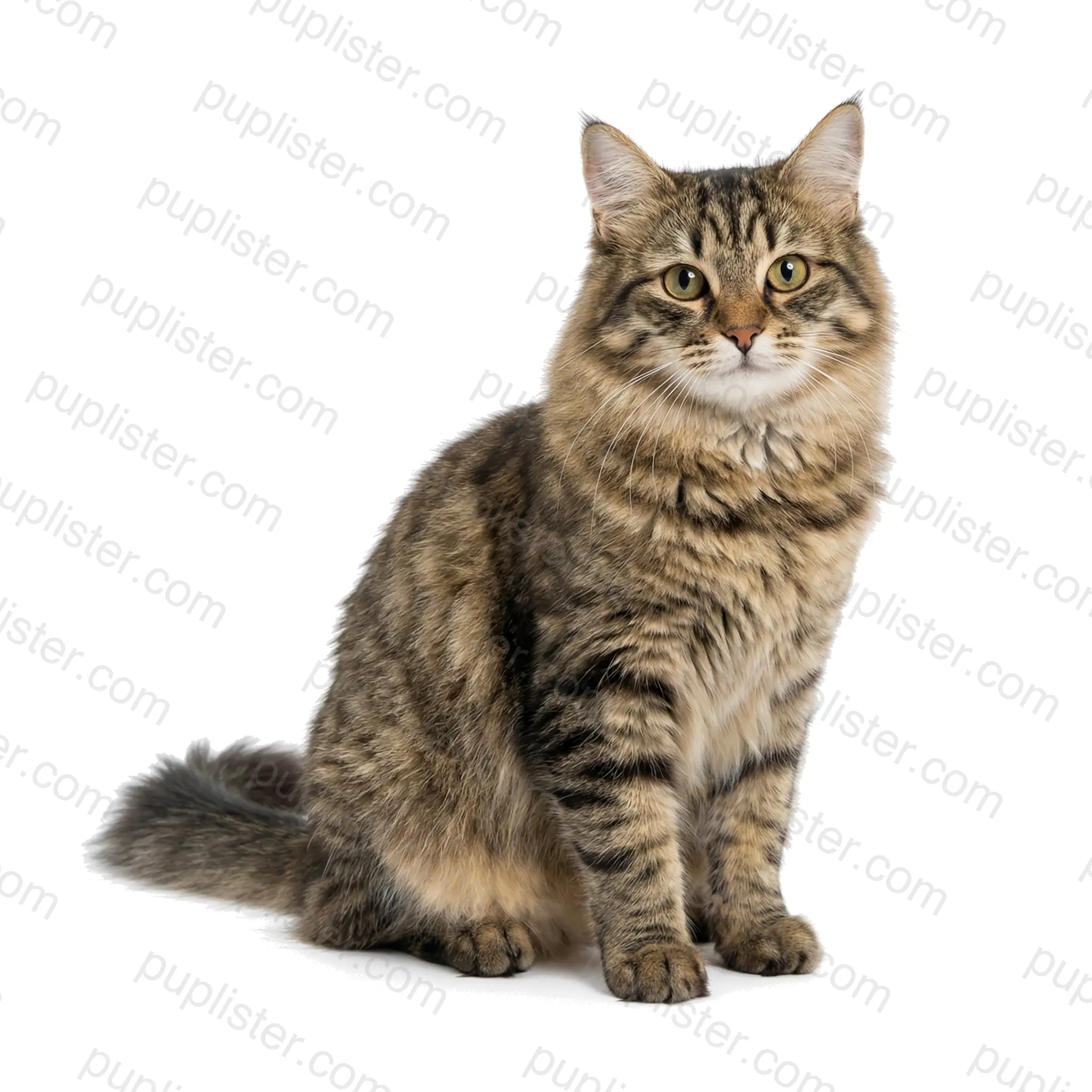
The Siberian — Russia's national cat — is a natural breed that has existed in the forests of Siberia for at least 1,000 years, first appearing in Russian fairy tales and eventually standardized as a breed in the 1980s. This large, powerful cat weighs 10–20 pounds and features a triple-layered, waterproof coat that protected it through harsh Russian winters — a dense undercoat, longer middle layer, and coarse guard hairs. They come in all colors and patterns, including the stunning pointed "Neva Masquerade" variety.
Siberians are affectionate, adventurous cats with a playful, kitten-like spirit that lasts well into their senior years. They love water — don't be surprised to find one splashing in the sink or drinking from the faucet. Gentle and patient, they are excellent with children and other pets, and they possess a calm confidence that makes them unfazed by the chaos of a busy household.
Dreaming of a hypoallergenic gentle giant from the Russian forests? Search for Siberian cats on Puplister and find your perfect fluffy companion.
Answer 5 quick questions to see how well this breed matches your lifestyle.
Check back soon or browse all cats.
3 pets available
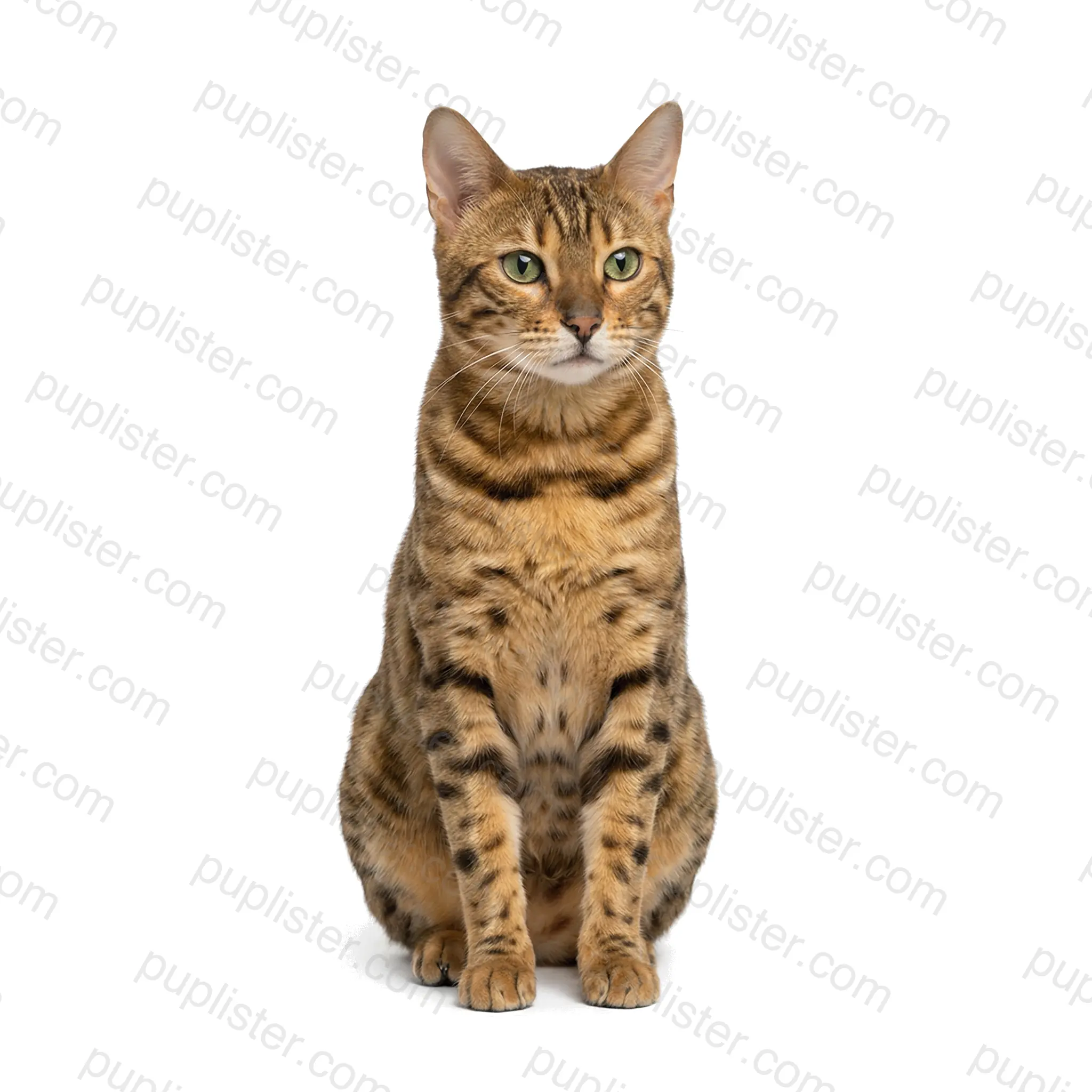
About the Bengal The Bengal was developed in the 1960s–1980s by crossing domestic cats with the Asian leopard cat, creating a breed that looks wild but behaves like a household pet. This medium-to-large breed weighs 8–15 pounds and has a muscular, athletic build with a uniquely glittered coat. Their short, dense fur features bold spotted or marbled patterns in brown, snow, silver, and charcoal — many Bengals have individual hairs tipped with gold that shimmer in the light. Temperament & Personality Bengals are high-energy, intelligent cats that need plenty of physical and mental stimulation to stay happy. They are confident and curious — often fascinated by water and known for playing in sinks, bathtubs, and water bowls. They bond closely with their families and can do well with older children and other active pets, though their intense energy may overwhelm more timid animals. Pros Stunning wild appearance with a uniquely glittered, luxurious coatHighly intelligent — can learn tricks, walk on a leash, and play fetchShort coat is low-maintenance and produces less dander than many breedsLoves water — many Bengals will happily join you near the shower or faucet Cons Extremely high energy — requires extensive daily play and enrichmentCan be destructive if not provided with adequate stimulationVocal breed with a wide range of loud, distinctive soundsProne to hypertrophic cardiomyopathy (HCM) and progressive retinal atrophy (PRA-b) Ready for the adventure of owning a Bengal? Search for adoptable Bengal cats on Puplister today.
1 pet available
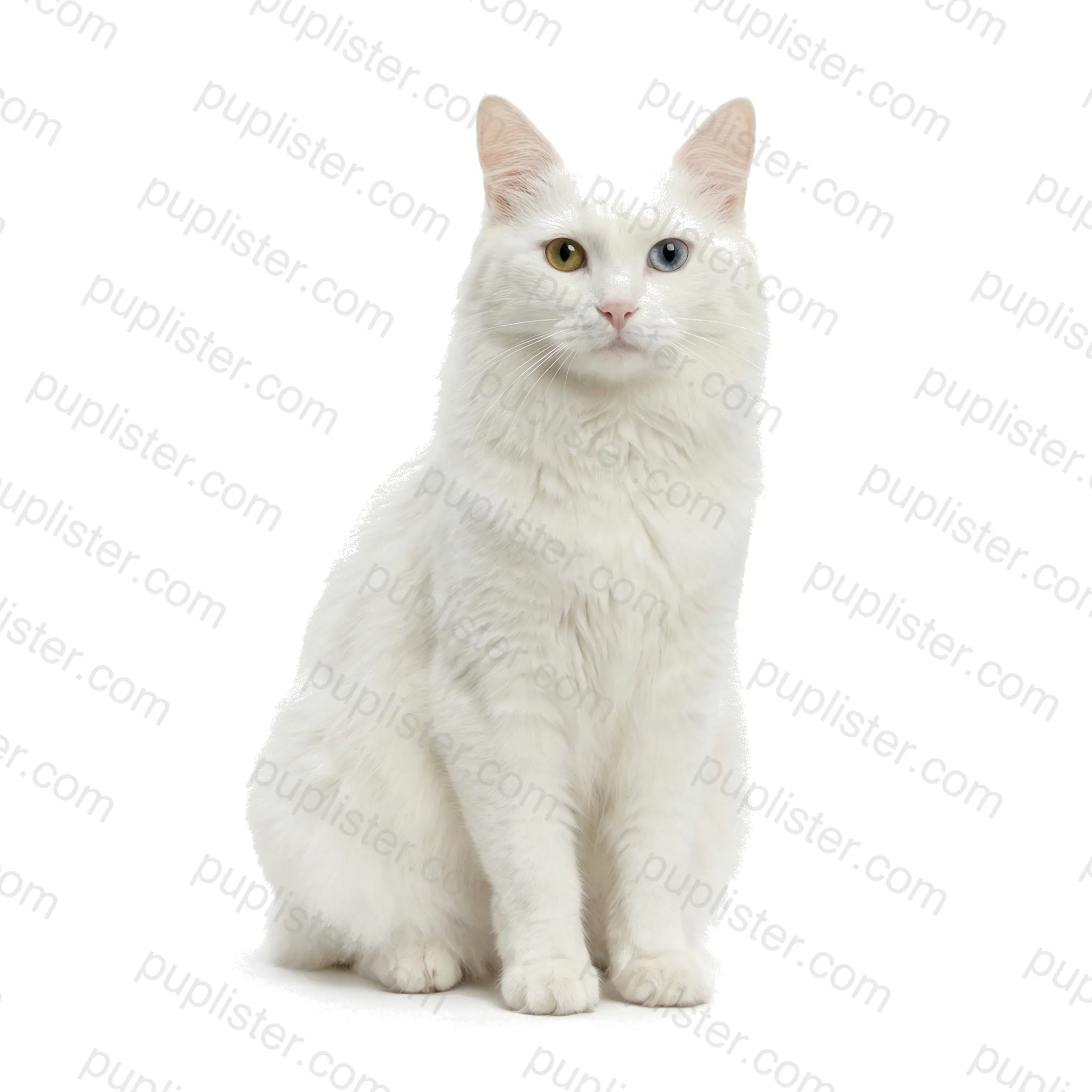
About the Turkish Angora The Turkish Angora is an ancient, naturally occurring breed from central Turkey — specifically the Ankara region — and is one of the oldest known longhaired cat breeds. This small-to-medium cat weighs 5–10 pounds and possesses a graceful, balletic build with a long, plumed tail, silky single-layer coat (no undercoat), and large, walnut-shaped eyes. While white is the most iconic color — often with striking odd eyes (one blue, one amber) — Turkish Angoras come in nearly every color and pattern except pointed.Temperament & PersonalityTurkish Angoras are spirited, intelligent cats that love to be at the center of the action. They are natural athletes — leaping to the highest shelf, opening doors, and inventing games to entertain themselves. Affectionate and strong-willed, they will happily greet guests and supervise every household activity, often choosing one family member as their primary favorite.ProsElegant, silky coat has no undercoat — sheds less and rarely matsHighly intelligent and entertaining — always inventing new games and tricksSocial and welcoming with guests and family alikeNaturally healthy breed with excellent longevity — many live 15–20 yearsConsWhite cats with blue eyes have a high incidence of congenital deafnessStrong-willed and mischievous — can be stubborn about rulesDemands attention and may become disruptive if ignoredProne to ataxia (a hereditary neurological condition) in some linesEntranced by this ancient Turkish treasure? Find Turkish Angora cats looking for loving homes on Puplister and add a touch of grace to your life.
1 pet available
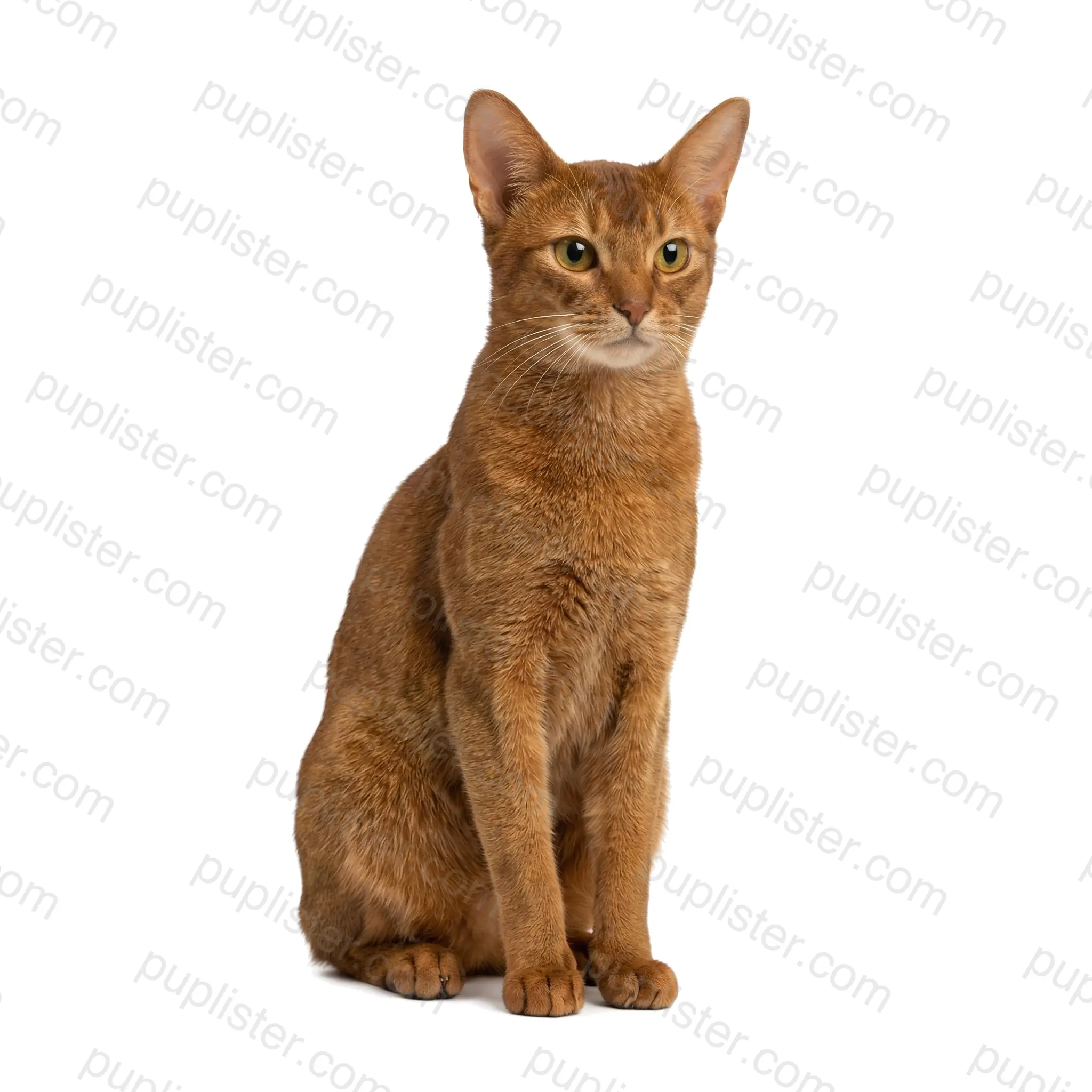
16About the Abyssinian The Abyssinian is one of the oldest known cat breeds — believed to have originated in Southeast Asia or the coast of the Indian Ocean, despite being named after Ethiopia (formerly Abyssinia). This medium-sized cat weighs 6–10 pounds and has a lean, muscular build that reflects its athletic nature. The Abyssinian's distinctive ticked tabby coat comes in warm ruddy, red, blue, and fawn shades, giving each hair multiple bands of color. Temperament & Personality Abyssinians are endlessly curious, highly active cats that love to climb, explore, and supervise every household activity. They form strong bonds with their families and do well with children and other pets, though they prefer interactive play over being a lap cat. Their intelligence and playful energy make them one of the most engaging companion cats. Pros Extremely intelligent and easy to train with clicker methodsLow-maintenance short coat requires minimal groomingHighly social and bonds deeply with all family membersAthletic and entertaining — loves to play fetch and learn tricks Cons Prone to hereditary conditions like pyruvate kinase deficiency and progressive retinal atrophyDemands constant stimulation and can become destructive if boredNot a cuddly lap cat — prefers to be near you rather than on youCan be overly demanding of attention and may vocalize to get it If you're looking for a lively, intelligent feline companion, browse Abyssinian cats available for adoption on Puplister today.
1 pet available
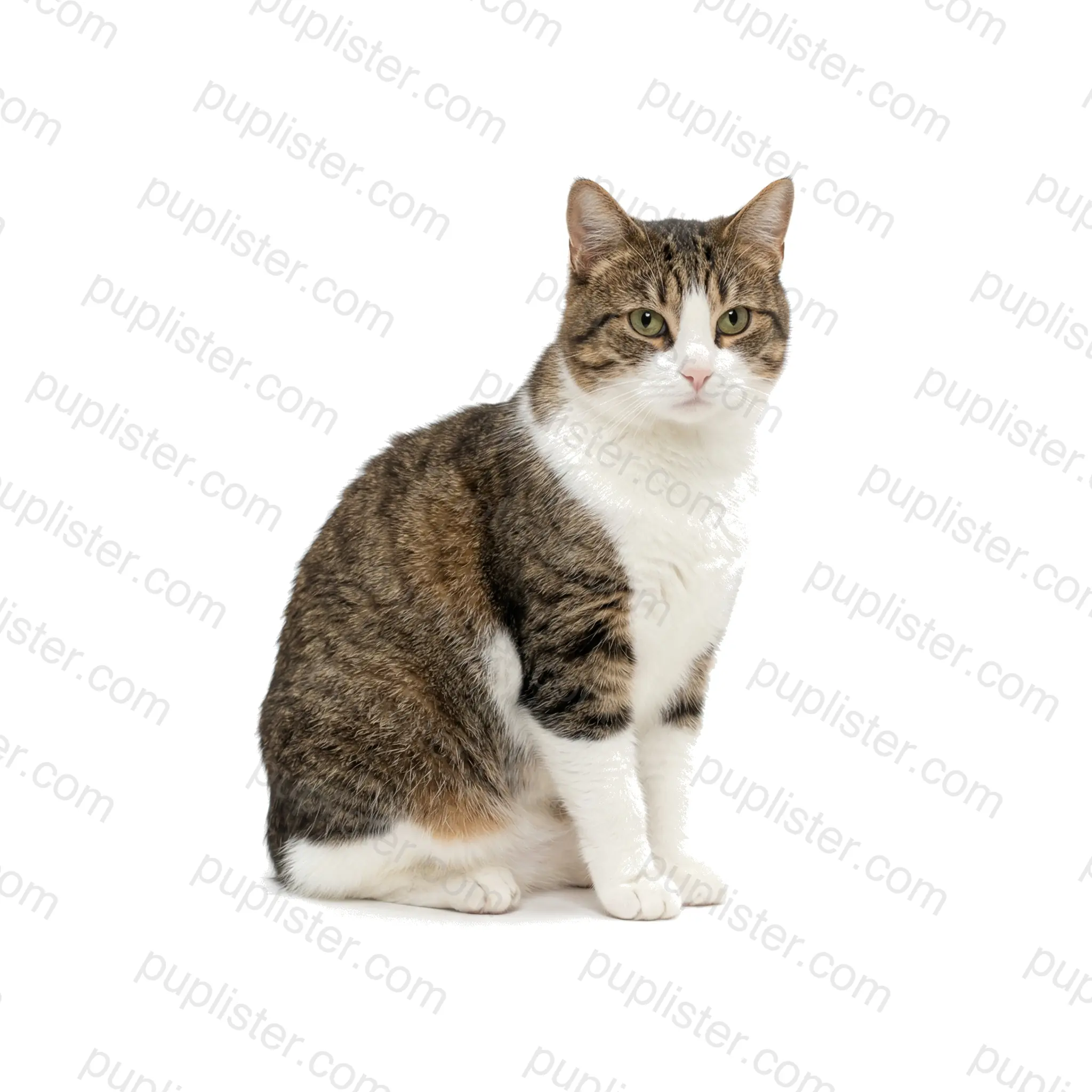
1About the Manx The Manx hails from the Isle of Man in the Irish Sea, where its signature taillessness has been documented since at least the 18th century. A sturdy, medium-sized cat weighing 8–12 pounds, the Manx has a round head, prominent cheeks, and powerful hind legs that sit noticeably higher than the front — giving it a distinctive rabbit-like hop. The double coat comes in virtually every color and pattern, from solid white to classic tabby, and ranges from short (Manx) to semi-long (Cymric variant).Temperament & PersonalityManx cats are playful, dog-like companions that often learn to fetch and come when called. They bond deeply with their families and tend to be protective — some owners report their Manx growling at unfamiliar sounds. They generally get along well with children and other pets, though they may pick one favorite person to shadow throughout the day.ProsHighly trainable and can learn tricks, fetch, and respond to commandsExcellent mouser with strong hunting instinctsAdaptable to apartments and houses alikeLoyal and protective of their familyConsManx syndrome — a spinal defect linked to the tailless gene — can cause serious health issues in some kittensProne to arthritis in the tailbone area as they ageThe double coat sheds heavily, especially during seasonal changesMay become overly attached to one person, leading to separation anxietyIf a loyal, playful companion with a unique silhouette sounds like your perfect match, explore Manx cats available for adoption on Puplister today.
Adopted cat meowing all night? Discover why it happens, how to create a calm environment, and a realistic timeline to quiet nighttime meows.
Is your adopted cat not eating? Learn the causes, from stress to past trauma, and discover practical solutions to get your new feline friend eating again.
Is your new cat hiding and won't come out? It's normal, but proactive steps can help. Learn how to build trust with your shy adopted cat.
Discover how long it takes for a rescue cat to feel at home with our experienced guide, covering the 3-3-3 rule and actionable tips.