Sphynx Sphynx

Sphynx

14
Social Energetic Curious Affectionate

About the Sphynx

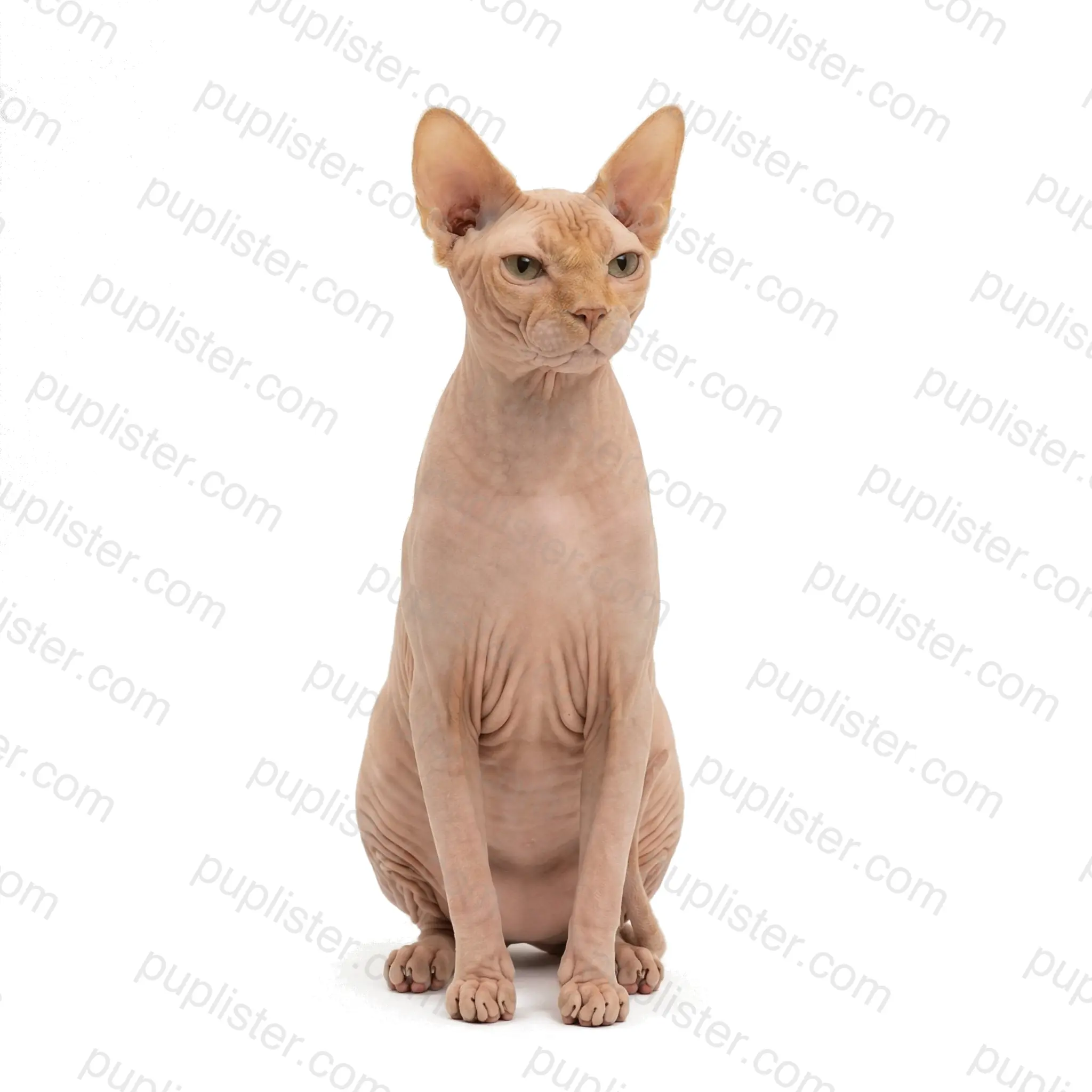
The Sphynx originated in Toronto, Canada, in 1966 when a domestic cat gave birth to a hairless kitten due to a natural genetic mutation. Through careful breeding with Devon Rex and other cats, the Sphynx was established as a robust breed. Weighing 6–12 pounds, this medium-sized cat is famous for its apparent hairlessness — though most Sphynx have a fine layer of peach-fuzz that gives their skin a warm, suede-like texture. Their wrinkled skin, lemon-shaped eyes, enormous ears, and pot belly give them an unmistakable extraterrestrial appearance.

Temperament & Personality

Sphynx cats are extroverted clowns that crave human attention and warmth — literally, as they seek out body heat and will burrow under blankets or curl up on any available lap. They are fearless, social, and endlessly entertaining, performing acrobatic feats and greeting everyone — including strangers — with enthusiasm. They do wonderfully with children, dogs, and other cats.

Pros

  • No fur shedding on furniture or clothing
  • Extremely social, affectionate, and entertaining — the ultimate companion cat
  • Gets along with virtually everyone — kids, dogs, strangers, other cats
  • Unique, striking appearance that turns heads wherever they go

Cons

  • Requires weekly baths to remove oil buildup that would normally be absorbed by fur
  • Highly susceptible to sunburn, cold, and skin infections
  • Prone to hypertrophic cardiomyopathy (HCM) and hereditary myopathy
  • High metabolism means they eat more than similarly sized cats and need a warm environment

Captivated by this hairless wonder? Find Sphynx cats looking for warm, loving homes on Puplister — your next cuddle buddy awaits.
Sphynx Quick Facts

Size
6–12 lbs
Lifespan
8–14 years
Exercise
Moderate
Grooming
Moderate
Good with Kids
Yes
Good with Pets
Yes

Is the Sphynx right for you?

Answer 5 quick questions to see how well this breed matches your lifestyle.

Take the Quiz

Available Sphynxes

Bane
Young
Bane
S

Sphynx

Rancho Cucamonga Animal Shelter · Rancho Cucamonga, CA

Related Breeds

Toyger
Toyger Cat

2 pets available

6

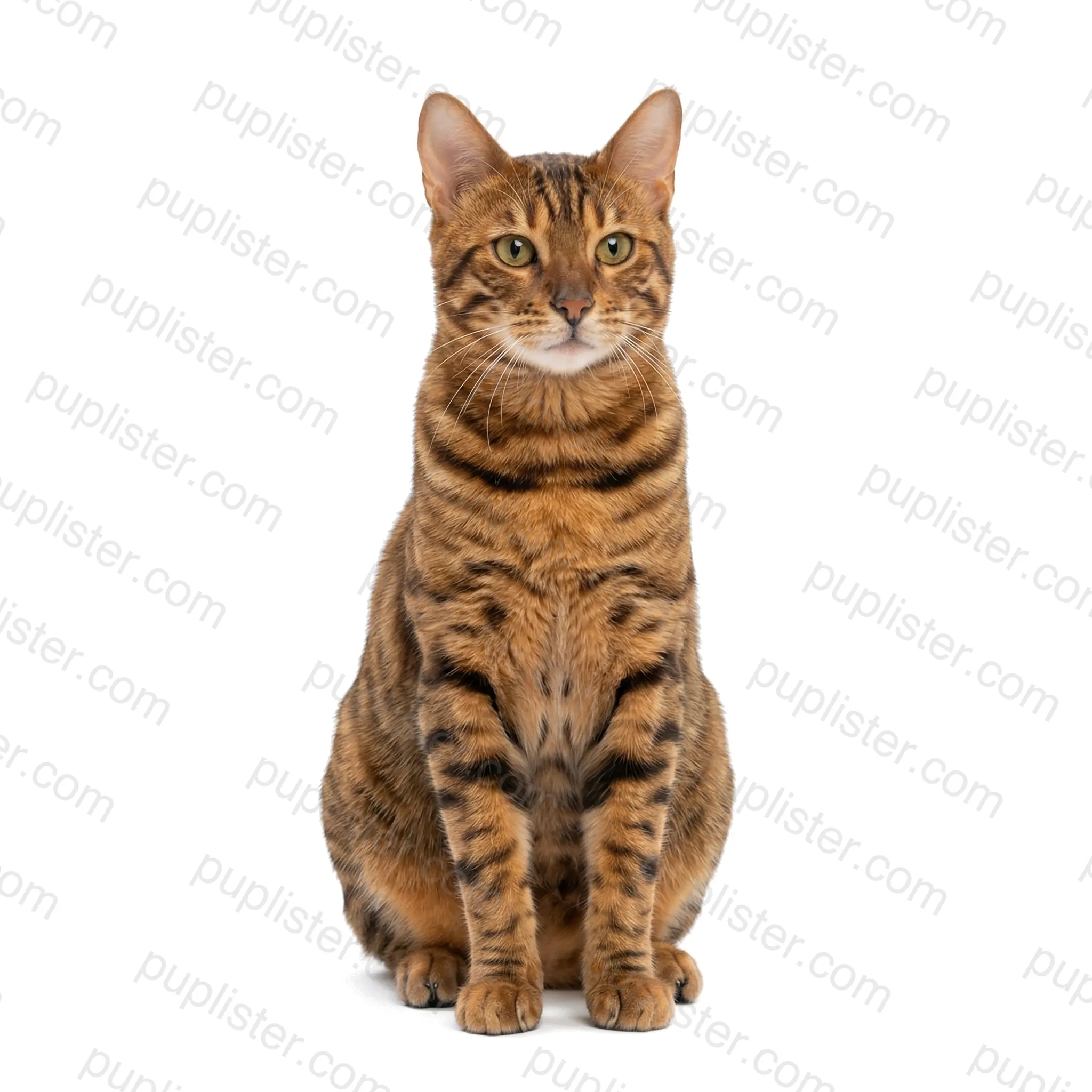
About the Toyger The Toyger — "toy tiger" — was developed beginning in 1993 by Judy Sugden in the United States, who selectively bred domestic shorthair tabbies to create a cat that resembles a miniature tiger. Weighing 7–15 pounds, this medium-to-large muscular cat features a long, low-slung body, small rounded ears, and a striking coat of bold, vertically aligned dark stripes (called "branching") on a vivid orange-tan background with a white-lightened belly — the goal being as close to a tiger's pattern as possible.Temperament & PersonalityDespite their wild appearance, Toygers are easygoing, friendly cats that enjoy human company and adapt well to indoor living. They are intelligent and trainable, readily learning to walk on a leash, play fetch, and perform tricks. Social and relaxed, they do well with children and other pets, showing none of the intensity of actual wild-hybrid breeds.ProsSpectacular tiger-like appearance with no wild cat bloodlinesLaid-back and friendly — easier to manage than most exotic-looking breedsIntelligent and trainable — enjoys learning tricks and leash walkingShort coat requires minimal groomingConsVery rare and expensive — limited availability through breedersBreed is still in development — the gene pool remains smallMay inherit heart murmurs from some breeding linesHigh price tag and rarity make adoption opportunities uncommonWant a living room tiger without the wild side? Keep an eye on Puplister for Toyger cats and kittens seeking loving homes.

Ragamuffin

1 pet available

2

About the Ragamuffin The Ragamuffin emerged in the 1990s as a separate breed from the Ragdoll, developed by breeders who wanted to expand the gene pool and introduce a wider array of colors and patterns. This is a large, heavy cat — weighing 10–20 pounds — with a broad chest, substantial bone structure, and a plush, rabbit-soft coat that resists matting. Ragamuffins come in every color and pattern, including mink, sepia, solid, and bicolor variations not found in Ragdolls.Temperament & PersonalityRagamuffins are exceptionally docile, trusting cats often described as "puppy-like" in their devotion. They greet visitors at the door, follow family members from room to room, and love being held — often going completely limp when picked up. Their patience and gentle nature make them outstanding companions for children and multi-pet households.ProsIncredibly gentle and patient — one of the best breeds for families with young childrenPlush coat resists matting and requires only moderate groomingAvailable in virtually every color and pattern imaginableAdaptable and easygoing — adjusts well to new environments and routinesConsLarge appetite and tendency toward obesity require careful portion controlTrusting nature means they have zero street smarts — strictly indoor onlyProne to hypertrophic cardiomyopathy and polycystic kidney diseaseSlow to mature — does not reach full size and coat until about four years oldReady for a big, cuddly companion who adores everyone? Explore Ragamuffin cats looking for loving homes on Puplister.

Turkish Angora

4 pets available

4

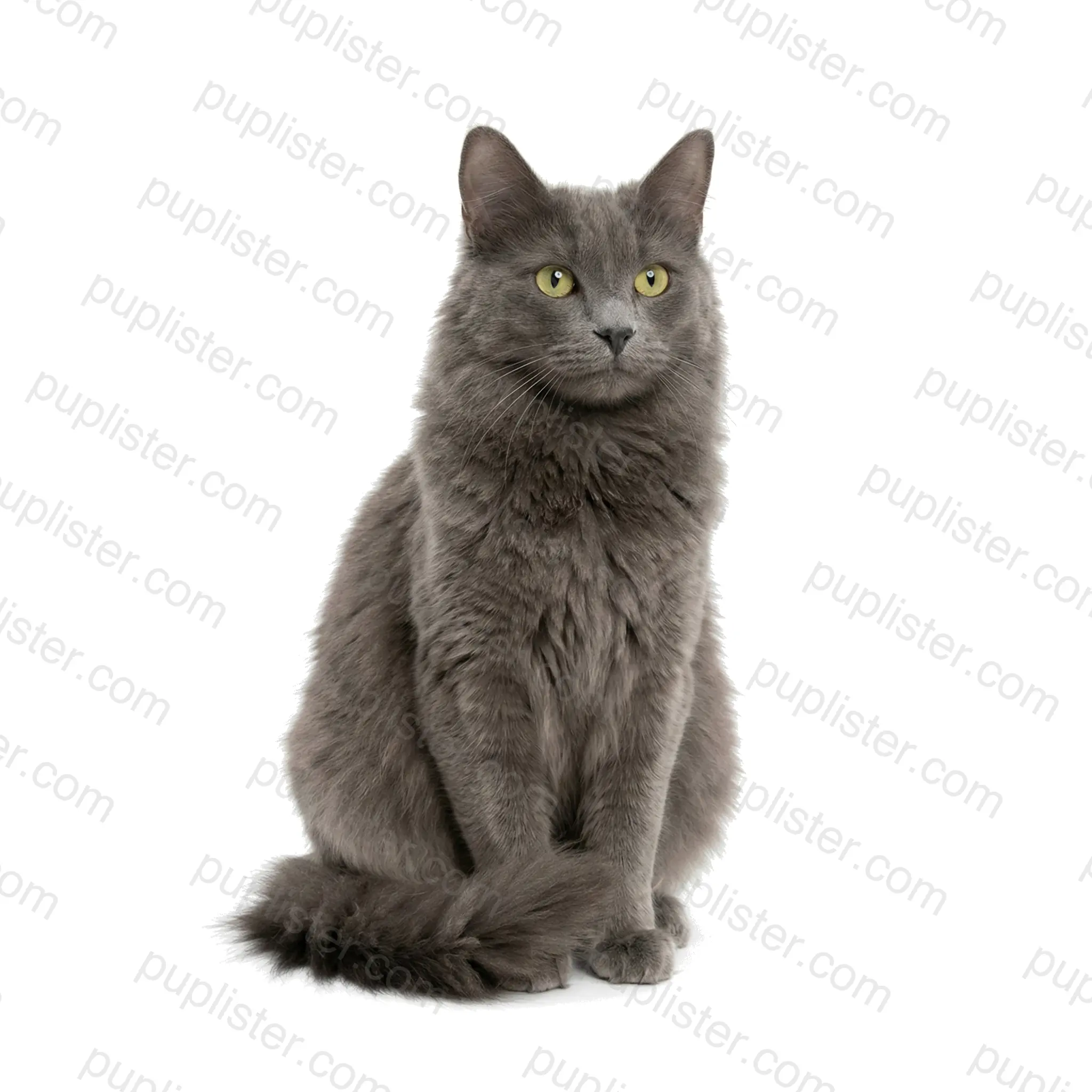
About the Turkish Angora The Turkish Angora is an ancient, naturally occurring breed from central Turkey — specifically the Ankara region — and is one of the oldest known longhaired cat breeds. This small-to-medium cat weighs 5–10 pounds and possesses a graceful, balletic build with a long, plumed tail, silky single-layer coat (no undercoat), and large, walnut-shaped eyes. While white is the most iconic color — often with striking odd eyes (one blue, one amber) — Turkish Angoras come in nearly every color and pattern except pointed.Temperament & PersonalityTurkish Angoras are spirited, intelligent cats that love to be at the center of the action. They are natural athletes — leaping to the highest shelf, opening doors, and inventing games to entertain themselves. Affectionate and strong-willed, they will happily greet guests and supervise every household activity, often choosing one family member as their primary favorite.ProsElegant, silky coat has no undercoat — sheds less and rarely matsHighly intelligent and entertaining — always inventing new games and tricksSocial and welcoming with guests and family alikeNaturally healthy breed with excellent longevity — many live 15–20 yearsConsWhite cats with blue eyes have a high incidence of congenital deafnessStrong-willed and mischievous — can be stubborn about rulesDemands attention and may become disruptive if ignoredProne to ataxia (a hereditary neurological condition) in some linesEntranced by this ancient Turkish treasure? Find Turkish Angora cats looking for loving homes on Puplister and add a touch of grace to your life.

Siamese
Siamese Cat

108 pets available

43

About the Siamese The Siamese is one of the most iconic and ancient cat breeds, originating in the kingdom of Siam (now Thailand) and first documented in the Tamra Maew ("The Cat-Book Poems") dating to the 14th century. This sleek, muscular cat weighs 6–14 pounds and is immediately recognizable by its striking colorpoint pattern — a pale cream or fawn body with darker coloring on the face, ears, paws, and tail. The four traditional point colors are seal, chocolate, blue, and lilac, all paired with vivid sapphire-blue almond-shaped eyes.Temperament & PersonalitySiamese cats are among the most vocal and opinionated cats in the world — they will narrate their day in a loud, distinctive raspy voice and expect you to listen. They are fiercely loyal, deeply social, and form intense bonds with their owners, often becoming a one-person cat. Intelligent and active, they need constant stimulation and do best with a companion — whether human, feline, or canine.ProsStrikingly beautiful with mesmerizing blue eyes and elegant linesExceptionally intelligent — can learn tricks, walk on a leash, and solve puzzle toysDeeply bonded and loyal to their chosen personShort, fine coat requires almost no groomingConsExtremely vocal — constant loud meowing is not for everyoneProne to severe separation anxiety and can become destructive when left aloneSusceptible to amyloidosis, asthma, progressive retinal atrophy, and crossed eyesDemanding of attention — may become jealous of other pets or family membersReady for a devoted, chatty companion who will never let you feel alone? Find Siamese cats waiting for their forever families on Puplister.

Related Articles

Frequently Asked Questions

What are the key traits of a Sphynx?
The Sphynx is known for being social, energetic, curious and affectionate.
How many Sphynxes are available for adoption?
There is currently 1 Sphynx available for adoption on Puplister. Browse the listings above to find your perfect match.
How do I adopt a Sphynx from Puplister?
To adopt a Sphynx, browse the available listings on this page, click on a pet you're interested in, and contact the shelter directly through their profile page.