Donskoy vs Russian Blue

Which cat breed is right for you?

Donskoy

Size
6–12 lbs
Lifespan
12–15 years
Exercise
Moderate
Grooming
Moderate
Good with Kids
Yes
Good with Pets
Yes
Friendly Intelligent Affectionate Social

Russian Blue

Size
7–12 lbs
Lifespan
15–20 years
Exercise
Moderate
Grooming
Low
Good with Kids
Yes
Good with Pets
Yes
Quiet Gentle Shy Loyal

About the Donskoy

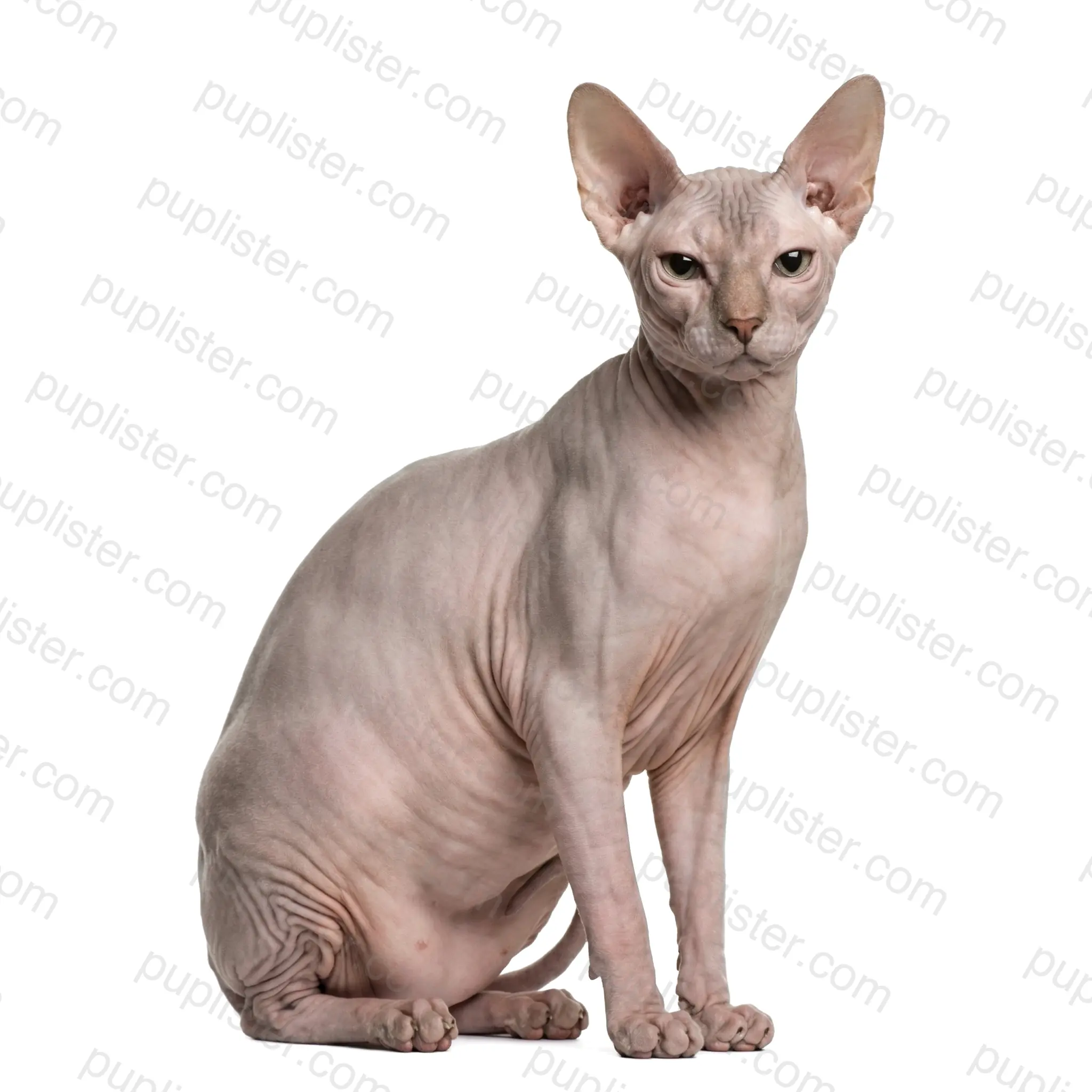
The Donskoy — also called the Don Sphynx — originated in 1987 in Rostov-on-Don, Russia, when a rescued kitten named Varvara began losing her fur due to a dominant hairless gene unrelated to the Sphynx's recessive gene. This medium-sized breed weighs 6–12 pounds and has a muscular, elegant body with wrinkled, warm skin and long, webbed toes. Their skin can present in four types: rubber bald (completely hairless), flock (fine peach fuzz), velour (short woolly coat that thins with age), and brush (wiry partial coat).

Temperament & Personality

Donskoy cats are exceptionally intelligent, social, and affectionate — they bond deeply with their families and are known for their dog-like loyalty. They are gentle with children and get along well with other pets, including dogs, as they are rarely aggressive. Their warm, friendly nature and love of human contact make them outstanding companions for people who want an interactive pet.

Pros

  • Dominant hairless gene means even carrier kittens show the trait — easier to breed predictably
  • Extremely affectionate and loyal — thrives on close human contact
  • Highly intelligent and can learn tricks and respond to voice commands
  • Warm, soft skin feels like heated suede — uniquely pleasant to touch

Cons

  • Requires regular bathing every 1–2 weeks to manage skin oil buildup
  • Extremely sensitive to temperature — needs sweaters in winter and sunscreen in summer
  • Prone to dental issues, skin infections, and ectodermal dysplasia
  • Very rare outside of Russia and Eastern Europe — difficult to find for adoption

Intrigued by the Donskoy's unique charm? Explore hairless breeds and more on Puplister.
About the Russian Blue

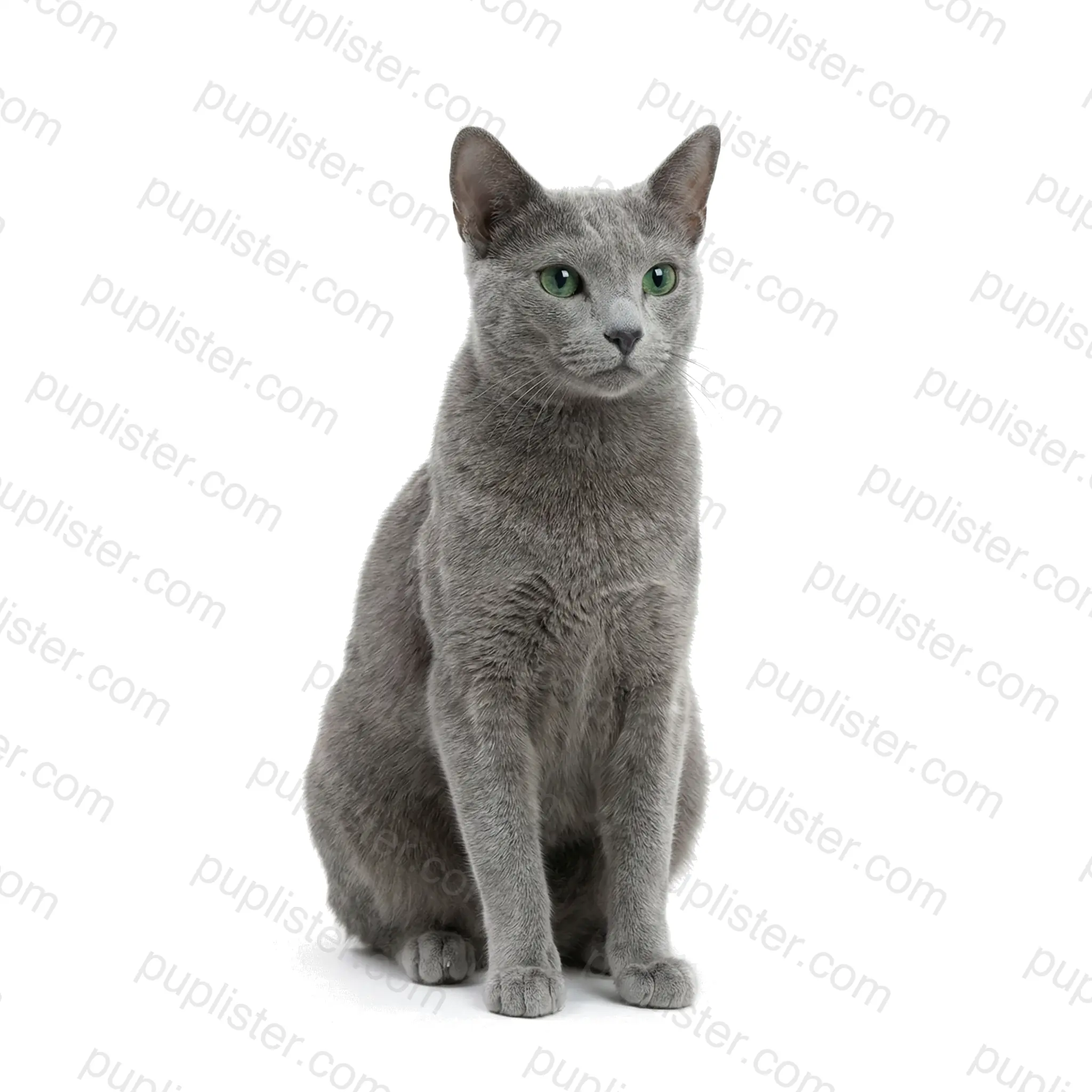
The Russian Blue is a naturally occurring breed believed to have originated in the port city of Arkhangelsk (Archangel) in northern Russia, arriving in Europe aboard trade ships in the 1860s. This medium-sized cat weighs 7–12 pounds and is renowned for its dense, plush double coat of uniform blue-gray with silver-tipped guard hairs that give it a luminous shimmer. Its vivid emerald-green eyes, wedge-shaped head, and enigmatic "Mona Lisa smile" complete an unmistakably elegant look.

Temperament & Personality

Russian Blues are gentle, reserved cats that are intensely loyal to their families yet cautious around strangers. They are creatures of habit who thrive on routine — eating at the same time, playing in the same spots, and sleeping in their preferred perch. Once bonded, they are affectionate and playful, often fetching toys and entertaining themselves with quiet grace.

Pros

  • Produces lower levels of the Fel d 1 allergen — better tolerated by some allergy sufferers
  • Dense double coat is low-shedding and virtually maintenance-free
  • Quiet and well-mannered — rarely destructive or excessively vocal
  • Long-lived breed with few genetic health issues — many reach 15–20 years

Cons

  • Shy and reserved with strangers — may hide during gatherings or parties
  • Sensitive to change — can become stressed by moves, new pets, or schedule disruptions
  • Prone to overeating and weight gain if food is left out freely
  • Can be slow to warm up to new family members or housemates

Charmed by those emerald eyes and silver-tipped fur? Find Russian Blue cats ready for their forever homes on Puplister.

Available for Adoption

0

Donskoys

9

Russian Blues

Browse

Related Articles

All Articles →

Frequently Asked Questions

What is the difference between a Donskoy and a Russian Blue?
The Donskoy is 6–12 lbs sized while the Russian Blue is 7–12 lbs sized. They differ in size (6–12 lbs vs 7–12 lbs), lifespan (12–15 years vs 15–20 years), and care requirements.
Which breed is better with kids, Donskoy or Russian Blue?
Donskoy is generally good with kids. Russian Blue is generally good with kids.
Which breed lives longer, Donskoy or Russian Blue?
The Donskoy has a lifespan of 12–15 years while the Russian Blue has a lifespan of 15–20 years.

Find Your Perfect Pet

Browse thousands of adoptable pets from shelters near you.

Browse Cats