Maltese vs Siberian Husky

Which dog breed is right for you?

Maltese

Size
4–7 lbs, 7–9 in
Lifespan
12–15 years
Exercise
Low
Grooming
High
Good with Kids
No
Good with Pets
Yes
Gentle Playful Charming Devoted

Siberian Husky

Size
35–60 lbs, 20–24 in
Lifespan
12–14 years
Exercise
Very High
Grooming
High
Good with Kids
Yes
Good with Pets
No
Outgoing Mischievous Loyal Friendly

About the Maltese

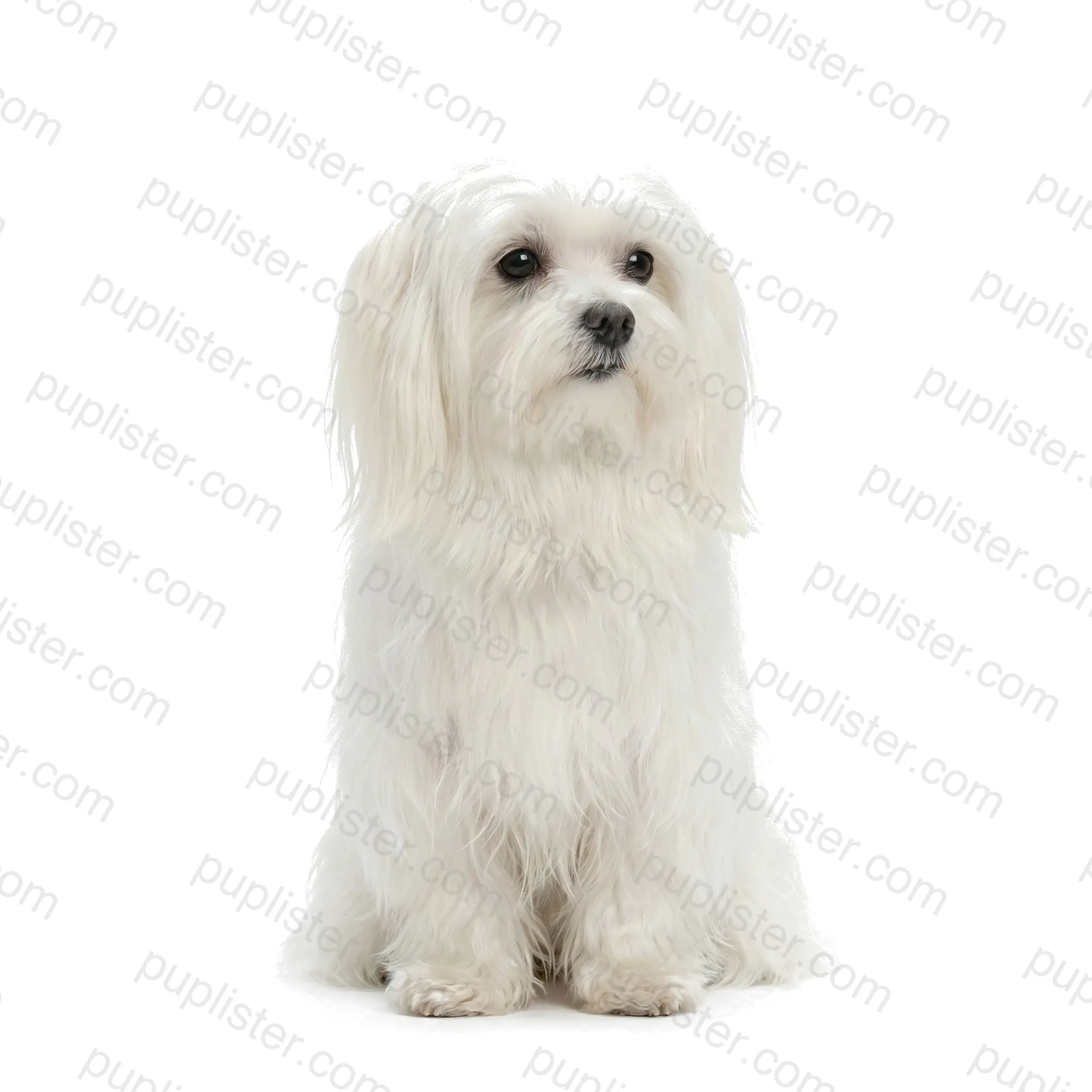
The Maltese is one of the most ancient toy breeds — pampered by royalty and aristocrats across the Mediterranean for at least 2,000 years, with origins possibly linked to the island of Malta, though their exact birthplace remains debated by historians. Standing 7–9 inches tall and weighing just 4–7 pounds, these delicate dogs are draped in a stunning floor-length coat of pure, silky white hair that flows like a mantle — completely lacking an undercoat, which gives the hair its signature straight, silky texture. Their dark, round eyes and black button nose set against the brilliant white coat create a face of undeniable charm.

Temperament & Personality

Maltese are lively, playful, and remarkably fearless for their tiny size — they carry themselves with an aristocratic confidence that has charmed dog lovers for millennia. They are deeply devoted to their owners and thrive on attention, often developing a charming repertoire of tricks and antics to keep the spotlight on themselves. While generally friendly, they can be suspicious of strangers and intolerant of rough handling, making them better suited to households with older children or adults.

Pros

  • Hypoallergenic coat — no undercoat means minimal shedding and reduced allergen production
  • Compact size and low exercise needs — thrives in apartments and small living spaces
  • Long lifespan of 12–15 years with many individuals living well beyond that
  • Playful and entertaining personality without the hyperactivity of many small breeds

Cons

  • Luxurious white coat requires daily brushing, frequent baths, and professional grooming to prevent tangles and staining
  • Prone to tear staining — reddish-brown streaks below the eyes require constant maintenance
  • Susceptible to dental disease, patellar luxation, and liver shunt — a congenital condition common in the breed
  • Can develop small dog syndrome with excessive barking and snappiness if overindulged and under-trained

A Maltese could bring centuries of royal companionship into your home — explore adoptable Maltese dogs on Puplister.
About the Siberian Husky

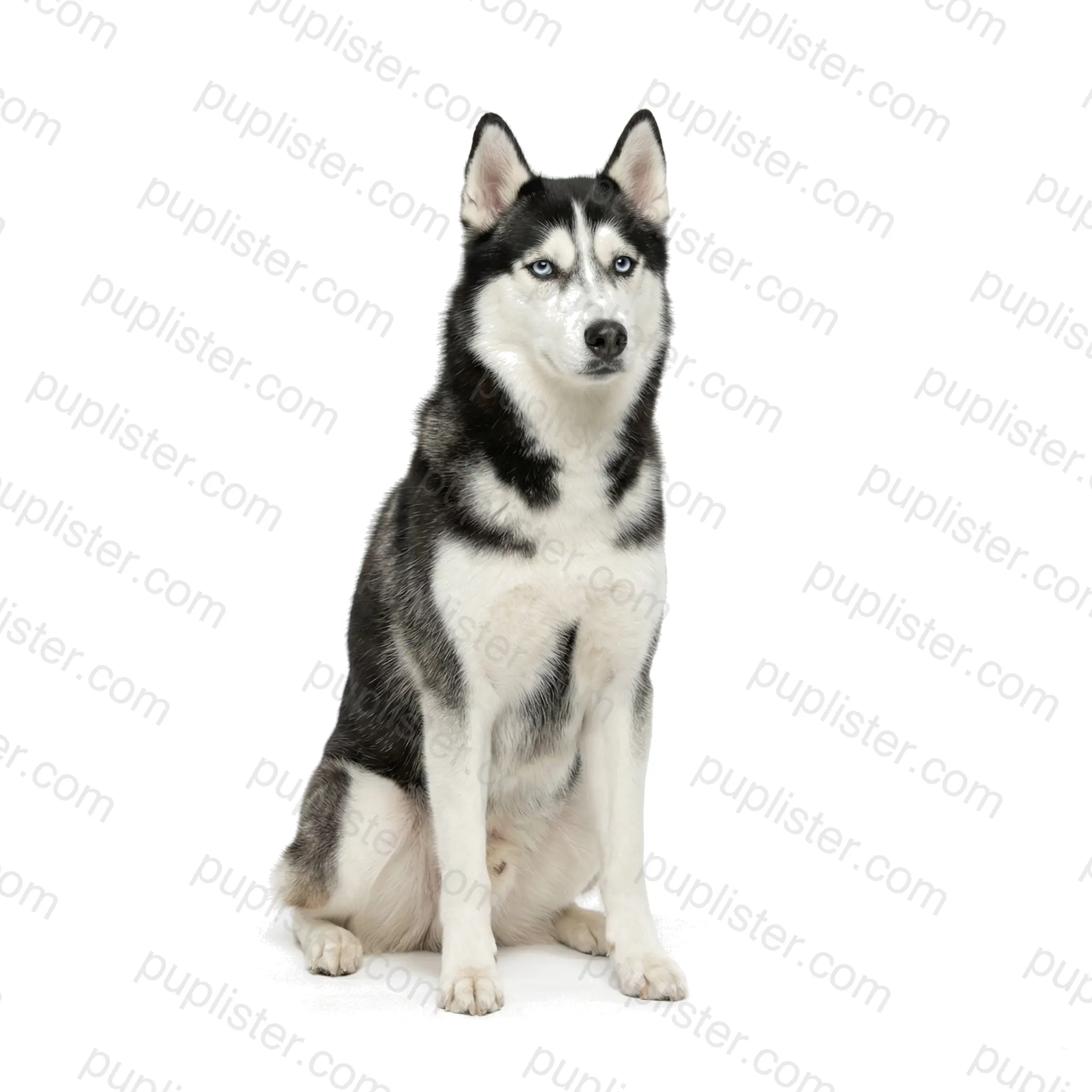
The Siberian Husky was developed over thousands of years by the Chukchi people of northeastern Siberia as an endurance sled dog capable of pulling light loads over vast frozen distances in extreme cold. These athletic, medium-sized dogs stand 20 to 23.5 inches tall and weigh 35 to 60 pounds, with a graceful, effortless gait that reflects their incredible stamina. Their thick double coat comes in virtually every color from pure white to black, often with striking facial markings, and their eyes can be brown, blue, or even one of each (heterochromia).

Temperament & Personality

Siberian Huskies are friendly, outgoing, and mischievous — pack-oriented dogs that love people and make terrible guard dogs because they greet everyone like a long-lost friend. They are playful and gentle with children and generally good with other dogs, though their high prey drive makes them a risk around cats and small animals. Huskies are intelligent but famously independent, preferring to make their own decisions rather than follow commands — a trait that requires patience and humor from their owners.

Pros

  • Friendly, social, and gentle with children and strangers alike
  • Naturally clean with little doggy odor — self-grooming like a cat
  • Outstanding endurance athlete for running, hiking, and winter sports
  • Healthy breed with a lifespan of 12 to 14 years

Cons

  • Extreme shedding — blows the entire undercoat twice yearly in massive quantities
  • Legendary escape artists — can jump fences, dig under them, and open latches
  • Strong prey drive makes them dangerous around cats, rabbits, and small animals
  • Not suited for hot climates and requires air conditioning in warm regions

The Siberian Husky's adventurous spirit and stunning beauty are irresistible — find Huskies seeking forever homes on Puplister.

Available for Adoption

46

Maltese

Browse

197

Siberian Huskies

Browse

Related Articles

All Articles →

Frequently Asked Questions

What is the difference between a Maltese and a Siberian Husky?
The Maltese is 4–7 lbs, 7–9 in sized while the Siberian Husky is 35–60 lbs, 20–24 in sized. They differ in size (4–7 lbs, 7–9 in vs 35–60 lbs, 20–24 in), lifespan (12–15 years vs 12–14 years), and care requirements.
Which breed is better with kids, Maltese or Siberian Husky?
Maltese is not typically good with kids. Siberian Husky is generally good with kids.
Which breed lives longer, Maltese or Siberian Husky?
The Maltese has a lifespan of 12–15 years while the Siberian Husky has a lifespan of 12–14 years.

Find Your Perfect Pet

Browse thousands of adoptable pets from shelters near you.

Browse Dogs