Why Is My Cat Sneezing So Much? Common Causes
Is your cat sneezing a lot? Learn common causes, from URIs to stress, and when to seek vet care for your cat's sneezing.
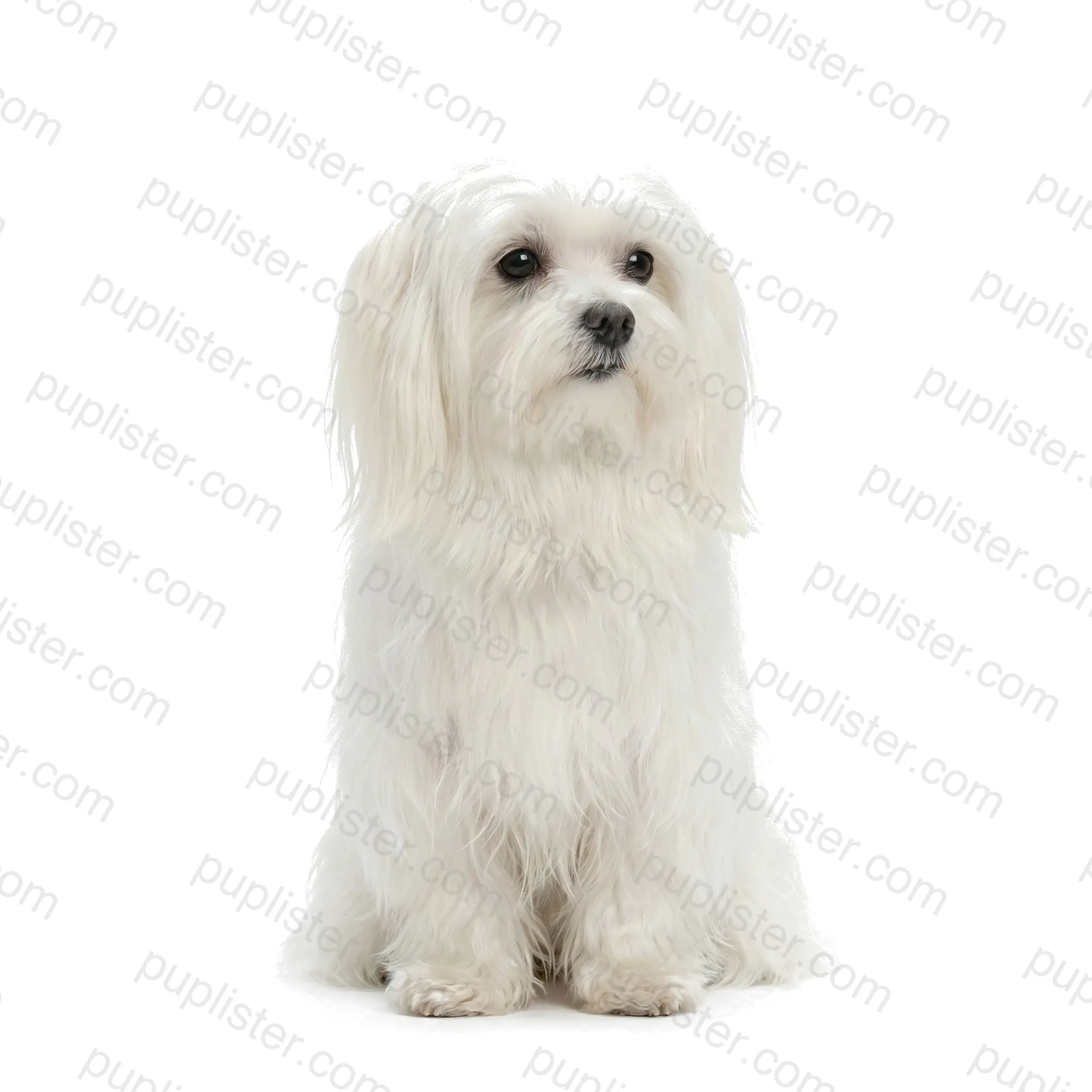
The Maltese is one of the most ancient toy breeds — pampered by royalty and aristocrats across the Mediterranean for at least 2,000 years, with origins possibly linked to the island of Malta, though their exact birthplace remains debated by historians. Standing 7–9 inches tall and weighing just 4–7 pounds, these delicate dogs are draped in a stunning floor-length coat of pure, silky white hair that flows like a mantle — completely lacking an undercoat, which gives the hair its signature straight, silky texture. Their dark, round eyes and black button nose set against the brilliant white coat create a face of undeniable charm.
Maltese are lively, playful, and remarkably fearless for their tiny size — they carry themselves with an aristocratic confidence that has charmed dog lovers for millennia. They are deeply devoted to their owners and thrive on attention, often developing a charming repertoire of tricks and antics to keep the spotlight on themselves. While generally friendly, they can be suspicious of strangers and intolerant of rough handling, making them better suited to households with older children or adults.
A Maltese could bring centuries of royal companionship into your home — explore adoptable Maltese dogs on Puplister.
Answer 5 quick questions to see how well this breed matches your lifestyle.
7 pets available
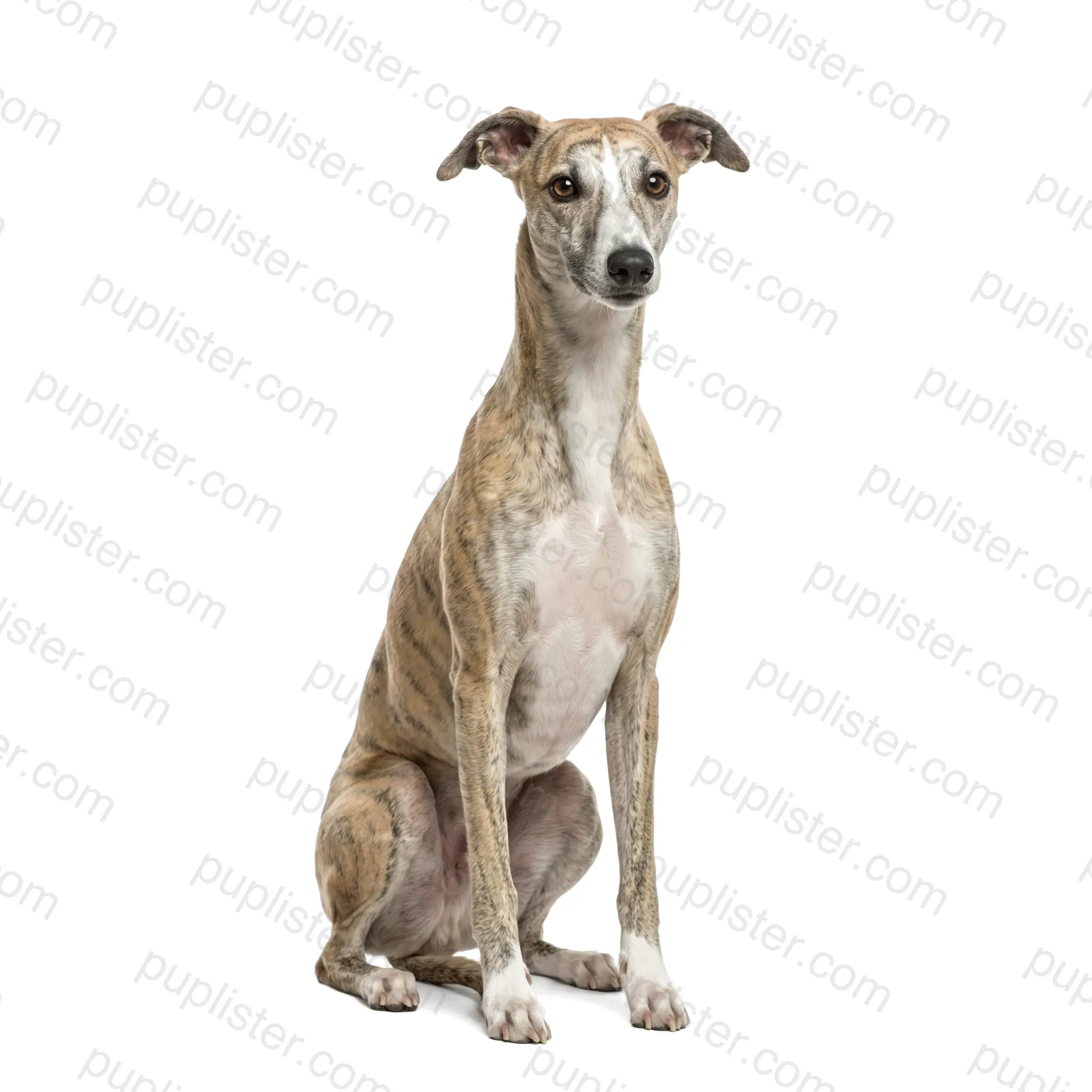
15About the Whippet The Whippet was developed in Victorian England by coal miners and mill workers who bred small Greyhounds with terriers to create an affordable racing and rabbit-coursing dog — earning the nickname "the poor man's racehorse." These elegant sighthounds stand 18 to 22 inches tall and weigh 25 to 40 pounds, with a streamlined, aerodynamic build capable of reaching speeds up to 35 miles per hour. Their short, smooth coat comes in virtually any color or pattern and lies close to the body, accentuating their graceful, muscular contours. Temperament & Personality Whippets are gentle, quiet, and remarkably calm indoors — often spending hours draped elegantly across furniture in poses that would make a greyhound proud. They are affectionate and sensitive with their families, good with children (though their slender build makes them vulnerable to rough play), and generally friendly with other dogs. Despite their sprinting ability, Whippets are surprisingly low-energy at home and are often described as the ideal apartment dog for owners who enjoy outdoor exercise. Pros Extremely calm and quiet indoors — one of the most unobtrusive housematesShort, low-maintenance coat with minimal shedding and no doggy odorGentle, affectionate nature — rarely aggressive toward people or other dogsHealthy breed with a long lifespan of 12 to 15 years Cons Intense prey drive — will chase and potentially catch small animals including catsThin skin and low body fat make them sensitive to cold and prone to scrapesCannot be trusted off-leash in unfenced areas — once they run, they cannot hear youSusceptible to anesthesia sensitivity and cardiac arrhythmias Whippets are the perfect blend of couch companion and outdoor athlete — find one looking for a home on Puplister.
14 pets available
17About the Shiba Inu The Shiba Inu is Japan's oldest and smallest native breed, originally bred to flush birds and small game in the dense mountain underbrush — "shiba" may refer to brushwood or the breed's red color, while "inu" simply means dog. These compact, agile dogs stand 13.5 to 16.5 inches tall and weigh 17 to 23 pounds, with a fox-like face, small triangular ears, and a curled tail. Their stiff, plush double coat comes in red, sesame, black and tan, or cream, with distinctive "urajiro" (cream to white ventral markings). Temperament & Personality Shiba Inus are bold, alert, and fiercely independent — often described as more cat-like than dog-like in their self-possession and fastidious grooming habits. They are loyal to their families but on their own terms, and their strong-willed nature means they do not blindly follow commands. Shibas are known for the infamous "Shiba scream" — a loud, distinctive vocalization produced when displeased or overjoyed — and they can be aloof with strangers and sometimes aggressive toward other dogs. Pros Naturally clean and almost cat-like — easy to housetrain and self-groomingCompact, manageable size for apartments with adequate exerciseLoyal and devoted to their family once trust is establishedHealthy breed with a long lifespan of 13 to 16 years Cons Extremely independent and stubborn — not recommended for first-time ownersStrong prey drive and unreliable recall make off-leash freedom riskyCan be possessive of food, toys, and territory (resource guarding)Prone to allergies, patellar luxation, and hip dysplasia The Shiba Inu's spirited independence and striking looks have won fans worldwide — discover Shibas on Puplister.
13 pets available
23About the Weimaraner The Weimaraner was developed in the early 19th century at the court of Weimar in Germany, where nobles bred these dogs to hunt large game — boar, bear, and deer — before transitioning them to bird dog duties as large game became scarce. These striking, athletic dogs stand 23 to 27 inches tall and weigh 55 to 90 pounds, with a sleek, powerful build designed for speed and endurance. Their distinctive short, smooth coat comes in shades of mouse-gray to silver-gray — earning them the nickname "Gray Ghost" — complemented by striking amber or blue-gray eyes. Temperament & Personality Weimaraners are fearless, friendly, and intensely devoted to their families — they crave human companionship and do not do well as kennel or outdoor-only dogs. They are energetic and playful with children, generally sociable with other dogs, and possess an intelligence that demands both physical and mental outlets. Without adequate exercise and attention, Weimaraners become anxious, destructive, and can develop severe behavioral problems. Pros Strikingly beautiful with an unmistakable silver-gray appearanceVersatile sporting dog — excellent for hunting, running, and competitive eventsHighly intelligent and trainable with consistent, positive methodsShort coat requires minimal grooming and sheds only moderately Cons Extreme separation anxiety — one of the most prone breeds to this conditionRequires intense daily exercise — 2 or more hours of vigorous activity is typicalProne to bloat (gastric torsion), hip dysplasia, and hyperuricosuriaCan be destructive on a grand scale when bored or anxious — has been known to eat through drywall The "Gray Ghost" is a magnificent companion for the active and committed — discover Weimaraners on Puplister.
236 pets available
273About the Siberian Husky The Siberian Husky was developed over thousands of years by the Chukchi people of northeastern Siberia as an endurance sled dog capable of pulling light loads over vast frozen distances in extreme cold. These athletic, medium-sized dogs stand 20 to 23.5 inches tall and weigh 35 to 60 pounds, with a graceful, effortless gait that reflects their incredible stamina. Their thick double coat comes in virtually every color from pure white to black, often with striking facial markings, and their eyes can be brown, blue, or even one of each (heterochromia). Temperament & Personality Siberian Huskies are friendly, outgoing, and mischievous — pack-oriented dogs that love people and make terrible guard dogs because they greet everyone like a long-lost friend. They are playful and gentle with children and generally good with other dogs, though their high prey drive makes them a risk around cats and small animals. Huskies are intelligent but famously independent, preferring to make their own decisions rather than follow commands — a trait that requires patience and humor from their owners. Pros Friendly, social, and gentle with children and strangers alikeNaturally clean with little doggy odor — self-grooming like a catOutstanding endurance athlete for running, hiking, and winter sportsHealthy breed with a lifespan of 12 to 14 years Cons Extreme shedding — blows the entire undercoat twice yearly in massive quantitiesLegendary escape artists — can jump fences, dig under them, and open latchesStrong prey drive makes them dangerous around cats, rabbits, and small animalsNot suited for hot climates and requires air conditioning in warm regions The Siberian Husky's adventurous spirit and stunning beauty are irresistible — find Huskies seeking forever homes on Puplister.
Is your cat sneezing a lot? Learn common causes, from URIs to stress, and when to seek vet care for your cat's sneezing.
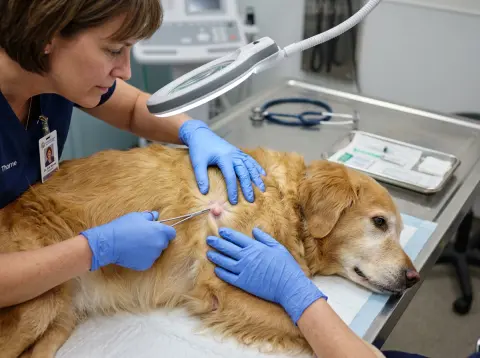
Found a lump on your dog? Learn when to worry and when to wait for a lump on my dog, especially for adopted pets with unknown histories.
Considering getting a pet after divorce for healing and companionship? Learn crucial timing, how to choose the right pet from a shelter, and practical.
Worried about your cat throwing up after eating? Learn the common and serious causes of feline regurgitation and vomiting, plus expert vet tips for.