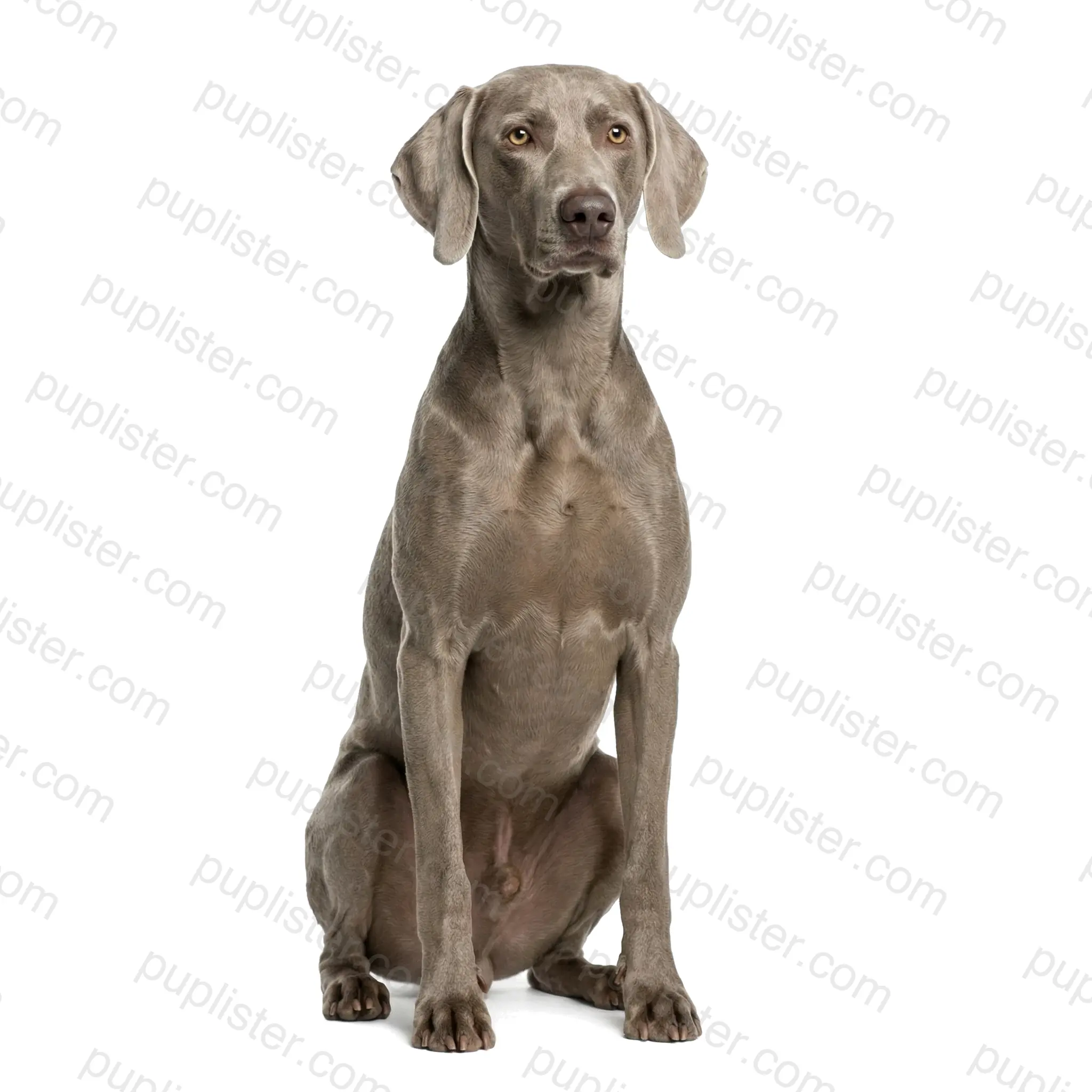
American Pit Bull Terrier American Pit Bull Terrier

American Pit Bull Terrier

4
Affectionate Energetic Confident Loyal

About the American Pit Bull Terrier

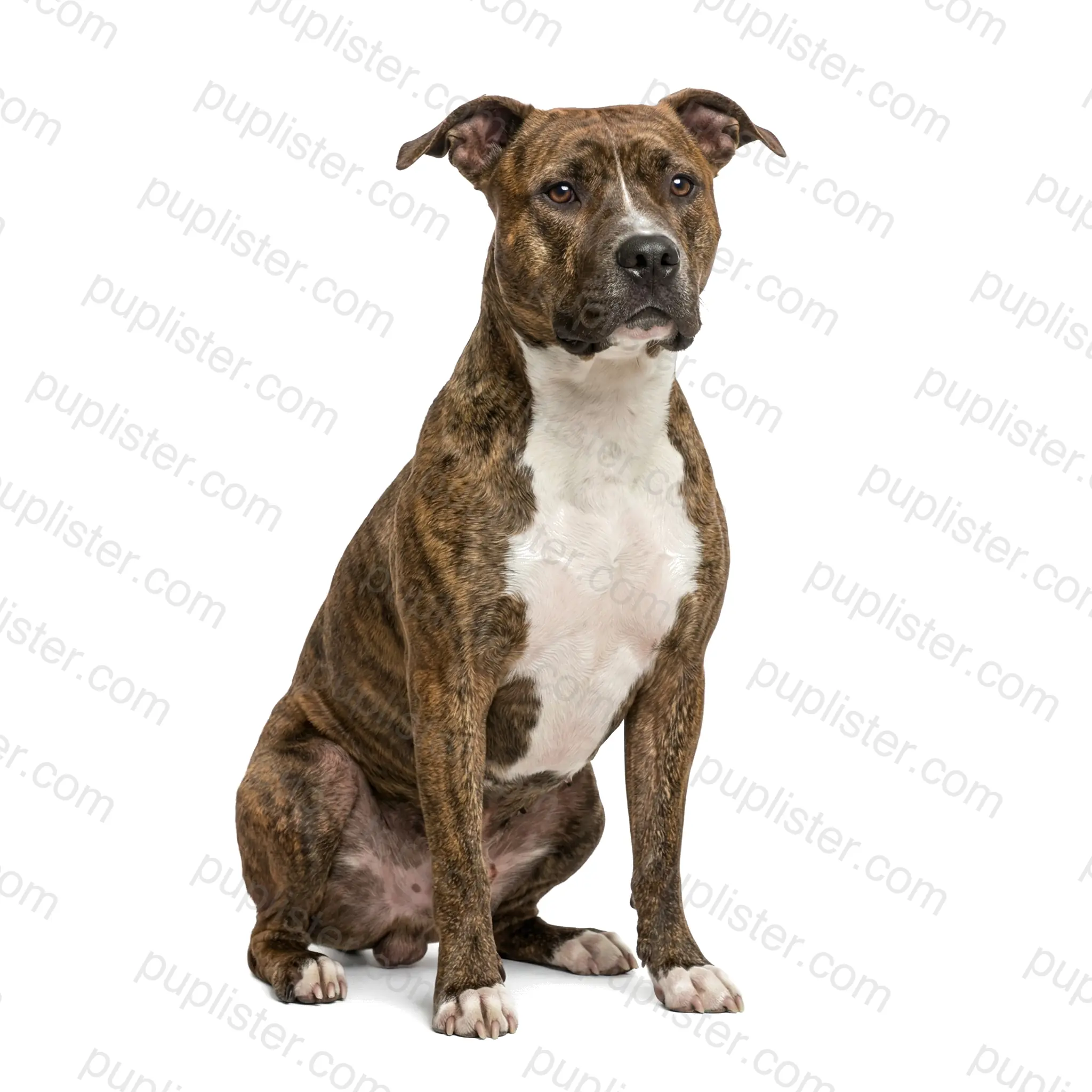
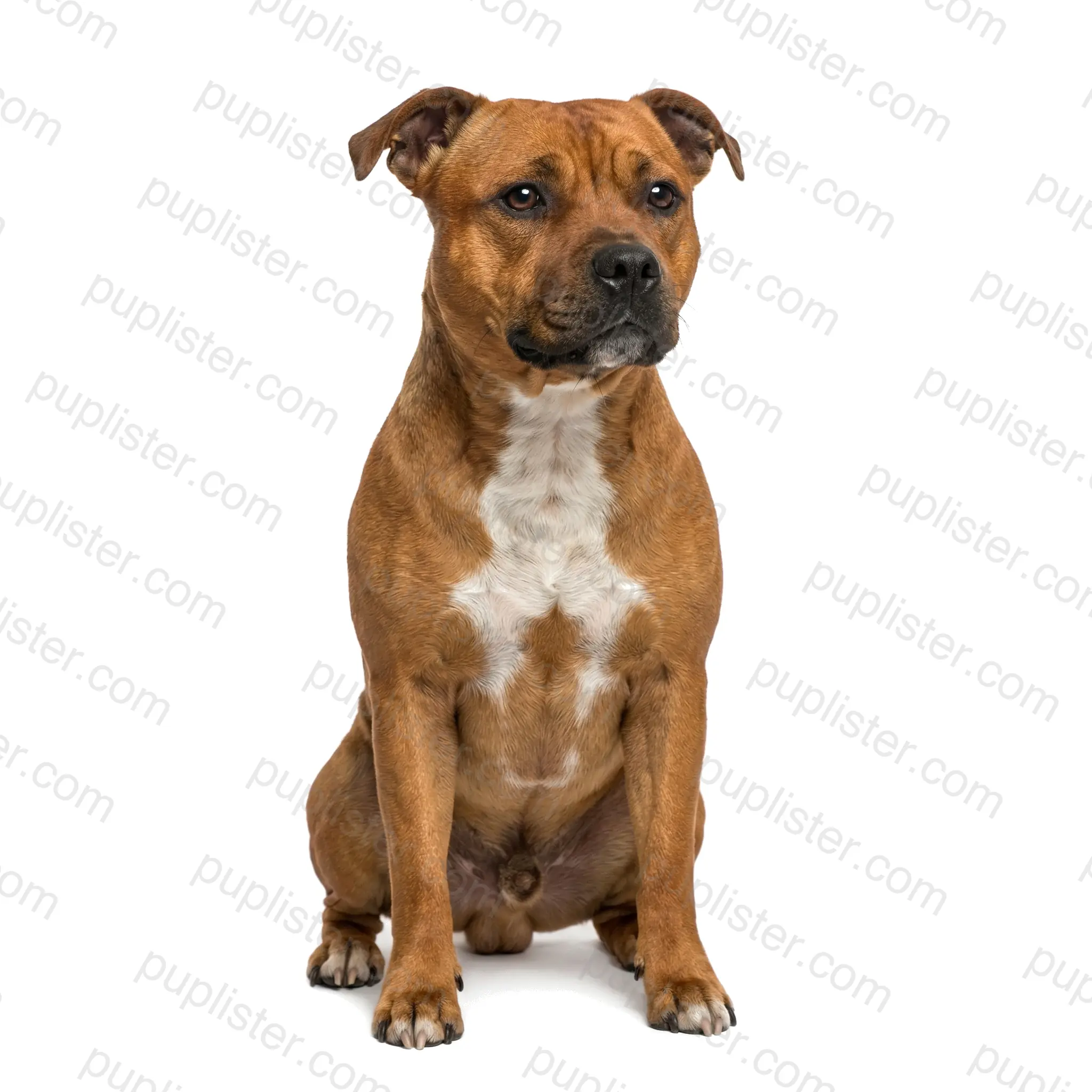
The American Pit Bull Terrier traces its roots to 19th-century England, where Bulldogs and Terriers were crossed to create a dog combining strength with agility. Standing 17–21 inches tall and weighing 30–60 pounds, the APBT is a medium-sized, solidly built dog with a broad chest and well-defined musculature. Their short, glossy coat comes in virtually every color and pattern — including blue, red, brindle, and merle — and is exceptionally easy to maintain.

Temperament & Personality

Despite their often-misunderstood reputation, American Pit Bull Terriers are among the most people-oriented breeds — they are affectionate, eager to please, and frequently described as "nanny dogs" for their gentleness with children. They are intelligent, loyal, and enthusiastic about training when given positive reinforcement. However, some individuals may exhibit dog-selectivity, and responsible ownership includes understanding their terrier-driven tenacity.

Pros

  • Extremely affectionate and loyal — they bond deeply with every family member
  • Highly trainable and eager to please, excelling in obedience and nosework
  • Low grooming needs with their short, easy-care coat
  • Athletic and energetic — outstanding companion for active lifestyles

Cons

  • Subject to breed-specific legislation and housing restrictions in many areas
  • May develop dog-selectivity, requiring careful management around other dogs
  • Strong and powerful — not ideal for physically frail owners
  • Prone to skin allergies, hip dysplasia, and congenital heart disease

These loving, misunderstood dogs deserve wonderful homes — browse adoptable Pit Bull Terriers on Puplister today.

American Pit Bull Terrier Quick Facts

Size
30–65 lbs, 17–21 in
Lifespan
12–16 years
Exercise
High
Grooming
Low
Good with Kids
Yes
Good with Pets
Not recommended

Is the American Pit Bull Terrier right for you?

Answer 5 quick questions to see how well this breed matches your lifestyle.

Take the Quiz

Available American Pit Bull Terriers

Darian
Baby
Darian
S

Poodle / American Pit Bull Terrier

Tail Waggers 911 · Grafton, WI
Byrd
Young
Byrd
L

American Pit Bull Terrier

Oakland Animal Services · Oakland, CA
Queenie
Young

American Pit Bull Terrier

Hayward Animal Services Bureau · Hayward, CA
Meatball
Adult

American Pit Bull Terrier

Marion County Animal Services · Ocala, FL
Ember
Adult
Ember
L

American Pit Bull Terrier

Code Red K9 Crew · Redlands, CA
Marisol
Young

Siberian Husky / American Pit Bull Terrier

Oakland Animal Services · Oakland, CA
Bentley
Young

American Pit Bull Terrier

Harbor Animal Care And Control Center · San Pedro, CA

Related Breeds

Mastiff
Mastiff Dog

9 pets available

2

About the Mastiff The English Mastiff is one of the most ancient and massive dog breeds, with roots tracing back over 2,000 years to ancient Britain and possibly earlier Molosser-type dogs of Asia. Males commonly weigh 160 to 230 pounds and stand 30 inches or taller at the shoulder, making them among the heaviest domestic dogs in the world. Their short, dense double coat comes in fawn, apricot, or brindle — always with a distinctive dark mask on the face. Temperament & Personality Despite their imposing size, Mastiffs are famously gentle, calm, and deeply loyal — often called "gentle giants" with good reason. They are patient and protective with children in their family, though their sheer mass means supervision around small kids is wise. Mastiffs tend to be reserved with strangers but rarely aggressive, preferring to position themselves between their family and any perceived threat. Pros Naturally protective without needing guard trainingSurprisingly low energy indoors — content to lounge for hoursGentle and patient temperament ideal for familiesShort coat requires only basic weekly brushing Cons Massive food bills — adult Mastiffs eat 6 to 10 cups of food dailyShorter lifespan of 6 to 10 years typical of giant breedsProne to hip dysplasia, bloat (gastric torsion), and heart conditionsExcessive drooling is a constant reality with this breed Ready to welcome a magnificent gentle giant into your home? Explore Mastiff adoption opportunities on Puplister.

American Bulldog

23 pets available

About the American Bulldog The American Bulldog is a muscular, athletic breed descended from the Old English Bulldog, brought to the American South by working-class immigrants in the 17th and 18th centuries. These powerful dogs stand 20–28 inches tall and weigh between 60 and 120 pounds, with males being significantly larger than females. They have a short, smooth coat that comes in white, white with patches of brindle, red, brown, or fawn — and requires minimal grooming beyond regular brushing.Temperament & PersonalityAmerican Bulldogs are confident, loyal, and deeply devoted to their families — they form strong bonds and are known for their gentle, protective nature around children. They are alert and courageous, making them natural watchdogs, but they are also surprisingly affectionate and enjoy being close to their people. Early socialization is essential, as they can be wary of unfamiliar dogs and strangers without proper exposure.ProsExcellent family guardian with a strong protective instinctLow-maintenance coat that requires only occasional brushingAthletic and versatile — thrives in activities like weight-pulling and agilityDeeply affectionate and gentle with children in the householdConsRequires firm, consistent training from an experienced owner to manage their strengthCan be prone to dog aggression without thorough early socializationSubject to breed-specific legislation in some areasProne to hip and elbow dysplasia, ACL tears, and cherry eyeGive a strong, loving American Bulldog a second chance — find adoptable American Bulldogs on Puplister.

Flat-Coated Retriever

2 pets available

1

About the Flat-Coated Retriever The Flat-Coated Retriever — often called the "Peter Pan of the dog world" — was developed in 19th-century England as a dual-purpose retriever for both land and water work. Standing 22–24.5 inches tall and weighing 60–70 pounds, this elegant sporting dog wears a lustrous, flat-lying coat of solid black or liver that gives the breed its name. Once the most popular retriever in Britain before being eclipsed by Labradors and Goldens, the Flat-Coat remains a hidden gem among sporting breeds.Temperament & PersonalityFlat-Coated Retrievers are famously exuberant and retain their puppy-like enthusiasm well into old age — a trait that delights their owners but demands patience. They are outgoing, optimistic dogs that greet virtually everyone — family, friends, and strangers alike — with unbridled joy and a wagging tail. Their gentle, playful nature makes them excellent family dogs, though their boisterous energy may overwhelm very young children.ProsPerpetually cheerful and optimistic temperament — a natural mood booster for the householdExcellent with children and other dogs — rarely shows aggressionVersatile sporting dog — excels in field trials, agility, obedience, and therapy workBeautiful, easy-care coat that requires only moderate groomingConsTragically high cancer rates — histiocytic sarcoma and other cancers claim many before age 8Average lifespan of just 8–10 years — significantly shorter than similar-sized breedsSlow to mature mentally and physically — can be challenging during the extended adolescent phasePoor watchdog — greets intruders with the same enthusiasm as family membersGive a joyful Flat-Coated Retriever the loving home they deserve — check available dogs on Puplister today.

Labradoodle

2 pets available

1

About the Labradoodle The Labradoodle was first intentionally bred in 1989 by Wally Conron of the Royal Guide Dogs Association of Australia, who crossed a Standard Poodle with a Labrador Retriever to create a guide dog suitable for a visually impaired woman whose husband had dog allergies. They vary widely in size — Miniature (15–25 pounds), Medium (30–45 pounds), and Standard (50–65 pounds) — and their coats range from flat and hair-like to loose waves to tight curls, in colors including cream, gold, chocolate, black, red, and parti-color. As a crossbreed, their appearance and temperament are less predictable than purebred dogs.Temperament & PersonalityLabradoodles typically combine the Labrador's friendly eagerness with the Poodle's intelligence and playfulness — resulting in an enthusiastic, sociable, and highly trainable companion. They are generally excellent with children and other pets, inheriting the Labrador's patience and the Poodle's gentleness in equal measure. Their energetic, joyful nature and intuitive emotional awareness have made them popular therapy and assistance dogs worldwide.ProsMany individuals have low-shedding coats — particularly those with curlier, Poodle-influenced hairIntelligent and highly trainable — inherits strong work ethic from both parent breedsFriendly, social temperament makes them excellent family and therapy dogsAvailable in multiple sizes to suit different living environments and lifestyle needsConsCoat type is unpredictable — no guarantee of hypoallergenic qualities, especially in first-generation crossesRequires regular professional grooming every 6–8 weeks regardless of coat typeNo breed standard — significant variation in size, temperament, and appearance within littersCan inherit health problems from both parent breeds — hip dysplasia, eye disease, and Addison's diseaseA lovable Labradoodle could be your perfect family addition — find available dogs on Puplister today.

Related Articles

Frequently Asked Questions

What are the key traits of a American Pit Bull Terrier?
The American Pit Bull Terrier is known for being affectionate, energetic, confident and loyal.
How many American Pit Bull Terriers are available for adoption?
There are currently 316 American Pit Bull Terriers available for adoption on Puplister. Browse the listings above to find your perfect match.
How do I adopt a American Pit Bull Terrier from Puplister?
To adopt a American Pit Bull Terrier, browse the available listings on this page, click on a pet you're interested in, and contact the shelter directly through their profile page.