First Year Dog Costs After Adoption (Full Budget)
Understand the full first-year dog costs after adoption, from initial supplies to vet care, and see how adopting saves you money.
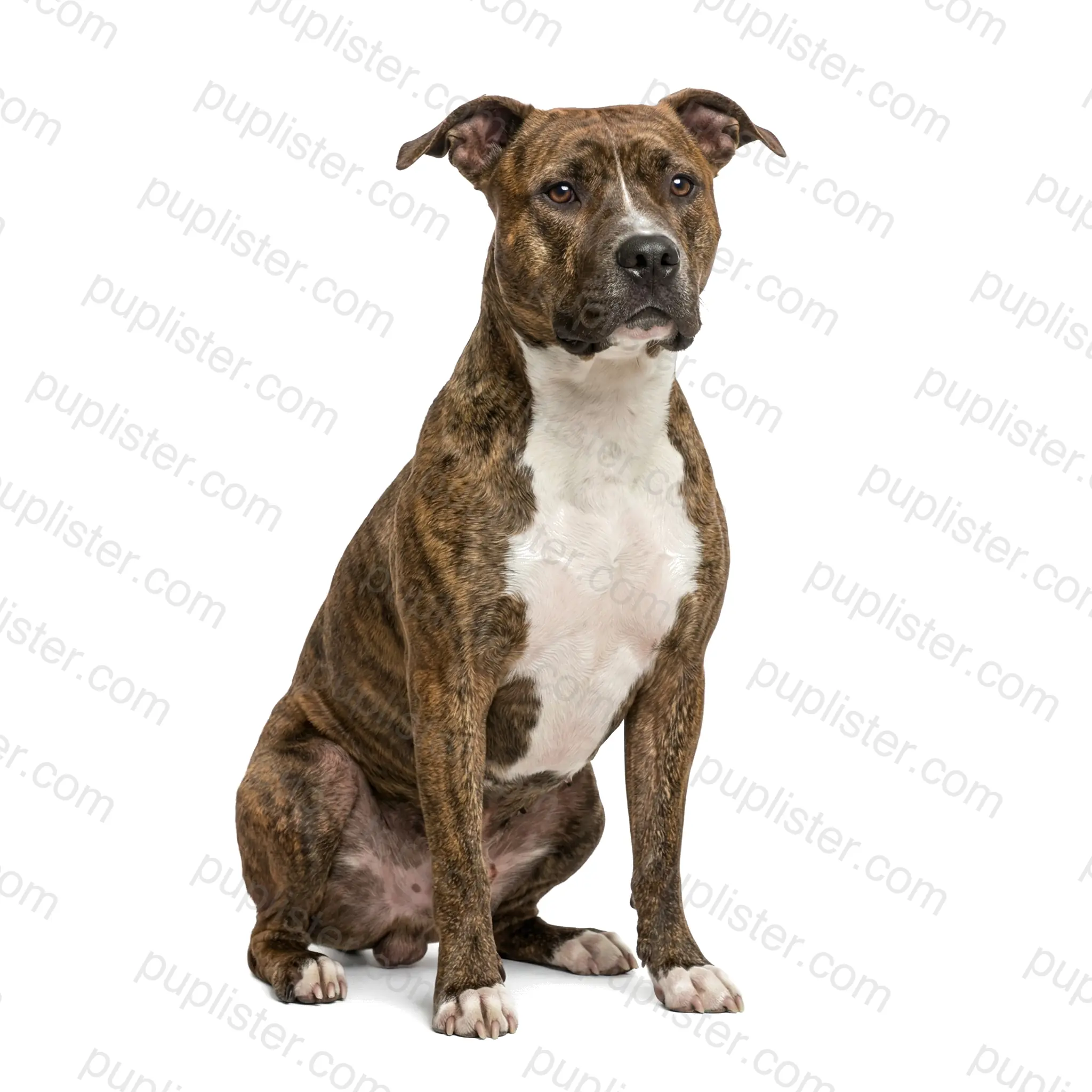
The American Pit Bull Terrier traces its roots to 19th-century England, where Bulldogs and Terriers were crossed to create a dog combining strength with agility. Standing 17–21 inches tall and weighing 30–60 pounds, the APBT is a medium-sized, solidly built dog with a broad chest and well-defined musculature. Their short, glossy coat comes in virtually every color and pattern — including blue, red, brindle, and merle — and is exceptionally easy to maintain.
Despite their often-misunderstood reputation, American Pit Bull Terriers are among the most people-oriented breeds — they are affectionate, eager to please, and frequently described as "nanny dogs" for their gentleness with children. They are intelligent, loyal, and enthusiastic about training when given positive reinforcement. However, some individuals may exhibit dog-selectivity, and responsible ownership includes understanding their terrier-driven tenacity.
These loving, misunderstood dogs deserve wonderful homes — browse adoptable Pit Bull Terriers on Puplister today.
Answer 5 quick questions to see how well this breed matches your lifestyle.
Labrador Retriever / American Pit Bull Terrier
8 pets available
About the Chow Chow One of the most ancient dog breeds in existence, the Chow Chow originated in northern China over 2,000 years ago — where they served as temple guards, sled pullers, and hunting dogs. This sturdy, lion-like breed stands 17–20 inches tall, weighs 45–70 pounds, and is instantly recognizable by its dense double coat, deep-set eyes, and distinctive blue-black tongue. Chow Chows come in five colors — red, black, blue, cinnamon, and cream — with either a rough or smooth coat variety.Temperament & PersonalityChow Chows are often compared to cats in their independent, dignified, and somewhat aloof demeanor. They are fiercely loyal to their family but maintain a reserved — sometimes suspicious — attitude toward strangers, making them formidable natural guard dogs. While devoted to their owners, they are not typically playful or demonstrative and may bond most closely with just one person in the household.ProsNaturally clean dogs — often housebreak themselves with minimal effortQuiet breed that rarely barks without reason — excellent for noise-sensitive living situationsStrong territorial instincts provide reliable home protection without guard trainingLow exercise requirements compared to similarly sized breeds — content with moderate daily walksConsExtremely strong-willed and resistant to traditional obedience training methodsHeavy shedding — especially during seasonal coat blows that last several weeksProne to entropion, hip dysplasia, and autoimmune thyroiditisCan be aggressive toward other dogs and requires extensive early socializationIf a loyal, independent guardian sounds like your ideal match, browse Chow Chows ready for adoption on Puplister now.
3 pets available
About the Vizsla The Vizsla is Hungary's national dog, with origins tracing back over 1,000 years to the Magyar tribes who settled the Carpathian Basin and needed a versatile pointer-retriever for the plains. These lean, athletic dogs stand 21 to 24 inches tall and weigh 44 to 60 pounds, with a distinctively sleek, muscular build and an elegant, ground-covering gait. Their short, smooth coat comes exclusively in various shades of golden rust — from sandy gold to deep russet — with no undercoat, giving them a clean, low-maintenance appearance. Temperament & Personality Vizslas are affectionate, energetic, and extraordinarily people-oriented — often called "Velcro dogs" because they want to be in constant physical contact with their owners. They are gentle and patient with children, friendly with other dogs, and possess a sensitivity that makes them responsive to their family's moods. Vizslas form such intense bonds that they can suffer severe separation anxiety if left alone regularly — they truly need to be included in daily family life. Pros Exceptionally affectionate and forms deep, devoted bonds with familyVersatile athlete — excels in hunting, agility, dock diving, and trackingLow-maintenance coat with minimal shedding and no doggy odorGentle, sensitive nature makes them excellent therapy dogs Cons Severe separation anxiety — cannot tolerate being left alone for long periodsExtremely high exercise needs — requires 1 to 2 hours of vigorous activity dailyProne to epilepsy, hip dysplasia, and lymphosarcomaThin coat and low body fat make them uncomfortable in cold weather If you want a devoted, athletic companion who'll never leave your side, find your Vizsla on Puplister.
3 pets available
About the Norwegian Elkhound The Norwegian Elkhound is one of the oldest European breeds, with archaeological evidence dating its partnership with humans back over 6,000 years in Scandinavia. These medium-sized spitz-type dogs stand 19.5 to 20.5 inches tall and weigh 48 to 55 pounds, built for endurance in rugged terrain. Their dense, silver-gray double coat with black-tipped guard hairs and lighter undercoat provided vital insulation against harsh Nordic winters. Temperament & Personality Norwegian Elkhounds are bold, independent, and deeply loyal — bred to track moose and hold them at bay while alerting hunters with their distinctive bark. They are affectionate and playful with family members, including children, and possess a dignified confidence around strangers. Their independent nature means they think for themselves, which can be both endearing and challenging during training. Pros Hardy constitution with excellent stamina for hiking and outdoor adventuresLoyal and protective family companion with natural watchdog instinctsAdapts well to cold climates and enjoys winter activitiesRelatively healthy breed with a lifespan of 12 to 15 years Cons Heavy seasonal shedding — blows coat twice yearly in massive amountsIndependent and stubborn, requiring patient and consistent trainingHigh barking tendency — bred to bark while tracking gameProne to hip dysplasia, progressive retinal atrophy, and Fanconi syndrome If you love the outdoors and want a steadfast Nordic companion, explore Norwegian Elkhound listings on Puplister.
31 pets available
About the Golden Retriever The Golden Retriever was developed in the Scottish Highlands by Lord Tweedmouth during the mid-19th century, who crossed a Yellow Retriever with the now-extinct Tweed Water Spaniel to create the ultimate waterfowl hunting companion. Standing 21.5–24 inches tall and weighing 55–75 pounds, these iconic dogs wear a lustrous, water-repellent double coat in shades ranging from light cream to deep gold. Their gentle expression, athletic build, and flowing feathered coat have made them one of the three most popular breeds in America for decades running.Temperament & PersonalityGolden Retrievers are the gold standard of family dogs — trustworthy, patient, and endlessly forgiving with children of all ages. They possess an innate desire to please that makes them exceptionally trainable and a joy to live with, whether as a first-time owner's companion or a seasoned handler's working partner. Their friendly, tolerant attitude extends to strangers, other dogs, and household pets — they seem to genuinely believe every person and animal they meet is a friend.ProsUniversally gentle temperament — consistently ranked among the best breeds for families with childrenHighly intelligent and eager to please — excel in obedience, therapy, service, and search and rescuePatient and forgiving nature makes them ideal for first-time dog ownersSocial and friendly with virtually everyone — dogs, cats, strangers, and guests alikeConsCancer affects approximately 60% of Golden Retrievers — the highest rate of any breedHeavy shedding year-round with seasonal coat blows that cover furniture and clothingProne to hip and elbow dysplasia, heart disease, and eye conditionsMouthy breed — will carry and chew objects constantly, especially during puppyhoodThere's a reason Goldens are America's favorite — find Golden Retrievers looking for homes on Puplister.
Understand the full first-year dog costs after adoption, from initial supplies to vet care, and see how adopting saves you money.
Discover the cheapest ways to adopt a dog near you, from understanding the real value of adoption fees to insider tips for finding low-cost dogs.
Learn the easy steps to transfer dog microchip after adoption. This guide covers finding info, contacting registries, and overcoming common hurdles.
Understand the full dog adoption costs beyond the initial fee, including ongoing care, unexpected expenses, and a 5-year financial forecast.