First Year Dog Costs After Adoption (Full Budget)
Understand the full first-year dog costs after adoption, from initial supplies to vet care, and see how adopting saves you money.
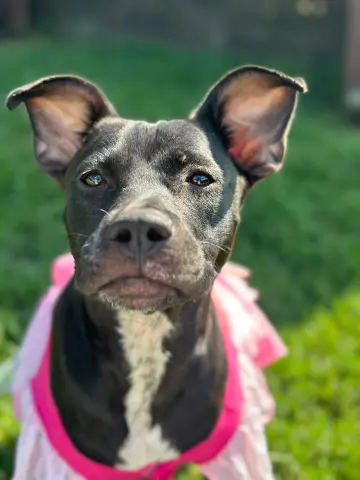
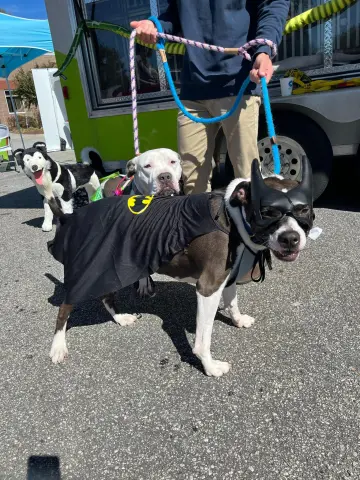
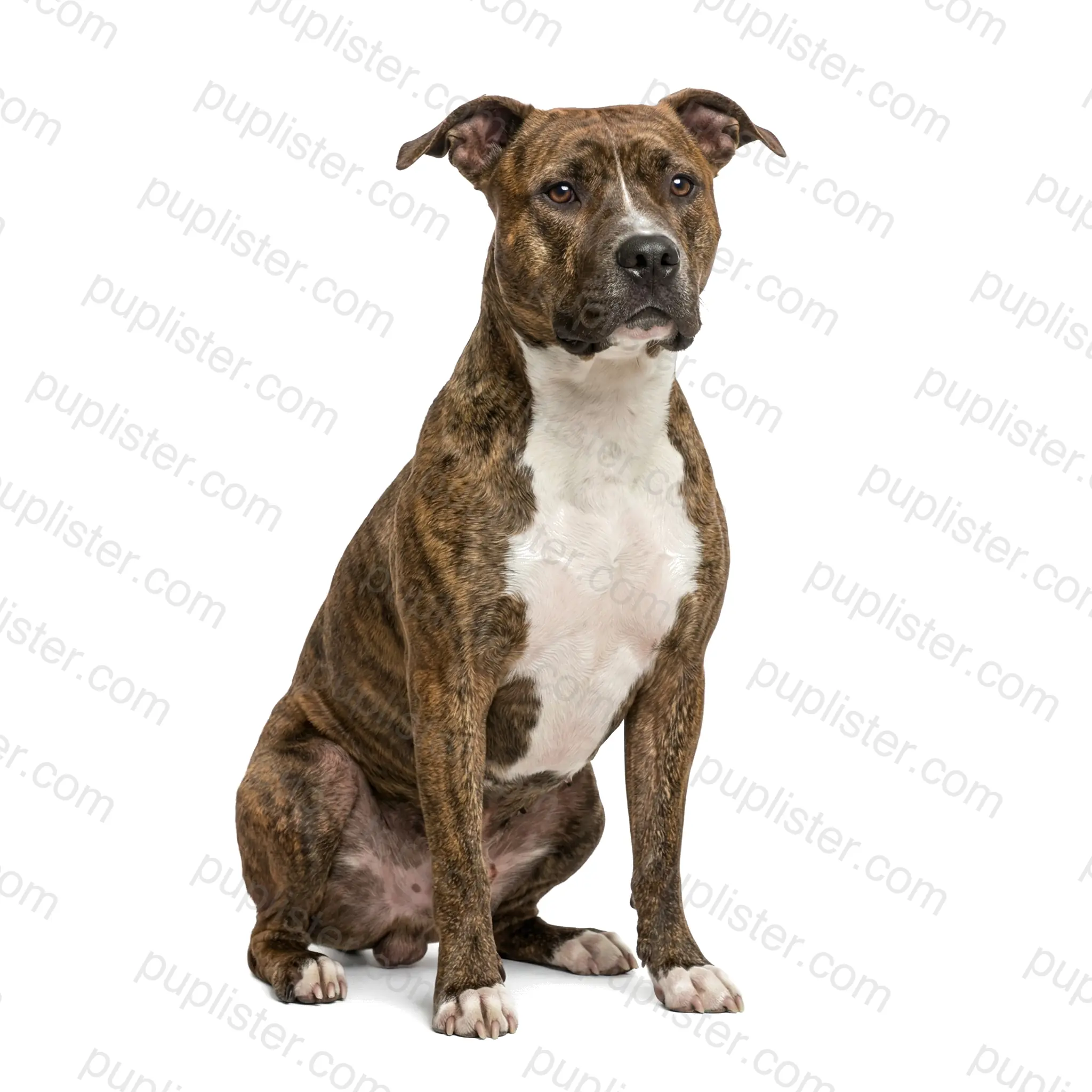
The American Pit Bull Terrier traces its roots to 19th-century England, where Bulldogs and Terriers were crossed to create a dog combining strength with agility. Standing 17–21 inches tall and weighing 30–60 pounds, the APBT is a medium-sized, solidly built dog with a broad chest and well-defined musculature. Their short, glossy coat comes in virtually every color and pattern — including blue, red, brindle, and merle — and is exceptionally easy to maintain.
Despite their often-misunderstood reputation, American Pit Bull Terriers are among the most people-oriented breeds — they are affectionate, eager to please, and frequently described as "nanny dogs" for their gentleness with children. They are intelligent, loyal, and enthusiastic about training when given positive reinforcement. However, some individuals may exhibit dog-selectivity, and responsible ownership includes understanding their terrier-driven tenacity.
These loving, misunderstood dogs deserve wonderful homes — browse adoptable Pit Bull Terriers on Puplister today.
Answer 5 quick questions to see how well this breed matches your lifestyle.
Labrador Retriever / American Pit Bull Terrier
13 pets available
About the Border Terrier The Border Terrier hails from the border country between England and Scotland, where it was bred to bolt foxes from their dens while keeping pace with mounted hunters and their hounds. One of the smaller terrier breeds, it stands 12–15 inches tall and weighs 11.5–15.5 pounds, with a compact, narrow body designed to squeeze into fox burrows. Their distinctive otter-shaped head and wiry, weather-resistant double coat — which comes in red, grizzle-and-tan, blue-and-tan, or wheaten — give them a charmingly scruffy appearance.Temperament & PersonalityBorder Terriers are affectionate, plucky, and adaptable — they have all the tenacity of a terrier but with a softer, more biddable temperament that makes them excellent family companions. They are good with children and generally get along better with other dogs than many terrier breeds. However, their strong prey drive means they cannot be trusted around small animals like hamsters, rabbits, or guinea pigs.ProsAdaptable to both country and city living — they adjust well to apartments with adequate exerciseMore trainable and less confrontational than many terrier breedsLow-shedding wiry coat that requires only periodic hand-strippingRobust and healthy with a long lifespan of 12–15 yearsConsStrong prey drive — they will chase squirrels, cats, and small animals relentlesslyCan be expert diggers and escape artists if left in a yard unsupervisedHand-stripping the coat is time-consuming, and clipping changes the coat texture permanentlyProne to canine epileptoid cramping syndrome (Spike's disease) and heart defectsThese scrappy, lovable terriers make wonderful companions — discover adoptable Border Terriers on Puplister.
27 pets available
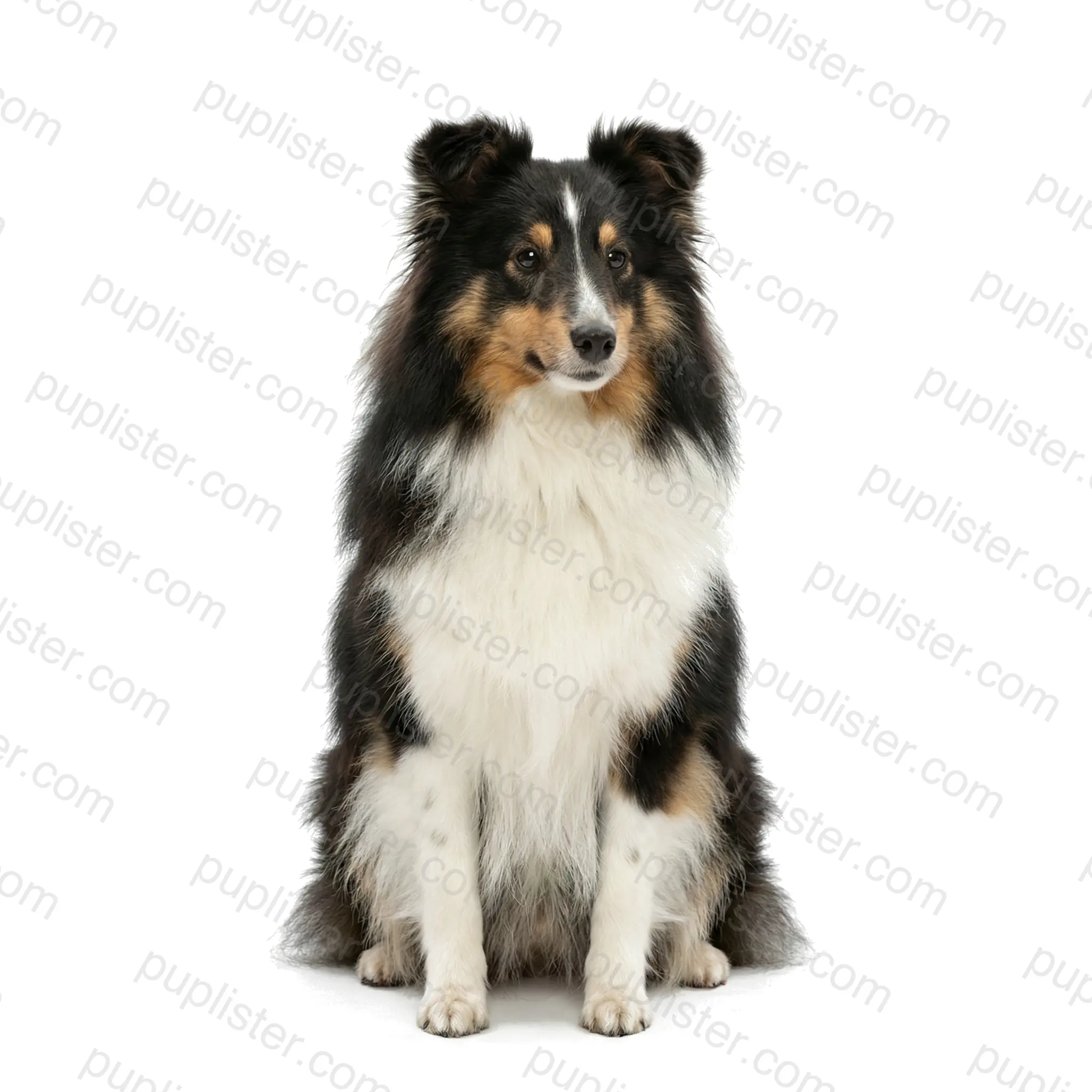
About the Collie The Collie — immortalized by the fictional Lassie — originated in Scotland and northern England as a supremely capable herding dog guarding flocks across rugged highland terrain. Standing 22–26 inches tall and weighing 50–75 pounds, the breed comes in two coat varieties — the iconic Rough Collie with its abundant mane and the sleeker Smooth Collie — in sable and white, tricolor, blue merle, and white colorations. Their wedge-shaped head, almond eyes, and graceful build give them an unmistakable elegance among herding breeds.Temperament & PersonalityCollies are among the most gentle and devoted of all breeds — known for their uncanny ability to sense their family's emotions and respond with quiet comfort. They are exceptionally patient with children and often take on a protective, nurturing role with the youngest family members. While friendly toward strangers, they'll alert you to anything unusual with a distinctive bark — though excessive barking can develop without training.ProsOne of the most naturally gentle and trustworthy breeds with children of all agesHighly intelligent and responsive to training — learn commands with minimal repetitionModerate exercise needs — satisfied with daily walks and yard play rather than intense activityClean dogs with little doggy odor despite their abundant coatsConsRough variety sheds heavily year-round and requires thorough brushing 2–3 times weeklyProne to Collie Eye Anomaly — a hereditary condition affecting up to 70% of the breedCan develop nuisance barking if bored or left alone frequentlySensitive to many common veterinary drugs due to the MDR1 gene mutationBring home a loyal and graceful Collie — explore adoptable Collies waiting for families on Puplister.
20 pets available
About the Miniature Schnauzer The Miniature Schnauzer was developed in Germany in the late 19th century by crossing Standard Schnauzers with smaller breeds like the Affenpinscher and Poodle. These sturdy little dogs stand 12 to 14 inches tall and weigh 11 to 20 pounds, carrying a distinctive wiry double coat in salt and pepper, black and silver, solid black, or white. Their trademark bushy eyebrows, full beard, and cropped or natural ears give them an unmistakably distinguished appearance. Temperament & Personality Miniature Schnauzers are spirited, friendly, and remarkably obedient — consistently ranking among the most popular terrier breeds in America. They bond closely with their families, are typically wonderful with children, and get along well with other household pets. Unlike many terrier breeds, they tend to be less aggressive toward other dogs, making them excellent all-around family companions. Pros Low-shedding wiry coat suitable for allergy-conscious householdsHighly trainable and eager to please with consistent methodsAdaptable to apartments, suburbs, or rural settings equally wellRobust health with a lifespan of 12 to 15 years Cons Tendency to bark frequently — can be vocal about everythingRequires regular professional grooming or hand-stripping every 6 to 8 weeksSusceptible to pancreatitis, urinary stones, and hyperlipidemiaStrong prey drive toward squirrels, rabbits, and other small animals outdoors Discover your ideal Miniature Schnauzer companion — check available listings right here on Puplister.
46 pets available
About the Great Pyrenees The Great Pyrenees — named for the Pyrenees Mountains between France and Spain where they guarded flocks for centuries — is a majestic, powerful livestock guardian with roots stretching back thousands of years to ancient Asia Minor. Standing 25–32 inches tall and weighing 85–115 pounds, these imposing dogs wear a thick, weather-resistant double coat that is predominantly white, sometimes with markings of badger, gray, reddish-brown, or tan. Their calm, regal bearing and abundant white coat give them an almost bear-like appearance that commands respect.Temperament & PersonalityGreat Pyrenees are independent, patient, and serenely confident — bred for millennia to make their own decisions while guarding flocks without human direction. They are gentle and affectionate with their families, particularly protective of children, whom they tend to view as part of their "flock." However, their independent guardian nature means they are not eager-to-please dogs — they will consider your commands and decide whether compliance serves their protective mission.ProsExceptional livestock and property guardian — naturally protective without aggression trainingGentle and patient with children — instinctively nurturing toward young family membersCalm, low-energy indoors — content to rest and observe during the dayThick coat insulates against both extreme cold and moderate heatConsNotorious wanderers — will roam far from home if not contained by secure fencingHeavy nocturnal barking — bred to bark at predators through the night, which disturbs neighborsExtremely independent and stubborn — among the most difficult breeds to obedience trainMassive shedding — the thick undercoat blows seasonally and produces enormous quantities of loose furIf you have the space and patience for a noble guardian, find Great Pyrenees on Puplister today.
Understand the full first-year dog costs after adoption, from initial supplies to vet care, and see how adopting saves you money.
Discover the cheapest ways to adopt a dog near you, from understanding the real value of adoption fees to insider tips for finding low-cost dogs.
Learn the easy steps to transfer dog microchip after adoption. This guide covers finding info, contacting registries, and overcoming common hurdles.
Understand the full dog adoption costs beyond the initial fee, including ongoing care, unexpected expenses, and a 5-year financial forecast.