Cheapest Ways to Adopt a Dog Near You
Discover the cheapest ways to adopt a dog near you, from understanding the real value of adoption fees to insider tips for finding low-cost dogs.
The American Pit Bull Terrier traces its roots to 19th-century England, where Bulldogs and Terriers were crossed to create a dog combining strength with agility. Standing 17–21 inches tall and weighing 30–60 pounds, the APBT is a medium-sized, solidly built dog with a broad chest and well-defined musculature. Their short, glossy coat comes in virtually every color and pattern — including blue, red, brindle, and merle — and is exceptionally easy to maintain.
Despite their often-misunderstood reputation, American Pit Bull Terriers are among the most people-oriented breeds — they are affectionate, eager to please, and frequently described as "nanny dogs" for their gentleness with children. They are intelligent, loyal, and enthusiastic about training when given positive reinforcement. However, some individuals may exhibit dog-selectivity, and responsible ownership includes understanding their terrier-driven tenacity.
These loving, misunderstood dogs deserve wonderful homes — browse adoptable Pit Bull Terriers on Puplister today.

Answer 5 quick questions to see how well this breed matches your lifestyle.
Australian Cattle Dog / American Pit Bull Terrier
1 pet available
About the Irish Wolfhound The Irish Wolfhound — the tallest of all dog breeds — was originally bred in ancient Ireland to hunt wolves and Irish elk, with references to the breed appearing in Roman records as early as 391 AD. Standing a minimum of 30–32 inches tall (many reach 34–35 inches) and weighing 105–180 pounds, these gentle giants have a rough, wiry coat in gray, brindle, red, black, white, and fawn. Despite nearly going extinct in the 19th century, dedicated breeders — most notably Captain George Augustus Graham — revived the breed using Great Dane, Scottish Deerhound, and Borzoi crosses.Temperament & PersonalityIrish Wolfhounds are remarkably gentle and easygoing despite their formidable size — they carry themselves with a quiet dignity that belies their ancient warrior heritage. They are affectionate and loyal with their families, typically good with children, and generally accepting of other dogs and even cats when raised together. Despite their history as fierce hunters, modern Irish Wolfhounds are too gentle and friendly to serve as effective guard dogs.ProsGentle, calm temperament — one of the most easygoing of all giant breedsGood with children and other pets — patient and tolerant despite their massive sizeRelatively quiet dogs that rarely bark without causeWiry coat sheds minimally and requires only occasional brushing and hand-strippingConsHeartbreakingly short lifespan — average of just 6–8 years, with many lost to heart diseaseExtremely high risk of dilated cardiomyopathy, osteosarcoma, and bloatVery expensive to own — giant-breed food, medications, and veterinary care add up quicklyRequires a home with ample space — not suited to apartment living due to sheer physical sizeOpen your heart and home to a magnificent Irish Wolfhound — find available dogs on Puplister.
3 pets available
About the West Highland White Terrier The West Highland White Terrier — universally known as the "Westie" — was developed in Scotland's western highlands during the 19th century, selectively bred from Cairn Terrier stock for its white coat to be more visible against the dark highland terrain while hunting foxes, badgers, and rats. These sturdy little dogs stand 10 to 11 inches tall and weigh 15 to 20 pounds, with a compact, balanced build and surprisingly strong legs for their size. Their double coat features a hard, straight white outer layer and a soft, dense undercoat — always pure white without exception. Temperament & Personality Westies are confident, entertaining, and surprisingly tough — carrying the classic terrier self-assurance in a friendly, less aggressive package than many of their terrier relatives. They are affectionate with their families, generally good with older children, and possess an independent, adventurous spirit that keeps life interesting. Westies are social dogs that enjoy meeting people, though they can be assertive with other dogs and retain a strong instinct to chase anything that moves. Pros Sturdy and adaptable — thrives in apartments, suburbs, and country settingsFriendly and sociable without the extreme aggression of some terrier breedsPortable size with a big, confident personalityAlert watchdog that will reliably announce visitors Cons Prone to atopic dermatitis and skin allergies — one of the most affected breedsCoat requires regular professional grooming or hand-stripping every 6 to 8 weeksCan be stubborn and willful during training — responds best to positive methodsTendency to dig and bark, especially when bored or left in the yard Westies bring Scottish charm and terrier spirit into every home — find your white-coated companion on Puplister.
28 pets available
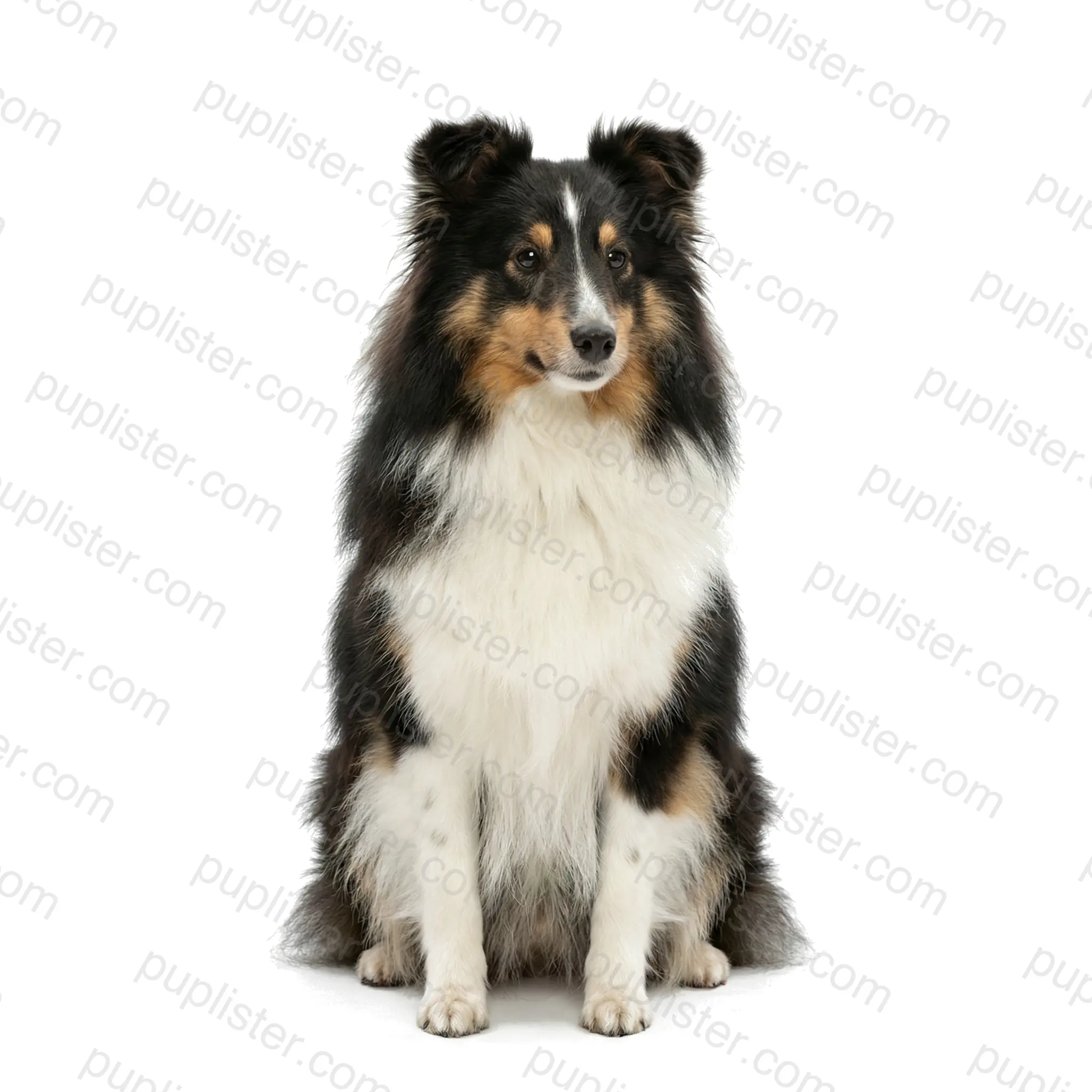
About the Collie The Collie — immortalized by the fictional Lassie — originated in Scotland and northern England as a supremely capable herding dog guarding flocks across rugged highland terrain. Standing 22–26 inches tall and weighing 50–75 pounds, the breed comes in two coat varieties — the iconic Rough Collie with its abundant mane and the sleeker Smooth Collie — in sable and white, tricolor, blue merle, and white colorations. Their wedge-shaped head, almond eyes, and graceful build give them an unmistakable elegance among herding breeds.Temperament & PersonalityCollies are among the most gentle and devoted of all breeds — known for their uncanny ability to sense their family's emotions and respond with quiet comfort. They are exceptionally patient with children and often take on a protective, nurturing role with the youngest family members. While friendly toward strangers, they'll alert you to anything unusual with a distinctive bark — though excessive barking can develop without training.ProsOne of the most naturally gentle and trustworthy breeds with children of all agesHighly intelligent and responsive to training — learn commands with minimal repetitionModerate exercise needs — satisfied with daily walks and yard play rather than intense activityClean dogs with little doggy odor despite their abundant coatsConsRough variety sheds heavily year-round and requires thorough brushing 2–3 times weeklyProne to Collie Eye Anomaly — a hereditary condition affecting up to 70% of the breedCan develop nuisance barking if bored or left alone frequentlySensitive to many common veterinary drugs due to the MDR1 gene mutationBring home a loyal and graceful Collie — explore adoptable Collies waiting for families on Puplister.
32 pets available
About the Golden Retriever The Golden Retriever was developed in the Scottish Highlands by Lord Tweedmouth during the mid-19th century, who crossed a Yellow Retriever with the now-extinct Tweed Water Spaniel to create the ultimate waterfowl hunting companion. Standing 21.5–24 inches tall and weighing 55–75 pounds, these iconic dogs wear a lustrous, water-repellent double coat in shades ranging from light cream to deep gold. Their gentle expression, athletic build, and flowing feathered coat have made them one of the three most popular breeds in America for decades running.Temperament & PersonalityGolden Retrievers are the gold standard of family dogs — trustworthy, patient, and endlessly forgiving with children of all ages. They possess an innate desire to please that makes them exceptionally trainable and a joy to live with, whether as a first-time owner's companion or a seasoned handler's working partner. Their friendly, tolerant attitude extends to strangers, other dogs, and household pets — they seem to genuinely believe every person and animal they meet is a friend.ProsUniversally gentle temperament — consistently ranked among the best breeds for families with childrenHighly intelligent and eager to please — excel in obedience, therapy, service, and search and rescuePatient and forgiving nature makes them ideal for first-time dog ownersSocial and friendly with virtually everyone — dogs, cats, strangers, and guests alikeConsCancer affects approximately 60% of Golden Retrievers — the highest rate of any breedHeavy shedding year-round with seasonal coat blows that cover furniture and clothingProne to hip and elbow dysplasia, heart disease, and eye conditionsMouthy breed — will carry and chew objects constantly, especially during puppyhoodThere's a reason Goldens are America's favorite — find Golden Retrievers looking for homes on Puplister.
Discover the cheapest ways to adopt a dog near you, from understanding the real value of adoption fees to insider tips for finding low-cost dogs.
Learn the easy steps to transfer dog microchip after adoption. This guide covers finding info, contacting registries, and overcoming common hurdles.
Understand the full dog adoption costs beyond the initial fee, including ongoing care, unexpected expenses, and a 5-year financial forecast.
Foster-to-adopt offers a trial period to see if a dog is the right fit, bridging temporary care and permanent adoption for a happy home.