Cheapest Ways to Adopt a Dog Near You
Discover the cheapest ways to adopt a dog near you, from understanding the real value of adoption fees to insider tips for finding low-cost dogs.
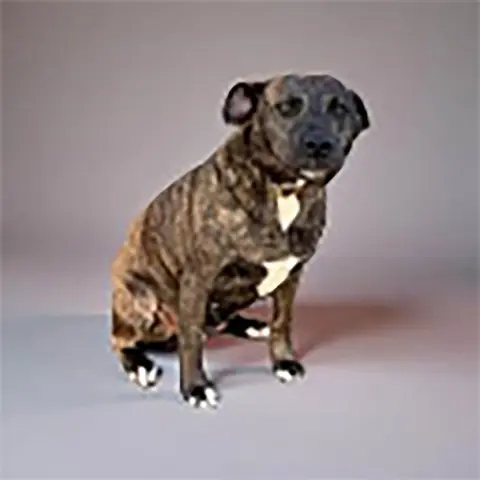
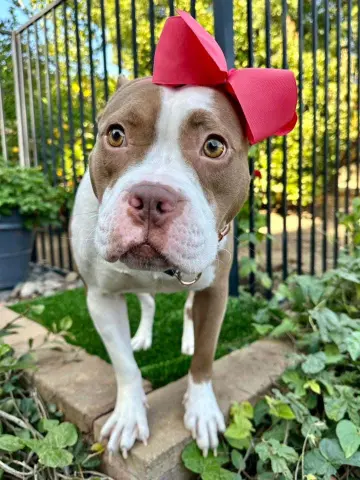
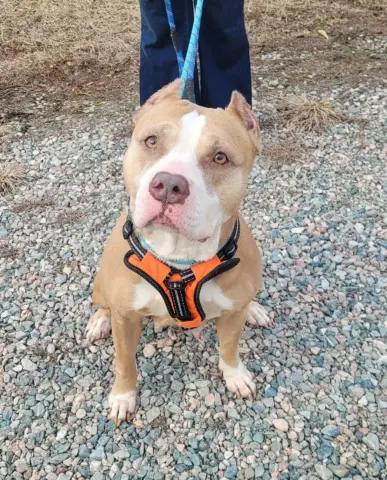
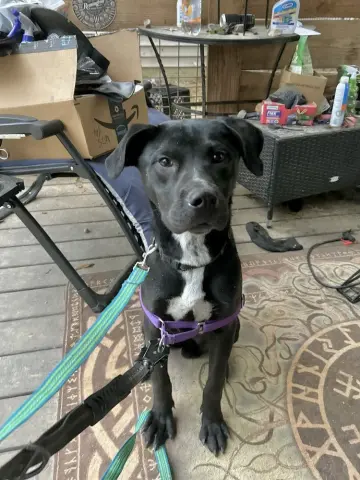
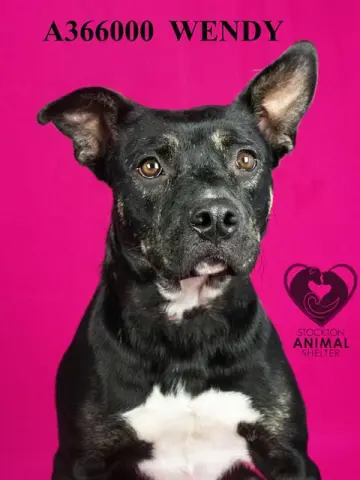
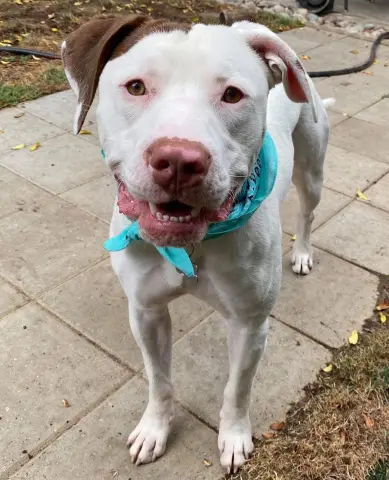
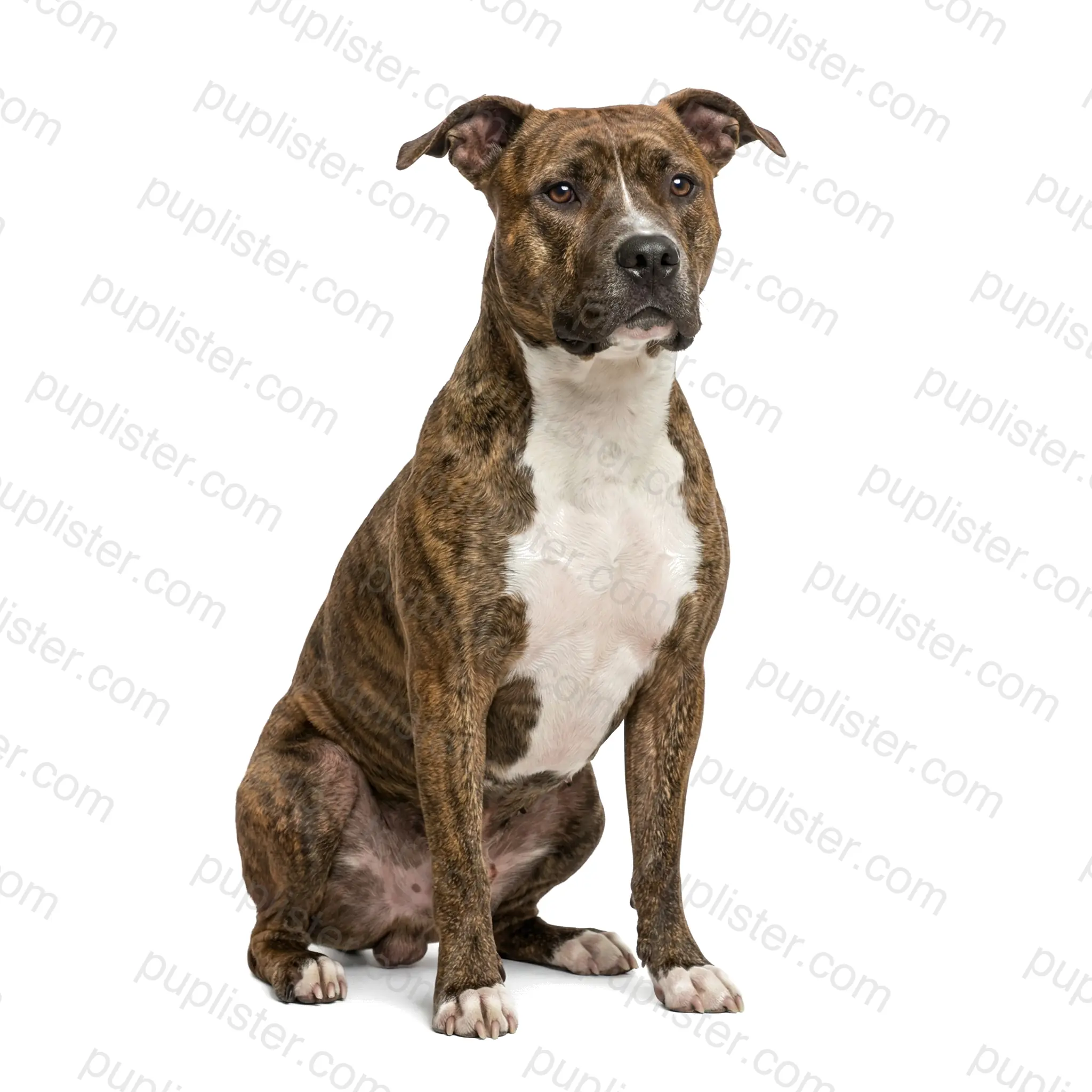
The American Pit Bull Terrier traces its roots to 19th-century England, where Bulldogs and Terriers were crossed to create a dog combining strength with agility. Standing 17–21 inches tall and weighing 30–60 pounds, the APBT is a medium-sized, solidly built dog with a broad chest and well-defined musculature. Their short, glossy coat comes in virtually every color and pattern — including blue, red, brindle, and merle — and is exceptionally easy to maintain.
Despite their often-misunderstood reputation, American Pit Bull Terriers are among the most people-oriented breeds — they are affectionate, eager to please, and frequently described as "nanny dogs" for their gentleness with children. They are intelligent, loyal, and enthusiastic about training when given positive reinforcement. However, some individuals may exhibit dog-selectivity, and responsible ownership includes understanding their terrier-driven tenacity.
These loving, misunderstood dogs deserve wonderful homes — browse adoptable Pit Bull Terriers on Puplister today.
Answer 5 quick questions to see how well this breed matches your lifestyle.
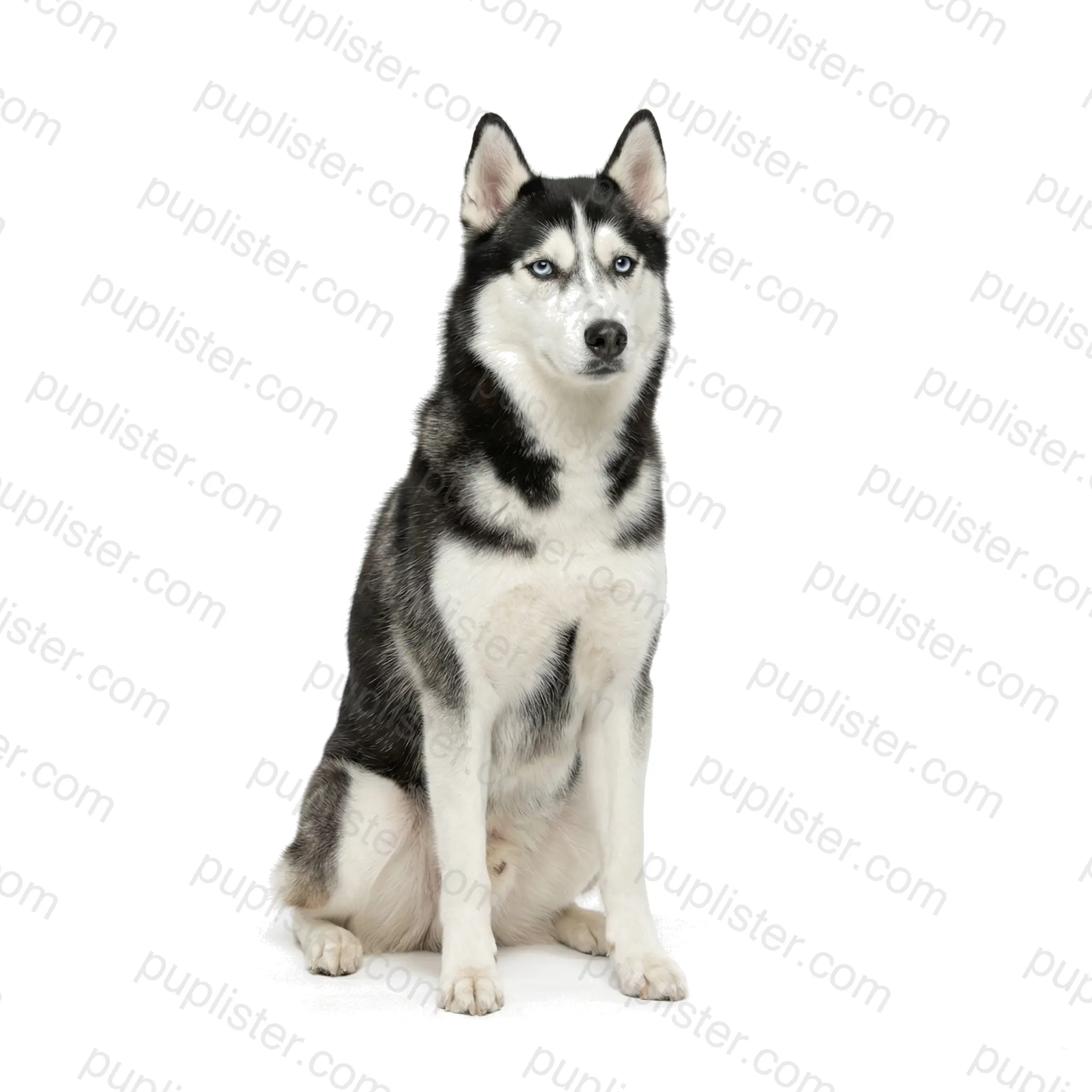
Siberian Husky / American Pit Bull Terrier
24 pets available
About the Mastiff The English Mastiff is one of the most ancient and massive dog breeds, with roots tracing back over 2,000 years to ancient Britain and possibly earlier Molosser-type dogs of Asia. Males commonly weigh 160 to 230 pounds and stand 30 inches or taller at the shoulder, making them among the heaviest domestic dogs in the world. Their short, dense double coat comes in fawn, apricot, or brindle — always with a distinctive dark mask on the face. Temperament & Personality Despite their imposing size, Mastiffs are famously gentle, calm, and deeply loyal — often called "gentle giants" with good reason. They are patient and protective with children in their family, though their sheer mass means supervision around small kids is wise. Mastiffs tend to be reserved with strangers but rarely aggressive, preferring to position themselves between their family and any perceived threat. Pros Naturally protective without needing guard trainingSurprisingly low energy indoors — content to lounge for hoursGentle and patient temperament ideal for familiesShort coat requires only basic weekly brushing Cons Massive food bills — adult Mastiffs eat 6 to 10 cups of food dailyShorter lifespan of 6 to 10 years typical of giant breedsProne to hip dysplasia, bloat (gastric torsion), and heart conditionsExcessive drooling is a constant reality with this breed Ready to welcome a magnificent gentle giant into your home? Explore Mastiff adoption opportunities on Puplister.
63 pets available
About the Poodle The Poodle — despite its association with France — likely originated in Germany as a water retriever, with the name derived from the German "pudeln" meaning "to splash." The breed comes in three AKC-recognized sizes: Standard (over 15 inches, 40 to 70 pounds), Miniature (10 to 15 inches, 10 to 15 pounds), and Toy (under 10 inches, 4 to 6 pounds). Their dense, curly, single-layer coat is virtually non-shedding and comes in a wide array of solid colors including white, black, apricot, silver, blue, and café au lait. Temperament & Personality Poodles are among the most intelligent dog breeds in the world — ranked second only to the Border Collie — with an exceptional ability to learn commands and solve problems. All three sizes are active, proud, and eager to please, forming strong bonds with their families and excelling in virtually every canine sport and discipline. They are generally good with children and other pets, with Standards being the most laid-back and Toys tending to be the most sensitive. Pros Non-shedding coat produces less dander — widely recommended for allergy sufferersExceptionally intelligent and versatile — excels in obedience, agility, and therapy workThree size varieties allow matching to nearly any living situationAthletic and energetic with excellent longevity across all sizes Cons Coat requires professional grooming every 4 to 6 weeks without exceptionProne to hip dysplasia (Standards), epilepsy, and Addison's diseaseCan develop separation anxiety and neurotic behaviors without mental stimulationSensitive temperament requires gentle, consistent training methods Whether you prefer Standard, Miniature, or Toy — your perfect Poodle match could be on Puplister right now.
9 pets available
About the Goldendoodle The Goldendoodle — a deliberate cross between the Golden Retriever and Standard Poodle — emerged in the 1990s as breeders sought to combine the Golden's gentle temperament with the Poodle's low-shedding coat. They range widely in size — Miniature (15–35 pounds), Medium (35–50 pounds), and Standard (50–90 pounds) — standing anywhere from 13 to 24 inches tall depending on the Poodle parent's size. Their coats vary from wavy to curly in shades of cream, gold, apricot, red, chocolate, and black, with texture depending on which parent's genes dominate.Temperament & PersonalityGoldendoodles typically inherit the best of both parent breeds — the Golden's gentle, people-loving nature combined with the Poodle's keen intelligence and playful spirit. They are outgoing, social dogs that get along beautifully with children, other pets, and strangers, making them popular therapy and emotional support dogs. Their enthusiasm for life and goofy antics make them endlessly entertaining family companions.ProsLow to moderate shedding — curlier coats are more suitable for allergy-sensitive householdsInherits intelligence from both parent breeds — highly trainable and responsiveFriendly, gentle temperament makes them excellent therapy and emotional support dogsAvailable in multiple sizes to suit different living situations — from apartments to farmsConsCoat requires professional grooming every 6–8 weeks — annual grooming costs of $500–$1,200No breed standard means unpredictable size, coat type, and temperament — especially in early generationsCan inherit health issues from both parent breeds — hip dysplasia, eye problems, and von Willebrand'sHigh demand has led to irresponsible breeding practices — finding a reputable breeder requires diligenceA Goldendoodle might be the perfect blend of brains and love for your family — search available dogs on Puplister.
7 pets available
About the Dalmatian The Dalmatian is one of the most recognizable breeds on earth — known for its striking white coat adorned with black or liver-colored spots that are as unique as fingerprints. Standing 19–24 inches tall and weighing 45–70 pounds, this athletic breed has a storied history as a carriage dog, firehouse mascot, and circus performer across Europe. Dalmatian puppies are born completely white, with their signature spots developing gradually over the first few weeks of life.Temperament & PersonalityDalmatians are high-energy, exuberant dogs with an almost inexhaustible drive to run, play, and explore. They form strong bonds with their families and can be wonderful companions for active households, though their boisterous nature may overwhelm toddlers and elderly family members. They tend to be reserved — sometimes standoffish — with strangers and require thorough socialization to prevent timidity or nervousness.ProsOutstanding running and cycling companions — built for sustained endurance over long distancesShort, dense coat is easy to maintain with weekly brushingNaturally clean dogs with minimal doggy odorIntelligent and versatile — excel in agility, obedience, and road trialsConsApproximately 30% of Dalmatians are affected by hereditary deafness — unilateral or bilateralUnique urinary system produces uric acid instead of urea, predisposing them to kidney and bladder stonesSheds heavily year-round — white hairs embed in furniture and clothing persistentlyRequires 1–2 hours of vigorous exercise daily or develops destructive behaviorsAn active lifestyle and a spotted best friend — find Dalmatians available for adoption on Puplister.
Discover the cheapest ways to adopt a dog near you, from understanding the real value of adoption fees to insider tips for finding low-cost dogs.
Learn the easy steps to transfer dog microchip after adoption. This guide covers finding info, contacting registries, and overcoming common hurdles.
Understand the full dog adoption costs beyond the initial fee, including ongoing care, unexpected expenses, and a 5-year financial forecast.
Foster-to-adopt offers a trial period to see if a dog is the right fit, bridging temporary care and permanent adoption for a happy home.