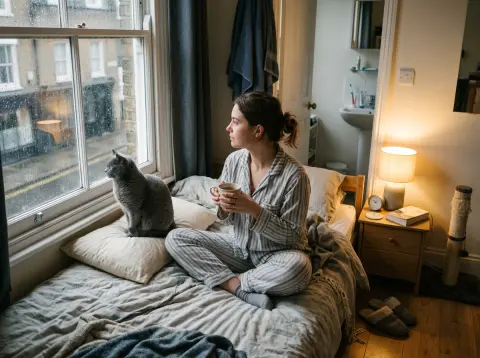
Adopted Cat Meowing All Night: How to Stop It
Adopted cat meowing all night? Discover why it happens, how to create a calm environment, and a realistic timeline to quiet nighttime meows.
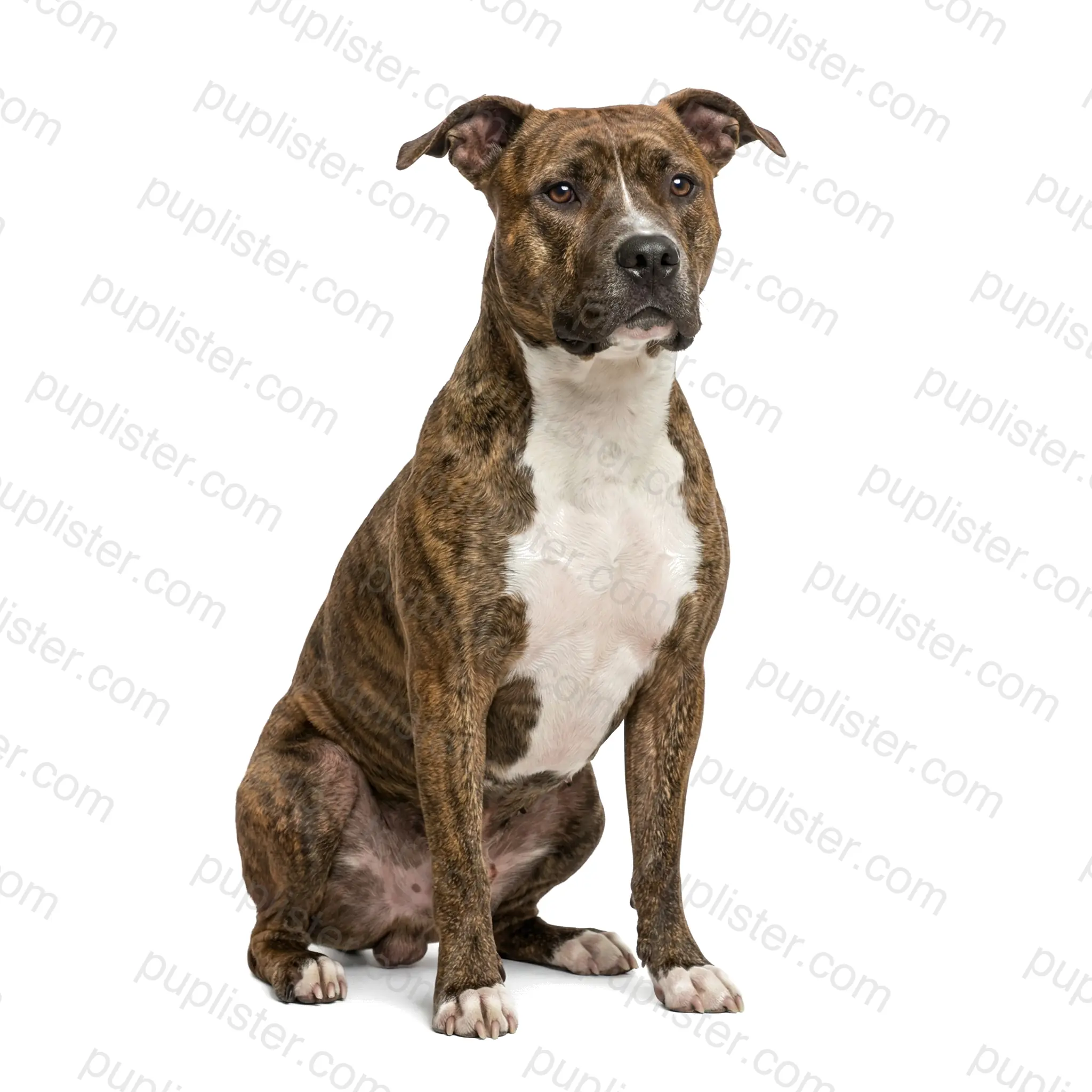
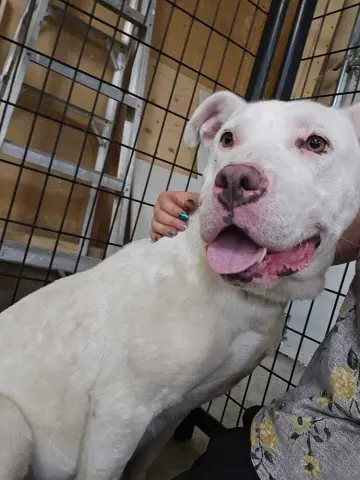
The American Pit Bull Terrier traces its roots to 19th-century England, where Bulldogs and Terriers were crossed to create a dog combining strength with agility. Standing 17–21 inches tall and weighing 30–60 pounds, the APBT is a medium-sized, solidly built dog with a broad chest and well-defined musculature. Their short, glossy coat comes in virtually every color and pattern — including blue, red, brindle, and merle — and is exceptionally easy to maintain.
Despite their often-misunderstood reputation, American Pit Bull Terriers are among the most people-oriented breeds — they are affectionate, eager to please, and frequently described as "nanny dogs" for their gentleness with children. They are intelligent, loyal, and enthusiastic about training when given positive reinforcement. However, some individuals may exhibit dog-selectivity, and responsible ownership includes understanding their terrier-driven tenacity.
These loving, misunderstood dogs deserve wonderful homes — browse adoptable Pit Bull Terriers on Puplister today.
Answer 5 quick questions to see how well this breed matches your lifestyle.
American Pit Bull Terrier / German Shepherd Dog
American Pit Bull Terrier / Australian Cattle Dog
10 pets available
1About the Great Dane The Great Dane — known as the "Apollo of Dogs" — traces its lineage to ancient Assyrian war dogs, though the modern breed was refined in Germany to hunt wild boar and later serve as estate guardians. Standing a towering 28–32 inches at the shoulder and weighing 110–175 pounds, Great Danes are among the tallest dog breeds in the world — the record holder stood 44 inches tall. Their short, sleek coat comes in six recognized colors: fawn, brindle, blue, black, harlequin (white with irregular black patches), and mantle.Temperament & PersonalityDespite their imposing size, Great Danes are famously gentle and affectionate — earning them the nickname "the world's biggest lap dog." They are patient with children and remarkably calm indoors, often preferring to lean against their owner's legs or drape across the couch rather than engage in rough play. Their friendly, confident demeanor means they greet most people warmly, though their sheer size alone is an effective deterrent to unwelcome visitors.ProsSurprisingly calm and gentle indoors — moderate exercise needs despite their enormous sizeNaturally imposing presence deters intruders without aggressive behaviorShort coat requires minimal grooming — just weekly brushing and occasional bathsPatient and tolerant with children — gentle giants who rarely show aggressionConsShort lifespan of 7–10 years — one of the shortest of any breed due to their giant sizeExtremely high risk of bloat (gastric dilatation-volvulus) — a life-threatening emergencyExpensive to maintain — food, veterinary care, medications, and supplies all cost more at giant-breed scaleProne to heart disease (dilated cardiomyopathy), hip dysplasia, and osteosarcomaReady to share your home with a gentle giant? Explore Great Danes available for adoption on Puplister.
4 pets available
About the Cocker Spaniel The American Cocker Spaniel — the smallest of the sporting breeds — descended from English Cocker Spaniels brought to North America in the late 1800s and was developed as both a skilled bird flusher and an adoring family companion. Standing 13.5–15.5 inches tall and weighing 20–30 pounds, the Cocker Spaniel is known for its luxurious, silky coat that comes in black, ASCOB (any solid color other than black), and parti-color varieties. Their large, soulful dark eyes and perpetually wagging tail have made them one of America's most beloved breeds for decades.Temperament & PersonalityCocker Spaniels are the quintessential happy dog — eager to please, gentle, and brimming with affection for everyone they meet. They thrive on human companionship and are wonderful with children, other dogs, and even cats when properly introduced. Their sensitive nature means they respond best to positive reinforcement and can become anxious or submissive if treated harshly.ProsGentle, merry temperament makes them one of the best breeds for families with young childrenHighly trainable and eager to please — excel in obedience and agilityAdaptable to apartment living provided they receive daily walks and playFriendly with strangers, other dogs, and household pets — rarely aggressiveConsCoat requires professional grooming every 4–6 weeks plus daily brushing to prevent mattingProne to chronic ear infections due to long, heavy ear flaps that trap moistureHigh incidence of eye conditions including cataracts, glaucoma, and cherry eyeSome lines suffer from "rage syndrome" — sudden unprovoked aggression linked to poor breedingReady to welcome a joyful, tail-wagging Cocker Spaniel into your life? Find your perfect match on Puplister.
49 pets available
About the Belgian Malinois The Belgian Malinois hails from the city of Malines in Belgium, where it was developed in the late 1800s as a versatile herding and working dog. Standing 22–26 inches tall and weighing 40–80 pounds, the Malinois is a lean, athletic dog with a square build and an alert, intelligent expression. Their short, straight double coat comes in rich fawn to mahogany with a distinctive black mask and ear tips, and while they shed year-round, grooming needs are minimal.Temperament & PersonalityBelgian Malinois are driven, intense, and extraordinarily intelligent — they are the breed of choice for military, police, and protection work worldwide. They form incredibly strong bonds with their handler and are always eager to work, making them outstanding training partners for experienced owners. However, their intensity and high drive are not for casual pet owners — without proper outlets, a Malinois can become neurotic, destructive, or reactive.ProsUnmatched work ethic and trainability — excels in virtually every canine sport and jobFiercely loyal and protective without being unnecessarily aggressiveAthletic and agile with exceptional speed and enduranceLower incidence of hip dysplasia compared to similar-sized breeds like the German ShepherdConsExtremely high energy and drive — requires several hours of physical and mental exercise dailyNot suitable for first-time dog owners or sedentary householdsCan become reactive or fearful without extensive, early socializationProne to progressive retinal atrophy, elbow dysplasia, and sensitivity to anesthesiaThe Belgian Malinois is a remarkable breed for the right owner — find adoptable Malinois on Puplister who are looking for their forever mission.
8 pets available
1About the Shar-Pei The Chinese Shar-Pei is an ancient breed dating back over 2,000 years to the Han Dynasty in southern China, where it served as a versatile farm dog — guarding property, herding livestock, and even fighting in pits. These distinctive medium-sized dogs stand 18 to 20 inches tall and weigh 45 to 60 pounds, with a broad, hippopotamus-like muzzle and a blue-black tongue shared only with the Chow Chow. Their loose, deeply wrinkled skin and harsh, sandpaper-textured coat (the name literally means "sand skin") come in solid colors including fawn, red, black, chocolate, blue, and cream. Temperament & Personality Shar-Peis are calm, independent, and deeply devoted to their families — forming powerful bonds while remaining aloof and suspicious of strangers, which makes them excellent natural guardians. They tend to be clean, quiet dogs at home, often compared to cats in their self-sufficient demeanor. However, they can be territorial with other dogs, especially those of the same sex, and early socialization is critical to prevent aggression. Pros Naturally clean and quiet — easily housetrained and rarely barks without causeLoyal and protective without needing guard trainingCalm indoor demeanor suitable for apartment livingUnique, striking appearance that draws admiration everywhere Cons Shar-Pei Fever (autoinflammatory disease) is a serious breed-specific health riskSkin folds require regular cleaning to prevent infections and dermatitisProne to entropion (eyelids rolling inward), ear infections, and hypothyroidismCan be dog-aggressive and requires early, ongoing socialization The Shar-Pei's distinctive looks and devoted nature make it truly unforgettable — find available Shar-Peis on Puplister.
Adopted cat meowing all night? Discover why it happens, how to create a calm environment, and a realistic timeline to quiet nighttime meows.
Is your adopted cat not eating? Learn the causes, from stress to past trauma, and discover practical solutions to get your new feline friend eating again.
Is your new cat hiding and won't come out? It's normal, but proactive steps can help. Learn how to build trust with your shy adopted cat.
Discover how long it takes for a rescue cat to feel at home with our experienced guide, covering the 3-3-3 rule and actionable tips.