Adopted Cat Meowing All Night: How to Stop It
Adopted cat meowing all night? Discover why it happens, how to create a calm environment, and a realistic timeline to quiet nighttime meows.
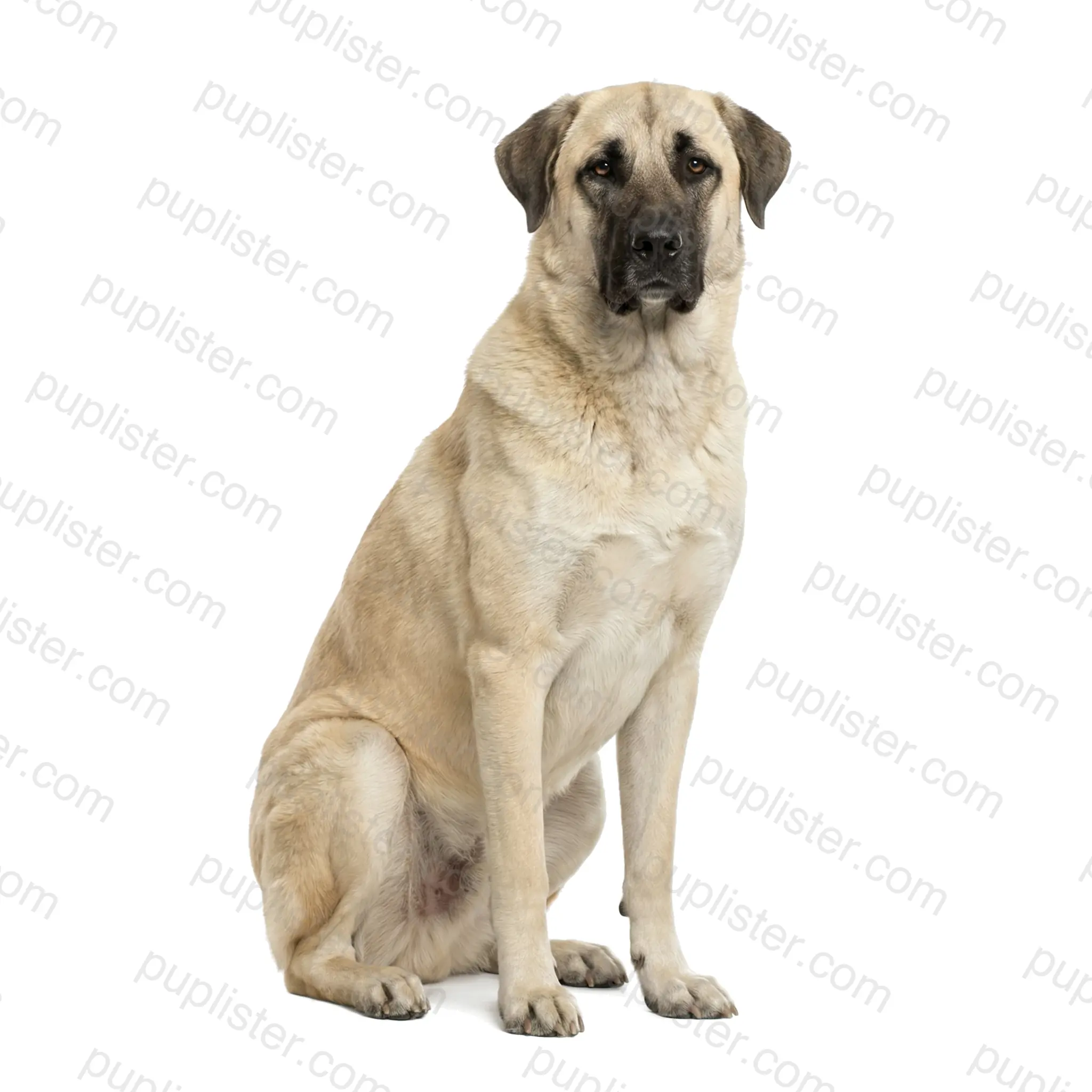
The Anatolian Shepherd — also known as the Kangal Shepherd Dog — hails from the Anatolian plateau of Turkey, where it has guarded livestock from wolves and bears for thousands of years. This imposing breed stands 27–29 inches tall and weighs 80–150 pounds, with males often exceeding 140 pounds of lean muscle. Their short to medium-length double coat comes in fawn with a distinctive black mask, though brindle, white, and pinto variations also occur.
Anatolian Shepherds are independent, intelligent, and territorial — they were bred to make decisions on their own while guarding flocks, and that self-reliance is deeply ingrained. They are calm and affectionate with their family but reserved and suspicious of strangers, making them exceptional guardian dogs. They can coexist with children and other pets they've been raised with, but their guarding instinct means they need owners who understand livestock guardian breed behavior.
If you have the space and experience for this magnificent guardian, explore adoptable Anatolian Shepherds on Puplister.
Answer 5 quick questions to see how well this breed matches your lifestyle.
2 pets available
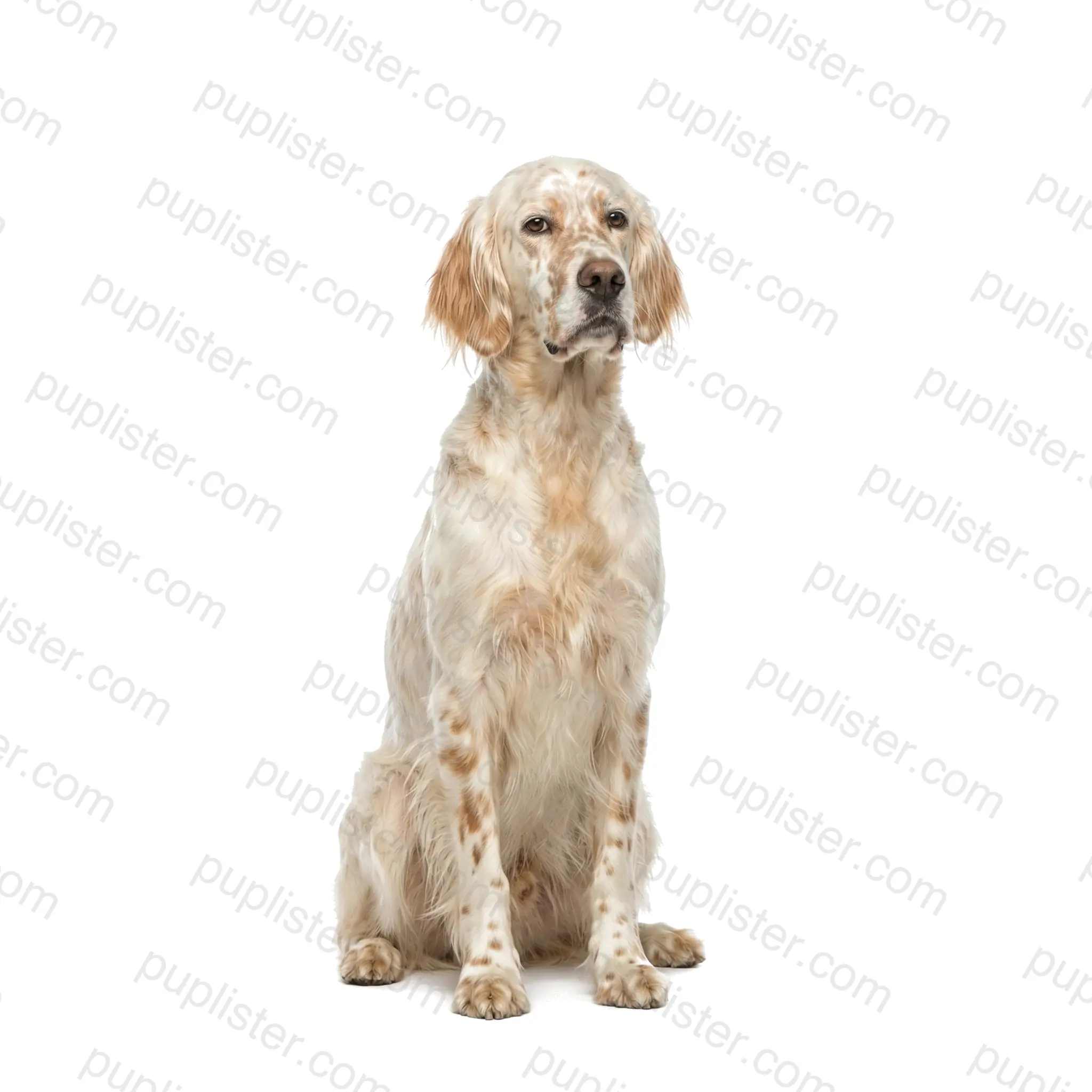
1About the English Setter The English Setter is one of the oldest gun dog breeds — developed in England over 400 years ago to locate game birds by crouching or "setting" to indicate their position. Standing 23–27 inches tall and weighing 45–80 pounds, these graceful dogs are renowned for their beautiful feathered coat in distinctive "belton" patterns — blue belton, orange belton, tricolor, lemon belton, and liver belton. Their elegant appearance, with long, silky ears and a gently flowing coat, has earned them the title of the most beautiful sporting breed.Temperament & PersonalityEnglish Setters are gentle, sweet-natured dogs with a calm indoor demeanor that belies their energetic field abilities. They are exceptionally good with children — patient and tolerant even with rough toddler play — and generally accepting of other dogs and household pets. Their affectionate, people-oriented nature makes them poor kennel dogs; they need to live as part of the family to thrive emotionally.ProsOne of the gentlest sporting breeds — excellent with children of all ages and other petsCalm and quiet indoors when given adequate outdoor exerciseFriendly toward strangers — makes a welcoming family dog without guarding tendenciesVersatile field dog that transitions beautifully from hunting companion to couch cuddlerConsFeathered coat requires regular grooming — brushing 3–4 times weekly to prevent tanglesProne to elbow dysplasia, hypothyroidism, and congenital deafnessStrong hunting instincts — will bolt after birds and small animals if not in a secure areaCan be slow to mature mentally — puppy-like behavior often persists until age 3 or beyondDiscover the beauty and gentleness of the English Setter — find one waiting for a home on Puplister.
48 pets available
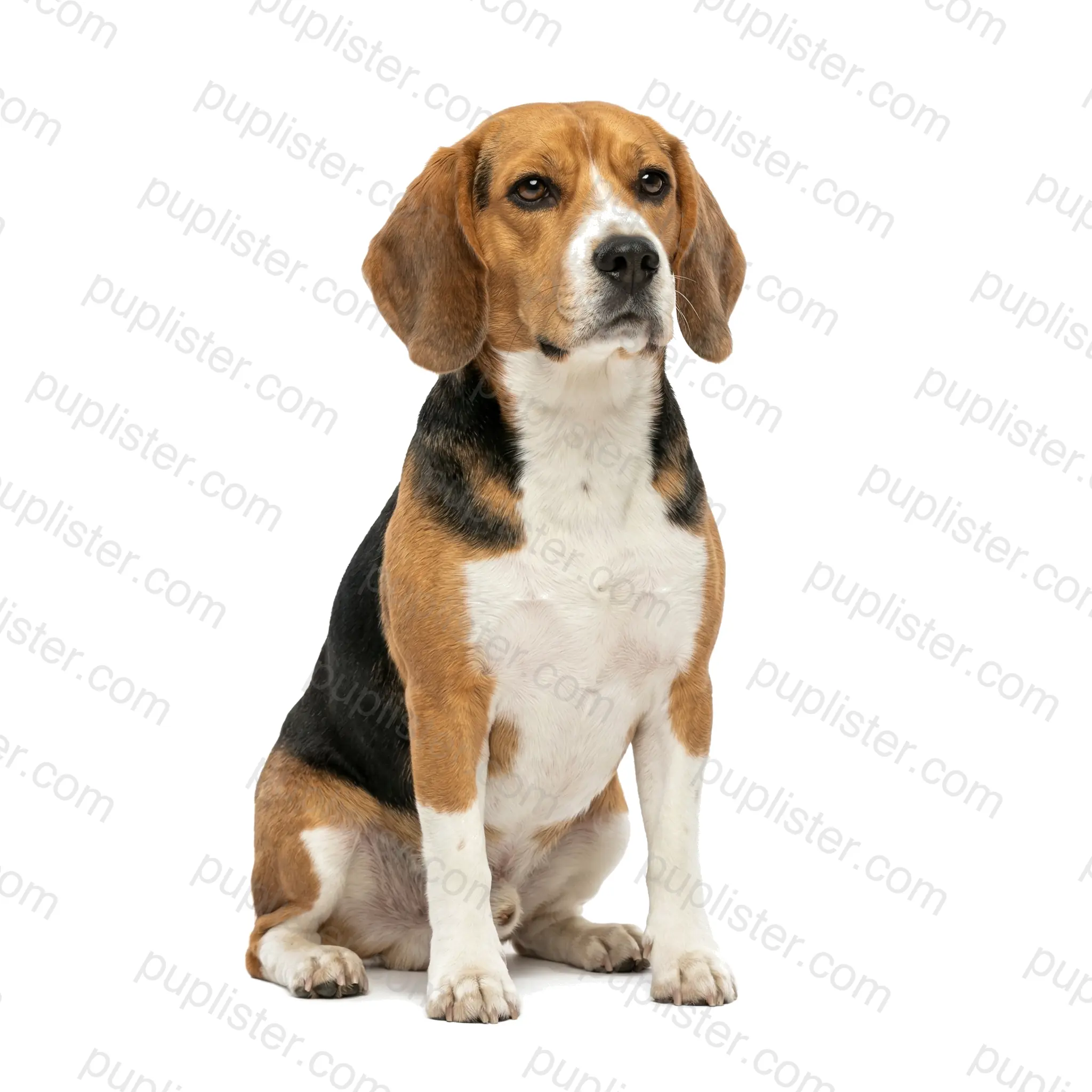
About the Beagle The Beagle is a small scent hound with roots tracing back to Roman times, though the modern breed was refined in England during the 1830s for rabbit hunting. Standing 13–15 inches tall and weighing 20–30 pounds, Beagles are compact, sturdy dogs built for endurance on the trail. Their short, dense, weather-resistant coat comes in a variety of hound colors — most commonly tri-color, red-and-white, and lemon — and sheds moderately throughout the year.Temperament & PersonalityBeagles are merry, curious, and sociable dogs — they were bred to work in packs, and that pack mentality translates to a strong desire for companionship. They are excellent with children and other dogs, making them one of the most family-friendly breeds available. However, their powerful nose can lead them astray, and once a Beagle has locked onto a scent, recalling them can be nearly impossible.ProsWonderful family dog — gentle, tolerant, and playful with children of all agesCompact size is well-suited for apartments and smaller homesGets along exceptionally well with other dogs due to pack-oriented natureHardy, healthy breed with a typical lifespan of 10–15 yearsConsVocal breed — their distinctive bay and howl can be excessive and loudStrong scent drive makes off-leash reliability extremely difficult to achieveProne to obesity and will eat anything they can accessCan develop separation anxiety and become destructive when left aloneBeagles bring joy to every household they join — search for adoptable Beagles on Puplister and find your new best friend.
20 pets available
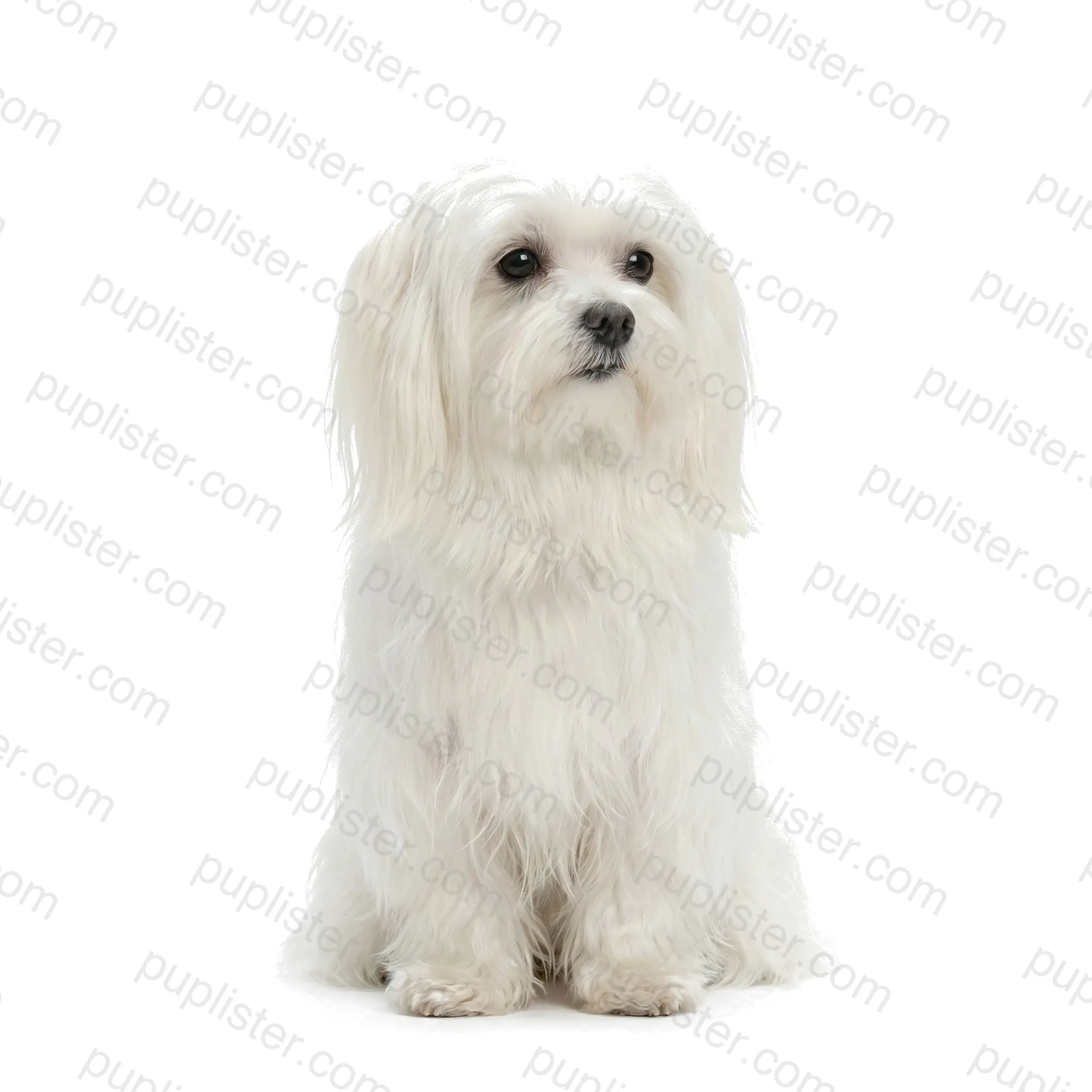
1About the Maltese The Maltese is one of the most ancient toy breeds — pampered by royalty and aristocrats across the Mediterranean for at least 2,000 years, with origins possibly linked to the island of Malta, though their exact birthplace remains debated by historians. Standing 7–9 inches tall and weighing just 4–7 pounds, these delicate dogs are draped in a stunning floor-length coat of pure, silky white hair that flows like a mantle — completely lacking an undercoat, which gives the hair its signature straight, silky texture. Their dark, round eyes and black button nose set against the brilliant white coat create a face of undeniable charm.Temperament & PersonalityMaltese are lively, playful, and remarkably fearless for their tiny size — they carry themselves with an aristocratic confidence that has charmed dog lovers for millennia. They are deeply devoted to their owners and thrive on attention, often developing a charming repertoire of tricks and antics to keep the spotlight on themselves. While generally friendly, they can be suspicious of strangers and intolerant of rough handling, making them better suited to households with older children or adults.ProsHypoallergenic coat — no undercoat means minimal shedding and reduced allergen productionCompact size and low exercise needs — thrives in apartments and small living spacesLong lifespan of 12–15 years with many individuals living well beyond thatPlayful and entertaining personality without the hyperactivity of many small breedsConsLuxurious white coat requires daily brushing, frequent baths, and professional grooming to prevent tangles and stainingProne to tear staining — reddish-brown streaks below the eyes require constant maintenanceSusceptible to dental disease, patellar luxation, and liver shunt — a congenital condition common in the breedCan develop small dog syndrome with excessive barking and snappiness if overindulged and under-trainedA Maltese could bring centuries of royal companionship into your home — explore adoptable Maltese dogs on Puplister.
3 pets available
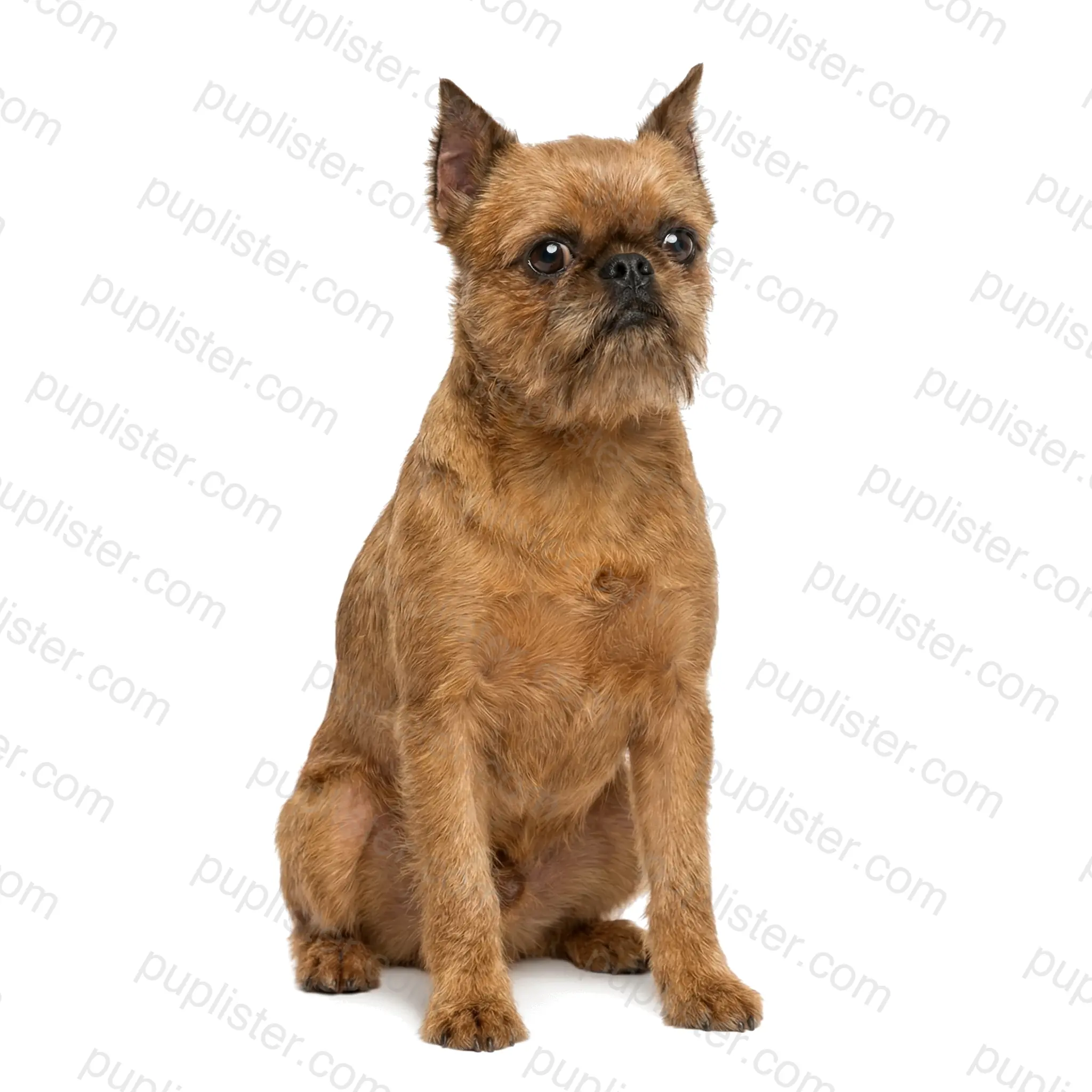
1About the Brussels Griffon The Brussels Griffon — or Griffon Bruxellois — originated in Brussels, Belgium, where it was initially bred as a stable ratter before becoming a beloved companion of Belgian nobility in the 19th century. These tiny, expressive dogs stand 7–10 inches tall and weigh 8–10 pounds, with a sturdy, thickset body that carries surprising heft for their size. They come in two coat varieties — rough (wiry, dense) and smooth (short, glossy) — in colors including red, beige, black-and-tan, and solid black.Temperament & PersonalityBrussels Griffons are spirited, curious, and remarkably self-important — they carry themselves with a confidence that far exceeds their diminutive stature. They form intense bonds with their primary person and can be quite demanding of attention, often described as "velcro dogs." While they can be good with older, respectful children, their small size and sometimes snappish nature make them unsuitable for households with toddlers or rough-handling youngsters.ProsCompact size makes them ideal for apartment and city livingHighly expressive and entertaining — their almost-human facial expressions are endlessly charmingAlert and vocal enough to serve as effective little watchdogsThe rough coat variety is low-shedding, suitable for those sensitive to pet hairConsCan be difficult to housebreak — patience and consistency are essentialProne to separation anxiety and may bark excessively when left aloneFragile build makes them vulnerable to injury from rough play or fallsBrachycephalic features contribute to respiratory issues, heat sensitivity, and eye problemsThese tiny dogs have enormous personalities — discover adoptable Brussels Griffons on Puplister and meet your perfect pint-sized companion.
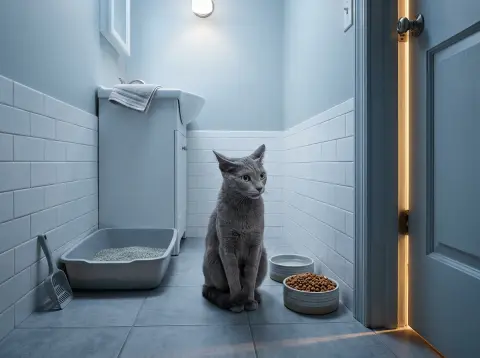
Adopted cat meowing all night? Discover why it happens, how to create a calm environment, and a realistic timeline to quiet nighttime meows.
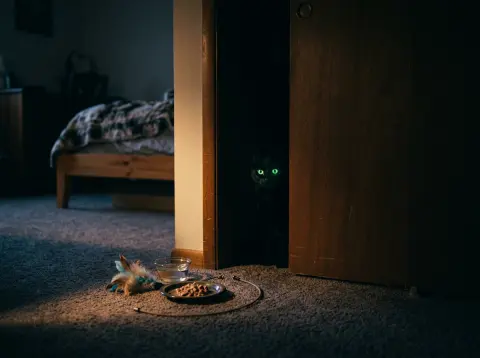
Is your adopted cat not eating? Learn the causes, from stress to past trauma, and discover practical solutions to get your new feline friend eating again.
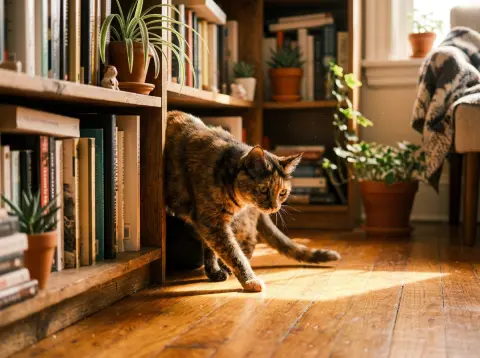
Is your new cat hiding and won't come out? It's normal, but proactive steps can help. Learn how to build trust with your shy adopted cat.
Discover how long it takes for a rescue cat to feel at home with our experienced guide, covering the 3-3-3 rule and actionable tips.