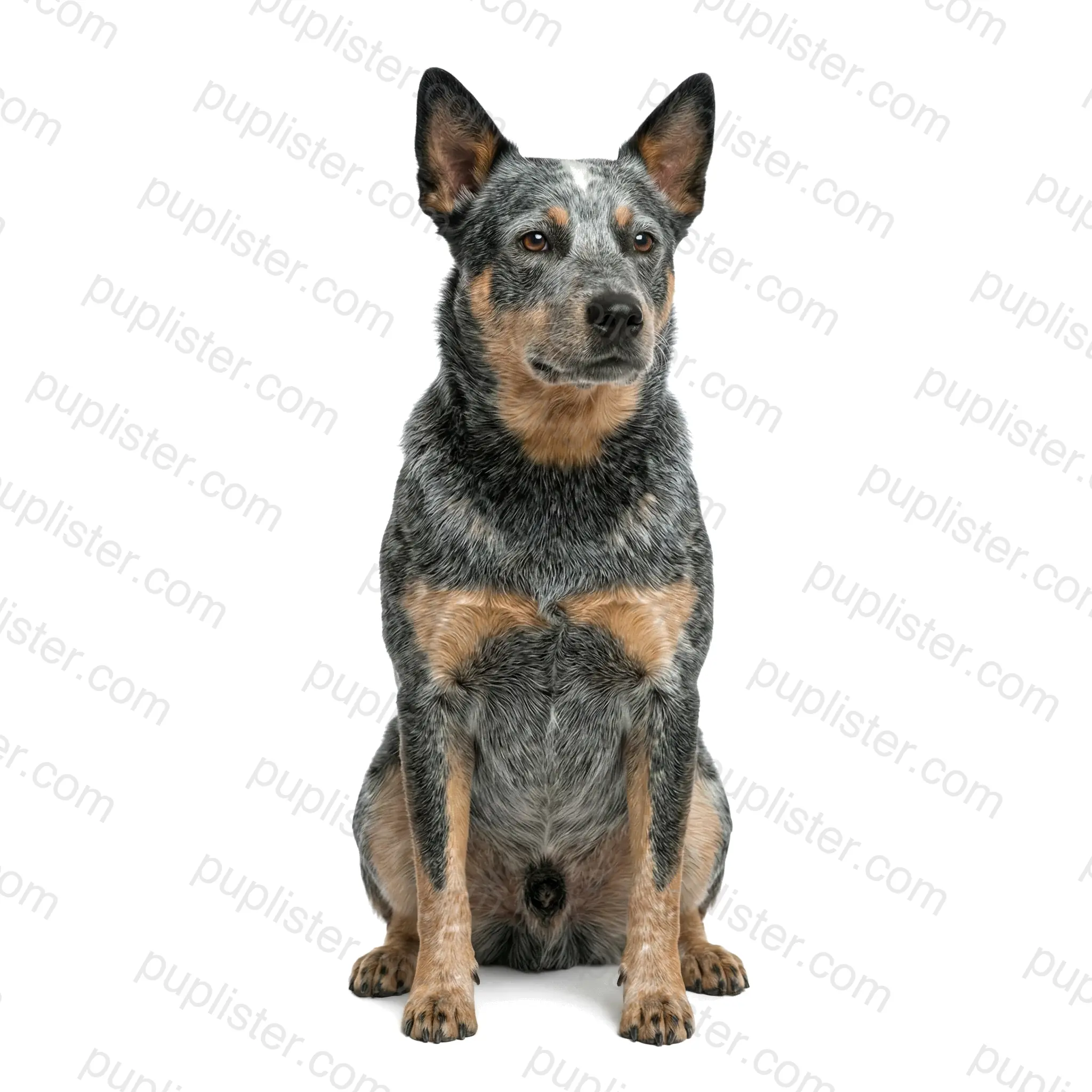
Australian Cattle Dog Australian Cattle Dog

Australian Cattle Dog

Intelligent Energetic Loyal Alert

About the Australian Cattle Dog

The Australian Cattle Dog — also known as the Blue Heeler or Red Heeler — was developed in 19th-century Australia by crossing native Dingoes with Collies and Dalmatians to create the ultimate cattle-herding dog. Compact and muscular, they stand 17–20 inches tall and weigh 35–50 pounds, with a sturdy build designed for all-day work in harsh outback conditions. Their distinctive short double coat comes in two color patterns — blue or blue-mottled and red speckled — and sheds moderately year-round.

Temperament & Personality

Australian Cattle Dogs are intensely loyal, highly intelligent, and tireless workers — they need a job to do or they will invent one, often to their owner's dismay. They bond deeply with one person and can be velcro dogs, following their favorite human everywhere. They are naturally cautious with strangers and may nip at heels — a herding instinct that needs to be redirected — but they are fiercely devoted companions for active owners.

Pros

  • Exceptionally intelligent and trainable — they excel in agility, herding trials, and obedience
  • Hardy and healthy with a long lifespan averaging 12–16 years
  • Compact size makes them manageable while still being robust enough for outdoor work
  • Low grooming requirements with their short, weather-resistant coat

Cons

  • Extremely high energy — requires 1–2 hours of vigorous exercise daily
  • Tendency to nip and herd children, other pets, and even adults
  • Can become destructive, anxious, or obsessive without adequate mental stimulation
  • Prone to progressive retinal atrophy, deafness, and hip dysplasia

Think you can keep up with an Australian Cattle Dog? Find your energetic companion on Puplister.

Australian Cattle Dog Quick Facts

Size
35–50 lbs, 17–20 in
Lifespan
12–16 years
Exercise
Very High
Grooming
Low
Good with Kids
Yes
Good with Pets
Not recommended

Is the Australian Cattle Dog right for you?

Answer 5 quick questions to see how well this breed matches your lifestyle.

Take the Quiz

Available Australian Cattle Dogs

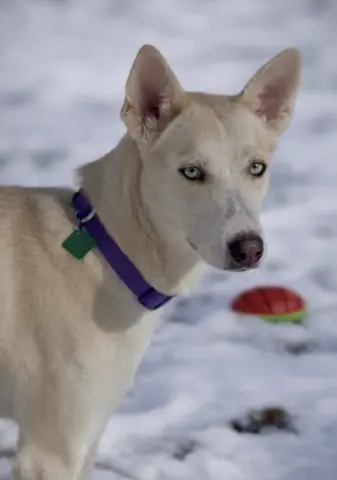
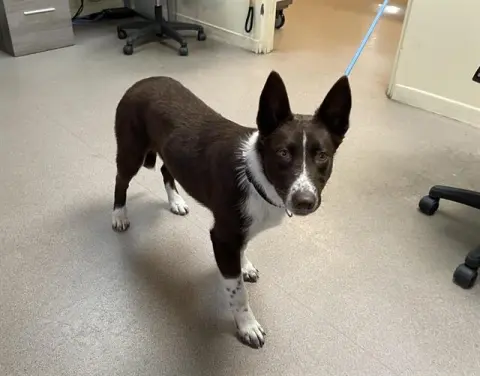
Peanut
Adult
Peanut
L

German Shepherd Dog / Australian Cattle Dog

Canine Companions Rescue Center · Clarkston, MI
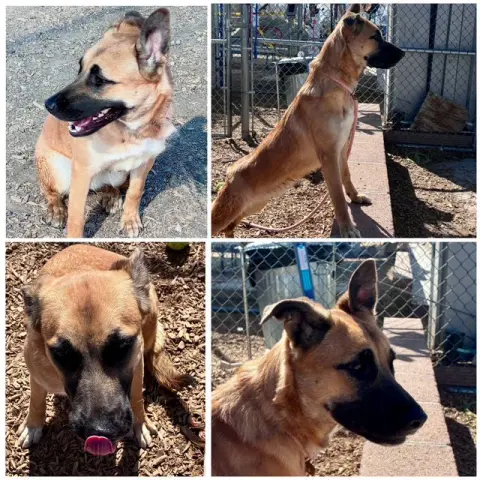
Sassy
Young
Sassy
M

Australian Cattle Dog

Albuquerque Animal Services · Albuquerque, NM
Brando
Adult
Brando
L

Australian Cattle Dog

Harris County Pets · Houston, TX
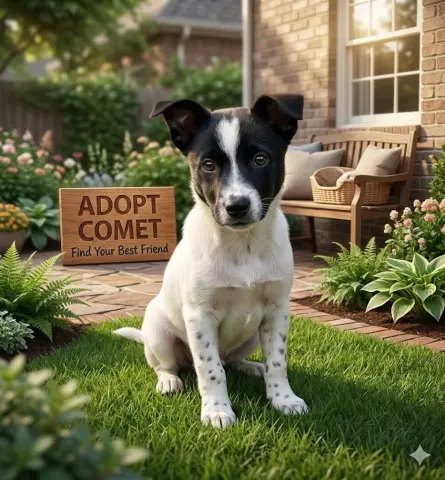
Comet
Baby
Comet
M

Australian Cattle Dog / Australian Shepherd

Hoovers Hause All Dog Rescue · Genesee, WI
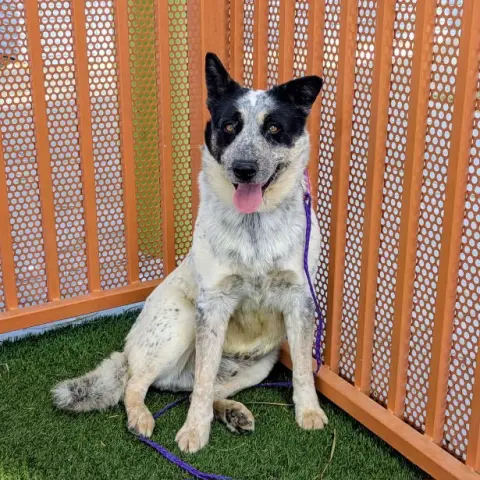
Domino
Young
Domino
L

Australian Cattle Dog

The Animal Foundation · Las Vegas, NV
Sprout
Young
Sprout
M

Australian Cattle Dog

Pasadena Humane · Pasadena, CA
Ronnie
Adult
Ronnie
M

Australian Cattle Dog

Animal Education And Rescue · Libertyville, IL
Timber
Adult
Timber
L

Australian Cattle Dog

Animal Education And Rescue · Libertyville, IL
Tiffany
Baby

Labrador Retriever / Australian Cattle Dog

Friends Of Campbell County Animal Control · Rustburg, VA
Buck
Baby
Buck
S

Labrador Retriever / Australian Cattle Dog

Friends Of Campbell County Animal Control · Rustburg, VA
Lola
Young
Lola
M

Australian Cattle Dog

Albuquerque Animal Services · Albuquerque, NM

Related Breeds

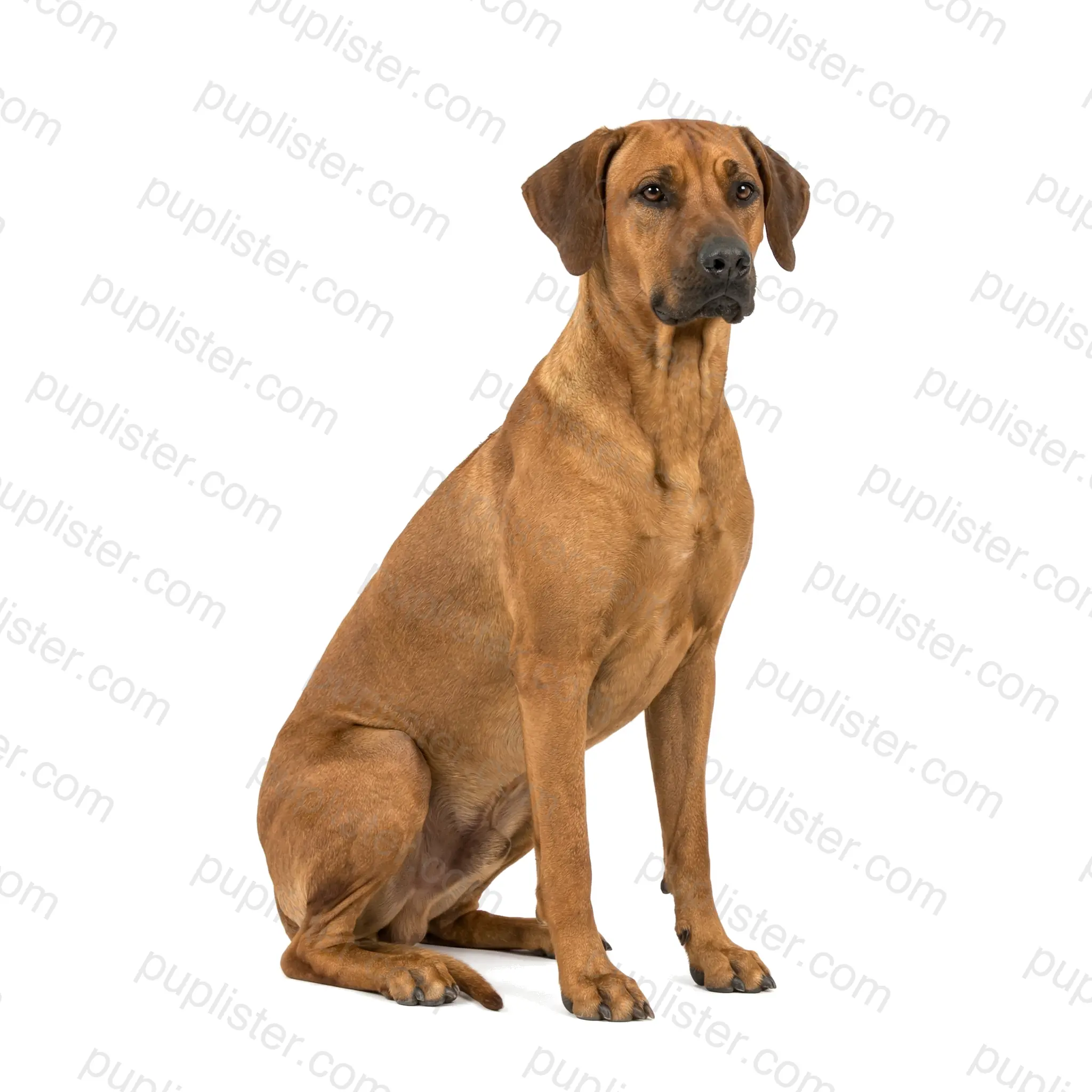
Rhodesian Ridgeback

8 pets available

About the Rhodesian Ridgeback The Rhodesian Ridgeback was developed in southern Africa by European settlers who crossed their dogs with the semi-domesticated ridged hunting dogs of the Khoikhoi people, creating a versatile hunter capable of tracking and holding lions at bay. These powerful, athletic dogs stand 24 to 27 inches tall and weigh 70 to 85 pounds, with a sleek, muscular physique built for speed and endurance. Their short, dense coat is light wheaten to red wheaten, and the breed's hallmark is a distinctive ridge of hair growing in the opposite direction along the spine. Temperament & Personality Rhodesian Ridgebacks are dignified, strong-willed, and intensely loyal — they form deep bonds with their families while maintaining an aloof independence with strangers. They are gentle and patient with children in their own household but possess a powerful protective instinct that requires experienced handling and thorough socialization. Ridgebacks are not typically aggressive but have a commanding presence and will not back down from a challenge if provoked. Pros Athletic and versatile — excels as a running, hiking, and lure coursing partnerLow-maintenance coat with minimal shedding and grooming needsNaturally clean breed with little doggy odorQuiet and dignified — rarely barks without good reason Cons Strong-willed and dominant — requires experienced, confident ownershipHigh prey drive makes them a risk around cats and small animalsProne to dermoid sinus (a congenital spinal defect unique to the breed), hip dysplasia, and bloatCan be destructive and escape-prone if under-exercised or bored The Rhodesian Ridgeback is a majestic, loyal guardian for the right home — find yours on Puplister.

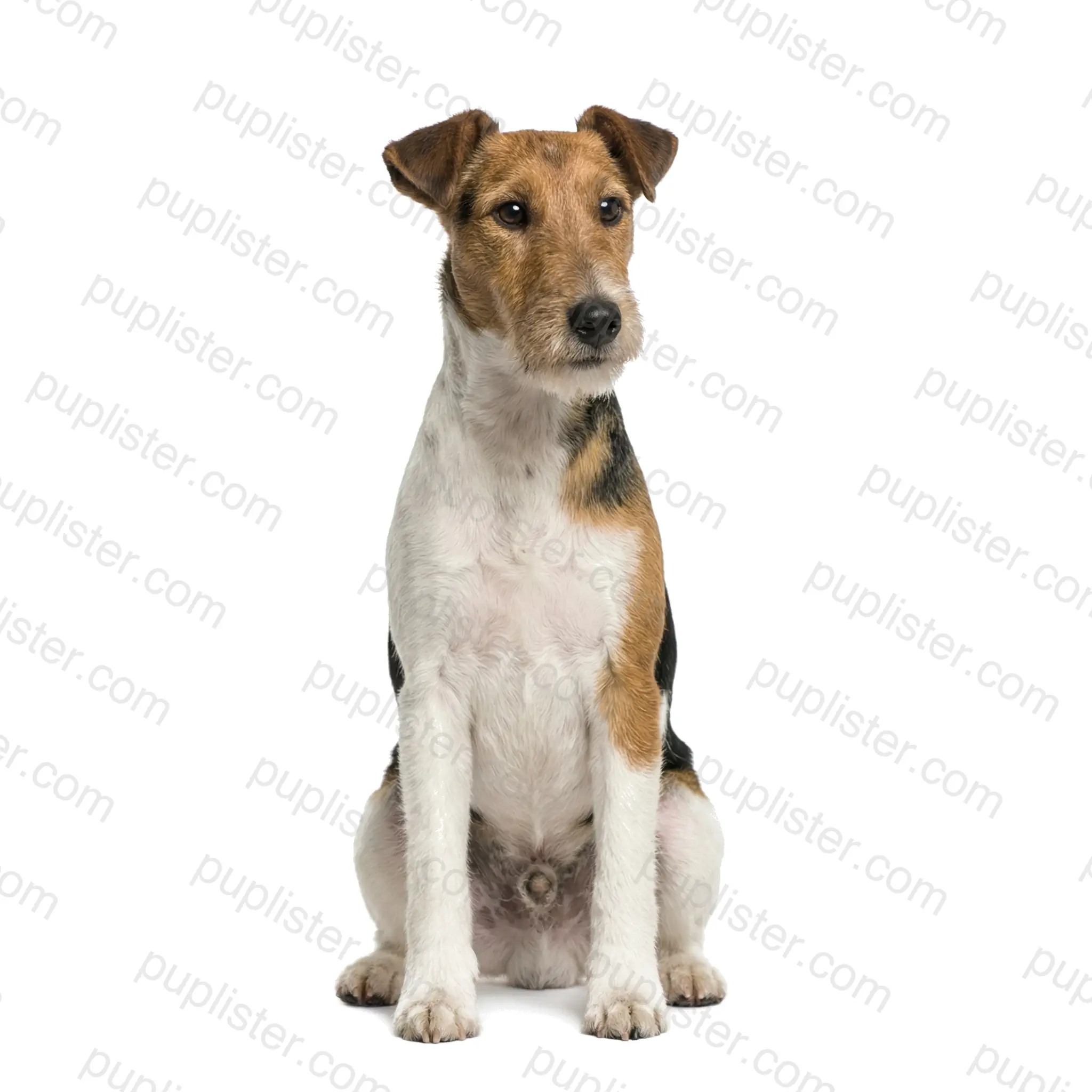
Fox Terrier

1 pet available

About the Fox Terrier The Fox Terrier — available in Smooth and Wire varieties — was originally bred in 18th-century England to bolt foxes from their dens during hunts. Standing 14–15.5 inches tall and weighing 15–18 pounds, these compact, muscular terriers are predominantly white with black, tan, or black-and-tan markings. The Wire Fox Terrier sports a dense, wiry coat with a distinctive beard and eyebrows, while the Smooth variety has a sleek, flat coat — both share the same fearless, high-energy temperament.Temperament & PersonalityFox Terriers are bold, curious, and endlessly entertaining — true terriers through and through with a mischievous streak that keeps their owners on their toes. They are alert, quick-witted dogs that approach life with infectious enthusiasm and a surprising amount of comedic timing. While affectionate with their families, they can be scrappy with other dogs and have an irrepressible urge to chase anything that moves.ProsEnergetic and entertaining companions — never a dull moment with a Fox TerrierExcellent watchdogs with a sharp, alert bark that deters intrudersWire variety has a hypoallergenic coat that sheds minimally when hand-strippedHardy, long-lived breed — typically 12–15 years with relatively few genetic health issuesConsStrong prey drive — will chase cats, squirrels, and small animals relentlesslyTendency to bark excessively — can be problematic in apartments or close-neighbor situationsCan be dog-aggressive and confrontational, especially with same-sex dogsExpert escape artists — will dig under or climb over fences with remarkable determinationIf you love spirited, fearless dogs with boundless personality, find Fox Terriers for adoption on Puplister.

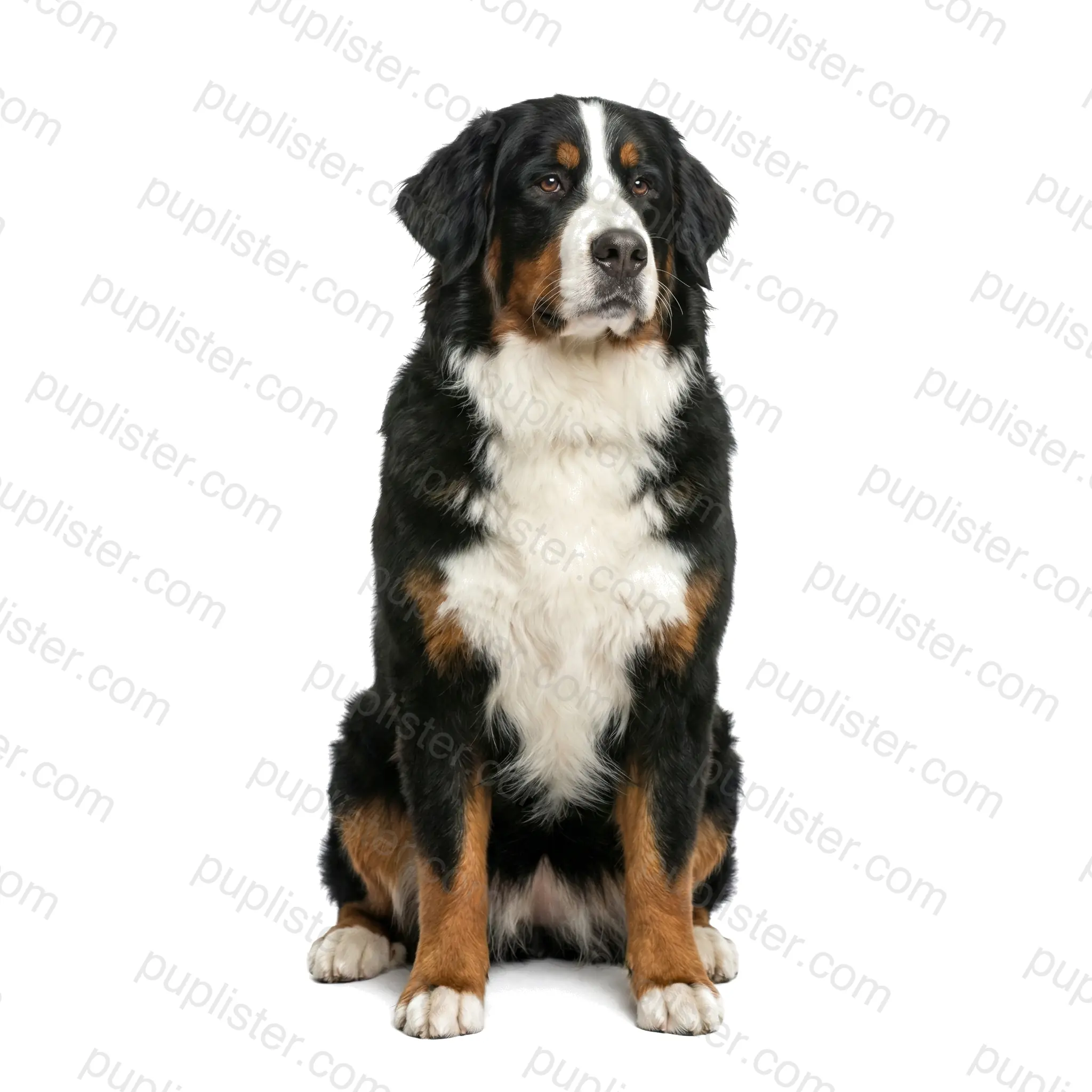
Bernese Mountain Dog

1 pet available

About the Bernese Mountain Dog The Bernese Mountain Dog — or Berner — originated in the Swiss Alps near the city of Bern, where it served as a versatile farm dog capable of drafting, herding, and guarding. These gentle giants stand 23–27.5 inches tall and weigh 70–115 pounds, with a sturdy, well-balanced frame built for mountain work. Their striking tri-color coat — jet black with rich rust and crisp white markings — is long, thick, and slightly wavy, designed to insulate against harsh alpine winters.Temperament & PersonalityBerners are calm, affectionate, and exceptionally good-natured — they are one of the most family-friendly large breeds, renowned for their patience and gentleness with children. They are eager to please and respond well to positive training methods, though they mature slowly and retain puppyish behavior longer than many breeds. They are friendly with other dogs and even cats, and their calm demeanor makes them excellent therapy dogs.ProsExceptionally gentle and patient with children — a true family dogEager to please and highly trainable with positive reinforcementCalm, steady temperament that adapts well to household routinesBeautiful, majestic appearance that commands admiration wherever they goConsTragically short lifespan — averaging only 6–8 years due to high cancer ratesHeavy shedding, especially during seasonal changes, requiring frequent groomingProne to hip and elbow dysplasia, histiocytic sarcoma, and bloatLarge size and drooling tendencies make them poorly suited for small living spacesBerners fill homes with warmth and love — discover adoptable Bernese Mountain Dogs on Puplister and welcome one into your family.

Labrador Retriever

295 pets available

4

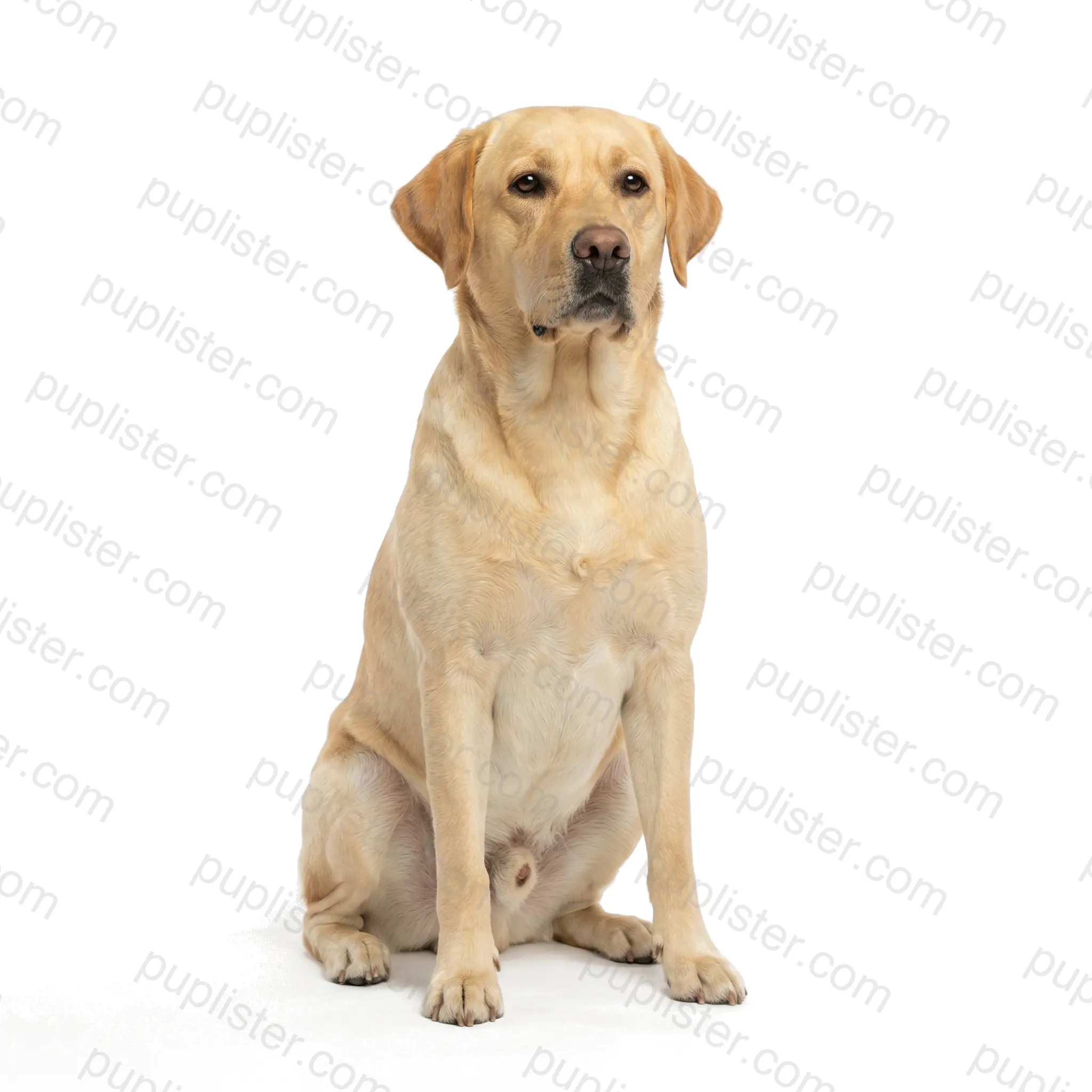
About the Labrador Retriever The Labrador Retriever has been America's most popular dog breed for over three decades — and for good reason. Originally bred in Newfoundland, Canada, during the early 19th century to help fishermen haul nets and retrieve catch from the icy North Atlantic, the breed was refined in England into the versatile sporting dog we know today. Labs stand 21.5–24.5 inches tall and weigh 55–80 pounds, with a short, dense, water-resistant double coat in three recognized colors: black, yellow (ranging from fox-red to pale cream), and chocolate.Temperament & PersonalityLabrador Retrievers are friendly, outgoing, and high-spirited — they greet nearly every person, dog, and situation with unbridled enthusiasm and a wagging tail. They are exceptionally patient and gentle with children, making them one of the most trusted family dogs in the world. Labs are also remarkably intelligent and eager to please, which is why they dominate as guide dogs, search-and-rescue dogs, therapy dogs, and detection dogs across dozens of working disciplines.ProsOutstanding family dog — patient, gentle, and naturally good with children of all agesHighly trainable and eager to please — consistently ranks among the most obedient breedsVersatile and adaptable — equally at home on the couch, in the field, or in the waterFriendly and social temperament — gets along well with other dogs, cats, and strangersConsHeavy shedding year-round with major seasonal blowouts — not suited for allergy sufferersProne to obesity — Labs are notoriously food-motivated and will eat anything not locked awayHigh energy in the first 2–3 years — requires substantial daily exercise to prevent destructive behaviorSusceptible to hip and elbow dysplasia, exercise-induced collapse, and progressive retinal atrophyThere's a reason the Lab is the world's favorite dog — discover adoptable Labrador Retrievers on Puplister today.

Related Articles

Frequently Asked Questions

What are the key traits of a Australian Cattle Dog?
The Australian Cattle Dog is known for being intelligent, energetic, loyal and alert.
How many Australian Cattle Dogs are available for adoption?
There are currently 60 Australian Cattle Dogs available for adoption on Puplister. Browse the listings above to find your perfect match.
How do I adopt a Australian Cattle Dog from Puplister?
To adopt a Australian Cattle Dog, browse the available listings on this page, click on a pet you're interested in, and contact the shelter directly through their profile page.