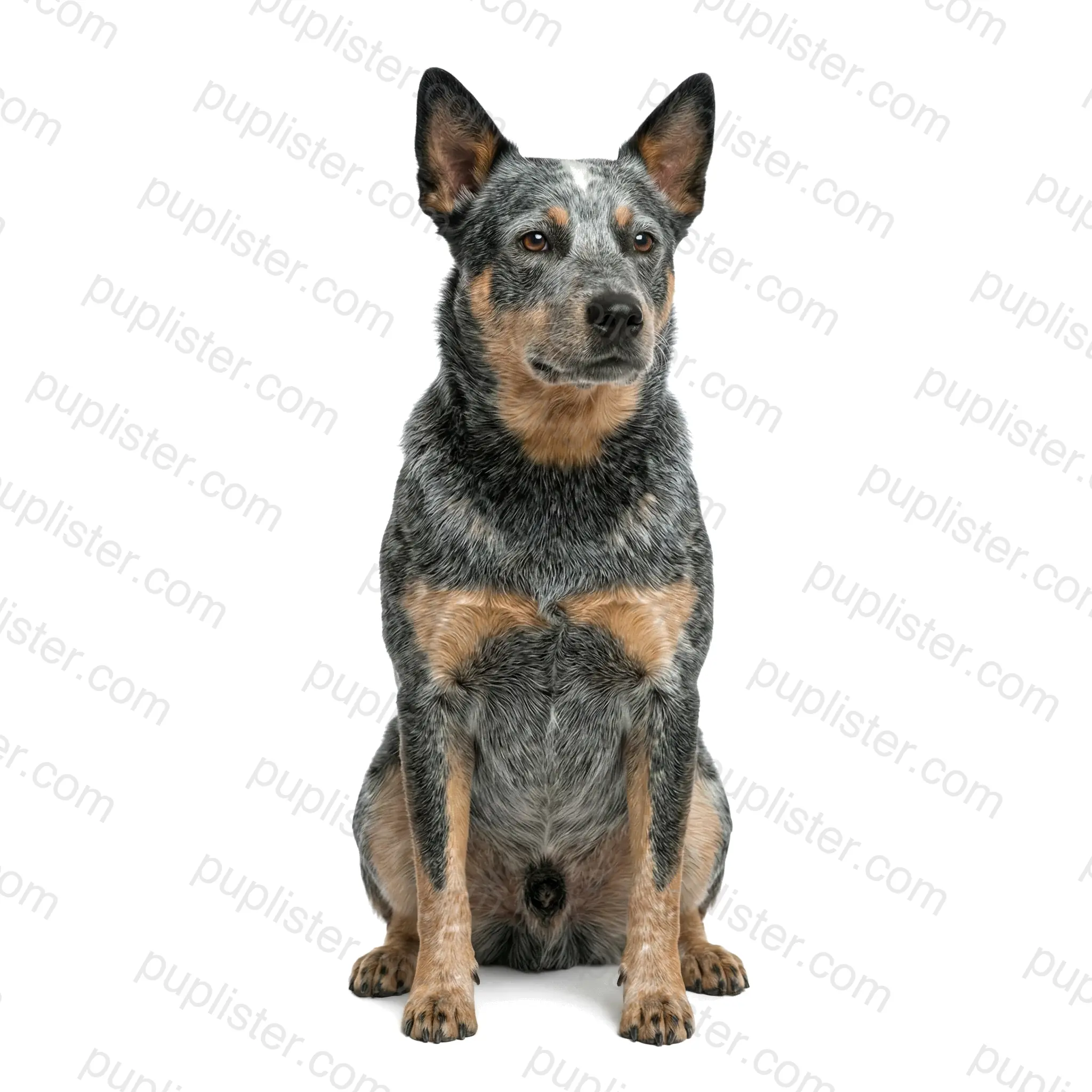
Australian Cattle Dog Australian Cattle Dog

Australian Cattle Dog

Intelligent Energetic Loyal Alert

About the Australian Cattle Dog

The Australian Cattle Dog — also known as the Blue Heeler or Red Heeler — was developed in 19th-century Australia by crossing native Dingoes with Collies and Dalmatians to create the ultimate cattle-herding dog. Compact and muscular, they stand 17–20 inches tall and weigh 35–50 pounds, with a sturdy build designed for all-day work in harsh outback conditions. Their distinctive short double coat comes in two color patterns — blue or blue-mottled and red speckled — and sheds moderately year-round.

Temperament & Personality

Australian Cattle Dogs are intensely loyal, highly intelligent, and tireless workers — they need a job to do or they will invent one, often to their owner's dismay. They bond deeply with one person and can be velcro dogs, following their favorite human everywhere. They are naturally cautious with strangers and may nip at heels — a herding instinct that needs to be redirected — but they are fiercely devoted companions for active owners.

Pros

  • Exceptionally intelligent and trainable — they excel in agility, herding trials, and obedience
  • Hardy and healthy with a long lifespan averaging 12–16 years
  • Compact size makes them manageable while still being robust enough for outdoor work
  • Low grooming requirements with their short, weather-resistant coat

Cons

  • Extremely high energy — requires 1–2 hours of vigorous exercise daily
  • Tendency to nip and herd children, other pets, and even adults
  • Can become destructive, anxious, or obsessive without adequate mental stimulation
  • Prone to progressive retinal atrophy, deafness, and hip dysplasia

Think you can keep up with an Australian Cattle Dog? Find your energetic companion on Puplister.

Australian Cattle Dog Quick Facts

Size
35–50 lbs, 17–20 in
Lifespan
12–16 years
Exercise
Very High
Grooming
Low
Good with Kids
Yes
Good with Pets
Not recommended

Is the Australian Cattle Dog right for you?

Answer 5 quick questions to see how well this breed matches your lifestyle.

Take the Quiz

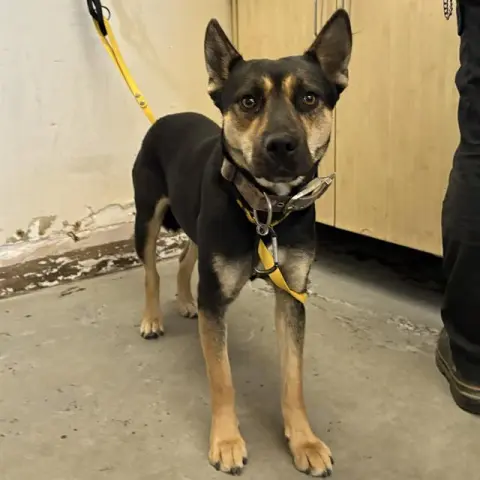
Available Australian Cattle Dogs

Rocky
Young
Rocky
L

Australian Cattle Dog

Miami-Dade Animal Services · Miami, FL
Champ
Young
Champ
L

Australian Cattle Dog

Last Chance Animal Rescue · Holbrook, NY
Flynn
Adult
Flynn
M

Labrador Retriever / Australian Cattle Dog

Golden Belt Humane Society · Great Bend, KS
Hopper
Young
Hopper
L

Pembroke Welsh Corgi / Australian Cattle Dog

Greater Derry Humane Society · East Derry, NH
Salee
Baby
Salee
S

Australian Cattle Dog / Australian Shepherd

The Animal Rescue Alliance · Raytown, MO
Teagan
Baby
Teagan
M

Australian Cattle Dog / Mixed

Hoovers Hause All Dog Rescue · Genesee, WI
Baba O'Reilly
Baby

Mixed / Australian Cattle Dog

Pawfect Match Rescue · Holly Springs, NC
Rascal
Baby
Rascal
S

Australian Cattle Dog / Mixed

Pawfect Match Rescue · Holly Springs, NC
Steinbeck
Young

Australian Cattle Dog / Mixed

Rescue Rovers Dog Adoptions · Sandy, UT

Related Breeds

Dachshund
Dachshund Dog

39 pets available

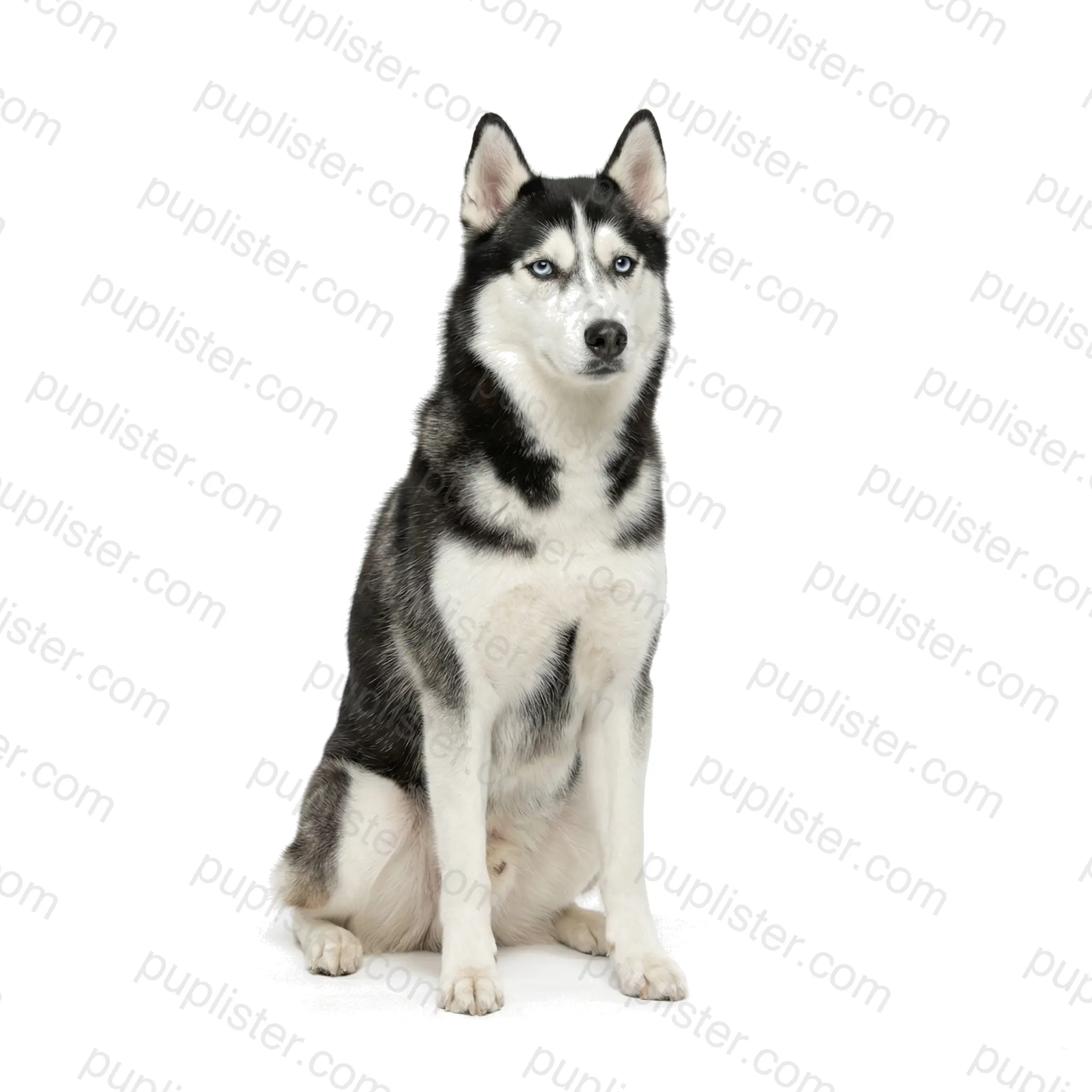
About the Dachshund The Dachshund — affectionately known as the "wiener dog" — was developed in Germany over 300 years ago to hunt badgers in their underground dens, which explains their uniquely elongated body and short, powerful legs. They come in two sizes — Standard (16–32 pounds) and Miniature (under 11 pounds) — and three coat types: smooth, longhaired, and wirehaired, each with its own personality nuances. Their color palette is remarkably varied, including red, black and tan, chocolate, dapple, brindle, and piebald patterns.Temperament & PersonalityDachshunds are bold, clever, and remarkably stubborn — a combination that makes them endlessly entertaining and occasionally infuriating. They're fiercely loyal to their families and can be surprisingly courageous watchdogs, barking with the intensity of a dog three times their size. While affectionate with their people, they can be wary of strangers and may not tolerate rough handling from young children.ProsCompact size and moderate exercise needs make them excellent apartment companionsBold, entertaining personality — constantly amusing their owners with clownish anticsLong lifespan of 12–16 years with proper care and weight managementWirehaired variety sheds minimally and is well-suited for allergy-conscious homesConsExtremely prone to intervertebral disc disease — 1 in 4 will experience back problemsNotoriously difficult to housebreak — often takes 6+ months of consistent trainingStrong prey drive and tunneling instinct — will dig up gardens and chase small animals relentlesslyProne to obesity, which dramatically increases the risk of spinal injuriesCharmed by these spirited little hounds? Find Dachshunds seeking loving homes on Puplister today.

English Setter

2 pets available

1

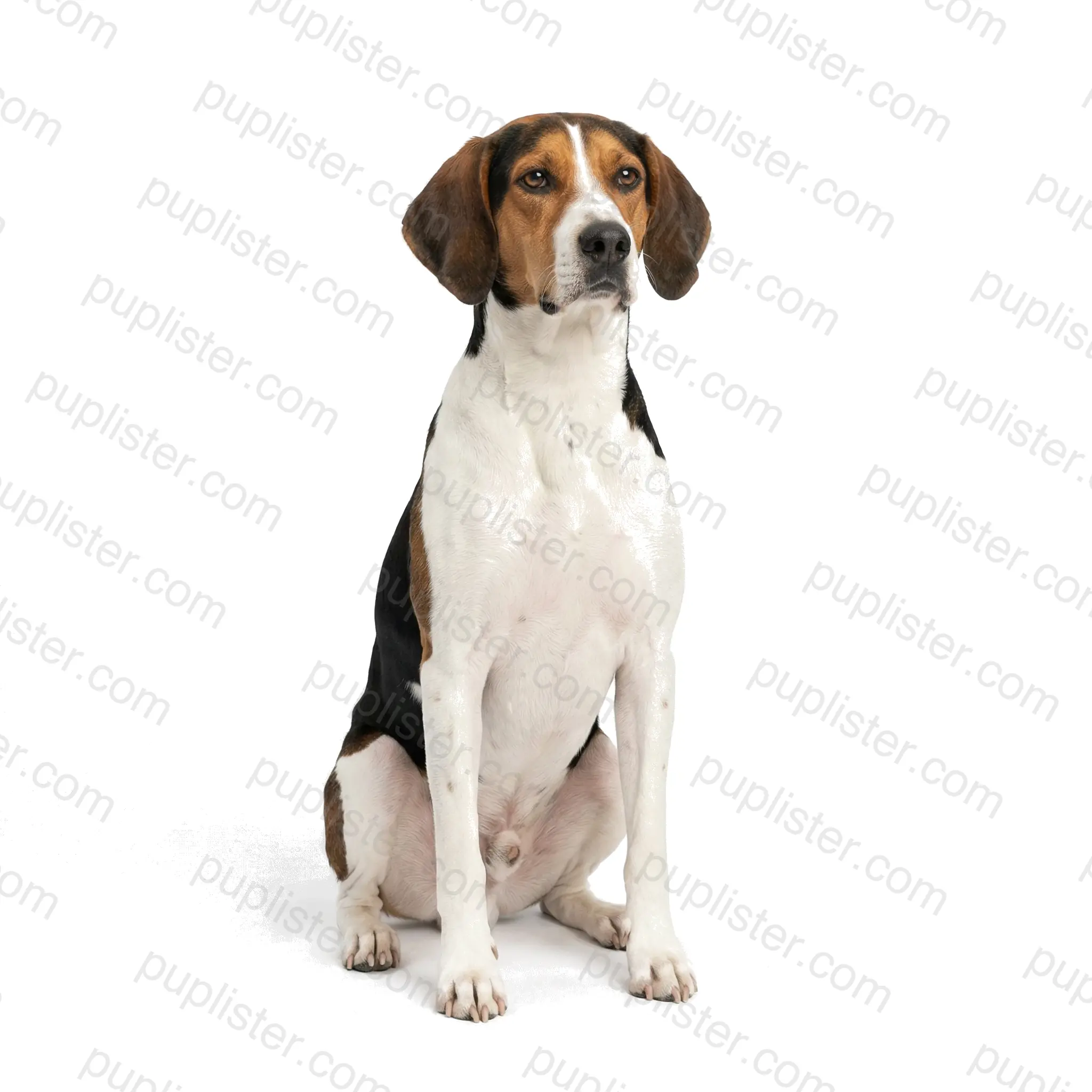
About the English Setter The English Setter is one of the oldest gun dog breeds — developed in England over 400 years ago to locate game birds by crouching or "setting" to indicate their position. Standing 23–27 inches tall and weighing 45–80 pounds, these graceful dogs are renowned for their beautiful feathered coat in distinctive "belton" patterns — blue belton, orange belton, tricolor, lemon belton, and liver belton. Their elegant appearance, with long, silky ears and a gently flowing coat, has earned them the title of the most beautiful sporting breed.Temperament & PersonalityEnglish Setters are gentle, sweet-natured dogs with a calm indoor demeanor that belies their energetic field abilities. They are exceptionally good with children — patient and tolerant even with rough toddler play — and generally accepting of other dogs and household pets. Their affectionate, people-oriented nature makes them poor kennel dogs; they need to live as part of the family to thrive emotionally.ProsOne of the gentlest sporting breeds — excellent with children of all ages and other petsCalm and quiet indoors when given adequate outdoor exerciseFriendly toward strangers — makes a welcoming family dog without guarding tendenciesVersatile field dog that transitions beautifully from hunting companion to couch cuddlerConsFeathered coat requires regular grooming — brushing 3–4 times weekly to prevent tanglesProne to elbow dysplasia, hypothyroidism, and congenital deafnessStrong hunting instincts — will bolt after birds and small animals if not in a secure areaCan be slow to mature mentally — puppy-like behavior often persists until age 3 or beyondDiscover the beauty and gentleness of the English Setter — find one waiting for a home on Puplister.

Labrador Retriever

300 pets available

4

About the Labrador Retriever The Labrador Retriever has been America's most popular dog breed for over three decades — and for good reason. Originally bred in Newfoundland, Canada, during the early 19th century to help fishermen haul nets and retrieve catch from the icy North Atlantic, the breed was refined in England into the versatile sporting dog we know today. Labs stand 21.5–24.5 inches tall and weigh 55–80 pounds, with a short, dense, water-resistant double coat in three recognized colors: black, yellow (ranging from fox-red to pale cream), and chocolate.Temperament & PersonalityLabrador Retrievers are friendly, outgoing, and high-spirited — they greet nearly every person, dog, and situation with unbridled enthusiasm and a wagging tail. They are exceptionally patient and gentle with children, making them one of the most trusted family dogs in the world. Labs are also remarkably intelligent and eager to please, which is why they dominate as guide dogs, search-and-rescue dogs, therapy dogs, and detection dogs across dozens of working disciplines.ProsOutstanding family dog — patient, gentle, and naturally good with children of all agesHighly trainable and eager to please — consistently ranks among the most obedient breedsVersatile and adaptable — equally at home on the couch, in the field, or in the waterFriendly and social temperament — gets along well with other dogs, cats, and strangersConsHeavy shedding year-round with major seasonal blowouts — not suited for allergy sufferersProne to obesity — Labs are notoriously food-motivated and will eat anything not locked awayHigh energy in the first 2–3 years — requires substantial daily exercise to prevent destructive behaviorSusceptible to hip and elbow dysplasia, exercise-induced collapse, and progressive retinal atrophyThere's a reason the Lab is the world's favorite dog — discover adoptable Labrador Retrievers on Puplister today.

Redbone Coonhound

5 pets available

About the Redbone Coonhound The Redbone Coonhound was developed in the southern United States during the late 18th century from red foxhounds brought by Scottish immigrants, refined over generations into a sleek, powerful trailing hound. These athletic dogs stand 21 to 27 inches tall and weigh 45 to 70 pounds, with a lean yet muscular build designed for stamina over rough terrain. Their rich, deep red coat — the breed's most distinctive feature — is short, smooth, and glossy, giving them a strikingly handsome appearance. Temperament & Personality Redbone Coonhounds are easygoing, affectionate, and remarkably gentle for a hunting breed — they love being around their people and are known for their mellow, agreeable disposition at home. They are excellent with children, typically friendly with other dogs, and possess a happy-go-lucky attitude that makes them wonderful family companions. On the trail, however, they become focused and driven, with a deep, melodious bay that carries for miles. Pros Gentle, laid-back temperament that makes them great family dogsStrikingly beautiful red coat with minimal grooming requirementsExcellent hiking and outdoor companion with tireless staminaGood with children, other dogs, and typically non-aggressive Cons Extremely vocal — deep baying and howling can disturb neighborsVery strong scent drive makes off-leash reliability nearly impossibleCan be slow to housetrain compared to many other breedsProne to hip dysplasia, ear infections due to long ears, and obesity The Redbone Coonhound's gentle soul and gorgeous coat are hard to resist — discover available Redbones on Puplister.

Related Articles

Frequently Asked Questions

What are the key traits of a Australian Cattle Dog?
The Australian Cattle Dog is known for being intelligent, energetic, loyal and alert.
How many Australian Cattle Dogs are available for adoption?
There are currently 60 Australian Cattle Dogs available for adoption on Puplister. Browse the listings above to find your perfect match.
How do I adopt a Australian Cattle Dog from Puplister?
To adopt a Australian Cattle Dog, browse the available listings on this page, click on a pet you're interested in, and contact the shelter directly through their profile page.