Adopted Cat Meowing All Night: How to Stop It
Adopted cat meowing all night? Discover why it happens, how to create a calm environment, and a realistic timeline to quiet nighttime meows.
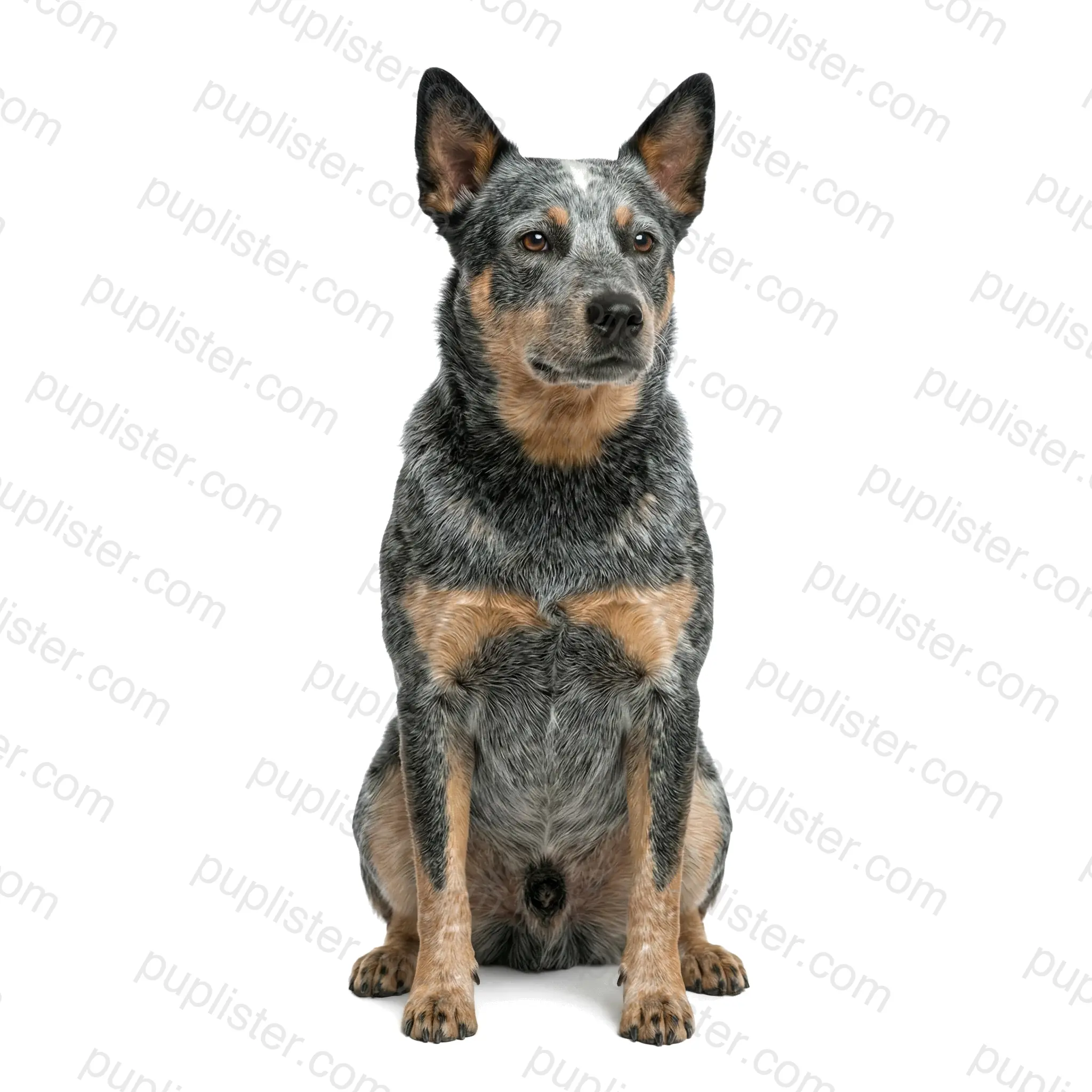
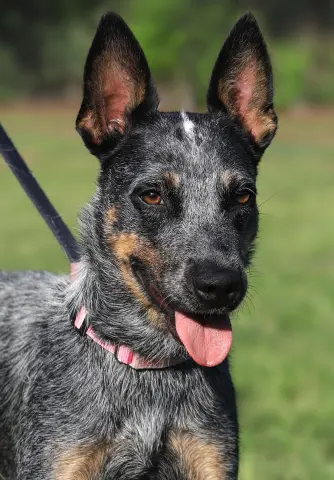
The Australian Cattle Dog — also known as the Blue Heeler or Red Heeler — was developed in 19th-century Australia by crossing native Dingoes with Collies and Dalmatians to create the ultimate cattle-herding dog. Compact and muscular, they stand 17–20 inches tall and weigh 35–50 pounds, with a sturdy build designed for all-day work in harsh outback conditions. Their distinctive short double coat comes in two color patterns — blue or blue-mottled and red speckled — and sheds moderately year-round.
Australian Cattle Dogs are intensely loyal, highly intelligent, and tireless workers — they need a job to do or they will invent one, often to their owner's dismay. They bond deeply with one person and can be velcro dogs, following their favorite human everywhere. They are naturally cautious with strangers and may nip at heels — a herding instinct that needs to be redirected — but they are fiercely devoted companions for active owners.
Think you can keep up with an Australian Cattle Dog? Find your energetic companion on Puplister.
Answer 5 quick questions to see how well this breed matches your lifestyle.
German Shepherd Dog / Australian Cattle Dog
Labrador Retriever / Australian Cattle Dog
4 pets available
About the Cocker Spaniel The American Cocker Spaniel — the smallest of the sporting breeds — descended from English Cocker Spaniels brought to North America in the late 1800s and was developed as both a skilled bird flusher and an adoring family companion. Standing 13.5–15.5 inches tall and weighing 20–30 pounds, the Cocker Spaniel is known for its luxurious, silky coat that comes in black, ASCOB (any solid color other than black), and parti-color varieties. Their large, soulful dark eyes and perpetually wagging tail have made them one of America's most beloved breeds for decades.Temperament & PersonalityCocker Spaniels are the quintessential happy dog — eager to please, gentle, and brimming with affection for everyone they meet. They thrive on human companionship and are wonderful with children, other dogs, and even cats when properly introduced. Their sensitive nature means they respond best to positive reinforcement and can become anxious or submissive if treated harshly.ProsGentle, merry temperament makes them one of the best breeds for families with young childrenHighly trainable and eager to please — excel in obedience and agilityAdaptable to apartment living provided they receive daily walks and playFriendly with strangers, other dogs, and household pets — rarely aggressiveConsCoat requires professional grooming every 4–6 weeks plus daily brushing to prevent mattingProne to chronic ear infections due to long, heavy ear flaps that trap moistureHigh incidence of eye conditions including cataracts, glaucoma, and cherry eyeSome lines suffer from "rage syndrome" — sudden unprovoked aggression linked to poor breedingReady to welcome a joyful, tail-wagging Cocker Spaniel into your life? Find your perfect match on Puplister.
1 pet available
1About the Basenji The Basenji is an ancient breed originating from Central Africa — specifically the Congo region — where it was used by indigenous peoples for hunting small game in dense forests. Often called the "barkless dog," Basenjis stand 16–17 inches tall and weigh 22–24 pounds, with a sleek, elegant build made for speed and agility. Their short, fine coat comes in chestnut red, black, tricolor, and brindle — always with white markings on the feet, chest, and tail tip — and requires almost no grooming.Temperament & PersonalityBasenjis are curious, independent, and remarkably cat-like in their behavior — they groom themselves fastidiously, can climb, and often perch on high surfaces to survey their domain. While they don't bark, they are far from silent, producing a unique yodel-like sound called a "baroo." They bond closely with their family but are aloof with strangers, and their strong prey drive and independent nature make them a challenging but rewarding breed for experienced owners.ProsVirtually no doggy odor and minimal shedding — one of the cleanest dog breedsQuiet breed that doesn't bark, ideal for noise-sensitive living situationsCompact and athletic with a graceful, elegant appearanceHighly intelligent and endlessly entertaining with their curious anticsConsExtremely independent and stubborn — conventional obedience training often failsStrong prey drive makes them unsafe around small animals and unreliable off-leashNotorious escape artists who can climb fences and open gatesProne to Fanconi syndrome, progressive retinal atrophy, and hypothyroidismIntrigued by the Basenji's unique charm? Explore adoptable Basenjis on Puplister and meet this one-of-a-kind breed.
1 pet available
About the Saint Bernard The Saint Bernard originated in the Swiss Alps at the Great St. Bernard Hospice, where monks bred these massive dogs for over 1,000 years to locate and rescue travelers lost in snowstorms along the treacherous mountain pass. Males typically stand 28 to 30 inches tall and weigh 140 to 180 pounds, though individuals exceeding 200 pounds are not uncommon. Their coat comes in two varieties — short-haired (smooth) and long-haired (rough) — both in white with red, mahogany, brindle, or brown markings. Temperament & Personality Saint Bernards are gentle, patient, and extraordinarily tolerant — their legendary devotion to humans extends to being remarkably careful and nurturing around children despite their massive size. They are friendly with strangers, other dogs, and household pets, possessing a calm, unflappable demeanor that makes them wonderful therapy dogs. While not aggressive, their sheer size and deep bark are often enough to deter unwanted visitors. Pros Exceptionally gentle and patient — one of the best giant breeds for families with childrenCalm, low-energy indoor demeanor despite enormous sizeFriendly and non-aggressive toward people and other animalsImposing presence provides natural deterrent without guard training Cons Legendary drooling — especially the loose-lipped, heavy-jowled individualsShort lifespan of 8 to 10 years, with some living even lessProne to hip and elbow dysplasia, bloat, osteosarcoma, and dilated cardiomyopathyEnormous food costs and substantial space requirements for comfortable living Few breeds embody devotion quite like the Saint Bernard — find one in need of a loving home on Puplister.
23 pets available
2About the Great Pyrenees The Great Pyrenees — named for the Pyrenees Mountains between France and Spain where they guarded flocks for centuries — is a majestic, powerful livestock guardian with roots stretching back thousands of years to ancient Asia Minor. Standing 25–32 inches tall and weighing 85–115 pounds, these imposing dogs wear a thick, weather-resistant double coat that is predominantly white, sometimes with markings of badger, gray, reddish-brown, or tan. Their calm, regal bearing and abundant white coat give them an almost bear-like appearance that commands respect.Temperament & PersonalityGreat Pyrenees are independent, patient, and serenely confident — bred for millennia to make their own decisions while guarding flocks without human direction. They are gentle and affectionate with their families, particularly protective of children, whom they tend to view as part of their "flock." However, their independent guardian nature means they are not eager-to-please dogs — they will consider your commands and decide whether compliance serves their protective mission.ProsExceptional livestock and property guardian — naturally protective without aggression trainingGentle and patient with children — instinctively nurturing toward young family membersCalm, low-energy indoors — content to rest and observe during the dayThick coat insulates against both extreme cold and moderate heatConsNotorious wanderers — will roam far from home if not contained by secure fencingHeavy nocturnal barking — bred to bark at predators through the night, which disturbs neighborsExtremely independent and stubborn — among the most difficult breeds to obedience trainMassive shedding — the thick undercoat blows seasonally and produces enormous quantities of loose furIf you have the space and patience for a noble guardian, find Great Pyrenees on Puplister today.
Adopted cat meowing all night? Discover why it happens, how to create a calm environment, and a realistic timeline to quiet nighttime meows.
Is your adopted cat not eating? Learn the causes, from stress to past trauma, and discover practical solutions to get your new feline friend eating again.
Is your new cat hiding and won't come out? It's normal, but proactive steps can help. Learn how to build trust with your shy adopted cat.
Discover how long it takes for a rescue cat to feel at home with our experienced guide, covering the 3-3-3 rule and actionable tips.