Australian Shepherd Australian Shepherd

Australian Shepherd

Smart Exuberant Work-oriented Loyal

About the Australian Shepherd

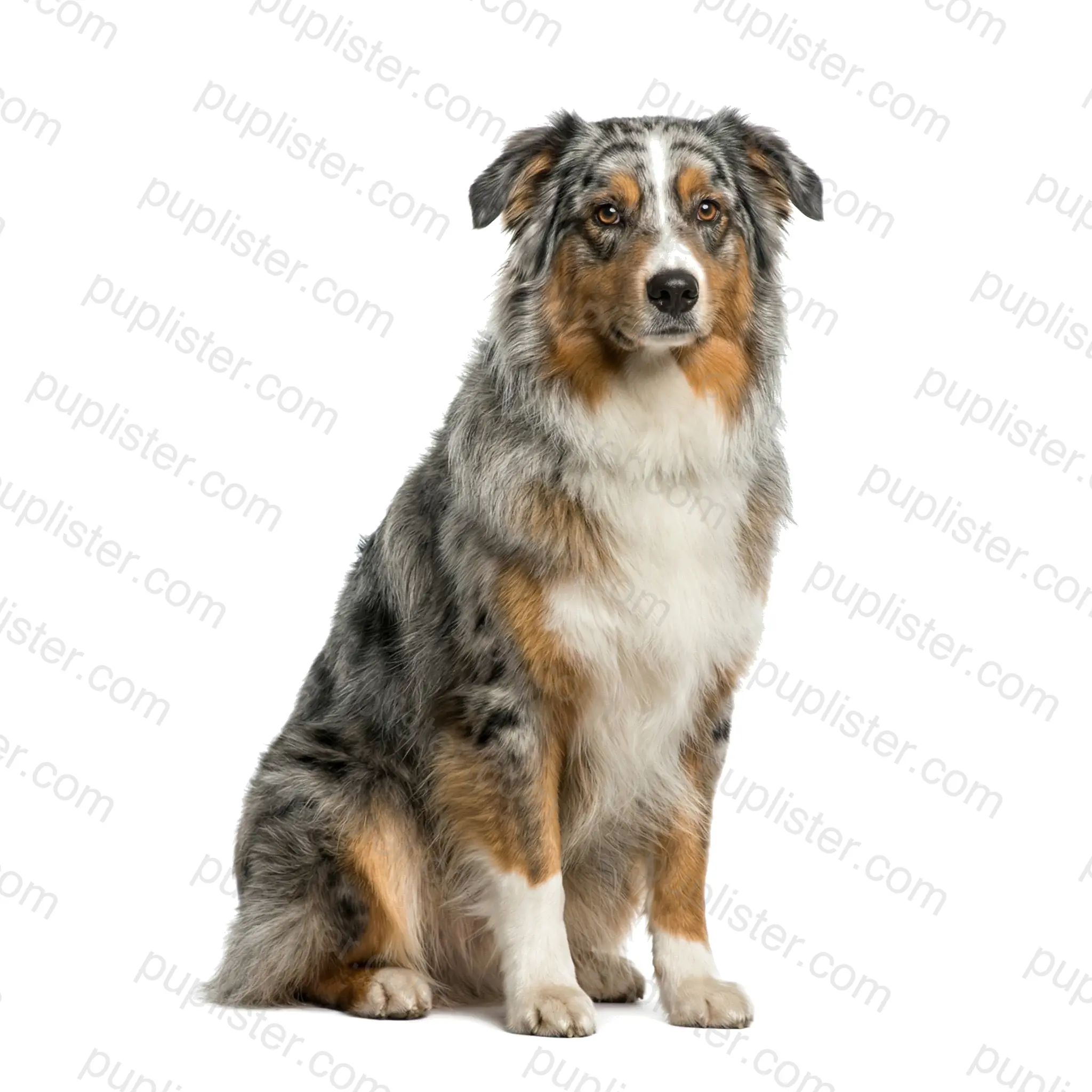
Despite its name, the Australian Shepherd was actually developed in the western United States during the 19th century, likely from Basque shepherd dogs that passed through Australia on their way to America. These versatile herding dogs stand 18–23 inches tall and weigh 40–65 pounds, with a medium-length double coat that comes in four recognized colors — black, blue merle, red, and red merle — often with striking copper and white markings. Their coats are weather-resistant and require regular brushing to manage moderate-to-heavy shedding.

Temperament & Personality

Australian Shepherds are brilliant, energetic, and deeply devoted to their families — they thrive when given a purpose and can become anxious or destructive without one. They are excellent with children, often naturally herding and watching over younger family members. Aussies are typically friendly with other dogs but can be reserved with strangers, and their intelligence makes them exceptionally responsive to training.

Pros

  • One of the most intelligent and trainable breeds — excels in agility, flyball, and herding
  • Loyal and affectionate family companion who bonds closely with all household members
  • Versatile working dog adaptable to ranch life, sport, or active suburban living
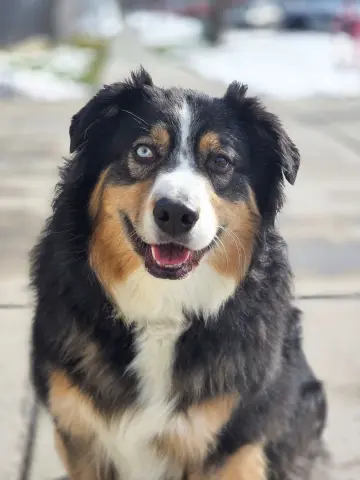
  • Beautiful, eye-catching coat with striking color variations including heterochromia

Cons

  • Demands extensive daily exercise and mental engagement — easily 1–2 hours minimum
  • Heavy shedding, especially during seasonal coat changes
  • May herd children, cats, and other pets by nipping at heels
  • Prone to epilepsy, hip dysplasia, and the MDR1 gene mutation affecting drug sensitivity

Aussies are incredible partners for active families — discover adoptable Australian Shepherds waiting for you on Puplister.

Australian Shepherd Quick Facts

Size
40–65 lbs, 18–23 in
Lifespan
12–15 years
Exercise
Very High
Grooming
Moderate
Good with Kids
Yes
Good with Pets
Yes

Is the Australian Shepherd right for you?

Answer 5 quick questions to see how well this breed matches your lifestyle.

Take the Quiz

Available Australian Shepherds

Liio
Adult
Liio
M

Australian Shepherd / German Shepherd Dog

Rescue Rovers Dog Adoptions · Sandy, UT
Emily
Young
Emily
S

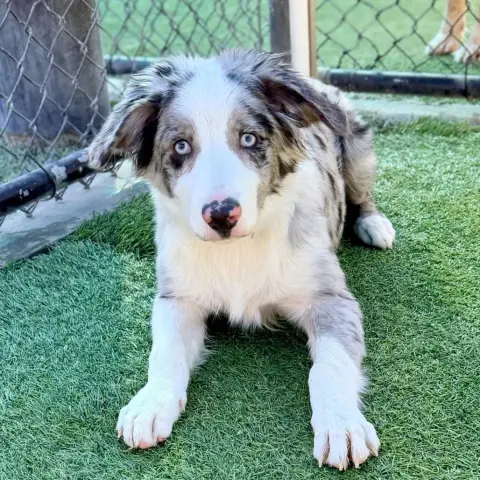
Australian Shepherd

Riverside County Animal Control · Riverside, CA
Brody
Baby
Brody
S

Australian Shepherd

Magnificent Mutts Rescue · Hillside, IL
Layla
Young
Layla
M

Australian Shepherd

Animal House Shelter · Huntley, IL
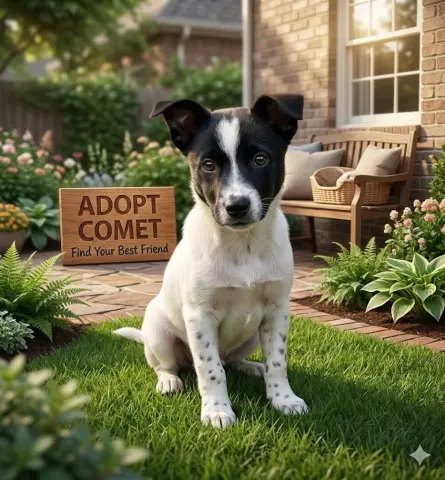
Comet
Baby
Comet
M

Australian Cattle Dog / Australian Shepherd

Hoovers Hause All Dog Rescue · Genesee, WI
Lainey
Young
Lainey
M

Poodle / Australian Shepherd

REACH Rescue · Mundelein, IL
Rebecca
Adult

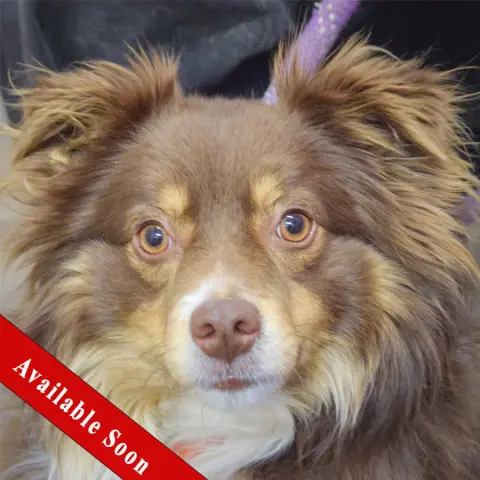
Australian Shepherd

Long Beach Animal Care Services · Long Beach, CA
Adelaide
Young

Australian Shepherd / Australian Cattle Dog

Animal Sanctuary Society · Mount Laurel, NJ
Salee
Baby
Salee
S

Australian Cattle Dog / Australian Shepherd

The Animal Rescue Alliance · Raytown, MO
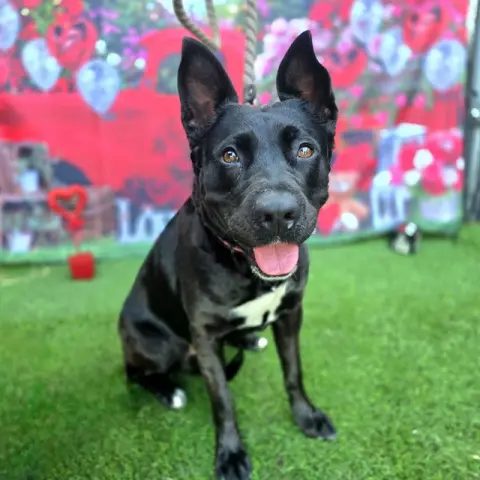
Lucy
Young
Lucy
M

Labrador Retriever / Australian Shepherd

Animal House Shelter · Huntley, IL

Related Breeds

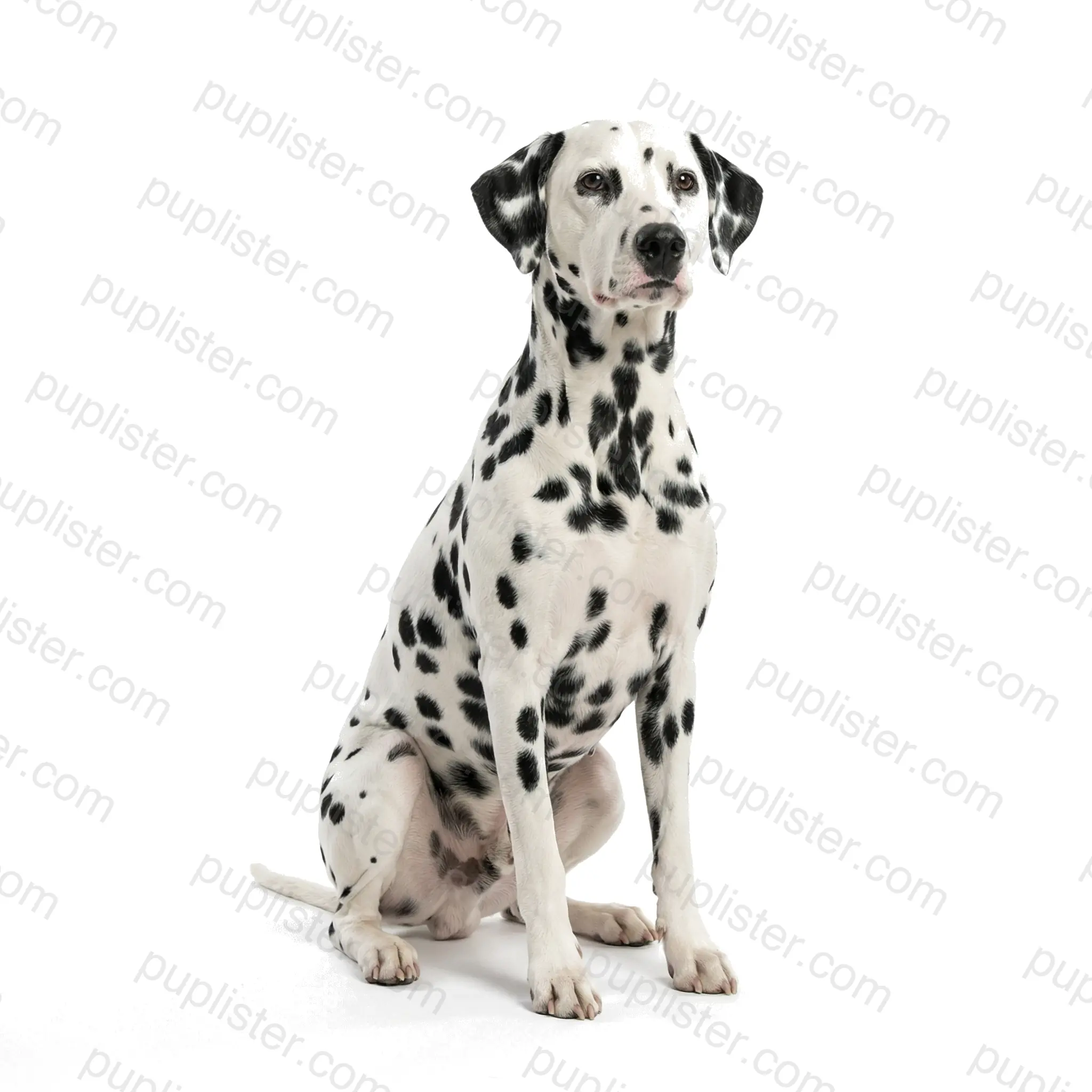
Dalmatian
Dalmatian Dog

3 pets available

1

About the Dalmatian The Dalmatian is one of the most recognizable breeds on earth — known for its striking white coat adorned with black or liver-colored spots that are as unique as fingerprints. Standing 19–24 inches tall and weighing 45–70 pounds, this athletic breed has a storied history as a carriage dog, firehouse mascot, and circus performer across Europe. Dalmatian puppies are born completely white, with their signature spots developing gradually over the first few weeks of life.Temperament & PersonalityDalmatians are high-energy, exuberant dogs with an almost inexhaustible drive to run, play, and explore. They form strong bonds with their families and can be wonderful companions for active households, though their boisterous nature may overwhelm toddlers and elderly family members. They tend to be reserved — sometimes standoffish — with strangers and require thorough socialization to prevent timidity or nervousness.ProsOutstanding running and cycling companions — built for sustained endurance over long distancesShort, dense coat is easy to maintain with weekly brushingNaturally clean dogs with minimal doggy odorIntelligent and versatile — excel in agility, obedience, and road trialsConsApproximately 30% of Dalmatians are affected by hereditary deafness — unilateral or bilateralUnique urinary system produces uric acid instead of urea, predisposing them to kidney and bladder stonesSheds heavily year-round — white hairs embed in furniture and clothing persistentlyRequires 1–2 hours of vigorous exercise daily or develops destructive behaviorsAn active lifestyle and a spotted best friend — find Dalmatians available for adoption on Puplister.

German Shepherd Dog

247 pets available

2

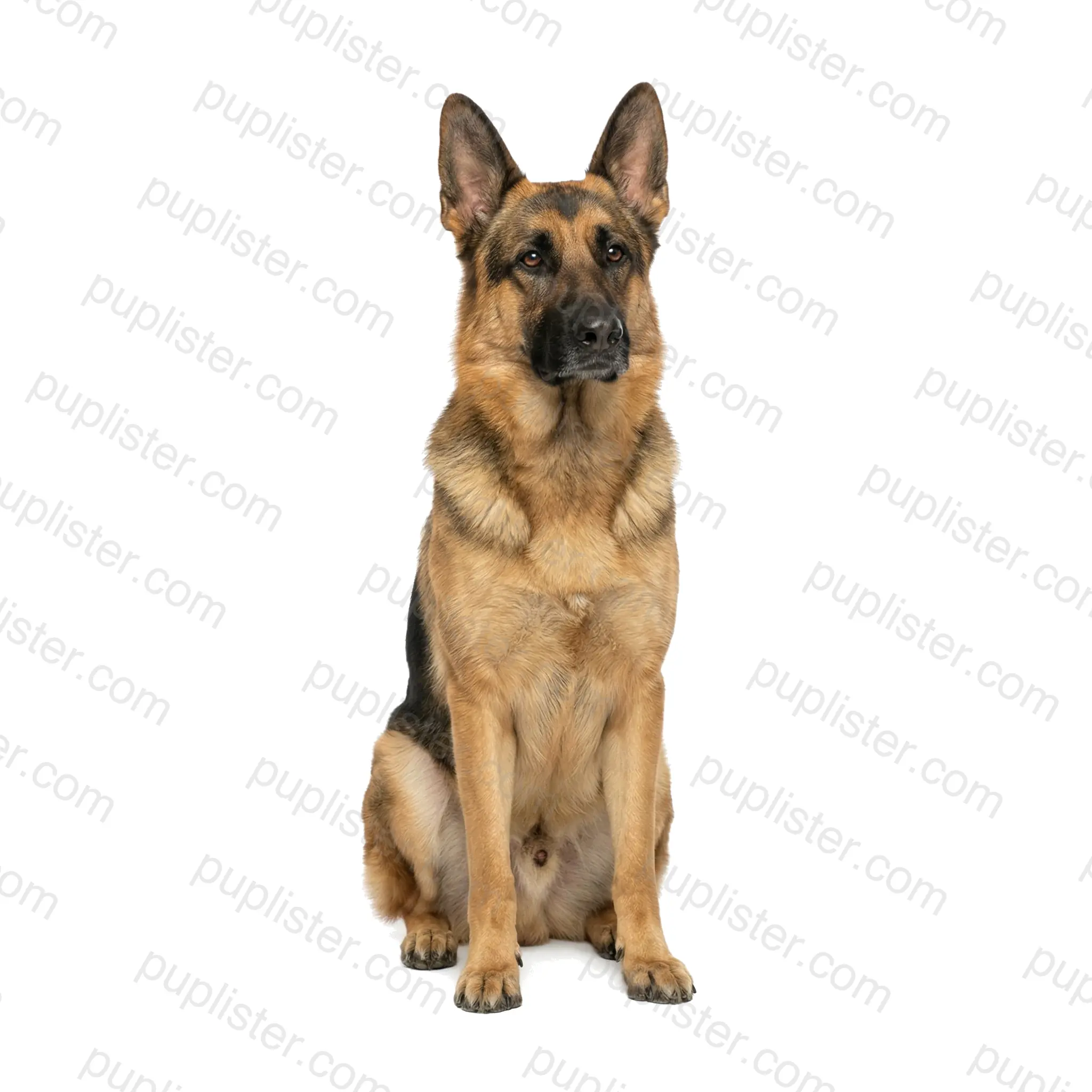
About the German Shepherd Dog The German Shepherd Dog — created by Captain Max von Stephanitz in 1899 — was meticulously developed to be the ultimate herding and working dog, combining intelligence, strength, and versatility in one powerful package. Standing 22–26 inches tall and weighing 50–90 pounds, this noble breed has a dense double coat most commonly seen in black and tan, though sable, all-black, and bi-color variations also occur. German Shepherds are the world's leading police, military, and service dog breed — a testament to their extraordinary trainability and work ethic.Temperament & PersonalityGerman Shepherds are confident, courageous, and deeply loyal — forming an unbreakable bond with their handler or family. They are naturally protective and will position themselves between their family and any perceived threat without hesitation. With proper socialization, they are excellent with children in their household — patient and watchful — though their herding instinct may lead them to nip at the heels of running kids.ProsAmong the top 3 most intelligent breeds — capable of learning complex tasks and commandsVersatile working ability — excels in protection, search and rescue, detection, and service rolesLoyal and naturally protective — an outstanding family guardian without excessive aggressionAthletic and eager to participate in virtually any outdoor activity with their ownerConsHigh incidence of hip and elbow dysplasia — especially in poorly bred linesSheds profusely year-round with intense seasonal "coat blows" twice yearlyProne to degenerative myelopathy — a progressive spinal cord disease with no cureRequires significant daily exercise and mental stimulation — at least 90 minutes — or develops neurotic behaviorsFind a loyal and capable German Shepherd Dog ready to join your family — start your search on Puplister.

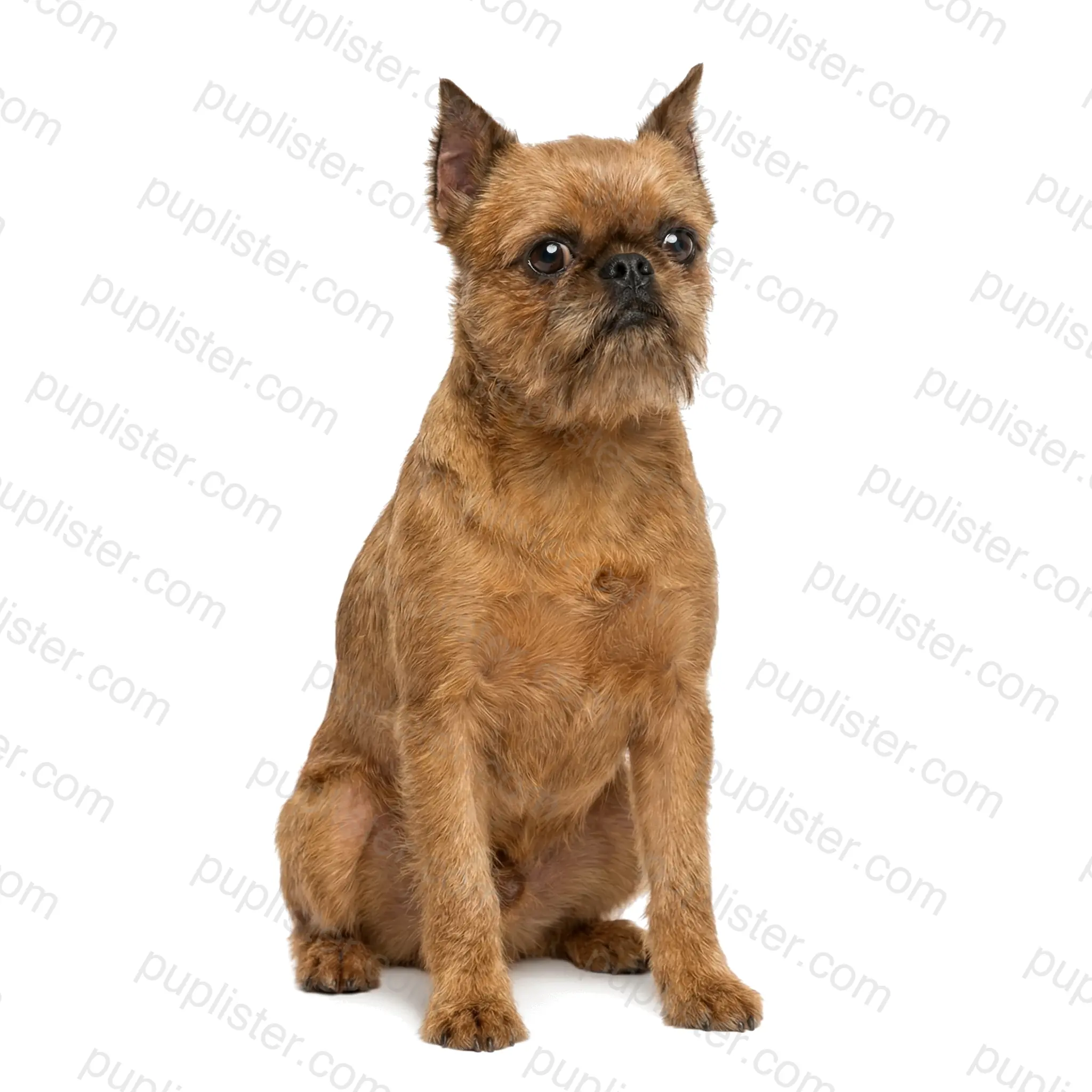
Brussels Griffon

3 pets available

1

About the Brussels Griffon The Brussels Griffon — or Griffon Bruxellois — originated in Brussels, Belgium, where it was initially bred as a stable ratter before becoming a beloved companion of Belgian nobility in the 19th century. These tiny, expressive dogs stand 7–10 inches tall and weigh 8–10 pounds, with a sturdy, thickset body that carries surprising heft for their size. They come in two coat varieties — rough (wiry, dense) and smooth (short, glossy) — in colors including red, beige, black-and-tan, and solid black.Temperament & PersonalityBrussels Griffons are spirited, curious, and remarkably self-important — they carry themselves with a confidence that far exceeds their diminutive stature. They form intense bonds with their primary person and can be quite demanding of attention, often described as "velcro dogs." While they can be good with older, respectful children, their small size and sometimes snappish nature make them unsuitable for households with toddlers or rough-handling youngsters.ProsCompact size makes them ideal for apartment and city livingHighly expressive and entertaining — their almost-human facial expressions are endlessly charmingAlert and vocal enough to serve as effective little watchdogsThe rough coat variety is low-shedding, suitable for those sensitive to pet hairConsCan be difficult to housebreak — patience and consistency are essentialProne to separation anxiety and may bark excessively when left aloneFragile build makes them vulnerable to injury from rough play or fallsBrachycephalic features contribute to respiratory issues, heat sensitivity, and eye problemsThese tiny dogs have enormous personalities — discover adoptable Brussels Griffons on Puplister and meet your perfect pint-sized companion.

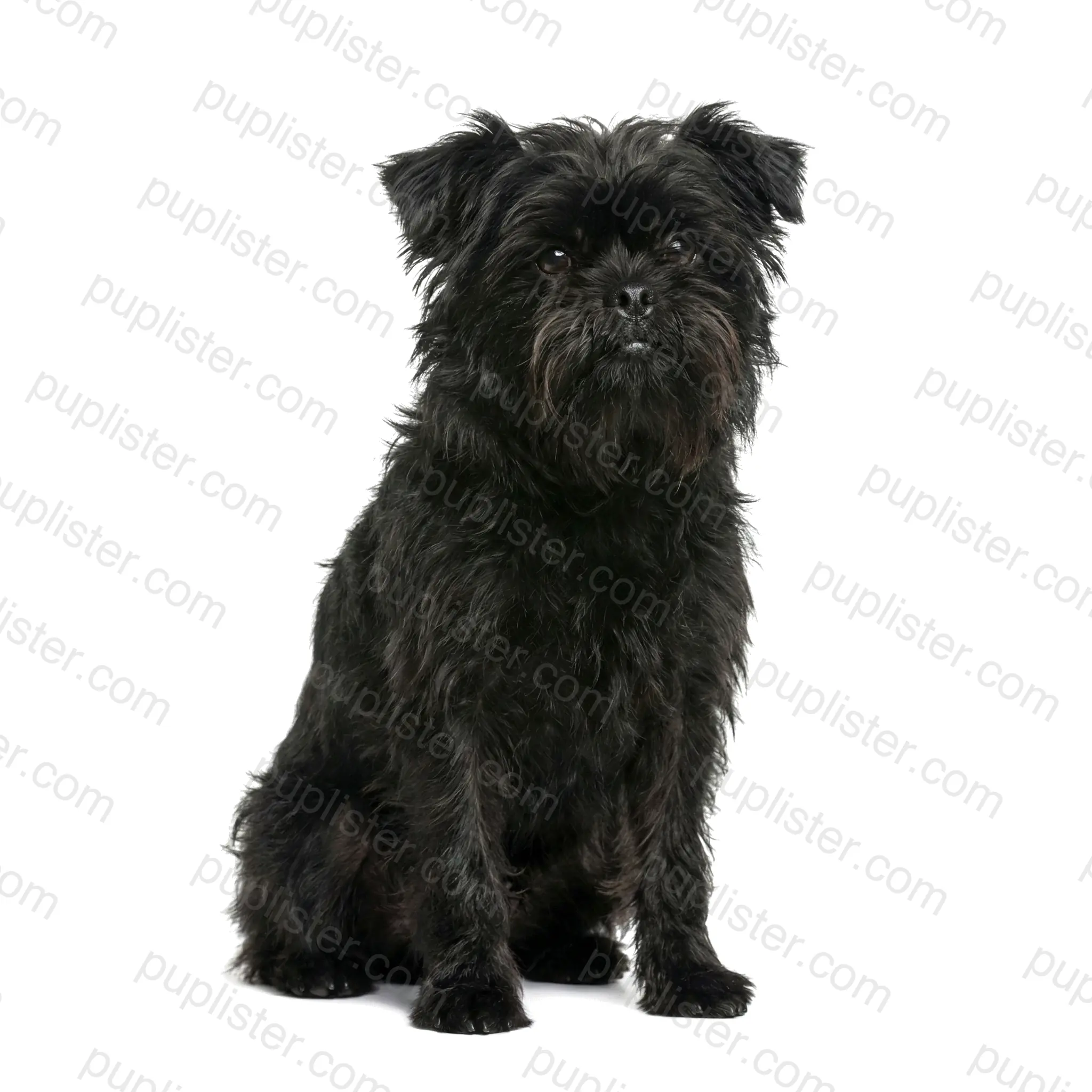
Affenpinscher

2 pets available

1

About the Affenpinscher The Affenpinscher — often called the "Monkey Dog" for its comical, primate-like facial expression — is a small but sturdy toy breed that originated in Germany during the 17th century. Originally bred to hunt rats in kitchens, granaries, and stables, these wiry little terriers stand just 9–11.5 inches tall and weigh 7–10 pounds. Their rough, shaggy coat — typically black, though also found in gray, silver, red, and belge — frames a flat face with prominent dark eyes, bushy eyebrows, and a pronounced underbite that gives them their signature mischievous look.Temperament & PersonalityAffenpinschers are fearless, curious, and endlessly entertaining — they pack the confidence of a dog ten times their size into a tiny, wiry-haired package. They are fiercely loyal to their owners and surprisingly territorial, often standing their ground against much larger dogs without hesitation. While affectionate with their family, they can be possessive of their toys and food, and their stubborn, independent streak means they prefer to make their own decisions rather than blindly follow commands.ProsCompact size and moderate exercise needs — ideal for apartment livingLow-shedding, wiry coat that is relatively easy to maintain with weekly brushingEntertaining and comical personality — they are natural performers who love an audienceExcellent watchdog despite small size — alert and vocal about anything unusualConsStubborn and difficult to housetrain — patience and consistency are essentialNot ideal for families with very young children — can be snappy if handled roughlyProne to brachycephalic breathing issues, patellar luxation, and heart murmursStrong prey drive toward small animals — will chase squirrels, hamsters, and birds relentlesslyLooking for a tiny dog with a big personality? Browse adoptable Affenpinschers on Puplister and find your perfect match.
Related Articles

Frequently Asked Questions

What are the key traits of a Australian Shepherd?
The Australian Shepherd is known for being smart, exuberant, work-oriented and loyal.
How many Australian Shepherds are available for adoption?
There are currently 36 Australian Shepherds available for adoption on Puplister. Browse the listings above to find your perfect match.
How do I adopt a Australian Shepherd from Puplister?
To adopt a Australian Shepherd, browse the available listings on this page, click on a pet you're interested in, and contact the shelter directly through their profile page.