Australian Shepherd Australian Shepherd

Australian Shepherd

1
Smart Exuberant Work-oriented Loyal

About the Australian Shepherd

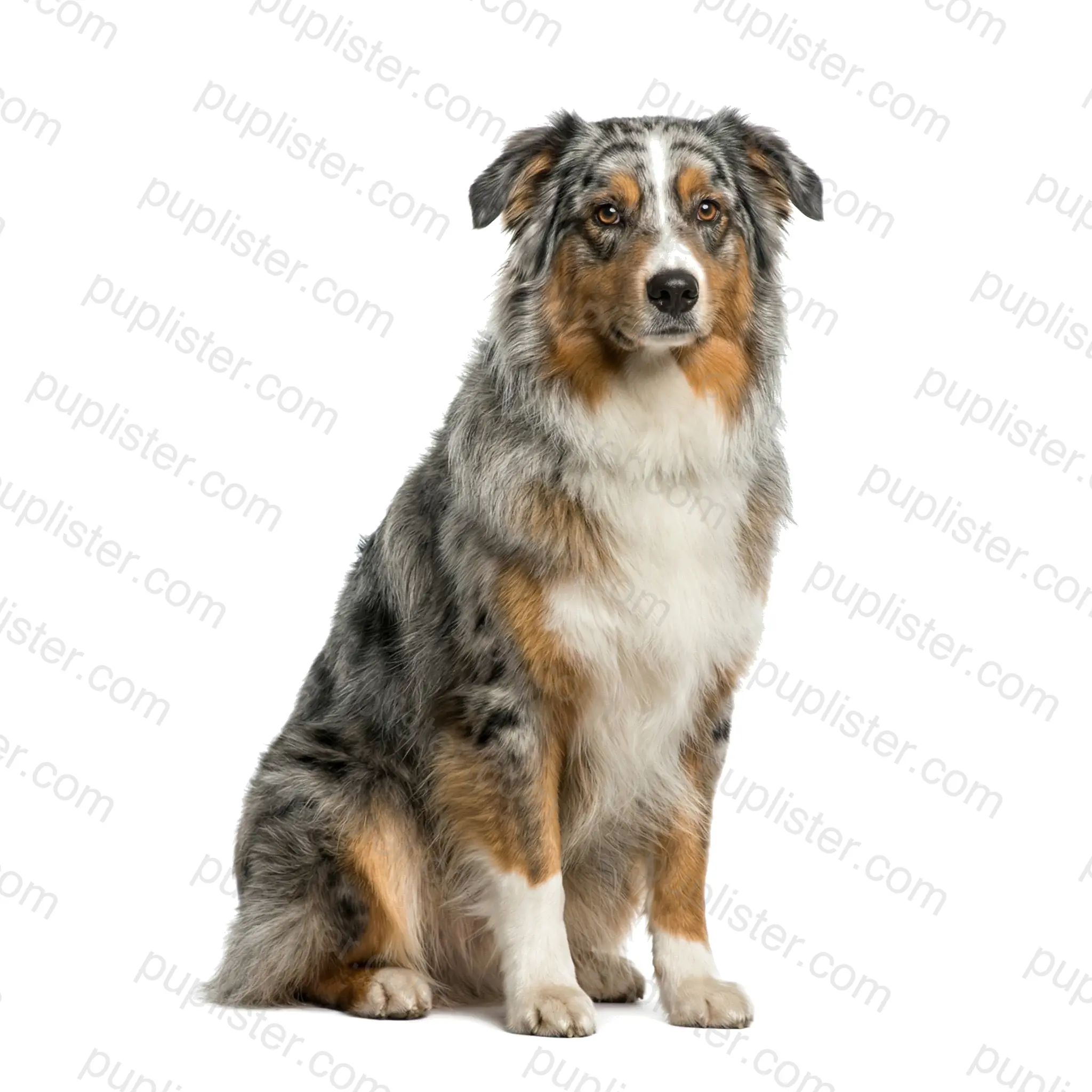
Despite its name, the Australian Shepherd was actually developed in the western United States during the 19th century, likely from Basque shepherd dogs that passed through Australia on their way to America. These versatile herding dogs stand 18–23 inches tall and weigh 40–65 pounds, with a medium-length double coat that comes in four recognized colors — black, blue merle, red, and red merle — often with striking copper and white markings. Their coats are weather-resistant and require regular brushing to manage moderate-to-heavy shedding.

Temperament & Personality

Australian Shepherds are brilliant, energetic, and deeply devoted to their families — they thrive when given a purpose and can become anxious or destructive without one. They are excellent with children, often naturally herding and watching over younger family members. Aussies are typically friendly with other dogs but can be reserved with strangers, and their intelligence makes them exceptionally responsive to training.

Pros

  • One of the most intelligent and trainable breeds — excels in agility, flyball, and herding
  • Loyal and affectionate family companion who bonds closely with all household members
  • Versatile working dog adaptable to ranch life, sport, or active suburban living
  • Beautiful, eye-catching coat with striking color variations including heterochromia

Cons

  • Demands extensive daily exercise and mental engagement — easily 1–2 hours minimum
  • Heavy shedding, especially during seasonal coat changes
  • May herd children, cats, and other pets by nipping at heels
  • Prone to epilepsy, hip dysplasia, and the MDR1 gene mutation affecting drug sensitivity

Aussies are incredible partners for active families — discover adoptable Australian Shepherds waiting for you on Puplister.

Australian Shepherd Quick Facts

Size
40–65 lbs, 18–23 in
Lifespan
12–15 years
Exercise
Very High
Grooming
Moderate
Good with Kids
Yes
Good with Pets
Yes

Is the Australian Shepherd right for you?

Answer 5 quick questions to see how well this breed matches your lifestyle.

Take the Quiz

Available Australian Shepherds

Jack
Baby
Jack
S

Australian Shepherd / American Pit Bull Terrier

Paws Across Pittsburgh · Springdale, PA
Gouda
Baby
Gouda
S

Australian Shepherd / American Pit Bull Terrier

Paws Across Pittsburgh · Springdale, PA
Pepper
Baby
Pepper
S

Australian Shepherd / American Pit Bull Terrier

Paws Across Pittsburgh · Springdale, PA
Marvel
Adult
Marvel
M

Australian Shepherd

Better Days · Scottsdale, AZ
Timon
Young
Timon
L

Australian Shepherd

Animal Protection League · Stockton, CA
Kovu
Young
Kovu
L

Australian Shepherd

Animal Protection League · Stockton, CA
Cody
Adult
Cody
M

Australian Shepherd

Monterey County Animal Services · Salinas, CA
Blossom
Baby

Australian Shepherd

Plano Animal Shelter · Plano, TX
Orbit
Young
Orbit
M

Australian Shepherd / American Pit Bull Terrier

Yolo County Animal Services Shelter · Woodland, CA
Betty
Young
Betty
S

Australian Shepherd

Humane Society Of Missouri · St Louis, MO
Princess
Adult

Australian Shepherd / Mixed

Dog Star Rescue · Canton, CT

Related Breeds

Anatolian Shepherd

3 pets available

3

About the Anatolian Shepherd The Anatolian Shepherd — also known as the Kangal Shepherd Dog — hails from the Anatolian plateau of Turkey, where it has guarded livestock from wolves and bears for thousands of years. This imposing breed stands 27–29 inches tall and weighs 80–150 pounds, with males often exceeding 140 pounds of lean muscle. Their short to medium-length double coat comes in fawn with a distinctive black mask, though brindle, white, and pinto variations also occur.Temperament & PersonalityAnatolian Shepherds are independent, intelligent, and territorial — they were bred to make decisions on their own while guarding flocks, and that self-reliance is deeply ingrained. They are calm and affectionate with their family but reserved and suspicious of strangers, making them exceptional guardian dogs. They can coexist with children and other pets they've been raised with, but their guarding instinct means they need owners who understand livestock guardian breed behavior.ProsSupreme livestock and property guardian — few breeds match their protective instinctsLow-energy indoors despite their size, content to patrol and observeHardy and healthy breed with relatively few genetic health problemsRemarkably low grooming needs for a large-breed dogConsExtremely independent and not naturally inclined to obey commands without questionRequires a large, securely fenced property — not suited for apartment or suburban lifeCan be aggressive toward unfamiliar dogs and people without extensive socializationTheir booming bark — used to ward off predators — can be a problem in residential areasIf you have the space and experience for this magnificent guardian, explore adoptable Anatolian Shepherds on Puplister.

Papillon
Papillon Dog

2 pets available

About the Papillon The Papillon — French for "butterfly," referring to its elegant fringed ears — traces its lineage to European toy spaniels depicted in Renaissance paintings as far back as the 16th century. These dainty yet sturdy dogs weigh just 5 to 10 pounds and stand 8 to 11 inches tall, ranking among the smallest of all breeds. Their long, silky, single-layer coat is white with patches of any color, and the breed also has a drop-eared variety known as the Phalène. Temperament & Personality Papillons are remarkably intelligent, lively, and confident — consistently ranked among the top 10 smartest dog breeds despite their diminutive stature. They are friendly and affectionate with their families, though they can be reserved with strangers until properly introduced. Papillons do well with gentle older children but may be too delicate for rough play with toddlers, and they often get along with other pets when socialized early. Pros Exceptionally intelligent and excels in obedience and agility competitionsNo undercoat means less shedding and easier maintenance than many breedsHardy and athletic despite tiny size — enjoys long walks and active playLong lifespan of 14 to 16 years with generally robust health Cons Fragile bone structure makes them vulnerable to injury from falls or rough handlingCan be yappy and difficult to quiet without early trainingSusceptible to patellar luxation, dental issues, and open fontanelsMay develop "small dog syndrome" if not given consistent boundaries Want a tiny dog with big brains and even bigger personality? Discover Papillons looking for homes on Puplister.

Lhasa Apso

1 pet available

1

About the Lhasa Apso The Lhasa Apso — named after the sacred city of Lhasa in Tibet — served as an interior sentinel in Buddhist monasteries and noble households for over a thousand years, alerting monks to intruders with their sharp, penetrating bark. Standing 10–11 inches tall and weighing 12–18 pounds, these sturdy little dogs have a dense, floor-length double coat that parts down the middle of the back and comes in a wide range of colors including gold, cream, honey, smoke, slate, white, black, and parti-color. Their heavy coat, developed to insulate against Tibet's harsh mountain climate, gives them a dramatically different appearance from most toy breeds.Temperament & PersonalityLhasa Apsos are independent, assertive, and surprisingly tough-minded — they are companion dogs with the heart of a watchdog and the confidence of a much larger breed. They are devoted and affectionate with their chosen family but maintain a regal aloofness with strangers that can take time to warm up from. Unlike many small breeds, Lhasas are not typically needy or clingy — they enjoy companionship on their own terms and are content to watch from across the room.ProsExcellent watchdogs — keen hearing and a sharp, authoritative bark that belies their small sizeIndependent nature means they handle alone time better than most companion breedsLong lifespan of 12–15 years — one of the healthiest and hardiest small breedsHypoallergenic coat sheds minimally — well-suited for allergy-conscious householdsConsLong coat demands daily brushing and regular professional grooming — or must be kept in a puppy clipCan be stubborn and difficult to train — their independent streak resists repetitive drillsTendency toward small dog syndrome — may become snappy or dominant without firm, consistent boundariesProne to kidney disease, cherry eye, and dry eye — regular veterinary monitoring is importantDiscover the ancient charm and loyal spirit of the Lhasa Apso — find one waiting for you on Puplister.

Brittany
Brittany Dog

1 pet available

About the Brittany The Brittany — formerly known as the Brittany Spaniel — originated in the Brittany province of northwestern France, where it has been a prized bird dog since at least the 17th century. Standing 17.5–20.5 inches tall and weighing 30–40 pounds, the Brittany is a leggy, agile sporting dog with a compact build that belies its remarkable stamina. Their flat or wavy coat comes in orange-and-white or liver-and-white patterns, is moderate in length with some feathering, and requires only weekly brushing.Temperament & PersonalityBrittanys are eager, energetic, and sensitive — they are among the most biddable of the sporting breeds, responding enthusiastically to praise and positive training methods. They are excellent family dogs who adore children and get along well with other dogs, though they can be overwhelmed by harsh corrections or chaotic environments. Their hunting instinct remains strong, and they will point and flush birds naturally, making them dual-purpose companions for active families and hunters alike.ProsHighly trainable and eager to please — one of the easiest sporting breeds to work withExcellent with children and other dogs, making them ideal family companionsVersatile hunting dog that points, flushes, and retrieves with natural talentModerate grooming needs with a relatively low-maintenance coatConsVery high energy level — requires extensive daily exercise, ideally in open spacesSensitive temperament can lead to submissive urination or anxiety with harsh treatmentNot suited for sedentary households — without exercise, they become hyperactive and neuroticProne to hip dysplasia, epilepsy, and canine discoid lupus erythematosusIf you lead an active lifestyle and want a devoted companion, explore adoptable Brittanys on Puplister today.

Related Articles

Frequently Asked Questions

What are the key traits of a Australian Shepherd?
The Australian Shepherd is known for being smart, exuberant, work-oriented and loyal.
How many Australian Shepherds are available for adoption?
There are currently 36 Australian Shepherds available for adoption on Puplister. Browse the listings above to find your perfect match.
How do I adopt a Australian Shepherd from Puplister?
To adopt a Australian Shepherd, browse the available listings on this page, click on a pet you're interested in, and contact the shelter directly through their profile page.