Adopted Cat Meowing All Night: How to Stop It
Adopted cat meowing all night? Discover why it happens, how to create a calm environment, and a realistic timeline to quiet nighttime meows.
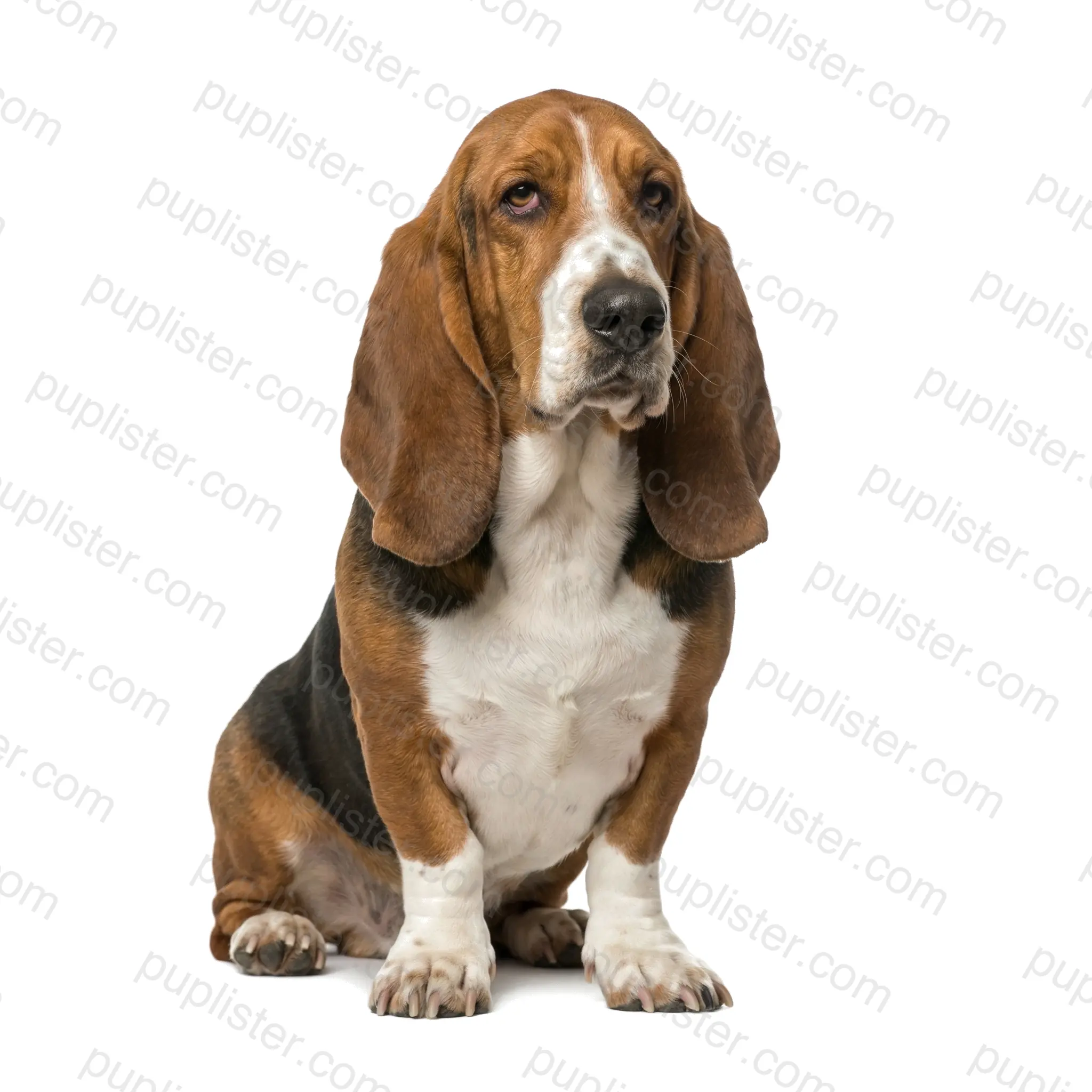
The Basset Hound was developed in France — the name comes from the French word "bas" meaning low — as a scent hound bred to track rabbits and hare through dense underbrush. Standing just 11–15 inches tall but weighing a substantial 40–65 pounds, the Basset is a heavy-boned, low-slung dog with the second-best nose in the canine world, surpassed only by the Bloodhound. Their short, smooth coat comes in classic tri-color, red-and-white, and lemon-and-white patterns, and while easy to brush, they are moderate shedders.
Basset Hounds are famously easygoing, patient, and gentle — their laid-back demeanor makes them wonderful family dogs who get along with virtually everyone, including children and other pets. They are pack animals at heart and dislike being left alone for long periods, often expressing their displeasure with mournful howling. Despite their placid appearance, Bassets can be surprisingly stubborn, especially when they've caught an interesting scent.
A Basset Hound's soulful eyes and gentle heart might be exactly what your family needs — find adoptable Basset Hounds on Puplister.
Answer 5 quick questions to see how well this breed matches your lifestyle.
28 pets available
1About the Cane Corso The Cane Corso is an ancient Italian mastiff breed whose lineage traces directly to the Roman canis pugnaces — war dogs that accompanied legions into battle. Standing 23.5–27.5 inches tall and weighing 90–120 pounds, the Cane Corso is a large, athletic, and muscular dog that is notably more agile and less bulky than other mastiff breeds. Their short, stiff, double-layered coat comes in black, gray, fawn, red, and brindle — often with a black or gray mask — and requires minimal grooming.Temperament & PersonalityCane Corsos are intelligent, loyal, and intensely protective — they are working dogs at heart, bred to guard property, livestock, and families with quiet confidence and unwavering vigilance. They bond deeply with their owners and are affectionate and gentle within the family circle, but they are naturally suspicious of strangers and can be assertive with other dogs. This is emphatically not a breed for inexperienced owners — they require firm, consistent leadership and extensive socialization from puppyhood.ProsExceptional guardian — their protective instincts are reliable and deeply ingrainedMore athletic and agile than other mastiff breeds, capable of true working performanceLoyal and affectionate with family — surprisingly gentle with children they've been raised withLow-maintenance coat with minimal grooming needsConsRequires an experienced, confident owner who can establish and maintain leadershipCan be dog-aggressive and territorial without thorough socializationProne to hip dysplasia, bloat, cherry eye, and idiopathic epilepsyTheir size and strength can make them dangerous if improperly trained or handledFor the right owner, a Cane Corso is an unparalleled companion and protector — find adoptable Cane Corsos on Puplister.
13 pets available
1About the Shih Tzu The Shih Tzu — meaning "lion dog" in Mandarin — was bred for centuries within the walls of the Chinese imperial palace, likely from crosses between the Lhasa Apso and the Pekingese. These small, sturdy dogs stand 9 to 10.5 inches tall and weigh 9 to 16 pounds, with a slightly longer body than they are tall and a proud, flowing gait. Their luxurious double coat grows continuously and can reach floor length, coming in virtually every color and combination, with a distinctive chrysanthemum-like pattern on the face where hair grows in all directions. Temperament & Personality Shih Tzus are affectionate, outgoing, and delightfully playful — bred solely as companion dogs, they have centuries of experience perfecting the art of being a devoted lapdog. They are friendly with nearly everyone, including children, strangers, and other pets, making them one of the most sociable toy breeds available. Shih Tzus are happy, adaptable, and surprisingly sturdy for their size, with a mischievous charm that keeps their families entertained. Pros Exceptionally friendly and sociable with people of all ages and other animalsLow exercise requirements — short walks and indoor play satisfy their needsMinimal shedding when coat is kept in a shorter "puppy clip"Adaptable and content in apartments, condos, and any living situation Cons Long coat demands daily brushing or frequent professional groomingBrachycephalic structure contributes to breathing issues and heat intoleranceProne to eye problems (proptosis, corneal ulcers), ear infections, and dental diseaseCan be stubborn about housetraining — patience and consistency are essential A Shih Tzu's sole mission in life is to love and be loved — find yours waiting on Puplister today.
1 pet available
1About the Samoyed The Samoyed takes its name from the Samoyedic peoples of Siberia, who relied on these dogs for herding reindeer, pulling sleds, and providing warmth in temperatures reaching minus 60 degrees Fahrenheit for over 3,000 years. These striking dogs stand 19 to 23.5 inches tall and weigh 35 to 65 pounds, with a strong, graceful build beneath their profuse coat. Their thick, brilliant white double coat — sometimes with biscuit or cream shading — and characteristic upturned "Sammy smile" make them one of the most beautiful breeds in existence. Temperament & Personality Samoyeds are friendly, gentle, and perpetually cheerful — bred to live and work in close quarters with humans, they crave companionship and involvement in family activities. They are wonderful with children, welcoming to strangers, and generally amiable with other dogs — making them poor guard dogs but outstanding family companions. Their intelligence and independent spirit mean they need engaging training methods, as they bore quickly with repetitive exercises. Pros Perpetually happy disposition — the "Sammy smile" reflects a genuinely joyful temperamentExcellent with children and other pets — one of the friendliest breedsHypoallergenic-type coat produces less dander despite heavy sheddingHardy and athletic — thrives in cold climates and loves outdoor winter activities Cons Extreme shedding — the voluminous coat blows out twice yearly in spectacular fashionProne to hip dysplasia, progressive retinal atrophy, and Samoyed hereditary glomerulopathyTendency to dig, chew, and bark when bored or left aloneSuffers significantly in hot climates and requires climate-controlled environments That radiant Samoyed smile could light up your life — browse Samoyeds available for adoption on Puplister.
1 pet available
1About the Lhasa Apso The Lhasa Apso — named after the sacred city of Lhasa in Tibet — served as an interior sentinel in Buddhist monasteries and noble households for over a thousand years, alerting monks to intruders with their sharp, penetrating bark. Standing 10–11 inches tall and weighing 12–18 pounds, these sturdy little dogs have a dense, floor-length double coat that parts down the middle of the back and comes in a wide range of colors including gold, cream, honey, smoke, slate, white, black, and parti-color. Their heavy coat, developed to insulate against Tibet's harsh mountain climate, gives them a dramatically different appearance from most toy breeds.Temperament & PersonalityLhasa Apsos are independent, assertive, and surprisingly tough-minded — they are companion dogs with the heart of a watchdog and the confidence of a much larger breed. They are devoted and affectionate with their chosen family but maintain a regal aloofness with strangers that can take time to warm up from. Unlike many small breeds, Lhasas are not typically needy or clingy — they enjoy companionship on their own terms and are content to watch from across the room.ProsExcellent watchdogs — keen hearing and a sharp, authoritative bark that belies their small sizeIndependent nature means they handle alone time better than most companion breedsLong lifespan of 12–15 years — one of the healthiest and hardiest small breedsHypoallergenic coat sheds minimally — well-suited for allergy-conscious householdsConsLong coat demands daily brushing and regular professional grooming — or must be kept in a puppy clipCan be stubborn and difficult to train — their independent streak resists repetitive drillsTendency toward small dog syndrome — may become snappy or dominant without firm, consistent boundariesProne to kidney disease, cherry eye, and dry eye — regular veterinary monitoring is importantDiscover the ancient charm and loyal spirit of the Lhasa Apso — find one waiting for you on Puplister.
Adopted cat meowing all night? Discover why it happens, how to create a calm environment, and a realistic timeline to quiet nighttime meows.
Is your adopted cat not eating? Learn the causes, from stress to past trauma, and discover practical solutions to get your new feline friend eating again.
Is your new cat hiding and won't come out? It's normal, but proactive steps can help. Learn how to build trust with your shy adopted cat.
Discover how long it takes for a rescue cat to feel at home with our experienced guide, covering the 3-3-3 rule and actionable tips.