Belgian Malinois Belgian Malinois

Belgian Malinois

Intelligent Driven Alert Confident

About the Belgian Malinois

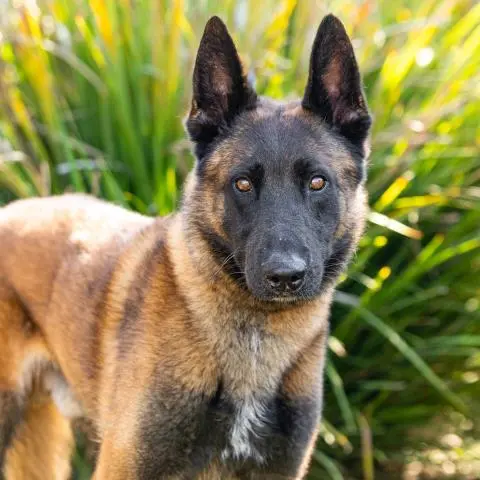
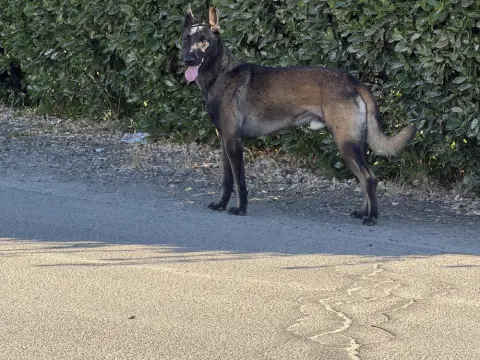
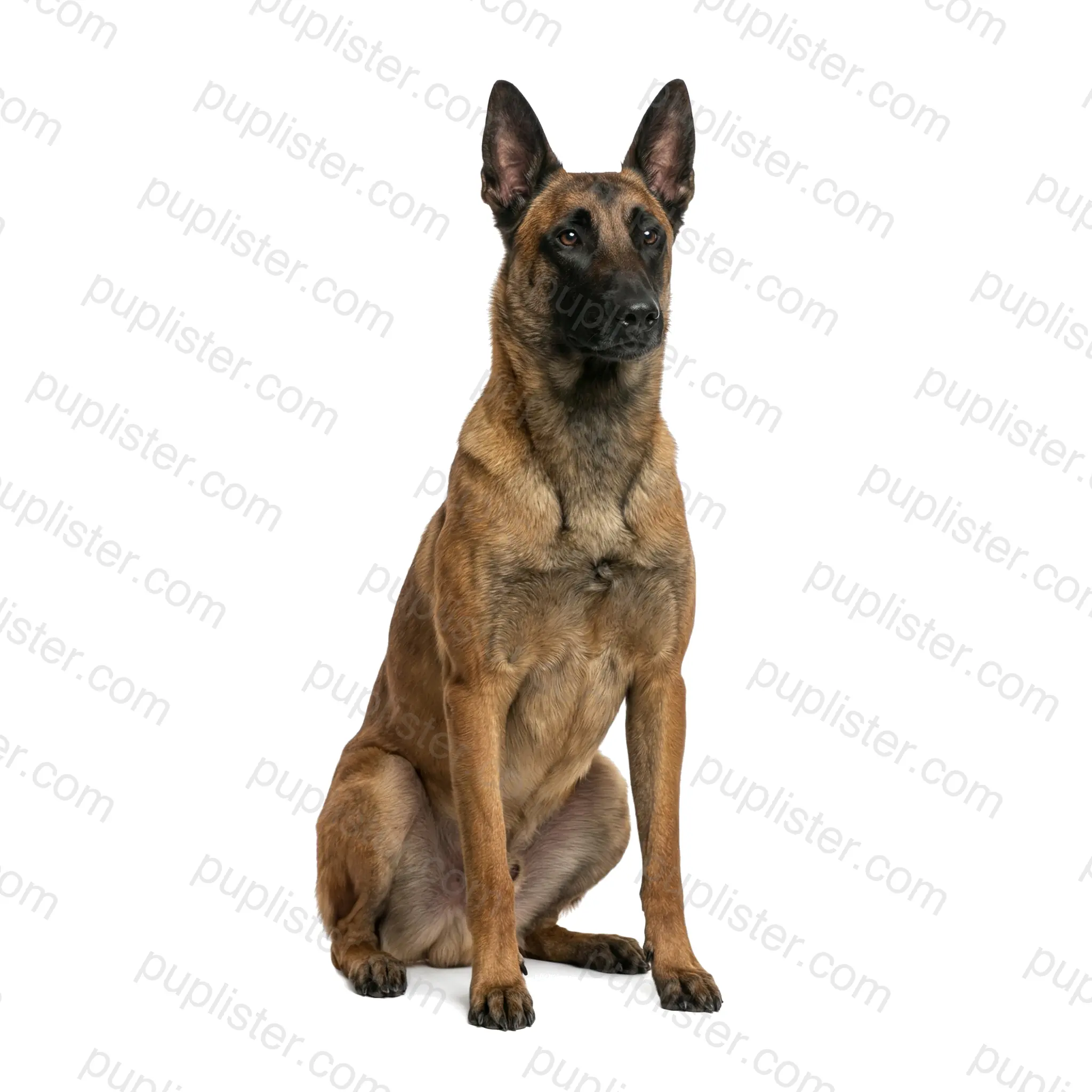
The Belgian Malinois hails from the city of Malines in Belgium, where it was developed in the late 1800s as a versatile herding and working dog. Standing 22–26 inches tall and weighing 40–80 pounds, the Malinois is a lean, athletic dog with a square build and an alert, intelligent expression. Their short, straight double coat comes in rich fawn to mahogany with a distinctive black mask and ear tips, and while they shed year-round, grooming needs are minimal.

Temperament & Personality

Belgian Malinois are driven, intense, and extraordinarily intelligent — they are the breed of choice for military, police, and protection work worldwide. They form incredibly strong bonds with their handler and are always eager to work, making them outstanding training partners for experienced owners. However, their intensity and high drive are not for casual pet owners — without proper outlets, a Malinois can become neurotic, destructive, or reactive.

Pros

  • Unmatched work ethic and trainability — excels in virtually every canine sport and job
  • Fiercely loyal and protective without being unnecessarily aggressive
  • Athletic and agile with exceptional speed and endurance
  • Lower incidence of hip dysplasia compared to similar-sized breeds like the German Shepherd

Cons

  • Extremely high energy and drive — requires several hours of physical and mental exercise daily
  • Not suitable for first-time dog owners or sedentary households
  • Can become reactive or fearful without extensive, early socialization
  • Prone to progressive retinal atrophy, elbow dysplasia, and sensitivity to anesthesia

The Belgian Malinois is a remarkable breed for the right owner — find adoptable Malinois on Puplister who are looking for their forever mission.

Belgian Malinois Quick Facts

Size
40–80 lbs, 22–26 in
Lifespan
12–14 years
Exercise
Very High
Grooming
Moderate
Good with Kids
Yes
Good with Pets
Not recommended

Is the Belgian Malinois right for you?

Answer 5 quick questions to see how well this breed matches your lifestyle.

Take the Quiz

Available Belgian Malinois

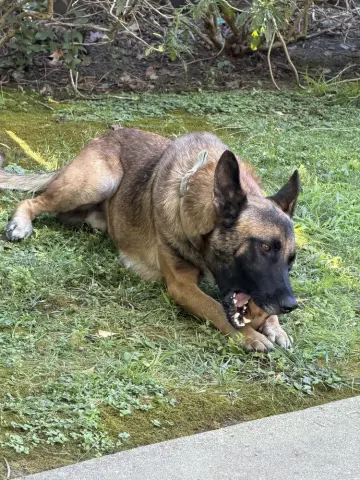
Chase
Baby
Chase
S

Belgian Malinois

Kern County Animal Control Department · Bakersfield, CA
Guardian
Young

Belgian Malinois

San Jose Animal Care Center · San Jose, CA
Max
Baby
Max
S

Belgian Malinois

Harris County Pets · Houston, TX
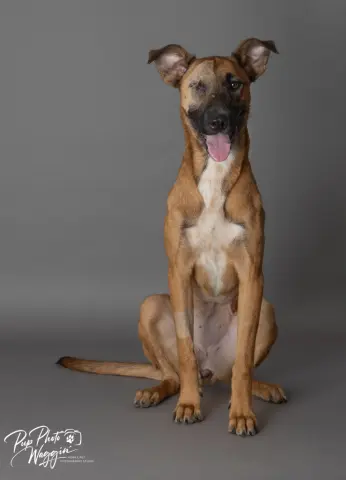
Gracie
Baby
Gracie
S

German Shepherd Dog / Belgian Malinois

All Shepherd Rescue · Baltimore, MD
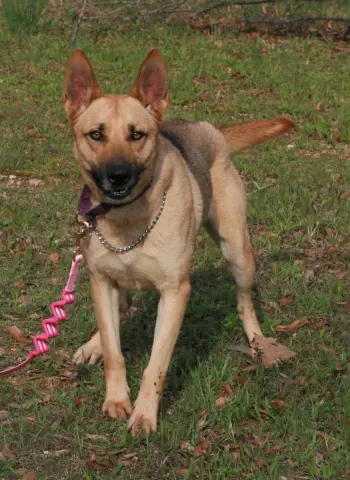
Rosie
Baby
Rosie
S

German Shepherd Dog / Belgian Malinois

All Shepherd Rescue · Baltimore, MD
Lola
Baby
Lola
S

German Shepherd Dog / Belgian Malinois

All Shepherd Rescue · Baltimore, MD
Blossom
Baby

German Shepherd Dog / Belgian Malinois

All Shepherd Rescue · Baltimore, MD
King
Adult
King
L

Belgian Malinois

Broward County Animal Care And Regulation · Fort Lauderdale, FL
Emilia
Adult
Emilia
L

Belgian Malinois

Bureau Of Animal Regulation And Care · Houston, TX
Portia
Young
Portia
M

Belgian Malinois / German Shepherd Dog

Malinois And Dutch Shepherd Rescue · Imlay City, MI
Brownie
Young

American Pit Bull Terrier / Belgian Malinois

Sacramento Animal Care Services · Sacramento, CA
Achilles
Adult

German Shepherd Dog / Belgian Malinois

Lucky Tales Rescue · Fort Thomas, KY

Related Breeds

Collie
Collie Dog

17 pets available

1

About the Collie The Collie — immortalized by the fictional Lassie — originated in Scotland and northern England as a supremely capable herding dog guarding flocks across rugged highland terrain. Standing 22–26 inches tall and weighing 50–75 pounds, the breed comes in two coat varieties — the iconic Rough Collie with its abundant mane and the sleeker Smooth Collie — in sable and white, tricolor, blue merle, and white colorations. Their wedge-shaped head, almond eyes, and graceful build give them an unmistakable elegance among herding breeds.Temperament & PersonalityCollies are among the most gentle and devoted of all breeds — known for their uncanny ability to sense their family's emotions and respond with quiet comfort. They are exceptionally patient with children and often take on a protective, nurturing role with the youngest family members. While friendly toward strangers, they'll alert you to anything unusual with a distinctive bark — though excessive barking can develop without training.ProsOne of the most naturally gentle and trustworthy breeds with children of all agesHighly intelligent and responsive to training — learn commands with minimal repetitionModerate exercise needs — satisfied with daily walks and yard play rather than intense activityClean dogs with little doggy odor despite their abundant coatsConsRough variety sheds heavily year-round and requires thorough brushing 2–3 times weeklyProne to Collie Eye Anomaly — a hereditary condition affecting up to 70% of the breedCan develop nuisance barking if bored or left alone frequentlySensitive to many common veterinary drugs due to the MDR1 gene mutationBring home a loyal and graceful Collie — explore adoptable Collies waiting for families on Puplister.

Staffordshire Bull Terrier

25 pets available

2

About the Staffordshire Bull Terrier The Staffordshire Bull Terrier was developed in 19th-century England's Staffordshire region from crosses between Bulldogs and various terriers, originally bred for bull-baiting and later as a compact, agile fighting dog — a history that belies its true nature as a devoted family companion. These muscular, athletic dogs stand 14 to 16 inches tall and weigh 24 to 38 pounds, packed with surprising strength and agility in a compact frame. Their smooth, short coat comes in red, fawn, white, black, blue, or brindle — with or without white markings. Temperament & Personality Staffordshire Bull Terriers are affectionate, courageous, and remarkably gentle with people — earning the nickname "nanny dog" in England for their extraordinary patience and devotion to children. They adore human companionship, are playful well into adulthood, and form intensely loyal bonds with their families. While they can be assertive with other dogs, proper socialization from puppyhood typically produces a confident, well-adjusted adult that gets along with everyone. Pros Exceptionally affectionate and gentle with children and family membersCompact, muscular build well-suited for smaller homes and apartmentsLow-maintenance coat requiring only occasional brushingBrave and loyal — a devoted companion that thrives on human interaction Cons Can be dog-aggressive without careful socialization and managementBreed-specific legislation and housing restrictions in many jurisdictionsProne to hip and elbow dysplasia, L-2 hydroxyglutaric aciduria, and cataractsStrong and powerful — requires owners who can provide firm, consistent leadership Staffies are among the most devoted family dogs in existence — find a Staffordshire Bull Terrier on Puplister and see for yourself.

West Highland White Terrier

1 pet available

About the West Highland White Terrier The West Highland White Terrier — universally known as the "Westie" — was developed in Scotland's western highlands during the 19th century, selectively bred from Cairn Terrier stock for its white coat to be more visible against the dark highland terrain while hunting foxes, badgers, and rats. These sturdy little dogs stand 10 to 11 inches tall and weigh 15 to 20 pounds, with a compact, balanced build and surprisingly strong legs for their size. Their double coat features a hard, straight white outer layer and a soft, dense undercoat — always pure white without exception. Temperament & Personality Westies are confident, entertaining, and surprisingly tough — carrying the classic terrier self-assurance in a friendly, less aggressive package than many of their terrier relatives. They are affectionate with their families, generally good with older children, and possess an independent, adventurous spirit that keeps life interesting. Westies are social dogs that enjoy meeting people, though they can be assertive with other dogs and retain a strong instinct to chase anything that moves. Pros Sturdy and adaptable — thrives in apartments, suburbs, and country settingsFriendly and sociable without the extreme aggression of some terrier breedsPortable size with a big, confident personalityAlert watchdog that will reliably announce visitors Cons Prone to atopic dermatitis and skin allergies — one of the most affected breedsCoat requires regular professional grooming or hand-stripping every 6 to 8 weeksCan be stubborn and willful during training — responds best to positive methodsTendency to dig and bark, especially when bored or left in the yard Westies bring Scottish charm and terrier spirit into every home — find your white-coated companion on Puplister.

Samoyed
Samoyed Dog

1 pet available

1

About the Samoyed The Samoyed takes its name from the Samoyedic peoples of Siberia, who relied on these dogs for herding reindeer, pulling sleds, and providing warmth in temperatures reaching minus 60 degrees Fahrenheit for over 3,000 years. These striking dogs stand 19 to 23.5 inches tall and weigh 35 to 65 pounds, with a strong, graceful build beneath their profuse coat. Their thick, brilliant white double coat — sometimes with biscuit or cream shading — and characteristic upturned "Sammy smile" make them one of the most beautiful breeds in existence. Temperament & Personality Samoyeds are friendly, gentle, and perpetually cheerful — bred to live and work in close quarters with humans, they crave companionship and involvement in family activities. They are wonderful with children, welcoming to strangers, and generally amiable with other dogs — making them poor guard dogs but outstanding family companions. Their intelligence and independent spirit mean they need engaging training methods, as they bore quickly with repetitive exercises. Pros Perpetually happy disposition — the "Sammy smile" reflects a genuinely joyful temperamentExcellent with children and other pets — one of the friendliest breedsHypoallergenic-type coat produces less dander despite heavy sheddingHardy and athletic — thrives in cold climates and loves outdoor winter activities Cons Extreme shedding — the voluminous coat blows out twice yearly in spectacular fashionProne to hip dysplasia, progressive retinal atrophy, and Samoyed hereditary glomerulopathyTendency to dig, chew, and bark when bored or left aloneSuffers significantly in hot climates and requires climate-controlled environments That radiant Samoyed smile could light up your life — browse Samoyeds available for adoption on Puplister.

Related Articles

Frequently Asked Questions

What are the key traits of a Belgian Malinois?
The Belgian Malinois is known for being intelligent, driven, alert and confident.
How many Belgian Malinois are available for adoption?
There are currently 50 Belgian Malinois available for adoption on Puplister. Browse the listings above to find your perfect match.
How do I adopt a Belgian Malinois from Puplister?
To adopt a Belgian Malinois, browse the available listings on this page, click on a pet you're interested in, and contact the shelter directly through their profile page.