Belgian Malinois Belgian Malinois

Belgian Malinois

Intelligent Driven Alert Confident

About the Belgian Malinois

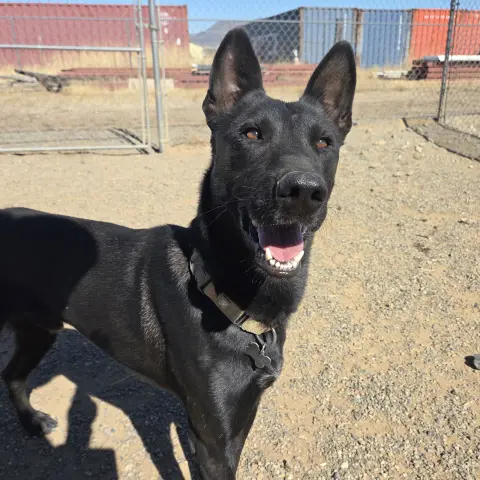
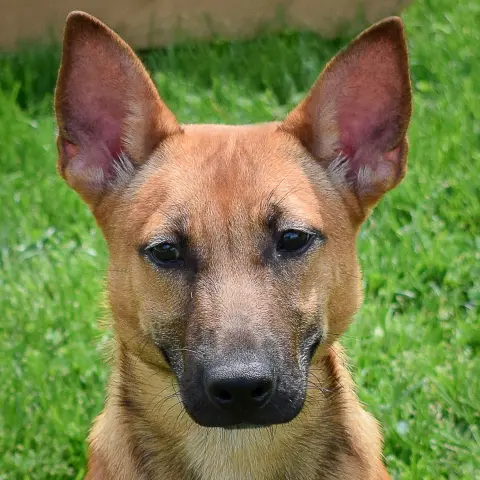
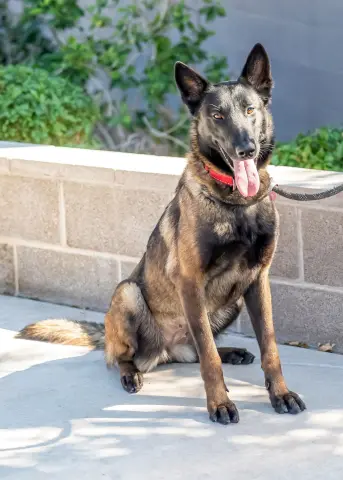
The Belgian Malinois hails from the city of Malines in Belgium, where it was developed in the late 1800s as a versatile herding and working dog. Standing 22–26 inches tall and weighing 40–80 pounds, the Malinois is a lean, athletic dog with a square build and an alert, intelligent expression. Their short, straight double coat comes in rich fawn to mahogany with a distinctive black mask and ear tips, and while they shed year-round, grooming needs are minimal.

Temperament & Personality

Belgian Malinois are driven, intense, and extraordinarily intelligent — they are the breed of choice for military, police, and protection work worldwide. They form incredibly strong bonds with their handler and are always eager to work, making them outstanding training partners for experienced owners. However, their intensity and high drive are not for casual pet owners — without proper outlets, a Malinois can become neurotic, destructive, or reactive.

Pros

  • Unmatched work ethic and trainability — excels in virtually every canine sport and job
  • Fiercely loyal and protective without being unnecessarily aggressive
  • Athletic and agile with exceptional speed and endurance
  • Lower incidence of hip dysplasia compared to similar-sized breeds like the German Shepherd

Cons

  • Extremely high energy and drive — requires several hours of physical and mental exercise daily
  • Not suitable for first-time dog owners or sedentary households
  • Can become reactive or fearful without extensive, early socialization
  • Prone to progressive retinal atrophy, elbow dysplasia, and sensitivity to anesthesia

The Belgian Malinois is a remarkable breed for the right owner — find adoptable Malinois on Puplister who are looking for their forever mission.
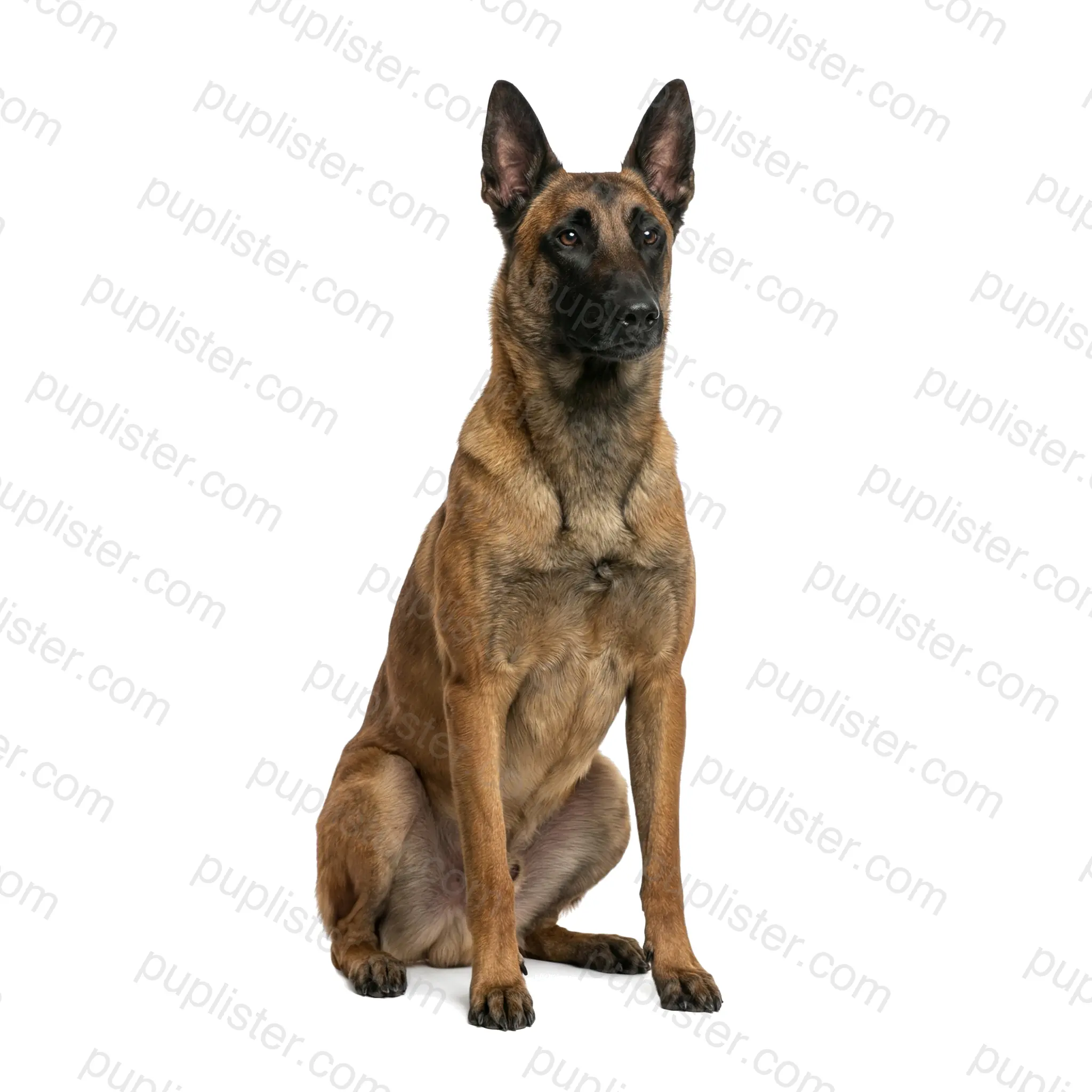

Belgian Malinois Quick Facts

Size
40–80 lbs, 22–26 in
Lifespan
12–14 years
Exercise
Very High
Grooming
Moderate
Good with Kids
Yes
Good with Pets
Not recommended

Is the Belgian Malinois right for you?

Answer 5 quick questions to see how well this breed matches your lifestyle.

Take the Quiz

Available Belgian Malinois

Axel
Baby
Axel
L

Belgian Malinois / Mixed

To Love A Canine Rescue · Kimberton, PA
Kayden
Adult
Kayden
L

Belgian Malinois

Stanislaus County Animal Services · Modesto, CA
Axl
Senior
Axl
L

Belgian Malinois / German Shepherd Dog

Rescue Rovers Dog Adoptions · Sandy, UT
Margaret
Baby

Belgian Malinois / German Shepherd Dog

Garland Animal Services · Garland, TX
Carissa
Baby

Belgian Malinois / German Shepherd Dog

Garland Animal Services · Garland, TX
Athena
Adult
Athena
M

Belgian Malinois

Pasadena Humane · Pasadena, CA
Milo
Young
Milo
L

German Shepherd Dog / Belgian Malinois

Los Angeles County Animal Control · Baldwin Park, CA
Saga
Adult
Saga
M

Belgian Malinois

Arizona Humane Society · Phoenix, AZ
Diego
Young
Diego
S

Belgian Malinois

Bureau Of Animal Regulation And Care · Houston, TX
Whiskey
Adult

Belgian Malinois

Miami-Dade Animal Services · Miami, FL
Onyx
Young
Onyx
M

Belgian Malinois

Yolo County Animal Services Shelter · Woodland, CA
Motley
Adult
Motley
L

Belgian Malinois

City of Tulsa Animal Welfare · Tulsa, OK

Related Breeds

Treeing Walker Coonhound

9 pets available

2

About the Treeing Walker Coonhound The Treeing Walker Coonhound was developed in the United States from Walker Foxhounds in the mid-20th century, selectively bred for their exceptional ability to trail game and "tree" raccoons by chasing them up a tree and baying until the hunter arrives. These elegant, athletic hounds stand 20 to 27 inches tall and weigh 50 to 70 pounds, with a lean, muscular build and the classic tricolor pattern — white, black, and tan — reminiscent of their foxhound ancestry. Their short, smooth coat is dense and protective, well-suited for long hours working through brush and rough terrain. Temperament & Personality Treeing Walker Coonhounds are confident, intelligent, and affable — possessing a friendly, sociable nature that makes them enjoyable companions both in the field and at home. They are gentle with children, typically welcoming to strangers, and usually get along well with other dogs, especially those they've been raised with. Their hunting instincts run deep, however, and they can switch from couch potato to tireless tracker the moment an interesting scent crosses their path. Pros Friendly, easygoing temperament — excellent with families and other dogsLow-maintenance coat needing only weekly brushingSuperb endurance for hiking, running, and outdoor adventuresGenerally healthy breed with a lifespan of 12 to 13 years Cons Extremely vocal — loud baying and howling are a defining breed traitPowerful scent drive makes off-leash reliability very challengingRequires substantial daily exercise — bored Walkers can be destructiveProne to ear infections and hip dysplasia Treeing Walker Coonhounds bring athletic grace and a sweet disposition to any home — explore available listings on Puplister.

Brussels Griffon

3 pets available

1

About the Brussels Griffon The Brussels Griffon — or Griffon Bruxellois — originated in Brussels, Belgium, where it was initially bred as a stable ratter before becoming a beloved companion of Belgian nobility in the 19th century. These tiny, expressive dogs stand 7–10 inches tall and weigh 8–10 pounds, with a sturdy, thickset body that carries surprising heft for their size. They come in two coat varieties — rough (wiry, dense) and smooth (short, glossy) — in colors including red, beige, black-and-tan, and solid black.Temperament & PersonalityBrussels Griffons are spirited, curious, and remarkably self-important — they carry themselves with a confidence that far exceeds their diminutive stature. They form intense bonds with their primary person and can be quite demanding of attention, often described as "velcro dogs." While they can be good with older, respectful children, their small size and sometimes snappish nature make them unsuitable for households with toddlers or rough-handling youngsters.ProsCompact size makes them ideal for apartment and city livingHighly expressive and entertaining — their almost-human facial expressions are endlessly charmingAlert and vocal enough to serve as effective little watchdogsThe rough coat variety is low-shedding, suitable for those sensitive to pet hairConsCan be difficult to housebreak — patience and consistency are essentialProne to separation anxiety and may bark excessively when left aloneFragile build makes them vulnerable to injury from rough play or fallsBrachycephalic features contribute to respiratory issues, heat sensitivity, and eye problemsThese tiny dogs have enormous personalities — discover adoptable Brussels Griffons on Puplister and meet your perfect pint-sized companion.

Great Pyrenees

23 pets available

2

About the Great Pyrenees The Great Pyrenees — named for the Pyrenees Mountains between France and Spain where they guarded flocks for centuries — is a majestic, powerful livestock guardian with roots stretching back thousands of years to ancient Asia Minor. Standing 25–32 inches tall and weighing 85–115 pounds, these imposing dogs wear a thick, weather-resistant double coat that is predominantly white, sometimes with markings of badger, gray, reddish-brown, or tan. Their calm, regal bearing and abundant white coat give them an almost bear-like appearance that commands respect.Temperament & PersonalityGreat Pyrenees are independent, patient, and serenely confident — bred for millennia to make their own decisions while guarding flocks without human direction. They are gentle and affectionate with their families, particularly protective of children, whom they tend to view as part of their "flock." However, their independent guardian nature means they are not eager-to-please dogs — they will consider your commands and decide whether compliance serves their protective mission.ProsExceptional livestock and property guardian — naturally protective without aggression trainingGentle and patient with children — instinctively nurturing toward young family membersCalm, low-energy indoors — content to rest and observe during the dayThick coat insulates against both extreme cold and moderate heatConsNotorious wanderers — will roam far from home if not contained by secure fencingHeavy nocturnal barking — bred to bark at predators through the night, which disturbs neighborsExtremely independent and stubborn — among the most difficult breeds to obedience trainMassive shedding — the thick undercoat blows seasonally and produces enormous quantities of loose furIf you have the space and patience for a noble guardian, find Great Pyrenees on Puplister today.

Labrador Retriever

300 pets available

4

About the Labrador Retriever The Labrador Retriever has been America's most popular dog breed for over three decades — and for good reason. Originally bred in Newfoundland, Canada, during the early 19th century to help fishermen haul nets and retrieve catch from the icy North Atlantic, the breed was refined in England into the versatile sporting dog we know today. Labs stand 21.5–24.5 inches tall and weigh 55–80 pounds, with a short, dense, water-resistant double coat in three recognized colors: black, yellow (ranging from fox-red to pale cream), and chocolate.Temperament & PersonalityLabrador Retrievers are friendly, outgoing, and high-spirited — they greet nearly every person, dog, and situation with unbridled enthusiasm and a wagging tail. They are exceptionally patient and gentle with children, making them one of the most trusted family dogs in the world. Labs are also remarkably intelligent and eager to please, which is why they dominate as guide dogs, search-and-rescue dogs, therapy dogs, and detection dogs across dozens of working disciplines.ProsOutstanding family dog — patient, gentle, and naturally good with children of all agesHighly trainable and eager to please — consistently ranks among the most obedient breedsVersatile and adaptable — equally at home on the couch, in the field, or in the waterFriendly and social temperament — gets along well with other dogs, cats, and strangersConsHeavy shedding year-round with major seasonal blowouts — not suited for allergy sufferersProne to obesity — Labs are notoriously food-motivated and will eat anything not locked awayHigh energy in the first 2–3 years — requires substantial daily exercise to prevent destructive behaviorSusceptible to hip and elbow dysplasia, exercise-induced collapse, and progressive retinal atrophyThere's a reason the Lab is the world's favorite dog — discover adoptable Labrador Retrievers on Puplister today.

Related Articles

Frequently Asked Questions

What are the key traits of a Belgian Malinois?
The Belgian Malinois is known for being intelligent, driven, alert and confident.
How many Belgian Malinois are available for adoption?
There are currently 50 Belgian Malinois available for adoption on Puplister. Browse the listings above to find your perfect match.
How do I adopt a Belgian Malinois from Puplister?
To adopt a Belgian Malinois, browse the available listings on this page, click on a pet you're interested in, and contact the shelter directly through their profile page.