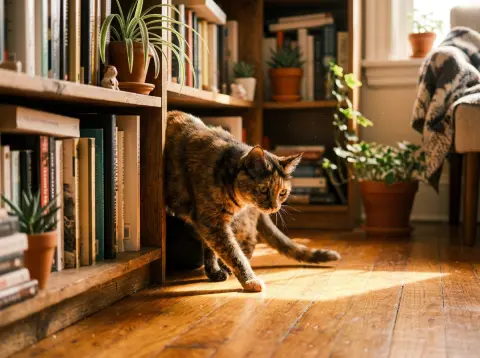
Adopted Cat Meowing All Night: How to Stop It
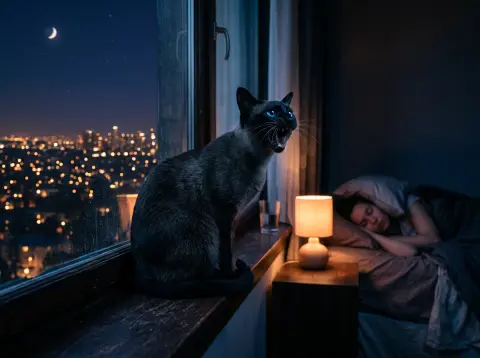
Adopted cat meowing all night? Discover why it happens, how to create a calm environment, and a realistic timeline to quiet nighttime meows.
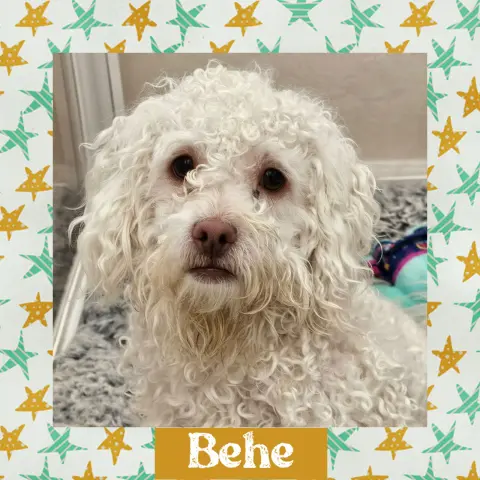
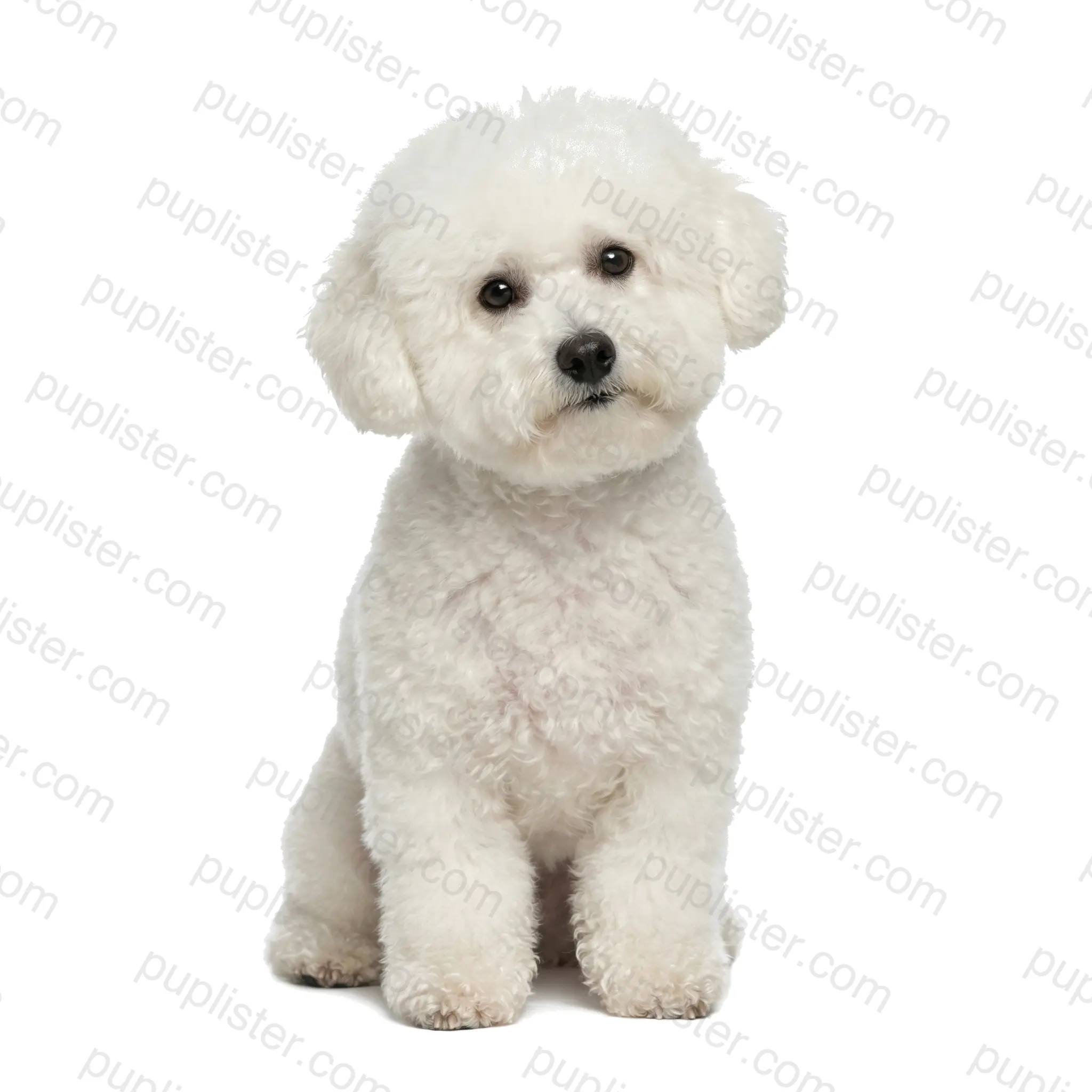
The Bichon Frise is a cheerful, small companion dog with origins tracing to the Mediterranean region — descended from water spaniels and popularized by Spanish, Italian, and French nobility from the 13th century onward. Standing 9.5–11.5 inches tall and weighing 12–18 pounds, the Bichon is a compact, sturdy little dog with a distinctively rounded silhouette. Their hallmark white, powder-puff coat is made up of a soft, dense undercoat and a coarser, curly outer coat that produces minimal shedding but requires professional grooming every 4–6 weeks.
Bichons are playful, affectionate, and irrepressibly cheerful — they seem to carry a perpetual smile and have a gift for making everyone around them happy. They thrive on human attention and are excellent with children, seniors, and other pets, adapting easily to various household dynamics. Their social nature means they do not tolerate being left alone for extended periods and may develop separation anxiety.
A Bichon Frise can brighten even the gloomiest day — find adoptable Bichons on Puplister and add some joy to your life.
Answer 5 quick questions to see how well this breed matches your lifestyle.
10 pets available
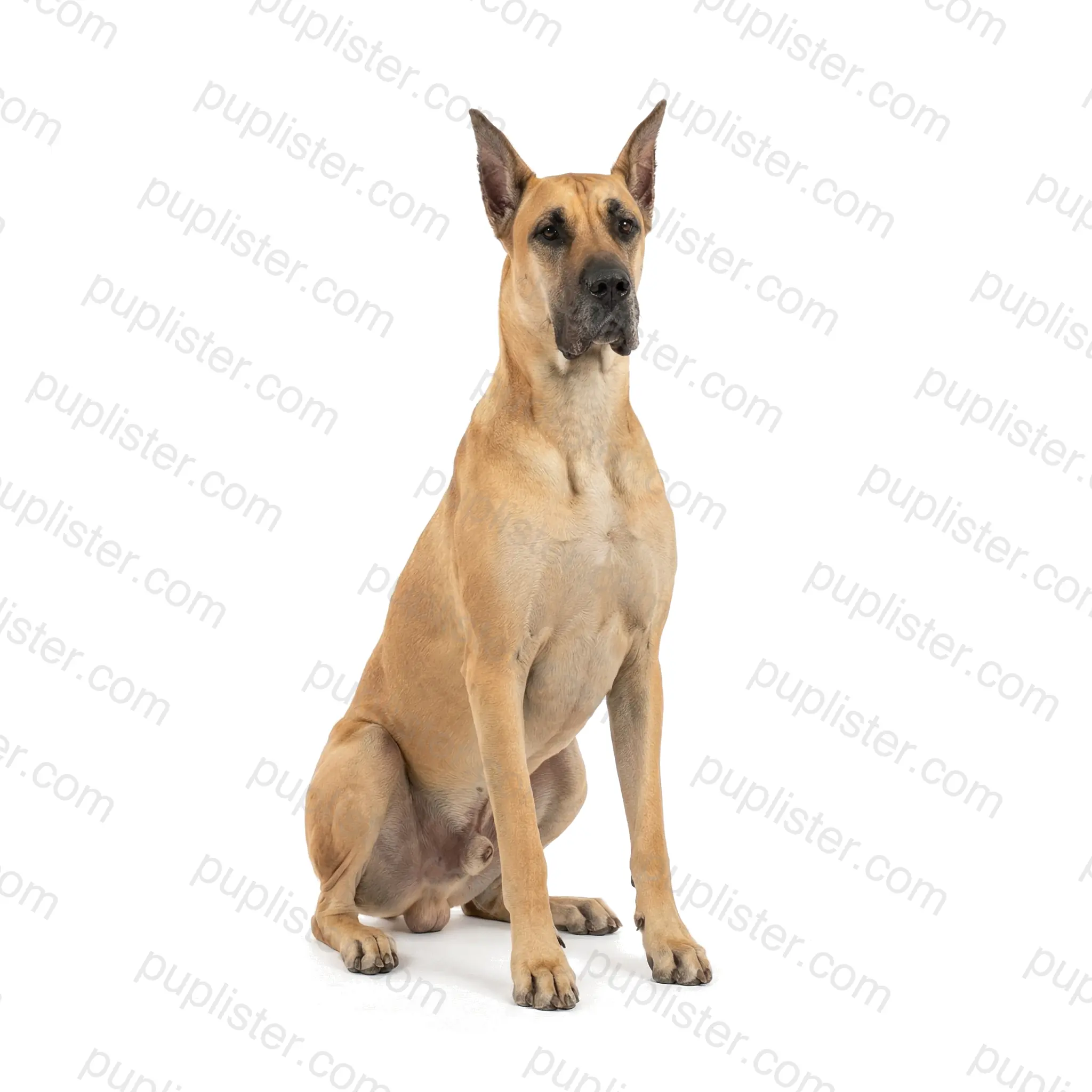
1About the Great Dane The Great Dane — known as the "Apollo of Dogs" — traces its lineage to ancient Assyrian war dogs, though the modern breed was refined in Germany to hunt wild boar and later serve as estate guardians. Standing a towering 28–32 inches at the shoulder and weighing 110–175 pounds, Great Danes are among the tallest dog breeds in the world — the record holder stood 44 inches tall. Their short, sleek coat comes in six recognized colors: fawn, brindle, blue, black, harlequin (white with irregular black patches), and mantle.Temperament & PersonalityDespite their imposing size, Great Danes are famously gentle and affectionate — earning them the nickname "the world's biggest lap dog." They are patient with children and remarkably calm indoors, often preferring to lean against their owner's legs or drape across the couch rather than engage in rough play. Their friendly, confident demeanor means they greet most people warmly, though their sheer size alone is an effective deterrent to unwelcome visitors.ProsSurprisingly calm and gentle indoors — moderate exercise needs despite their enormous sizeNaturally imposing presence deters intruders without aggressive behaviorShort coat requires minimal grooming — just weekly brushing and occasional bathsPatient and tolerant with children — gentle giants who rarely show aggressionConsShort lifespan of 7–10 years — one of the shortest of any breed due to their giant sizeExtremely high risk of bloat (gastric dilatation-volvulus) — a life-threatening emergencyExpensive to maintain — food, veterinary care, medications, and supplies all cost more at giant-breed scaleProne to heart disease (dilated cardiomyopathy), hip dysplasia, and osteosarcomaReady to share your home with a gentle giant? Explore Great Danes available for adoption on Puplister.
37 pets available
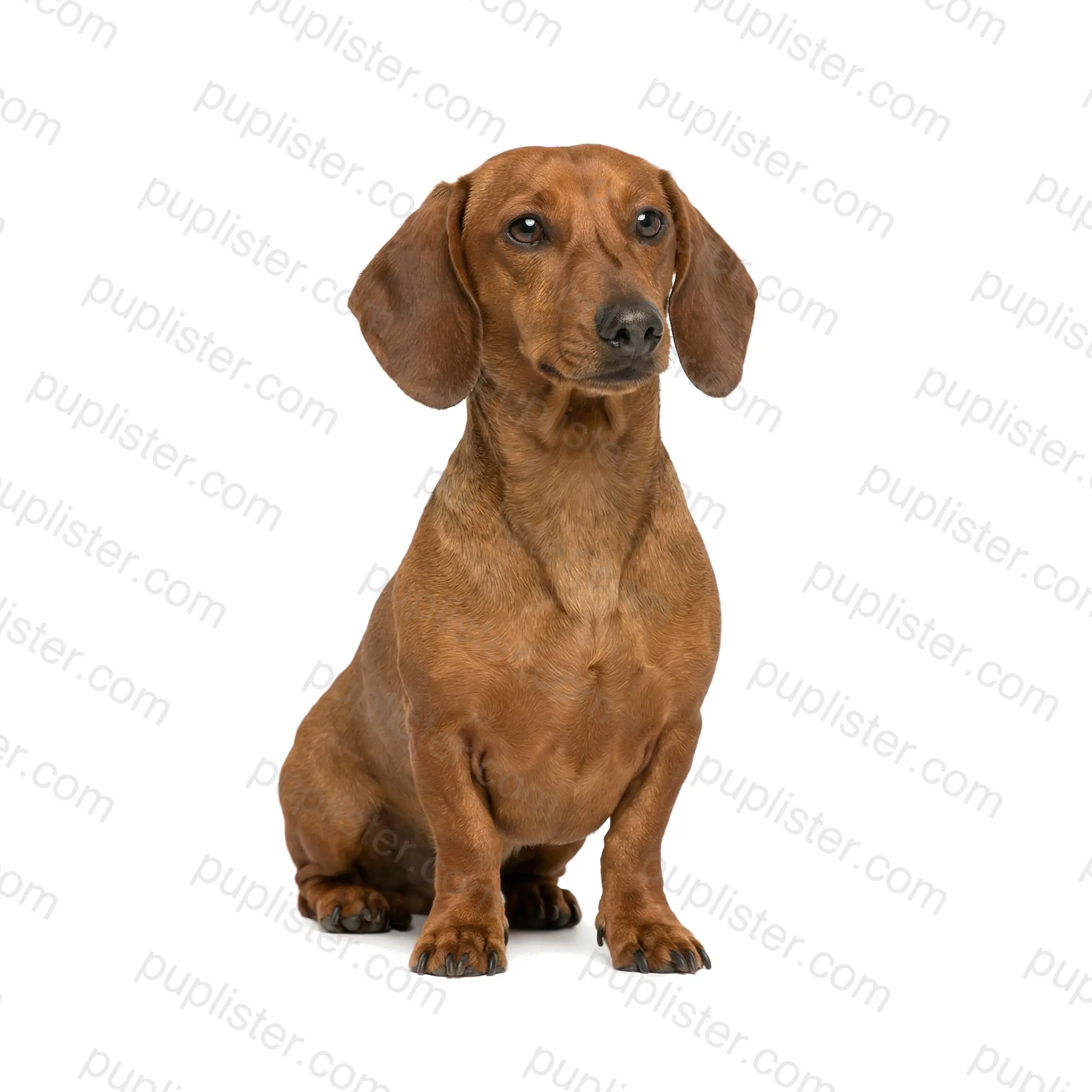
About the Dachshund The Dachshund — affectionately known as the "wiener dog" — was developed in Germany over 300 years ago to hunt badgers in their underground dens, which explains their uniquely elongated body and short, powerful legs. They come in two sizes — Standard (16–32 pounds) and Miniature (under 11 pounds) — and three coat types: smooth, longhaired, and wirehaired, each with its own personality nuances. Their color palette is remarkably varied, including red, black and tan, chocolate, dapple, brindle, and piebald patterns.Temperament & PersonalityDachshunds are bold, clever, and remarkably stubborn — a combination that makes them endlessly entertaining and occasionally infuriating. They're fiercely loyal to their families and can be surprisingly courageous watchdogs, barking with the intensity of a dog three times their size. While affectionate with their people, they can be wary of strangers and may not tolerate rough handling from young children.ProsCompact size and moderate exercise needs make them excellent apartment companionsBold, entertaining personality — constantly amusing their owners with clownish anticsLong lifespan of 12–16 years with proper care and weight managementWirehaired variety sheds minimally and is well-suited for allergy-conscious homesConsExtremely prone to intervertebral disc disease — 1 in 4 will experience back problemsNotoriously difficult to housebreak — often takes 6+ months of consistent trainingStrong prey drive and tunneling instinct — will dig up gardens and chase small animals relentlesslyProne to obesity, which dramatically increases the risk of spinal injuriesCharmed by these spirited little hounds? Find Dachshunds seeking loving homes on Puplister today.
36 pets available
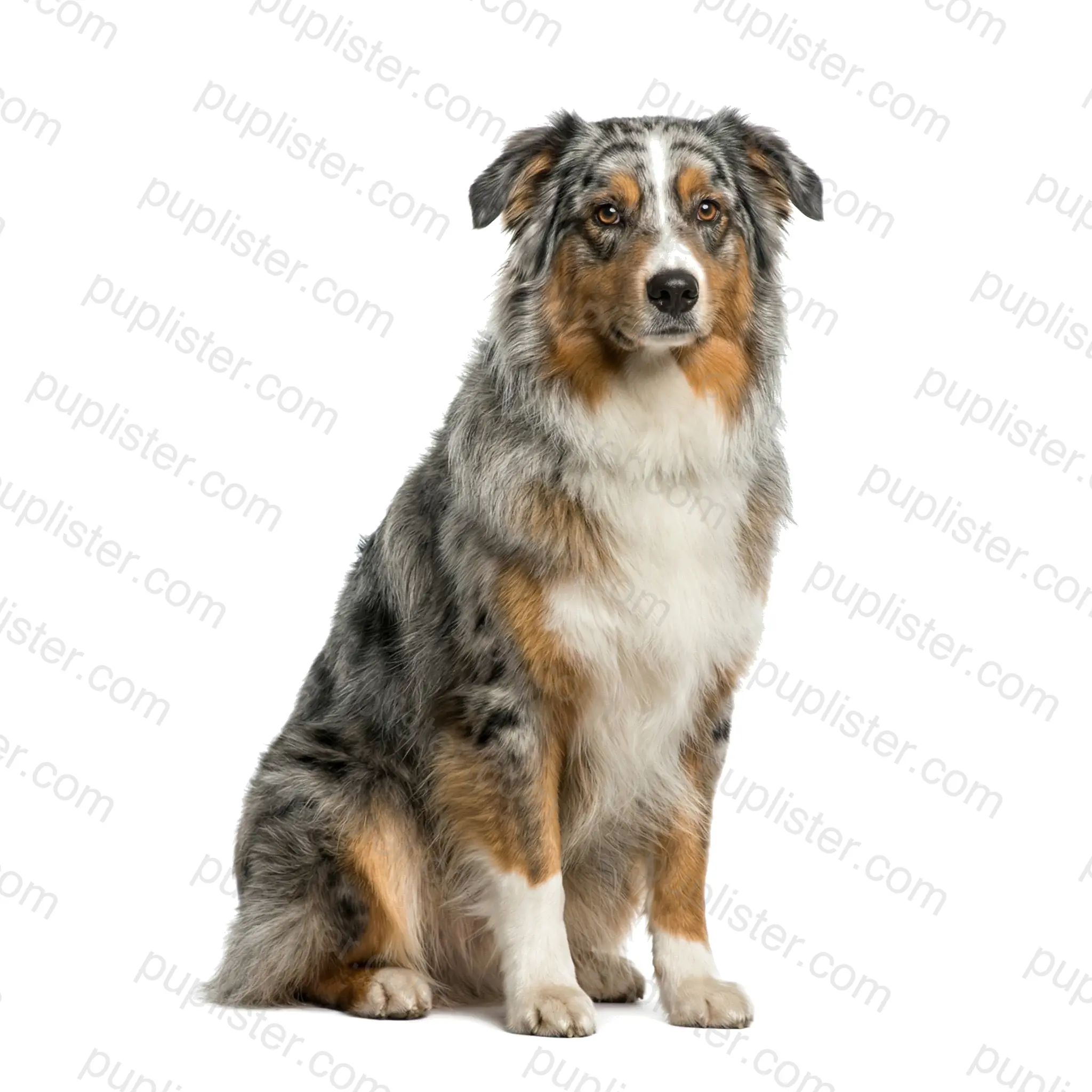
About the Australian Shepherd Despite its name, the Australian Shepherd was actually developed in the western United States during the 19th century, likely from Basque shepherd dogs that passed through Australia on their way to America. These versatile herding dogs stand 18–23 inches tall and weigh 40–65 pounds, with a medium-length double coat that comes in four recognized colors — black, blue merle, red, and red merle — often with striking copper and white markings. Their coats are weather-resistant and require regular brushing to manage moderate-to-heavy shedding.Temperament & PersonalityAustralian Shepherds are brilliant, energetic, and deeply devoted to their families — they thrive when given a purpose and can become anxious or destructive without one. They are excellent with children, often naturally herding and watching over younger family members. Aussies are typically friendly with other dogs but can be reserved with strangers, and their intelligence makes them exceptionally responsive to training.ProsOne of the most intelligent and trainable breeds — excels in agility, flyball, and herdingLoyal and affectionate family companion who bonds closely with all household membersVersatile working dog adaptable to ranch life, sport, or active suburban livingBeautiful, eye-catching coat with striking color variations including heterochromiaConsDemands extensive daily exercise and mental engagement — easily 1–2 hours minimumHeavy shedding, especially during seasonal coat changesMay herd children, cats, and other pets by nipping at heelsProne to epilepsy, hip dysplasia, and the MDR1 gene mutation affecting drug sensitivityAussies are incredible partners for active families — discover adoptable Australian Shepherds waiting for you on Puplister.
2 pets available
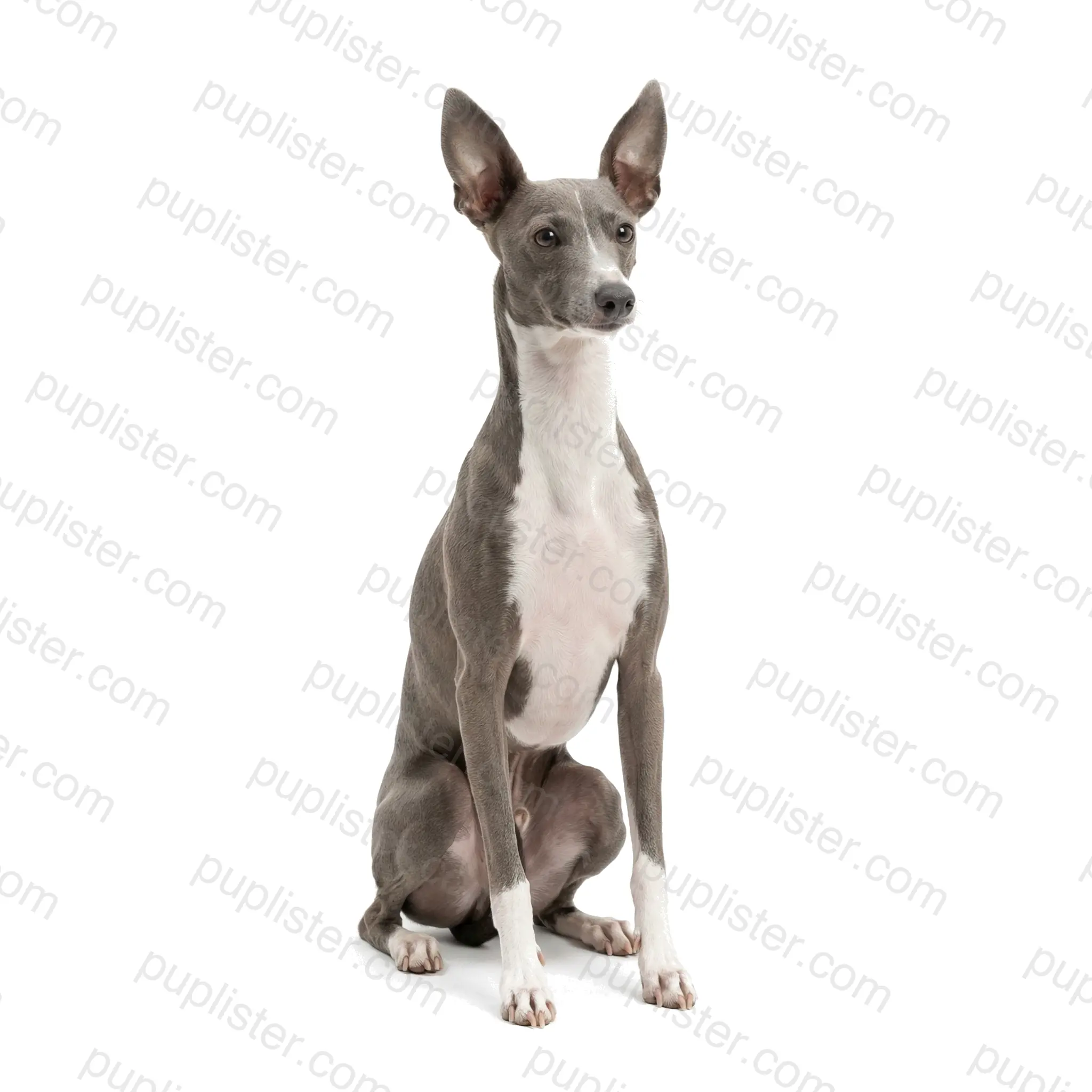
About the Italian Greyhound The Italian Greyhound — a miniaturized version of the Greyhound — has been a prized companion of nobility for over 2,000 years, favored by the likes of Frederick the Great, Queen Victoria, and Catherine the Great. Standing 13–15 inches tall and weighing just 7–14 pounds, this dainty sighthound has a short, satiny coat in shades of fawn, cream, red, blue, black, and various combinations — always with an elegant, high-stepping gait that exudes refinement. Their slender, graceful build and deer-like appearance make them one of the most aesthetically striking toy breeds.Temperament & PersonalityItalian Greyhounds are affectionate, playful, and surprisingly mischievous — alternating between bursts of zoomie energy and hours of burrowing under blankets for warmth. They bond intensely with their owners and can be clingy — often insisting on being held, carried, or curled up in their person's lap. While sweet with family, they tend to be reserved or shy around strangers and may tremble when overstimulated or anxious.ProsElegant, low-shedding coat that produces minimal dander — suitable for many allergy sufferersCompact size and moderate exercise needs make them ideal apartment companionsDeeply affectionate and bonded to their owners — devoted lapdogsLong lifespan of 14–15 years with proper care and dental maintenanceConsExtremely fragile bones — leg fractures are common, especially in puppies and young adultsAmong the most difficult small breeds to housebreak — many owners resort to indoor potty solutionsSensitive to cold — requires sweaters, coats, and warm sleeping arrangements year-roundProne to severe dental disease — often require multiple tooth extractions by middle ageSearching for an elegant, loving companion in a tiny package? Browse Italian Greyhounds on Puplister.
Adopted cat meowing all night? Discover why it happens, how to create a calm environment, and a realistic timeline to quiet nighttime meows.
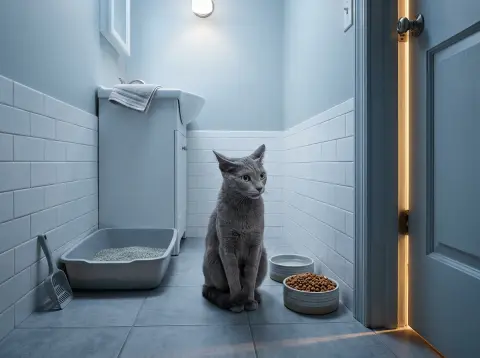
Is your adopted cat not eating? Learn the causes, from stress to past trauma, and discover practical solutions to get your new feline friend eating again.
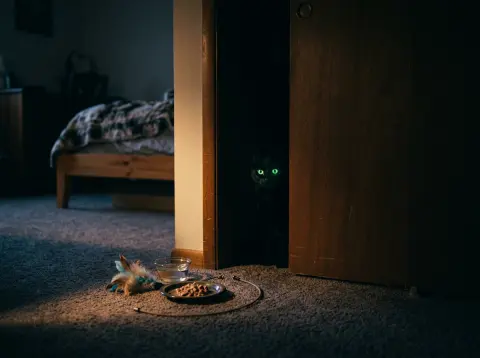
Is your new cat hiding and won't come out? It's normal, but proactive steps can help. Learn how to build trust with your shy adopted cat.
Discover how long it takes for a rescue cat to feel at home with our experienced guide, covering the 3-3-3 rule and actionable tips.