Boxer Boxer

Boxer

2
Playful Energetic Loyal Bright

About the Boxer

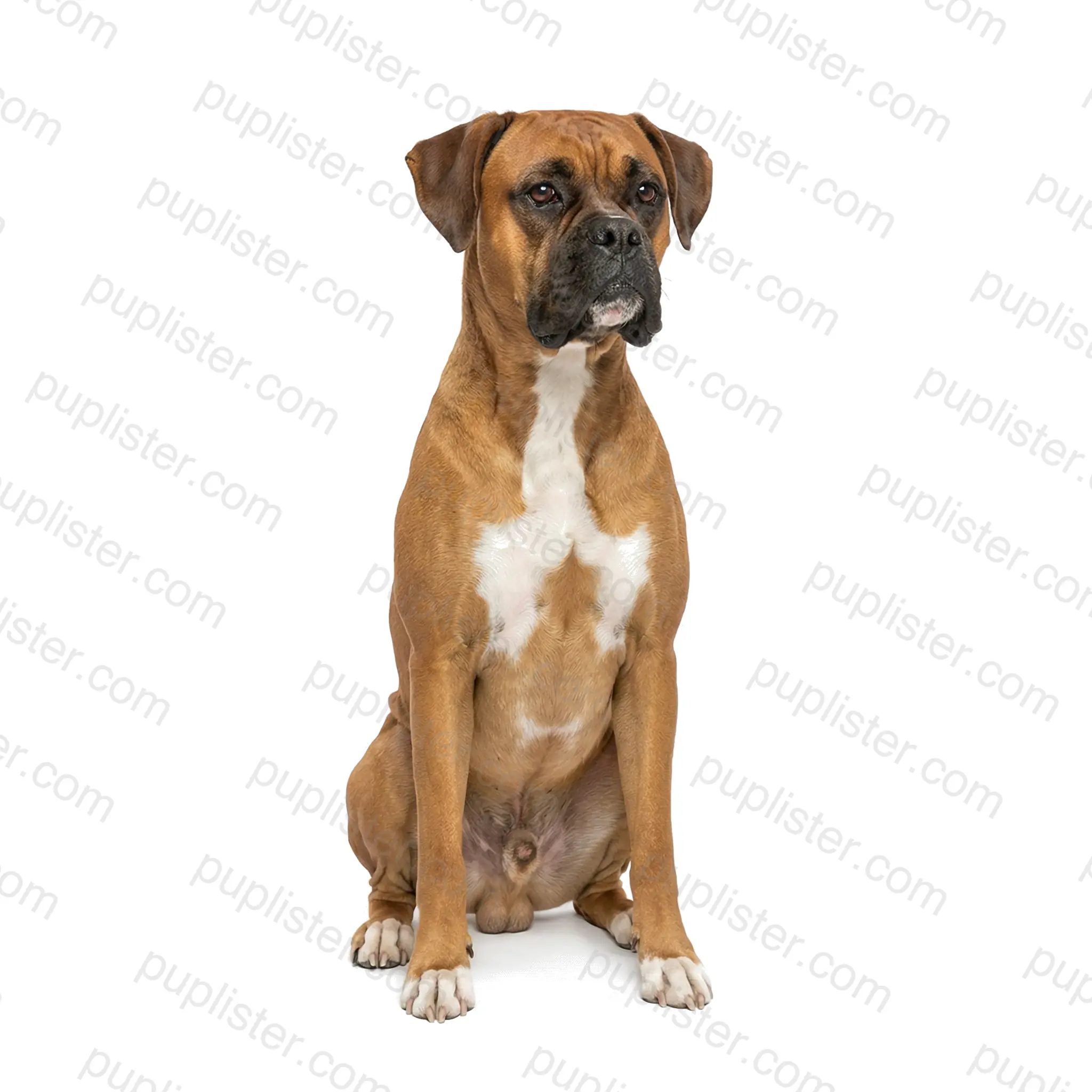
The Boxer was developed in Germany in the late 19th century from the now-extinct Bullenbeisser — a powerful hunting mastiff — crossed with English Bulldogs. Standing 21.5–25 inches tall and weighing 50–80 pounds, the Boxer is a medium-to-large, well-muscled dog with a distinctive square head, undershot jaw, and alert expression. Their short, tight-fitting coat comes in fawn and brindle — sometimes with white markings — and requires very little grooming beyond occasional brushing.

Temperament & Personality

Boxers are playful, energetic, and utterly devoted to their families — they are often called the "Peter Pan" of dog breeds because they maintain their puppyish exuberance well into adulthood. They are exceptional with children, combining patience and protectiveness with a love of play that makes them natural family dogs. Boxers are alert and courageous, making them effective watchdogs, but they are also clownish and affectionate — they're famous for their "kidney bean" wiggle of excitement.

Pros

  • Outstanding family dog — patient, protective, and endlessly playful with children
  • Natural watchdog with a courageous yet non-aggressive temperament
  • Short coat requires minimal grooming effort
  • Energetic and athletic — great companion for running, hiking, and active play

Cons

  • Prone to cancer — one of the breeds most affected, particularly mast cell tumors and lymphoma
  • Brachycephalic tendencies lead to heat intolerance and breathing difficulties during vigorous exercise
  • Can be excessively boisterous and may accidentally knock over small children or elderly family members
  • Susceptible to heart conditions including aortic stenosis and dilated cardiomyopathy

Boxers bring boundless energy and unconditional love to every family — browse adoptable Boxers on Puplister and find your playful companion.

Boxer Quick Facts

Size
50–80 lbs, 21–25 in
Lifespan
10–12 years
Exercise
High
Grooming
Low
Good with Kids
Yes
Good with Pets
Yes

Is the Boxer right for you?

Answer 5 quick questions to see how well this breed matches your lifestyle.

Take the Quiz

Available Boxers

Vega
Young
Vega
S

Boxer

Collier County Domestic Animal Services · Naples, FL
Tessa
Baby
Tessa
M

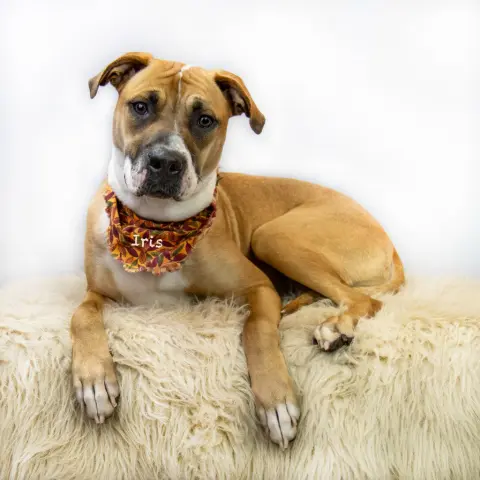
American Staffordshire Terrier / Boxer

Animal House Shelter · Huntley, IL
Harrison
Baby

Boxer / American Pit Bull Terrier

Los Angeles County Animal Control Carson · Gardena, CA
Tony
Baby
Tony
M

American Staffordshire Terrier / Boxer

Animal House Shelter · Huntley, IL
Tobi
Baby
Tobi
S

American Staffordshire Terrier / Boxer

Animal House Shelter · Huntley, IL
Troy
Adult
Troy
M

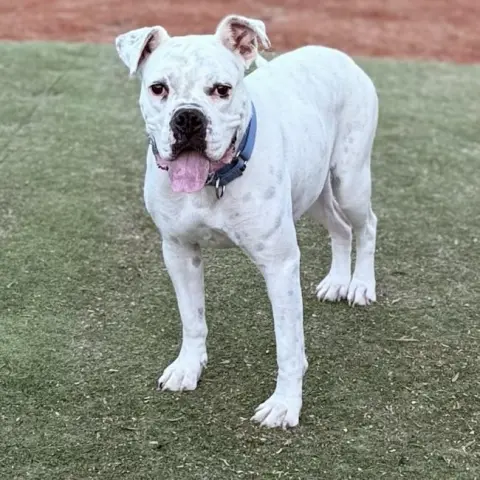
Boxer

Critter Companion Rescue · Sussex, NJ
Treasure
Baby

American Staffordshire Terrier / Boxer

Animal House Shelter · Huntley, IL
Trinity
Baby

American Staffordshire Terrier / Boxer

Animal House Shelter · Huntley, IL
Ruger
Adult
Ruger
L

Boxer

Chelsea's Hope Boxer Rescue · Monticello, NJ
Tatum
Baby
Tatum
S

American Staffordshire Terrier / Boxer

Animal House Shelter · Huntley, IL
Zoomie
Young
Zoomie
M

Labrador Retriever / Boxer

Animal House Shelter · Huntley, IL
Cooper
Baby
Cooper
M

American Staffordshire Terrier / Boxer

Animal House Shelter · Huntley, IL

Related Breeds

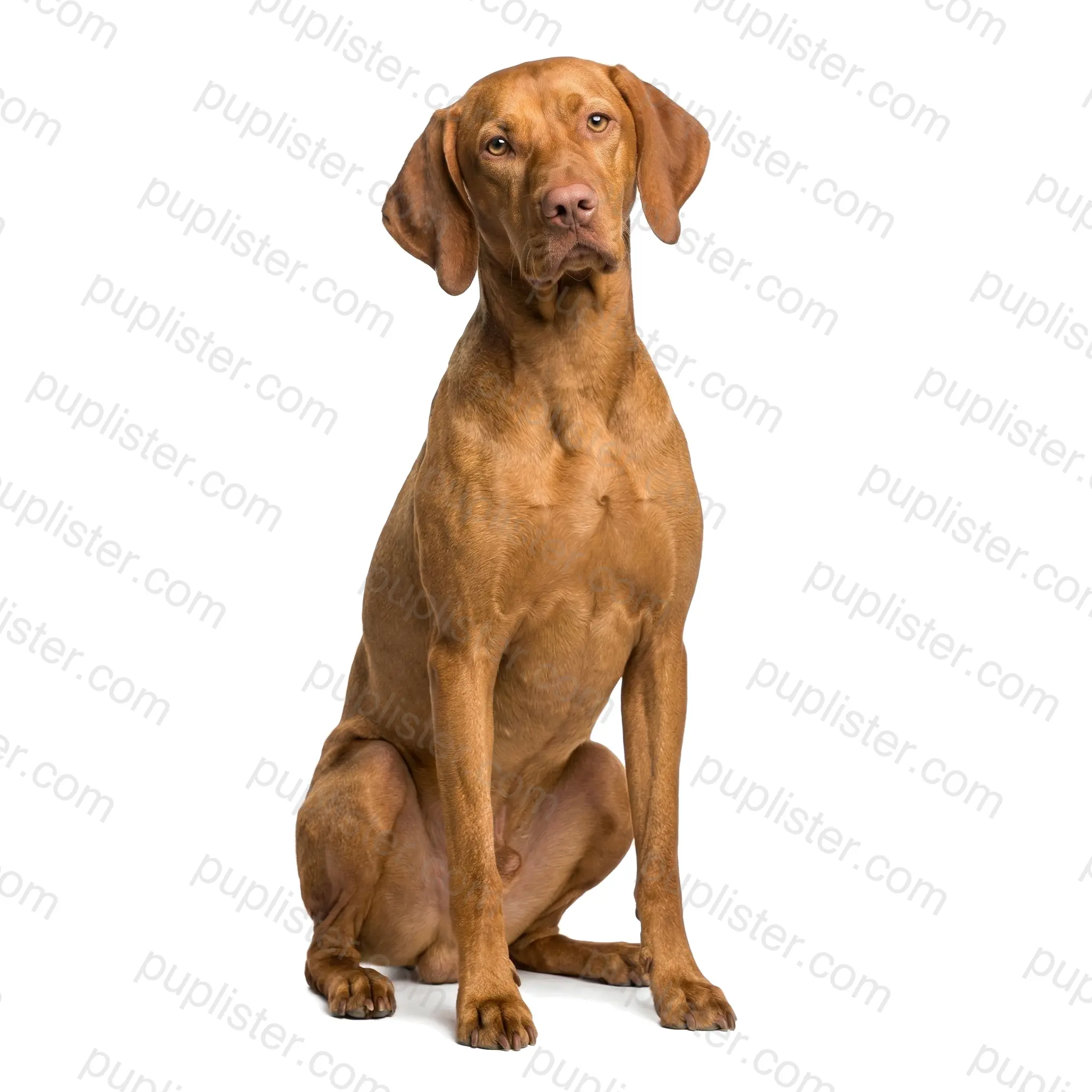
Rhodesian Ridgeback

8 pets available

1

About the Rhodesian Ridgeback The Rhodesian Ridgeback was developed in southern Africa by European settlers who crossed their dogs with the semi-domesticated ridged hunting dogs of the Khoikhoi people, creating a versatile hunter capable of tracking and holding lions at bay. These powerful, athletic dogs stand 24 to 27 inches tall and weigh 70 to 85 pounds, with a sleek, muscular physique built for speed and endurance. Their short, dense coat is light wheaten to red wheaten, and the breed's hallmark is a distinctive ridge of hair growing in the opposite direction along the spine. Temperament & Personality Rhodesian Ridgebacks are dignified, strong-willed, and intensely loyal — they form deep bonds with their families while maintaining an aloof independence with strangers. They are gentle and patient with children in their own household but possess a powerful protective instinct that requires experienced handling and thorough socialization. Ridgebacks are not typically aggressive but have a commanding presence and will not back down from a challenge if provoked. Pros Athletic and versatile — excels as a running, hiking, and lure coursing partnerLow-maintenance coat with minimal shedding and grooming needsNaturally clean breed with little doggy odorQuiet and dignified — rarely barks without good reason Cons Strong-willed and dominant — requires experienced, confident ownershipHigh prey drive makes them a risk around cats and small animalsProne to dermoid sinus (a congenital spinal defect unique to the breed), hip dysplasia, and bloatCan be destructive and escape-prone if under-exercised or bored The Rhodesian Ridgeback is a majestic, loyal guardian for the right home — find yours on Puplister.

Greyhound
Greyhound Dog

6 pets available

About the Greyhound The Greyhound is one of the most ancient breeds — depicted in Egyptian tomb art dating back 5,000 years and prized by nobility throughout history for their unmatched speed and grace. Standing 27–30 inches tall and weighing 60–70 pounds, these aerodynamic athletes can reach speeds of 45 miles per hour, making them the fastest dog breed in the world. Their short, smooth coat comes in virtually every color and pattern, including black, white, fawn, red, blue, brindle, and various combinations.Temperament & PersonalityGreyhounds are gentle, quiet, and surprisingly lazy — the ultimate couch potatoes who happen to be world-class sprinters. They are sweet-natured and sensitive dogs that form deep bonds with their owners and are typically good with older children who respect their space. Many retired racing Greyhounds adapt beautifully to home life, though they may need time to learn household basics like stairs, glass doors, and slippery floors.ProsRemarkably calm and quiet indoors — content to sleep 18+ hours a day on the couchLow-maintenance coat — virtually no grooming needs and minimal sheddingGentle, non-aggressive temperament — rarely bark and never show hostility toward peopleMany retired racers are available for adoption — giving these athletes a well-deserved second careerConsStrong prey drive — cannot be trusted off-leash and may chase small dogs, cats, and wildlifeThin skin and minimal body fat make them susceptible to cuts, cold temperatures, and pressure soresSensitive to anesthesia and many common medications due to low body fat percentageProne to osteosarcoma, bloat, and dental disease — especially in retired racing dogsGive a graceful Greyhound the retirement they deserve — browse adoptable Greyhounds on Puplister.

Brittany
Brittany Dog

1 pet available

About the Brittany The Brittany — formerly known as the Brittany Spaniel — originated in the Brittany province of northwestern France, where it has been a prized bird dog since at least the 17th century. Standing 17.5–20.5 inches tall and weighing 30–40 pounds, the Brittany is a leggy, agile sporting dog with a compact build that belies its remarkable stamina. Their flat or wavy coat comes in orange-and-white or liver-and-white patterns, is moderate in length with some feathering, and requires only weekly brushing.Temperament & PersonalityBrittanys are eager, energetic, and sensitive — they are among the most biddable of the sporting breeds, responding enthusiastically to praise and positive training methods. They are excellent family dogs who adore children and get along well with other dogs, though they can be overwhelmed by harsh corrections or chaotic environments. Their hunting instinct remains strong, and they will point and flush birds naturally, making them dual-purpose companions for active families and hunters alike.ProsHighly trainable and eager to please — one of the easiest sporting breeds to work withExcellent with children and other dogs, making them ideal family companionsVersatile hunting dog that points, flushes, and retrieves with natural talentModerate grooming needs with a relatively low-maintenance coatConsVery high energy level — requires extensive daily exercise, ideally in open spacesSensitive temperament can lead to submissive urination or anxiety with harsh treatmentNot suited for sedentary households — without exercise, they become hyperactive and neuroticProne to hip dysplasia, epilepsy, and canine discoid lupus erythematosusIf you lead an active lifestyle and want a devoted companion, explore adoptable Brittanys on Puplister today.

Papillon
Papillon Dog

2 pets available

About the Papillon The Papillon — French for "butterfly," referring to its elegant fringed ears — traces its lineage to European toy spaniels depicted in Renaissance paintings as far back as the 16th century. These dainty yet sturdy dogs weigh just 5 to 10 pounds and stand 8 to 11 inches tall, ranking among the smallest of all breeds. Their long, silky, single-layer coat is white with patches of any color, and the breed also has a drop-eared variety known as the Phalène. Temperament & Personality Papillons are remarkably intelligent, lively, and confident — consistently ranked among the top 10 smartest dog breeds despite their diminutive stature. They are friendly and affectionate with their families, though they can be reserved with strangers until properly introduced. Papillons do well with gentle older children but may be too delicate for rough play with toddlers, and they often get along with other pets when socialized early. Pros Exceptionally intelligent and excels in obedience and agility competitionsNo undercoat means less shedding and easier maintenance than many breedsHardy and athletic despite tiny size — enjoys long walks and active playLong lifespan of 14 to 16 years with generally robust health Cons Fragile bone structure makes them vulnerable to injury from falls or rough handlingCan be yappy and difficult to quiet without early trainingSusceptible to patellar luxation, dental issues, and open fontanelsMay develop "small dog syndrome" if not given consistent boundaries Want a tiny dog with big brains and even bigger personality? Discover Papillons looking for homes on Puplister.

Related Articles

Frequently Asked Questions

What are the key traits of a Boxer?
The Boxer is known for being playful, energetic, loyal and bright.
How many Boxers are available for adoption?
There are currently 52 Boxers available for adoption on Puplister. Browse the listings above to find your perfect match.
How do I adopt a Boxer from Puplister?
To adopt a Boxer, browse the available listings on this page, click on a pet you're interested in, and contact the shelter directly through their profile page.