Cane Corso Cane Corso

Cane Corso

Intelligent Loyal Protective Confident

About the Cane Corso

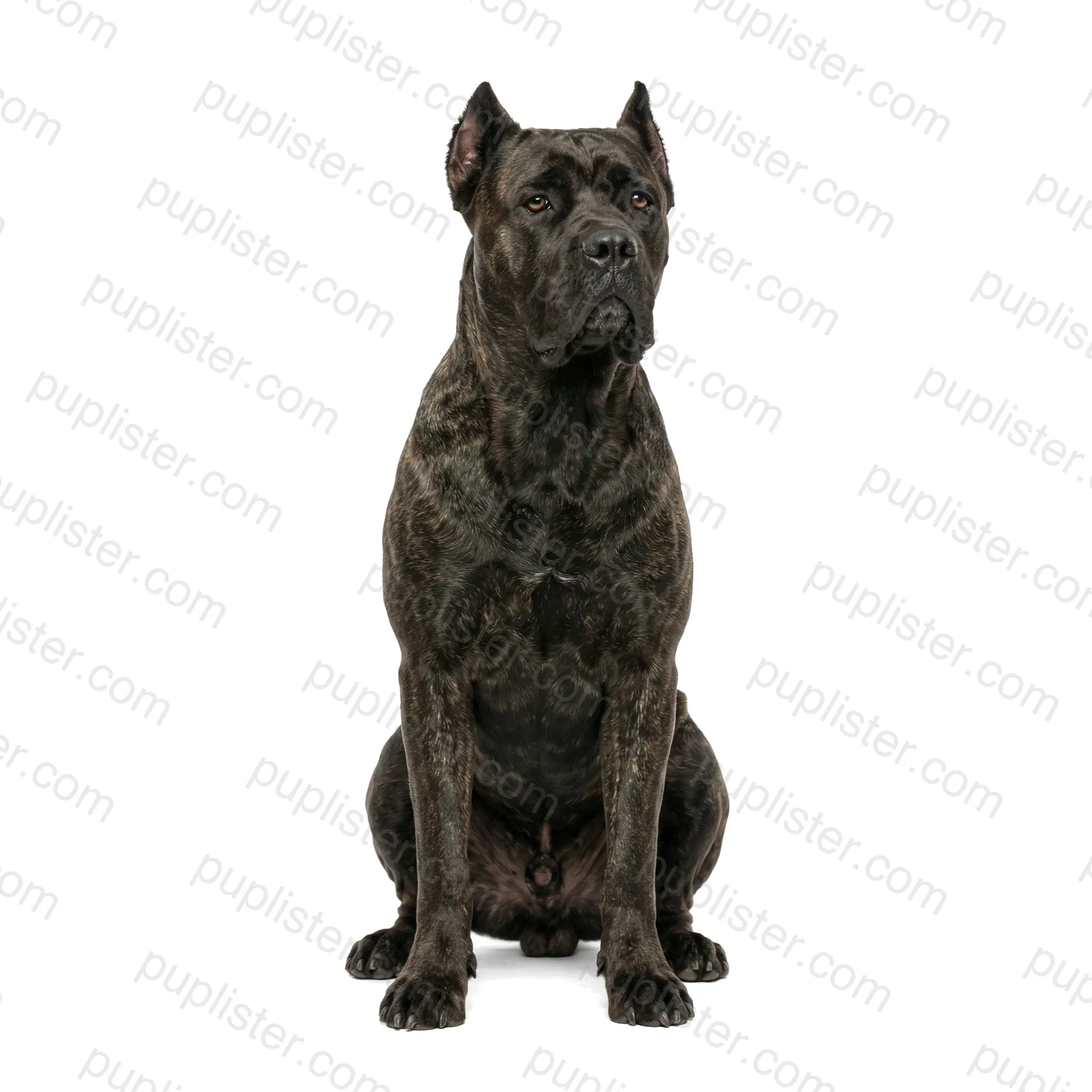
The Cane Corso is an ancient Italian mastiff breed whose lineage traces directly to the Roman canis pugnaces — war dogs that accompanied legions into battle. Standing 23.5–27.5 inches tall and weighing 90–120 pounds, the Cane Corso is a large, athletic, and muscular dog that is notably more agile and less bulky than other mastiff breeds. Their short, stiff, double-layered coat comes in black, gray, fawn, red, and brindle — often with a black or gray mask — and requires minimal grooming.

Temperament & Personality

Cane Corsos are intelligent, loyal, and intensely protective — they are working dogs at heart, bred to guard property, livestock, and families with quiet confidence and unwavering vigilance. They bond deeply with their owners and are affectionate and gentle within the family circle, but they are naturally suspicious of strangers and can be assertive with other dogs. This is emphatically not a breed for inexperienced owners — they require firm, consistent leadership and extensive socialization from puppyhood.

Pros

  • Exceptional guardian — their protective instincts are reliable and deeply ingrained
  • More athletic and agile than other mastiff breeds, capable of true working performance
  • Loyal and affectionate with family — surprisingly gentle with children they've been raised with
  • Low-maintenance coat with minimal grooming needs

Cons

  • Requires an experienced, confident owner who can establish and maintain leadership
  • Can be dog-aggressive and territorial without thorough socialization
  • Prone to hip dysplasia, bloat, cherry eye, and idiopathic epilepsy
  • Their size and strength can make them dangerous if improperly trained or handled

For the right owner, a Cane Corso is an unparalleled companion and protector — find adoptable Cane Corsos on Puplister.

Cane Corso Quick Facts

Size
88–120 lbs, 24–28 in
Lifespan
9–12 years
Exercise
High
Grooming
Low
Good with Kids
Yes
Good with Pets
Not recommended

Is the Cane Corso right for you?

Answer 5 quick questions to see how well this breed matches your lifestyle.

Take the Quiz

Available Cane Corsos

Delilah
Baby

Cane Corso

Canine Rescue Coalition · Goodyear, AZ
Sami
Young
Sami
XL

Cane Corso

Canine Rescue Coalition · Goodyear, AZ
Teaspoon
Adult

Cane Corso

Canine Rescue Coalition · Goodyear, AZ
Selena
Young
Selena
XL

Cane Corso

Canine Rescue Coalition · Goodyear, AZ
Appa
Young
Appa
XL

Cane Corso

Canine Rescue Coalition · Goodyear, AZ
Darla
Baby
Darla
XL

Cane Corso

Canine Rescue Coalition · Goodyear, AZ
Tigger
Young
Tigger
L

Cane Corso

Canine Rescue Coalition · Goodyear, AZ
Dewey
Baby
Dewey
XL

Great Dane / Cane Corso

Canine Rescue Coalition · Goodyear, AZ
Ally
Adult
Ally
L

Cane Corso

City of Tulsa Animal Welfare · Tulsa, OK
Franky
Young
Franky
L

Cane Corso / Boxer

Underdog Rescue Of Arizona · Chandler, AZ
Captain
Adult

Cane Corso

West Valley Animal Care And Control Center · Chatsworth, CA
Sassy
Adult
Sassy
XL

Cane Corso

Canine Rescue Coalition · Goodyear, AZ

Related Breeds

Labrador Retriever

303 pets available

4

About the Labrador Retriever The Labrador Retriever has been America's most popular dog breed for over three decades — and for good reason. Originally bred in Newfoundland, Canada, during the early 19th century to help fishermen haul nets and retrieve catch from the icy North Atlantic, the breed was refined in England into the versatile sporting dog we know today. Labs stand 21.5–24.5 inches tall and weigh 55–80 pounds, with a short, dense, water-resistant double coat in three recognized colors: black, yellow (ranging from fox-red to pale cream), and chocolate.Temperament & PersonalityLabrador Retrievers are friendly, outgoing, and high-spirited — they greet nearly every person, dog, and situation with unbridled enthusiasm and a wagging tail. They are exceptionally patient and gentle with children, making them one of the most trusted family dogs in the world. Labs are also remarkably intelligent and eager to please, which is why they dominate as guide dogs, search-and-rescue dogs, therapy dogs, and detection dogs across dozens of working disciplines.ProsOutstanding family dog — patient, gentle, and naturally good with children of all agesHighly trainable and eager to please — consistently ranks among the most obedient breedsVersatile and adaptable — equally at home on the couch, in the field, or in the waterFriendly and social temperament — gets along well with other dogs, cats, and strangersConsHeavy shedding year-round with major seasonal blowouts — not suited for allergy sufferersProne to obesity — Labs are notoriously food-motivated and will eat anything not locked awayHigh energy in the first 2–3 years — requires substantial daily exercise to prevent destructive behaviorSusceptible to hip and elbow dysplasia, exercise-induced collapse, and progressive retinal atrophyThere's a reason the Lab is the world's favorite dog — discover adoptable Labrador Retrievers on Puplister today.

Italian Greyhound

2 pets available

1

About the Italian Greyhound The Italian Greyhound — a miniaturized version of the Greyhound — has been a prized companion of nobility for over 2,000 years, favored by the likes of Frederick the Great, Queen Victoria, and Catherine the Great. Standing 13–15 inches tall and weighing just 7–14 pounds, this dainty sighthound has a short, satiny coat in shades of fawn, cream, red, blue, black, and various combinations — always with an elegant, high-stepping gait that exudes refinement. Their slender, graceful build and deer-like appearance make them one of the most aesthetically striking toy breeds.Temperament & PersonalityItalian Greyhounds are affectionate, playful, and surprisingly mischievous — alternating between bursts of zoomie energy and hours of burrowing under blankets for warmth. They bond intensely with their owners and can be clingy — often insisting on being held, carried, or curled up in their person's lap. While sweet with family, they tend to be reserved or shy around strangers and may tremble when overstimulated or anxious.ProsElegant, low-shedding coat that produces minimal dander — suitable for many allergy sufferersCompact size and moderate exercise needs make them ideal apartment companionsDeeply affectionate and bonded to their owners — devoted lapdogsLong lifespan of 14–15 years with proper care and dental maintenanceConsExtremely fragile bones — leg fractures are common, especially in puppies and young adultsAmong the most difficult small breeds to housebreak — many owners resort to indoor potty solutionsSensitive to cold — requires sweaters, coats, and warm sleeping arrangements year-roundProne to severe dental disease — often require multiple tooth extractions by middle ageSearching for an elegant, loving companion in a tiny package? Browse Italian Greyhounds on Puplister.

Bichon Frise

4 pets available

2

About the Bichon Frise The Bichon Frise is a cheerful, small companion dog with origins tracing to the Mediterranean region — descended from water spaniels and popularized by Spanish, Italian, and French nobility from the 13th century onward. Standing 9.5–11.5 inches tall and weighing 12–18 pounds, the Bichon is a compact, sturdy little dog with a distinctively rounded silhouette. Their hallmark white, powder-puff coat is made up of a soft, dense undercoat and a coarser, curly outer coat that produces minimal shedding but requires professional grooming every 4–6 weeks.Temperament & PersonalityBichons are playful, affectionate, and irrepressibly cheerful — they seem to carry a perpetual smile and have a gift for making everyone around them happy. They thrive on human attention and are excellent with children, seniors, and other pets, adapting easily to various household dynamics. Their social nature means they do not tolerate being left alone for extended periods and may develop separation anxiety.ProsHypoallergenic coat produces minimal dander and virtually no sheddingAdaptable to apartment living — their small size and moderate exercise needs fit urban lifestylesFriendly and sociable with strangers, children, and other animalsCheerful, entertaining personality that brings joy to any householdConsProfessional grooming is essential and can be costly — every 4–6 weeks minimumProne to separation anxiety and may bark excessively or become destructive when left aloneCan be challenging to housebreak — consistent crate training is often necessarySusceptible to patellar luxation, bladder stones, and allergiesA Bichon Frise can brighten even the gloomiest day — find adoptable Bichons on Puplister and add some joy to your life.

West Highland White Terrier

1 pet available

1

About the West Highland White Terrier The West Highland White Terrier — universally known as the "Westie" — was developed in Scotland's western highlands during the 19th century, selectively bred from Cairn Terrier stock for its white coat to be more visible against the dark highland terrain while hunting foxes, badgers, and rats. These sturdy little dogs stand 10 to 11 inches tall and weigh 15 to 20 pounds, with a compact, balanced build and surprisingly strong legs for their size. Their double coat features a hard, straight white outer layer and a soft, dense undercoat — always pure white without exception. Temperament & Personality Westies are confident, entertaining, and surprisingly tough — carrying the classic terrier self-assurance in a friendly, less aggressive package than many of their terrier relatives. They are affectionate with their families, generally good with older children, and possess an independent, adventurous spirit that keeps life interesting. Westies are social dogs that enjoy meeting people, though they can be assertive with other dogs and retain a strong instinct to chase anything that moves. Pros Sturdy and adaptable — thrives in apartments, suburbs, and country settingsFriendly and sociable without the extreme aggression of some terrier breedsPortable size with a big, confident personalityAlert watchdog that will reliably announce visitors Cons Prone to atopic dermatitis and skin allergies — one of the most affected breedsCoat requires regular professional grooming or hand-stripping every 6 to 8 weeksCan be stubborn and willful during training — responds best to positive methodsTendency to dig and bark, especially when bored or left in the yard Westies bring Scottish charm and terrier spirit into every home — find your white-coated companion on Puplister.

Related Articles

Frequently Asked Questions

What are the key traits of a Cane Corso?
The Cane Corso is known for being intelligent, loyal, protective and confident.
How many Cane Corsos are available for adoption?
There are currently 28 Cane Corsos available for adoption on Puplister. Browse the listings above to find your perfect match.
How do I adopt a Cane Corso from Puplister?
To adopt a Cane Corso, browse the available listings on this page, click on a pet you're interested in, and contact the shelter directly through their profile page.