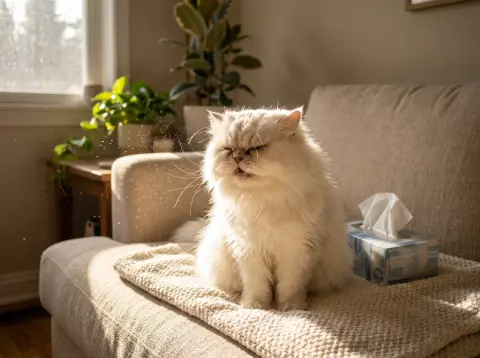
Adopted Cat Meowing All Night: How to Stop It
Adopted cat meowing all night? Discover why it happens, how to create a calm environment, and a realistic timeline to quiet nighttime meows.
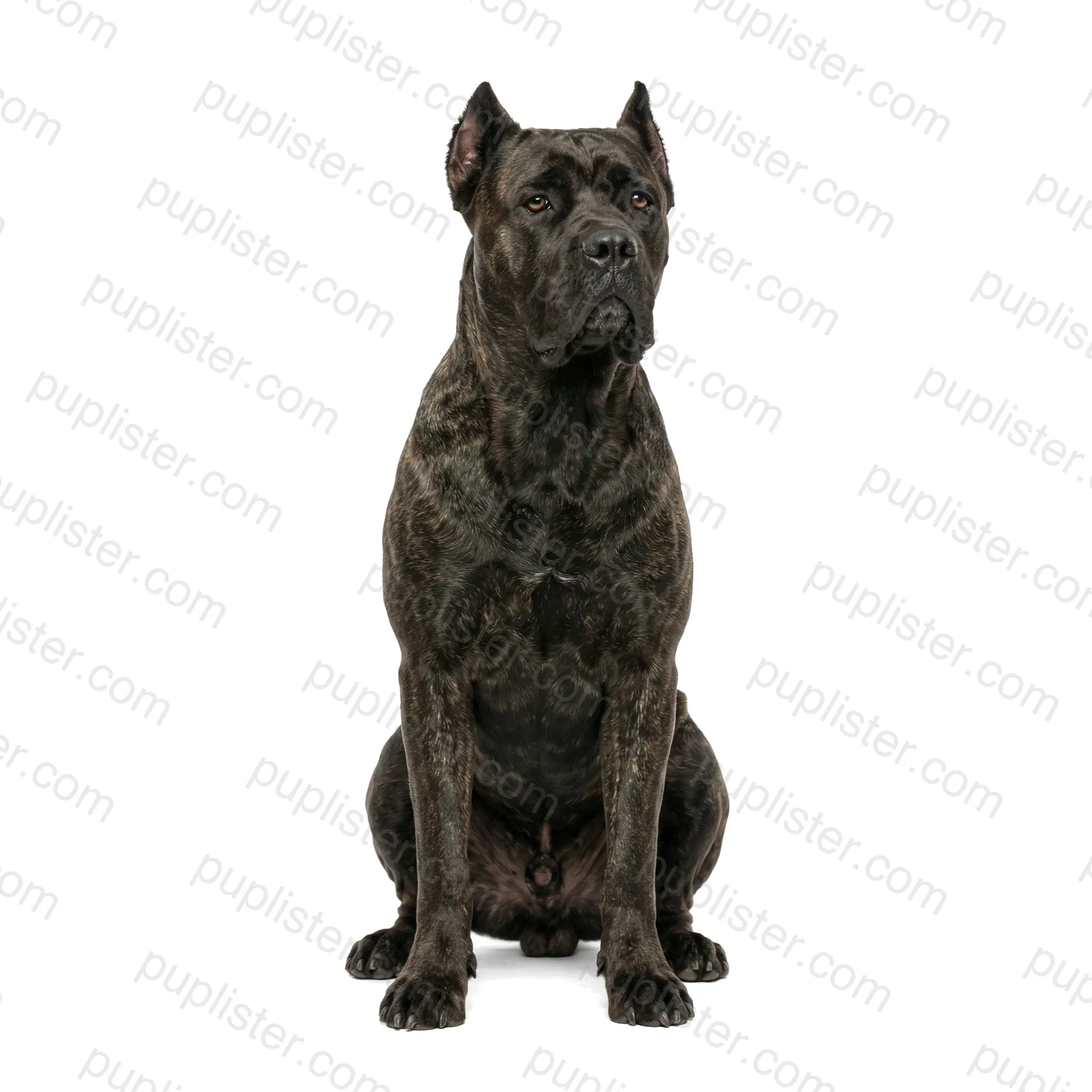
The Cane Corso is an ancient Italian mastiff breed whose lineage traces directly to the Roman canis pugnaces — war dogs that accompanied legions into battle. Standing 23.5–27.5 inches tall and weighing 90–120 pounds, the Cane Corso is a large, athletic, and muscular dog that is notably more agile and less bulky than other mastiff breeds. Their short, stiff, double-layered coat comes in black, gray, fawn, red, and brindle — often with a black or gray mask — and requires minimal grooming.
Cane Corsos are intelligent, loyal, and intensely protective — they are working dogs at heart, bred to guard property, livestock, and families with quiet confidence and unwavering vigilance. They bond deeply with their owners and are affectionate and gentle within the family circle, but they are naturally suspicious of strangers and can be assertive with other dogs. This is emphatically not a breed for inexperienced owners — they require firm, consistent leadership and extensive socialization from puppyhood.
For the right owner, a Cane Corso is an unparalleled companion and protector — find adoptable Cane Corsos on Puplister.
Answer 5 quick questions to see how well this breed matches your lifestyle.
3 pets available
1About the Akita The Akita is a powerful, noble breed originating from the mountainous regions of northern Japan, where it was bred to hunt wild boar, deer, and even bears. Males stand 26–28 inches tall and weigh 100–130 pounds, while females are slightly smaller at 24–26 inches and 70–100 pounds. The breed has a thick double coat that comes in several colors — including white, brindle, and pinto — and sheds heavily twice a year during seasonal "blowouts."Temperament & PersonalityAkitas are fiercely loyal and protective of their families, often forming an especially deep bond with one primary person. They are naturally reserved and wary of strangers, making them excellent guard dogs without excessive barking. While they can be gentle with children in their own family, Akitas generally do not tolerate other dogs well — particularly dogs of the same sex — and require experienced handling.ProsExceptionally loyal — the breed's devotion is legendary, as exemplified by the famous HachikoNaturally clean and cat-like in grooming habitsQuiet breed that rarely barks unnecessarilyImposing presence serves as an effective deterrent to intrudersConsStrong same-sex dog aggression makes multi-dog households challengingHeavy seasonal shedding requires frequent brushing and cleanupDominant personality demands an experienced, confident ownerProne to autoimmune disorders, hip dysplasia, and bloat (gastric torsion)Discover loyal Akitas waiting for their forever homes — explore adoptable Akitas on Puplister now.
48 pets available
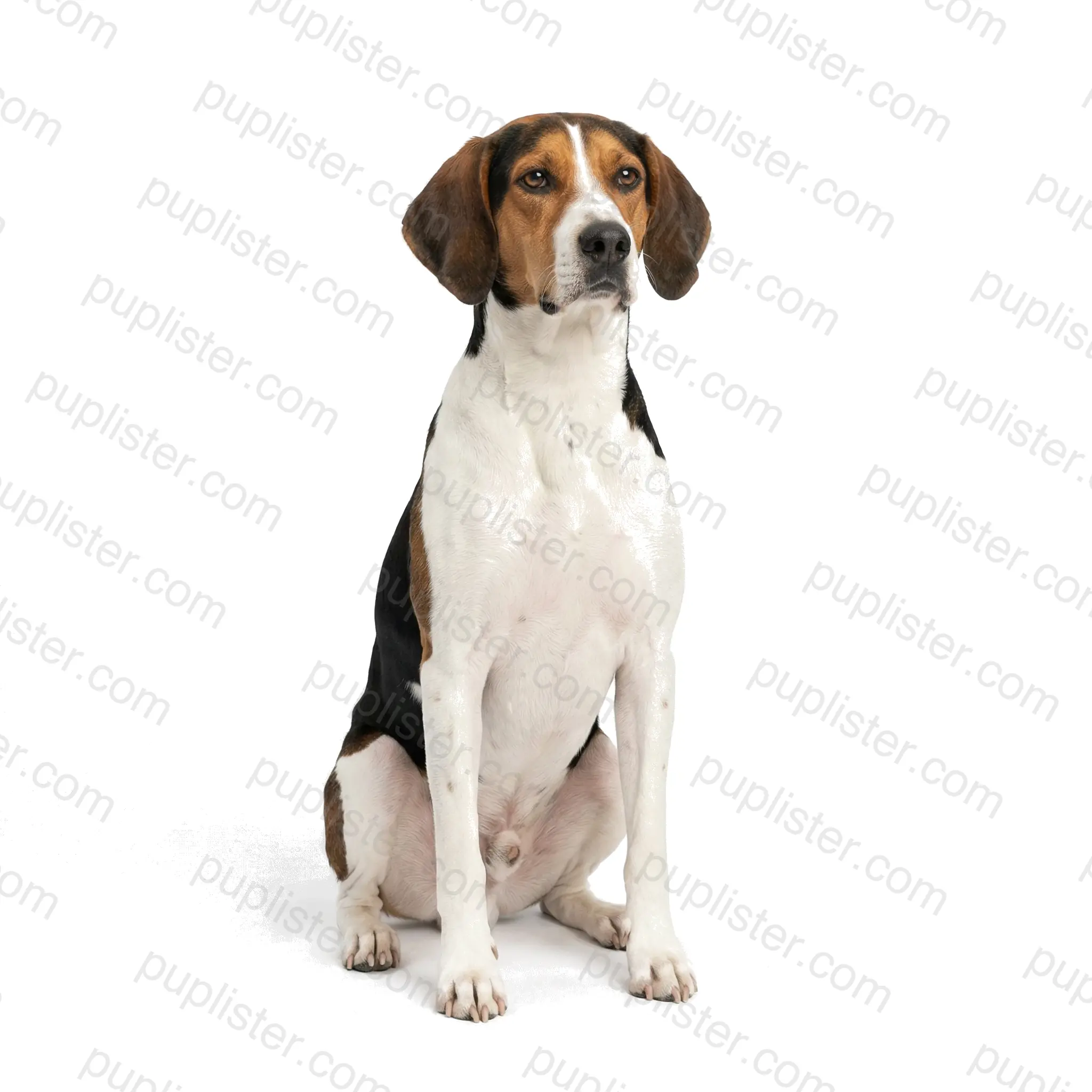
About the Beagle The Beagle is a small scent hound with roots tracing back to Roman times, though the modern breed was refined in England during the 1830s for rabbit hunting. Standing 13–15 inches tall and weighing 20–30 pounds, Beagles are compact, sturdy dogs built for endurance on the trail. Their short, dense, weather-resistant coat comes in a variety of hound colors — most commonly tri-color, red-and-white, and lemon — and sheds moderately throughout the year.Temperament & PersonalityBeagles are merry, curious, and sociable dogs — they were bred to work in packs, and that pack mentality translates to a strong desire for companionship. They are excellent with children and other dogs, making them one of the most family-friendly breeds available. However, their powerful nose can lead them astray, and once a Beagle has locked onto a scent, recalling them can be nearly impossible.ProsWonderful family dog — gentle, tolerant, and playful with children of all agesCompact size is well-suited for apartments and smaller homesGets along exceptionally well with other dogs due to pack-oriented natureHardy, healthy breed with a typical lifespan of 10–15 yearsConsVocal breed — their distinctive bay and howl can be excessive and loudStrong scent drive makes off-leash reliability extremely difficult to achieveProne to obesity and will eat anything they can accessCan develop separation anxiety and become destructive when left aloneBeagles bring joy to every household they join — search for adoptable Beagles on Puplister and find your new best friend.
2 pets available
1About the Affenpinscher The Affenpinscher — often called the "Monkey Dog" for its comical, primate-like facial expression — is a small but sturdy toy breed that originated in Germany during the 17th century. Originally bred to hunt rats in kitchens, granaries, and stables, these wiry little terriers stand just 9–11.5 inches tall and weigh 7–10 pounds. Their rough, shaggy coat — typically black, though also found in gray, silver, red, and belge — frames a flat face with prominent dark eyes, bushy eyebrows, and a pronounced underbite that gives them their signature mischievous look.Temperament & PersonalityAffenpinschers are fearless, curious, and endlessly entertaining — they pack the confidence of a dog ten times their size into a tiny, wiry-haired package. They are fiercely loyal to their owners and surprisingly territorial, often standing their ground against much larger dogs without hesitation. While affectionate with their family, they can be possessive of their toys and food, and their stubborn, independent streak means they prefer to make their own decisions rather than blindly follow commands.ProsCompact size and moderate exercise needs — ideal for apartment livingLow-shedding, wiry coat that is relatively easy to maintain with weekly brushingEntertaining and comical personality — they are natural performers who love an audienceExcellent watchdog despite small size — alert and vocal about anything unusualConsStubborn and difficult to housetrain — patience and consistency are essentialNot ideal for families with very young children — can be snappy if handled roughlyProne to brachycephalic breathing issues, patellar luxation, and heart murmursStrong prey drive toward small animals — will chase squirrels, hamsters, and birds relentlesslyLooking for a tiny dog with a big personality? Browse adoptable Affenpinschers on Puplister and find your perfect match.
16 pets available
1About the Miniature Schnauzer The Miniature Schnauzer was developed in Germany in the late 19th century by crossing Standard Schnauzers with smaller breeds like the Affenpinscher and Poodle. These sturdy little dogs stand 12 to 14 inches tall and weigh 11 to 20 pounds, carrying a distinctive wiry double coat in salt and pepper, black and silver, solid black, or white. Their trademark bushy eyebrows, full beard, and cropped or natural ears give them an unmistakably distinguished appearance. Temperament & Personality Miniature Schnauzers are spirited, friendly, and remarkably obedient — consistently ranking among the most popular terrier breeds in America. They bond closely with their families, are typically wonderful with children, and get along well with other household pets. Unlike many terrier breeds, they tend to be less aggressive toward other dogs, making them excellent all-around family companions. Pros Low-shedding wiry coat suitable for allergy-conscious householdsHighly trainable and eager to please with consistent methodsAdaptable to apartments, suburbs, or rural settings equally wellRobust health with a lifespan of 12 to 15 years Cons Tendency to bark frequently — can be vocal about everythingRequires regular professional grooming or hand-stripping every 6 to 8 weeksSusceptible to pancreatitis, urinary stones, and hyperlipidemiaStrong prey drive toward squirrels, rabbits, and other small animals outdoors Discover your ideal Miniature Schnauzer companion — check available listings right here on Puplister.
Adopted cat meowing all night? Discover why it happens, how to create a calm environment, and a realistic timeline to quiet nighttime meows.
Is your adopted cat not eating? Learn the causes, from stress to past trauma, and discover practical solutions to get your new feline friend eating again.
Is your new cat hiding and won't come out? It's normal, but proactive steps can help. Learn how to build trust with your shy adopted cat.
Discover how long it takes for a rescue cat to feel at home with our experienced guide, covering the 3-3-3 rule and actionable tips.