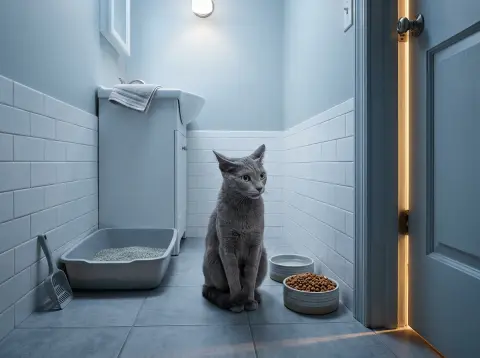
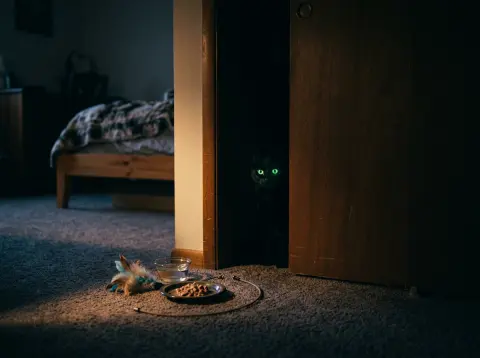
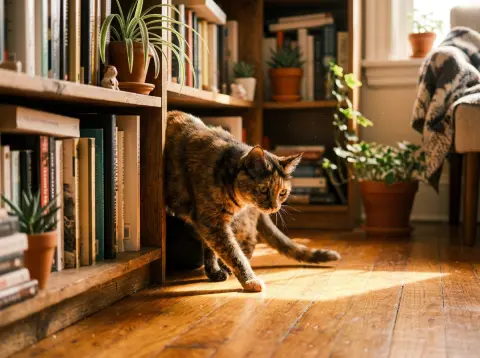
Adopted Cat Meowing All Night: How to Stop It
Adopted cat meowing all night? Discover why it happens, how to create a calm environment, and a realistic timeline to quiet nighttime meows.
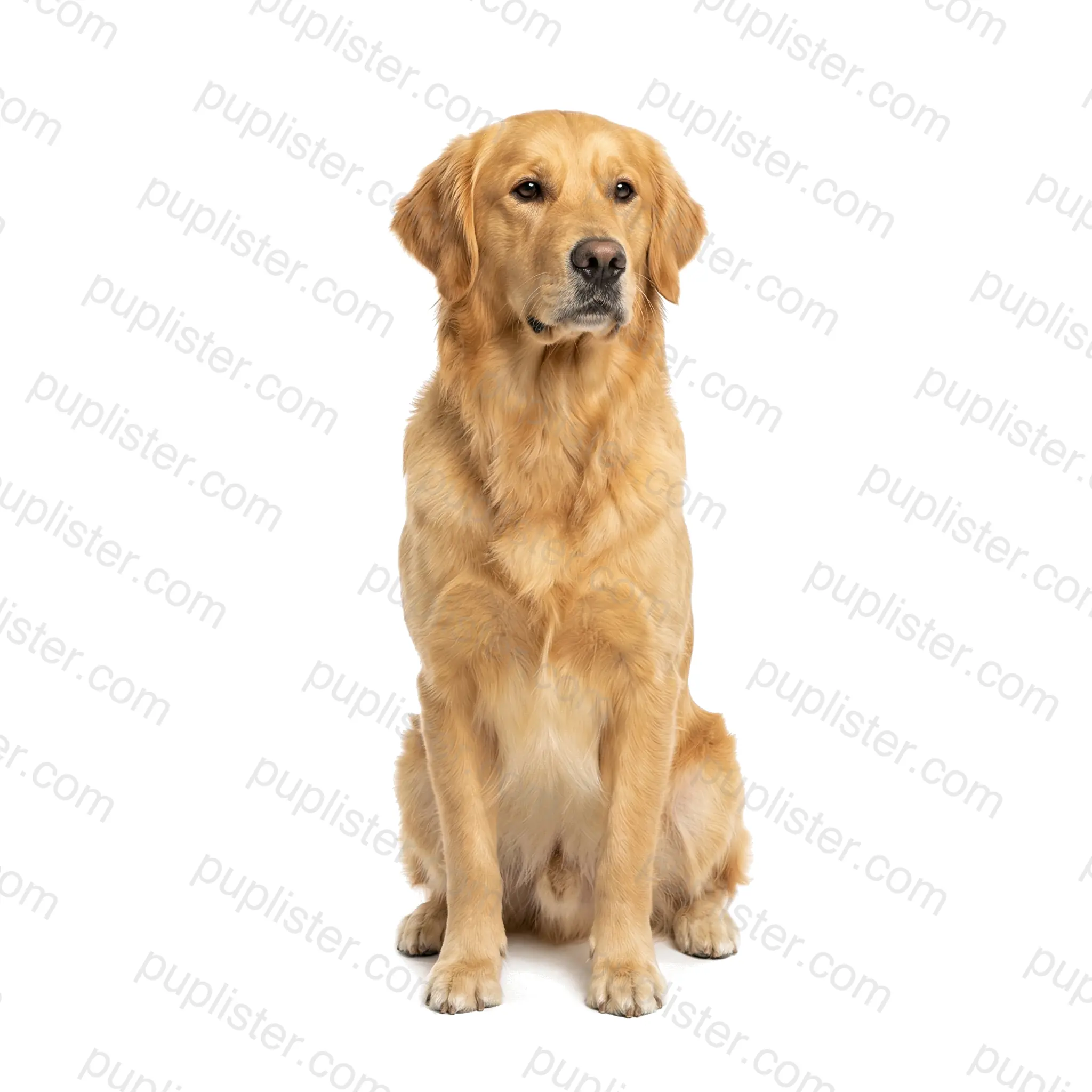
The Golden Retriever was developed in the Scottish Highlands by Lord Tweedmouth during the mid-19th century, who crossed a Yellow Retriever with the now-extinct Tweed Water Spaniel to create the ultimate waterfowl hunting companion. Standing 21.5–24 inches tall and weighing 55–75 pounds, these iconic dogs wear a lustrous, water-repellent double coat in shades ranging from light cream to deep gold. Their gentle expression, athletic build, and flowing feathered coat have made them one of the three most popular breeds in America for decades running.
Golden Retrievers are the gold standard of family dogs — trustworthy, patient, and endlessly forgiving with children of all ages. They possess an innate desire to please that makes them exceptionally trainable and a joy to live with, whether as a first-time owner's companion or a seasoned handler's working partner. Their friendly, tolerant attitude extends to strangers, other dogs, and household pets — they seem to genuinely believe every person and animal they meet is a friend.
There's a reason Goldens are America's favorite — find Golden Retrievers looking for homes on Puplister.
Answer 5 quick questions to see how well this breed matches your lifestyle.
21 pets available
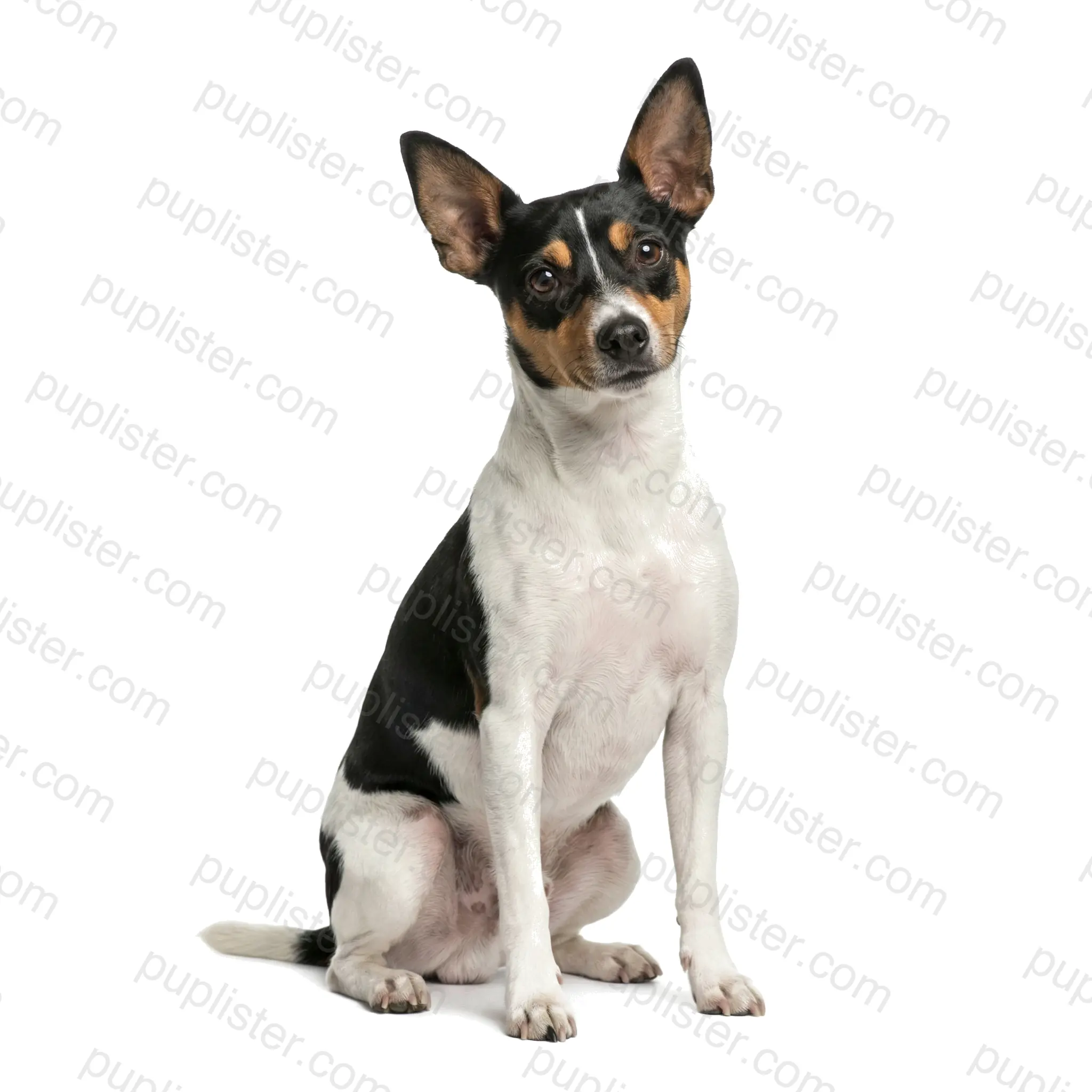
1About the Rat Terrier The Rat Terrier is an American original, developed in the early 20th century on farms across the United States by crossing Fox Terriers with Beagles, Whippets, Italian Greyhounds, and other breeds. They come in two sizes — Miniature (10 to 13 inches, 10 to 18 pounds) and Standard (13 to 18 inches, 12 to 25 pounds) — both with a compact, elegant build. Their short, smooth coat is always pied (white with patches of one or more other colors), and President Theodore Roosevelt is credited with naming the breed after his own terrier cleared the White House of rats. Temperament & Personality Rat Terriers are intelligent, curious, and remarkably versatile — combining terrier tenacity with a more biddable, people-oriented temperament than many of their terrier cousins. They bond deeply with their families and are generally good with children, often choosing one person as their particular favorite. Rat Terriers tend to be less dog-aggressive than other terriers, though they retain a strong prey drive toward rodents and small animals. Pros Excellent farm and homestead dog with natural pest control abilitiesMore trainable and less stubborn than most terrier breedsMinimal grooming needs — short coat requires only occasional brushingGenerally healthy breed with a long lifespan of 12 to 18 years Cons Can be diggers — will excavate impressive holes in gardens and yardsHigh energy level requires daily exercise and mental engagementProne to patellar luxation, hip dysplasia, and cardiac issuesMay be wary of strangers and needs early socialization to prevent timidity A Rat Terrier could be the spirited, loyal companion your household needs — find one on Puplister today.
1 pet available
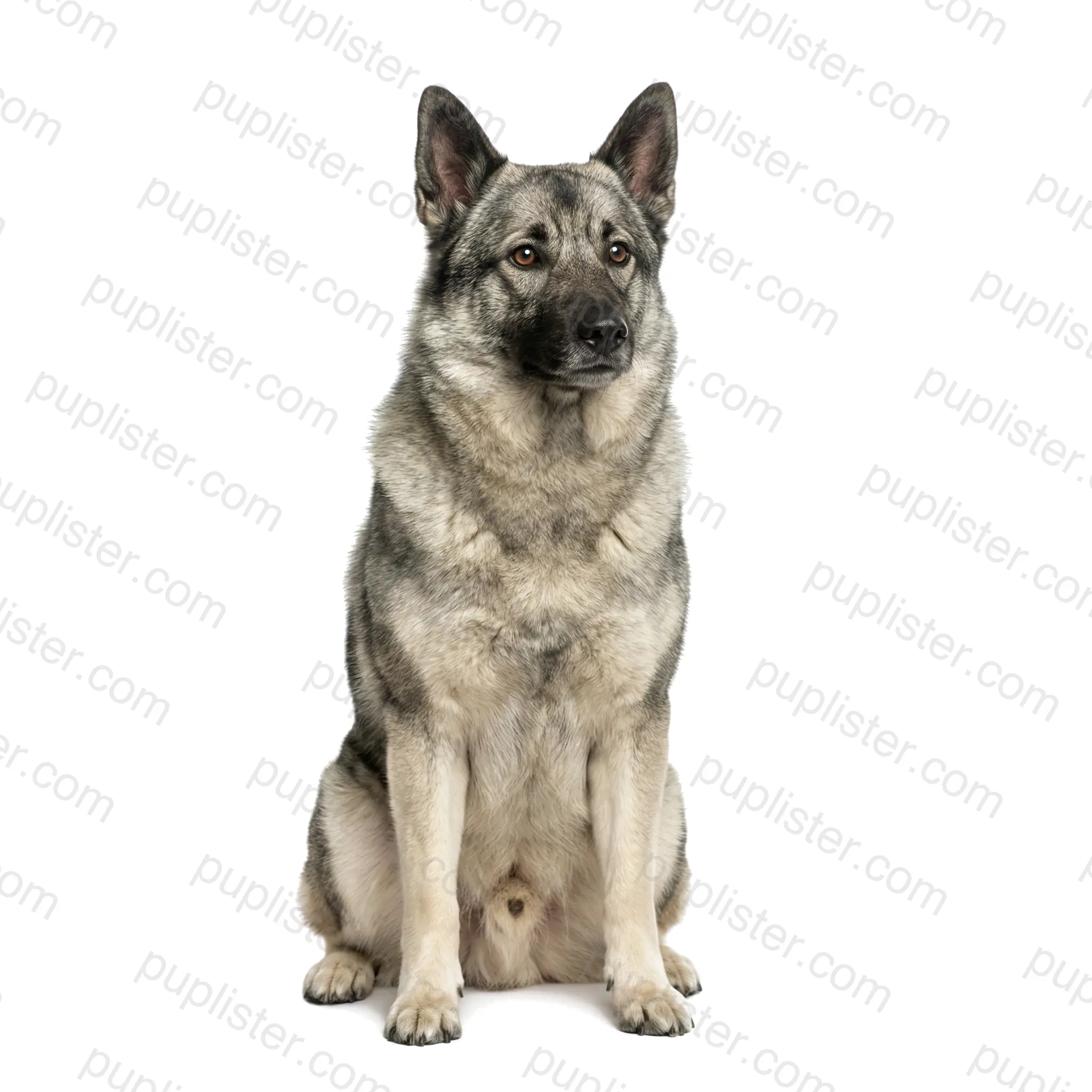
About the Norwegian Elkhound The Norwegian Elkhound is one of the oldest European breeds, with archaeological evidence dating its partnership with humans back over 6,000 years in Scandinavia. These medium-sized spitz-type dogs stand 19.5 to 20.5 inches tall and weigh 48 to 55 pounds, built for endurance in rugged terrain. Their dense, silver-gray double coat with black-tipped guard hairs and lighter undercoat provided vital insulation against harsh Nordic winters. Temperament & Personality Norwegian Elkhounds are bold, independent, and deeply loyal — bred to track moose and hold them at bay while alerting hunters with their distinctive bark. They are affectionate and playful with family members, including children, and possess a dignified confidence around strangers. Their independent nature means they think for themselves, which can be both endearing and challenging during training. Pros Hardy constitution with excellent stamina for hiking and outdoor adventuresLoyal and protective family companion with natural watchdog instinctsAdapts well to cold climates and enjoys winter activitiesRelatively healthy breed with a lifespan of 12 to 15 years Cons Heavy seasonal shedding — blows coat twice yearly in massive amountsIndependent and stubborn, requiring patient and consistent trainingHigh barking tendency — bred to bark while tracking gameProne to hip dysplasia, progressive retinal atrophy, and Fanconi syndrome If you love the outdoors and want a steadfast Nordic companion, explore Norwegian Elkhound listings on Puplister.
137 pets available
1About the Chihuahua The Chihuahua is the world's smallest dog breed, originating from the Mexican state of Chihuahua where ancestors of the breed were kept by the ancient Toltec civilization. Standing just 5–8 inches tall and weighing a mere 2–6 pounds, these tiny dogs come in smooth-coat and long-coat varieties with virtually every color and pattern combination imaginable. Despite their diminutive size, Chihuahuas carry themselves with a bold, terrier-like confidence that belies their fragile frame.Temperament & PersonalityChihuahuas are fiercely devoted to one person — often forming an almost obsessive bond with their chosen human. They are alert, spirited, and surprisingly courageous, frequently standing up to dogs many times their size without hesitation. While they can be wonderful companions for older children who handle them gently, their small size and tendency toward snappiness make them a poor match for households with toddlers.ProsPerfect apartment dogs — minimal space and exercise requirementsExceptionally long lifespan of 14–18 years, among the longest of any breedPortable size makes them easy travel companions for on-the-go ownersLow food costs and minimal grooming needs — especially the smooth-coat varietyConsProne to patellar luxation, heart murmurs, hydrocephalus, and dental overcrowdingFragile bones — easily injured by falls, rough play, or being stepped onNotoriously difficult to housebreak due to tiny bladders and stubborn temperamentTendency toward excessive barking and aggression toward strangers if not properly socializedDiscover your perfect pint-sized companion — explore Chihuahuas looking for forever homes right here on Puplister.
1 pet available
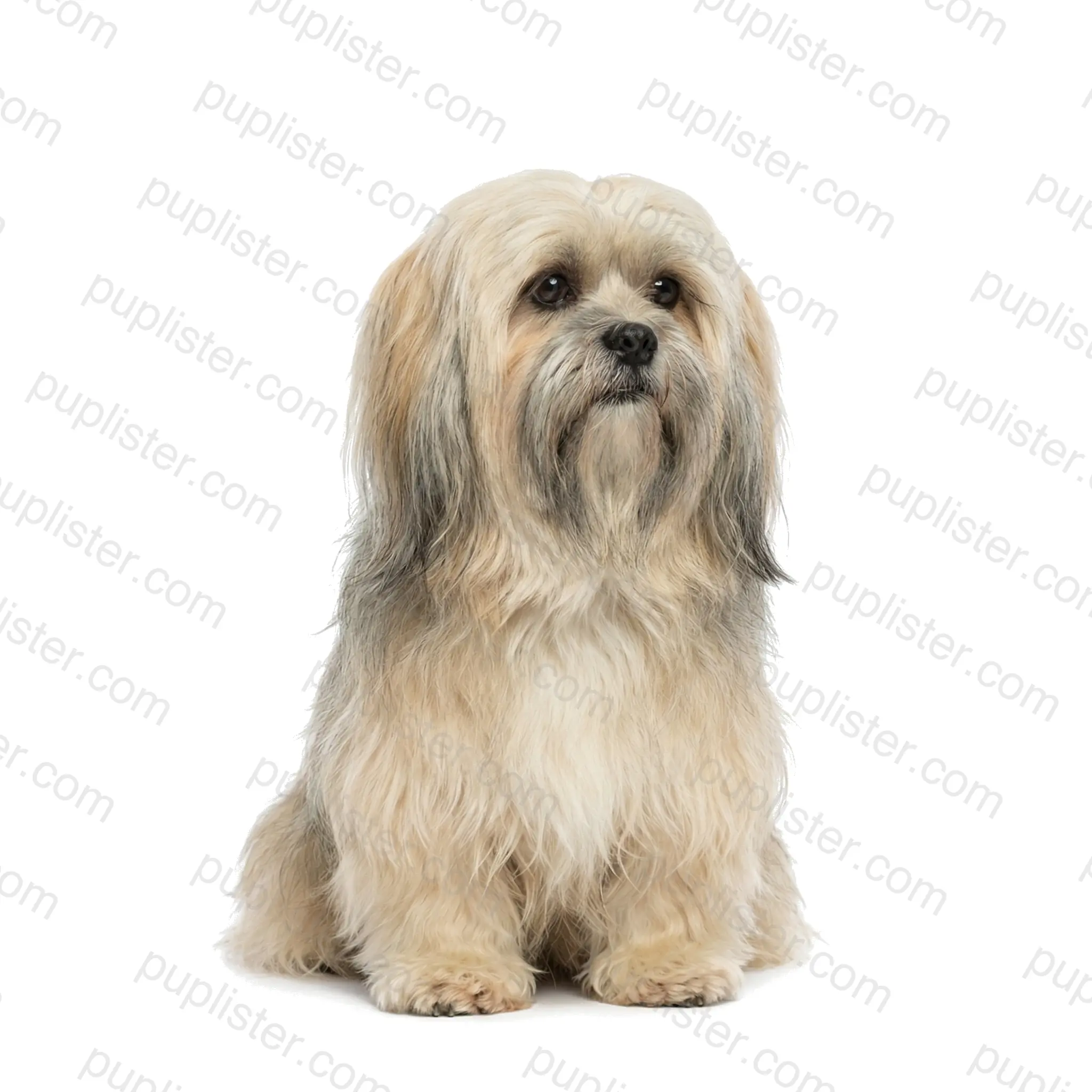
1About the Lhasa Apso The Lhasa Apso — named after the sacred city of Lhasa in Tibet — served as an interior sentinel in Buddhist monasteries and noble households for over a thousand years, alerting monks to intruders with their sharp, penetrating bark. Standing 10–11 inches tall and weighing 12–18 pounds, these sturdy little dogs have a dense, floor-length double coat that parts down the middle of the back and comes in a wide range of colors including gold, cream, honey, smoke, slate, white, black, and parti-color. Their heavy coat, developed to insulate against Tibet's harsh mountain climate, gives them a dramatically different appearance from most toy breeds.Temperament & PersonalityLhasa Apsos are independent, assertive, and surprisingly tough-minded — they are companion dogs with the heart of a watchdog and the confidence of a much larger breed. They are devoted and affectionate with their chosen family but maintain a regal aloofness with strangers that can take time to warm up from. Unlike many small breeds, Lhasas are not typically needy or clingy — they enjoy companionship on their own terms and are content to watch from across the room.ProsExcellent watchdogs — keen hearing and a sharp, authoritative bark that belies their small sizeIndependent nature means they handle alone time better than most companion breedsLong lifespan of 12–15 years — one of the healthiest and hardiest small breedsHypoallergenic coat sheds minimally — well-suited for allergy-conscious householdsConsLong coat demands daily brushing and regular professional grooming — or must be kept in a puppy clipCan be stubborn and difficult to train — their independent streak resists repetitive drillsTendency toward small dog syndrome — may become snappy or dominant without firm, consistent boundariesProne to kidney disease, cherry eye, and dry eye — regular veterinary monitoring is importantDiscover the ancient charm and loyal spirit of the Lhasa Apso — find one waiting for you on Puplister.
Adopted cat meowing all night? Discover why it happens, how to create a calm environment, and a realistic timeline to quiet nighttime meows.
Is your adopted cat not eating? Learn the causes, from stress to past trauma, and discover practical solutions to get your new feline friend eating again.
Is your new cat hiding and won't come out? It's normal, but proactive steps can help. Learn how to build trust with your shy adopted cat.
Discover how long it takes for a rescue cat to feel at home with our experienced guide, covering the 3-3-3 rule and actionable tips.