Great Pyrenees Great Pyrenees

Great Pyrenees

1
Calm Patient Gentle Protective

About the Great Pyrenees

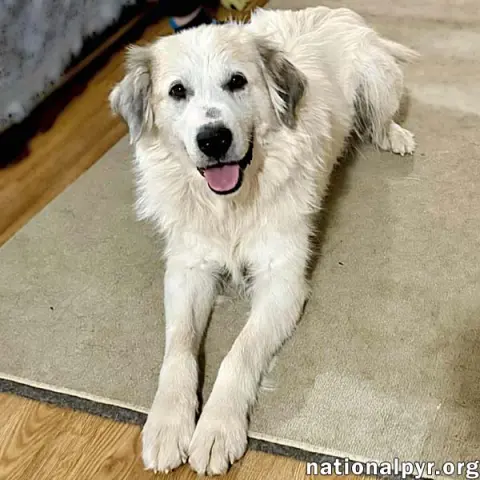
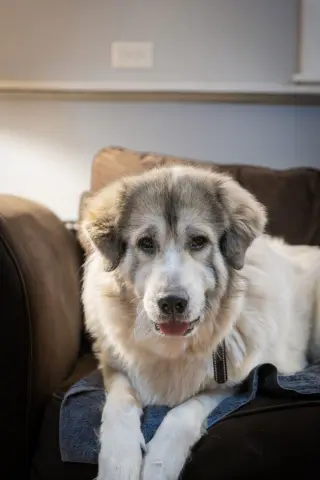
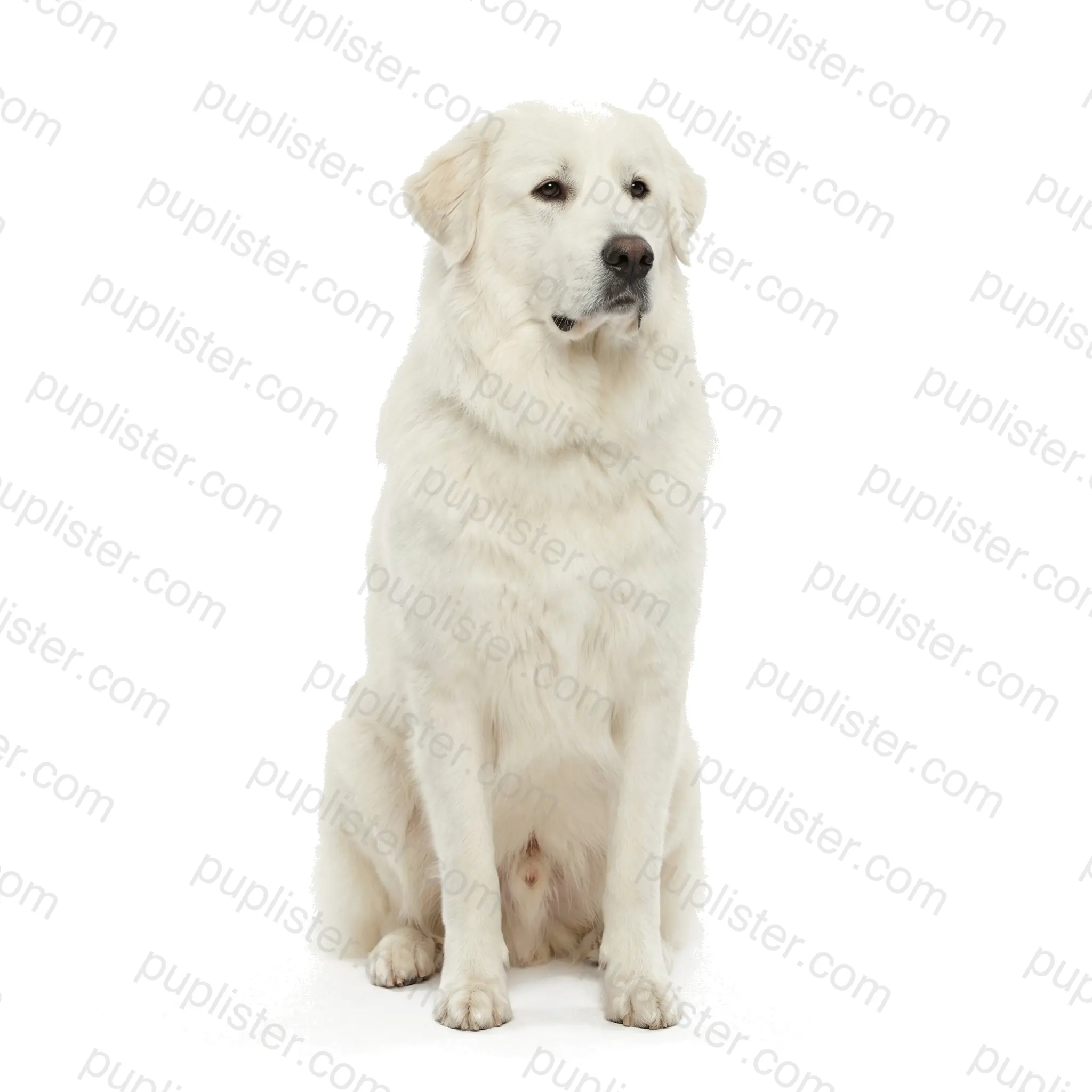
The Great Pyrenees — named for the Pyrenees Mountains between France and Spain where they guarded flocks for centuries — is a majestic, powerful livestock guardian with roots stretching back thousands of years to ancient Asia Minor. Standing 25–32 inches tall and weighing 85–115 pounds, these imposing dogs wear a thick, weather-resistant double coat that is predominantly white, sometimes with markings of badger, gray, reddish-brown, or tan. Their calm, regal bearing and abundant white coat give them an almost bear-like appearance that commands respect.

Temperament & Personality

Great Pyrenees are independent, patient, and serenely confident — bred for millennia to make their own decisions while guarding flocks without human direction. They are gentle and affectionate with their families, particularly protective of children, whom they tend to view as part of their "flock." However, their independent guardian nature means they are not eager-to-please dogs — they will consider your commands and decide whether compliance serves their protective mission.

Pros

  • Exceptional livestock and property guardian — naturally protective without aggression training
  • Gentle and patient with children — instinctively nurturing toward young family members
  • Calm, low-energy indoors — content to rest and observe during the day
  • Thick coat insulates against both extreme cold and moderate heat

Cons

  • Notorious wanderers — will roam far from home if not contained by secure fencing
  • Heavy nocturnal barking — bred to bark at predators through the night, which disturbs neighbors
  • Extremely independent and stubborn — among the most difficult breeds to obedience train
  • Massive shedding — the thick undercoat blows seasonally and produces enormous quantities of loose fur

If you have the space and patience for a noble guardian, find Great Pyrenees on Puplister today.
Great Pyrenees Quick Facts

Size
85–160 lbs, 25–32 in
Lifespan
10–12 years
Exercise
Moderate
Grooming
High
Good with Kids
Yes
Good with Pets
Yes

Is the Great Pyrenees right for you?

Answer 5 quick questions to see how well this breed matches your lifestyle.

Take the Quiz

Available Great Pyrenees

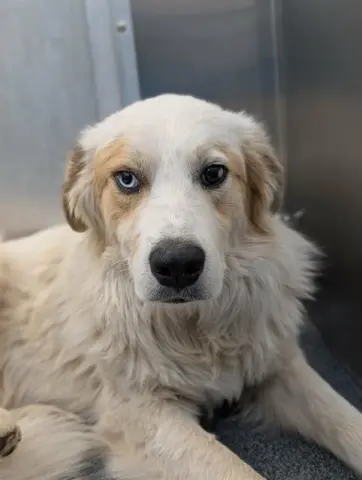
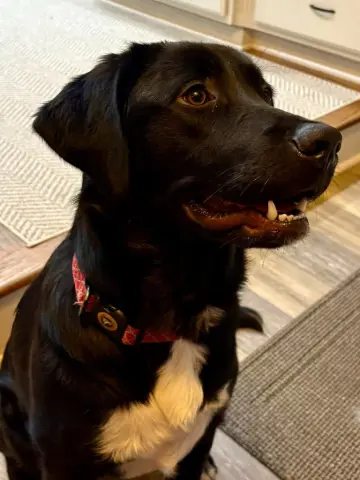
Willy Wonka
Adult

Great Pyrenees

Dallas Animal Services · Dallas, TX
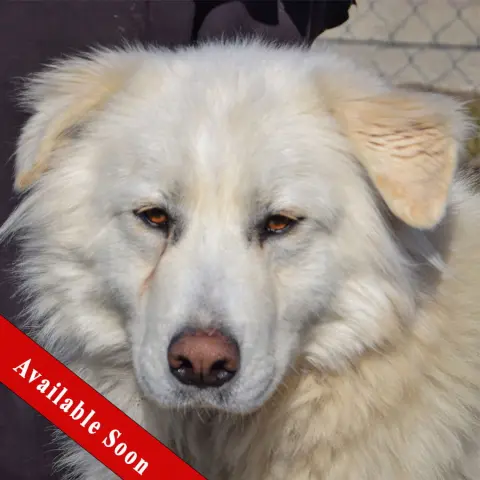
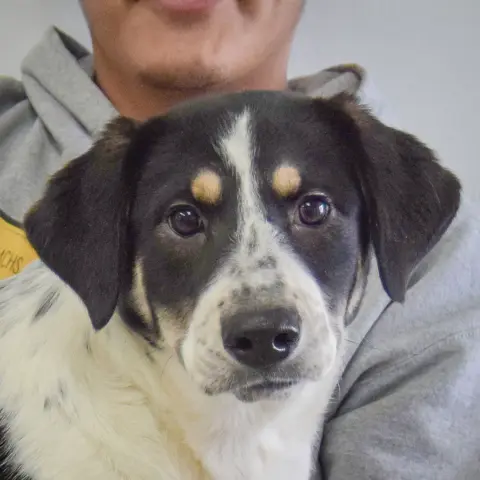
Nimbus
Young
Nimbus
L

Great Pyrenees

Animal House Shelter · Huntley, IL
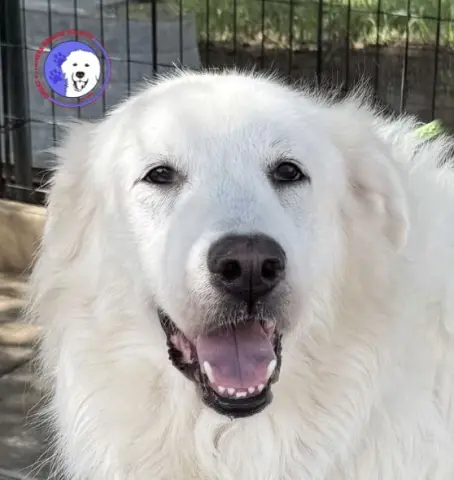
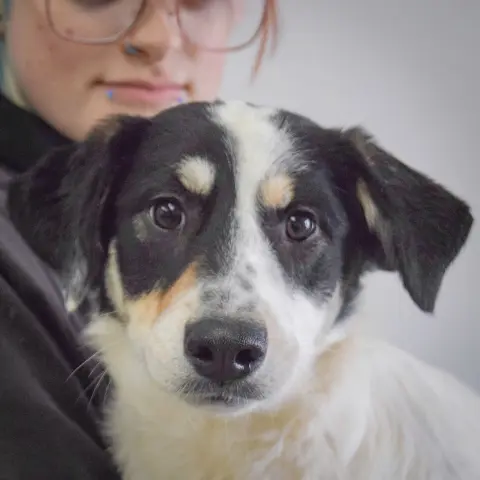
Sophie
Young
Sophie
L

Great Pyrenees

Great Pyrenees Rescue Society · Spring, TX
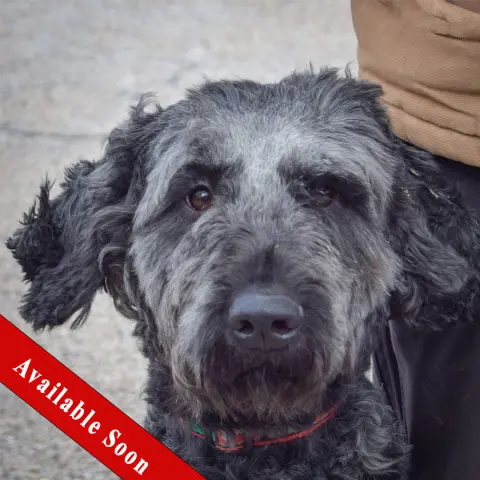
Marley
Young
Marley
L

Poodle / Great Pyrenees

Animal House Shelter · Huntley, IL
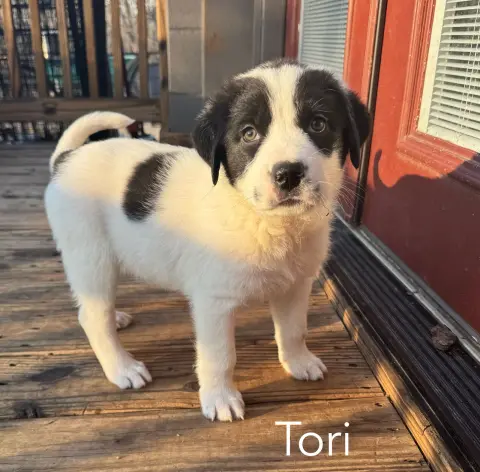
Tori
Baby
Tori
L

Great Pyrenees

Forever Home Rescue · Parker Ford, PA
Pretty Girl
Adult

Great Pyrenees

National Great Pyrenees Rescue · Beacon, NY
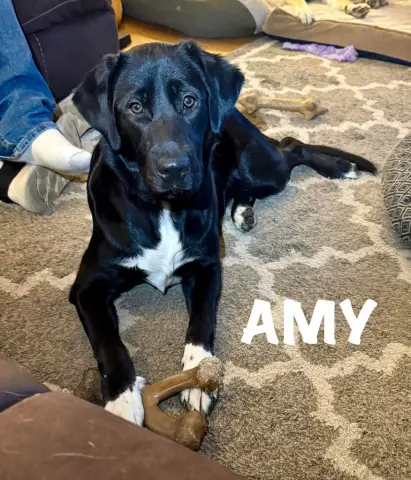
Amy
Young
Amy
L

Great Pyrenees / Labrador Retriever

Animal Education And Rescue · Libertyville, IL
Luna
Adult
Luna
XL

Great Pyrenees

Animal Education And Rescue · Libertyville, IL
Daisy
Young
Daisy
L

Labrador Retriever / Great Pyrenees

Animal Education And Rescue · Libertyville, IL
Briscoe
Baby

Great Pyrenees / Labrador Retriever

Animal House Shelter · Huntley, IL
Mitch
Baby
Mitch
M

Great Pyrenees

Great Pyrenees Rescue Society · Spring, TX
Beckett
Baby

Great Pyrenees / Labrador Retriever

Animal House Shelter · Huntley, IL

Related Breeds

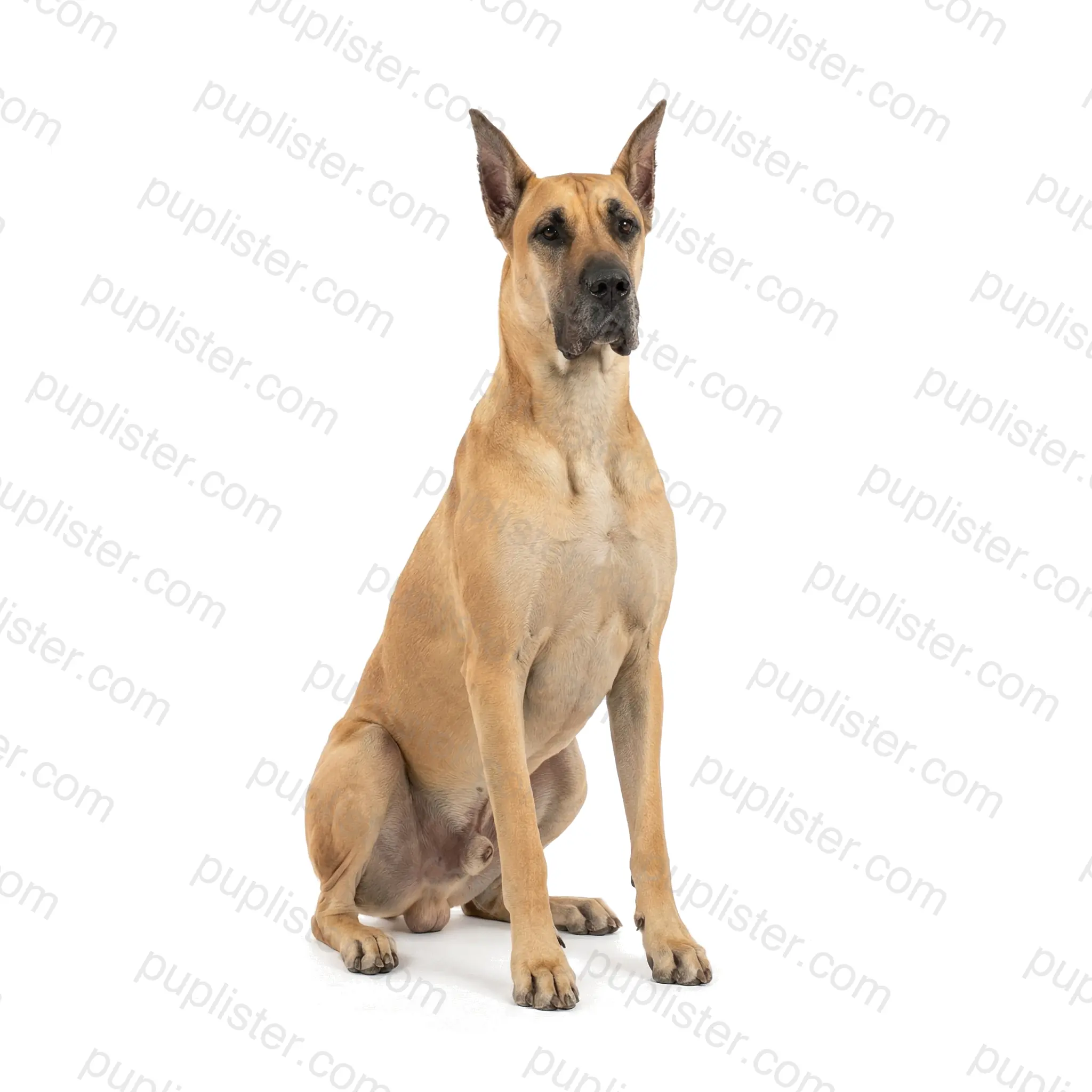
Great Dane

10 pets available

1

About the Great Dane The Great Dane — known as the "Apollo of Dogs" — traces its lineage to ancient Assyrian war dogs, though the modern breed was refined in Germany to hunt wild boar and later serve as estate guardians. Standing a towering 28–32 inches at the shoulder and weighing 110–175 pounds, Great Danes are among the tallest dog breeds in the world — the record holder stood 44 inches tall. Their short, sleek coat comes in six recognized colors: fawn, brindle, blue, black, harlequin (white with irregular black patches), and mantle.Temperament & PersonalityDespite their imposing size, Great Danes are famously gentle and affectionate — earning them the nickname "the world's biggest lap dog." They are patient with children and remarkably calm indoors, often preferring to lean against their owner's legs or drape across the couch rather than engage in rough play. Their friendly, confident demeanor means they greet most people warmly, though their sheer size alone is an effective deterrent to unwelcome visitors.ProsSurprisingly calm and gentle indoors — moderate exercise needs despite their enormous sizeNaturally imposing presence deters intruders without aggressive behaviorShort coat requires minimal grooming — just weekly brushing and occasional bathsPatient and tolerant with children — gentle giants who rarely show aggressionConsShort lifespan of 7–10 years — one of the shortest of any breed due to their giant sizeExtremely high risk of bloat (gastric dilatation-volvulus) — a life-threatening emergencyExpensive to maintain — food, veterinary care, medications, and supplies all cost more at giant-breed scaleProne to heart disease (dilated cardiomyopathy), hip dysplasia, and osteosarcomaReady to share your home with a gentle giant? Explore Great Danes available for adoption on Puplister.

Bernese Mountain Dog

1 pet available

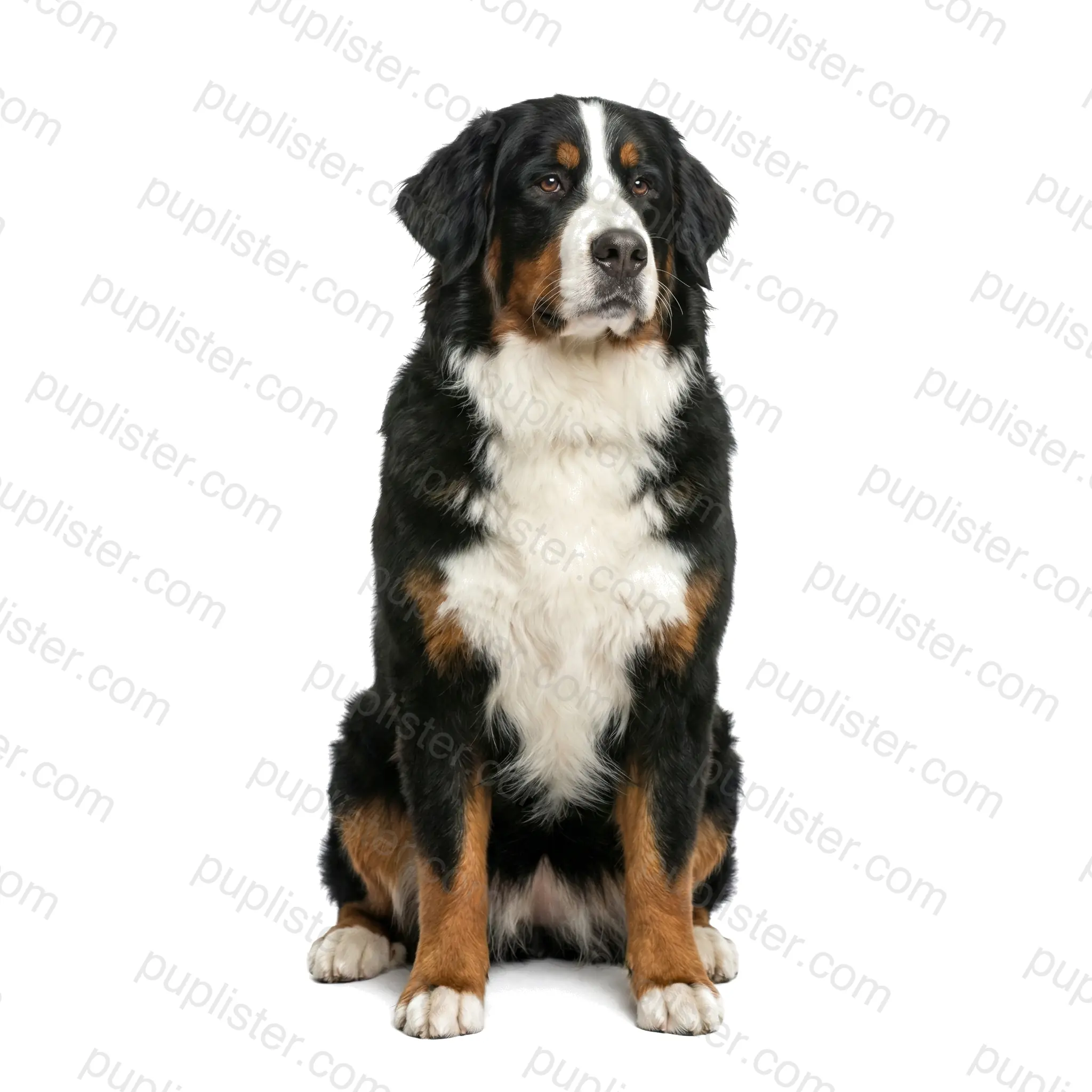
About the Bernese Mountain Dog The Bernese Mountain Dog — or Berner — originated in the Swiss Alps near the city of Bern, where it served as a versatile farm dog capable of drafting, herding, and guarding. These gentle giants stand 23–27.5 inches tall and weigh 70–115 pounds, with a sturdy, well-balanced frame built for mountain work. Their striking tri-color coat — jet black with rich rust and crisp white markings — is long, thick, and slightly wavy, designed to insulate against harsh alpine winters.Temperament & PersonalityBerners are calm, affectionate, and exceptionally good-natured — they are one of the most family-friendly large breeds, renowned for their patience and gentleness with children. They are eager to please and respond well to positive training methods, though they mature slowly and retain puppyish behavior longer than many breeds. They are friendly with other dogs and even cats, and their calm demeanor makes them excellent therapy dogs.ProsExceptionally gentle and patient with children — a true family dogEager to please and highly trainable with positive reinforcementCalm, steady temperament that adapts well to household routinesBeautiful, majestic appearance that commands admiration wherever they goConsTragically short lifespan — averaging only 6–8 years due to high cancer ratesHeavy shedding, especially during seasonal changes, requiring frequent groomingProne to hip and elbow dysplasia, histiocytic sarcoma, and bloatLarge size and drooling tendencies make them poorly suited for small living spacesBerners fill homes with warmth and love — discover adoptable Bernese Mountain Dogs on Puplister and welcome one into your family.

Boxer
Boxer Dog

51 pets available

2

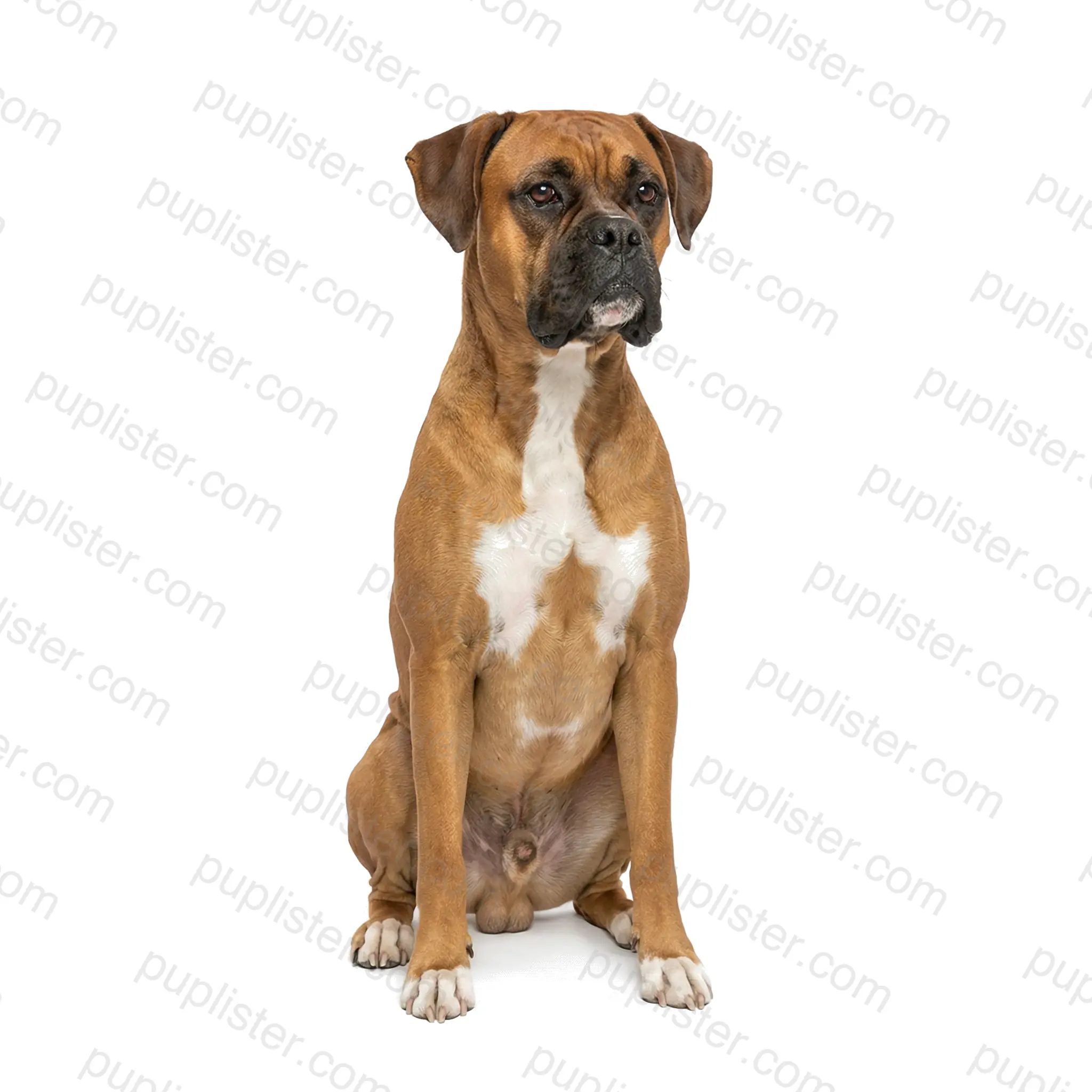
About the Boxer The Boxer was developed in Germany in the late 19th century from the now-extinct Bullenbeisser — a powerful hunting mastiff — crossed with English Bulldogs. Standing 21.5–25 inches tall and weighing 50–80 pounds, the Boxer is a medium-to-large, well-muscled dog with a distinctive square head, undershot jaw, and alert expression. Their short, tight-fitting coat comes in fawn and brindle — sometimes with white markings — and requires very little grooming beyond occasional brushing.Temperament & PersonalityBoxers are playful, energetic, and utterly devoted to their families — they are often called the "Peter Pan" of dog breeds because they maintain their puppyish exuberance well into adulthood. They are exceptional with children, combining patience and protectiveness with a love of play that makes them natural family dogs. Boxers are alert and courageous, making them effective watchdogs, but they are also clownish and affectionate — they're famous for their "kidney bean" wiggle of excitement.ProsOutstanding family dog — patient, protective, and endlessly playful with childrenNatural watchdog with a courageous yet non-aggressive temperamentShort coat requires minimal grooming effortEnergetic and athletic — great companion for running, hiking, and active playConsProne to cancer — one of the breeds most affected, particularly mast cell tumors and lymphomaBrachycephalic tendencies lead to heat intolerance and breathing difficulties during vigorous exerciseCan be excessively boisterous and may accidentally knock over small children or elderly family membersSusceptible to heart conditions including aortic stenosis and dilated cardiomyopathyBoxers bring boundless energy and unconditional love to every family — browse adoptable Boxers on Puplister and find your playful companion.

Border Collie

33 pets available

1

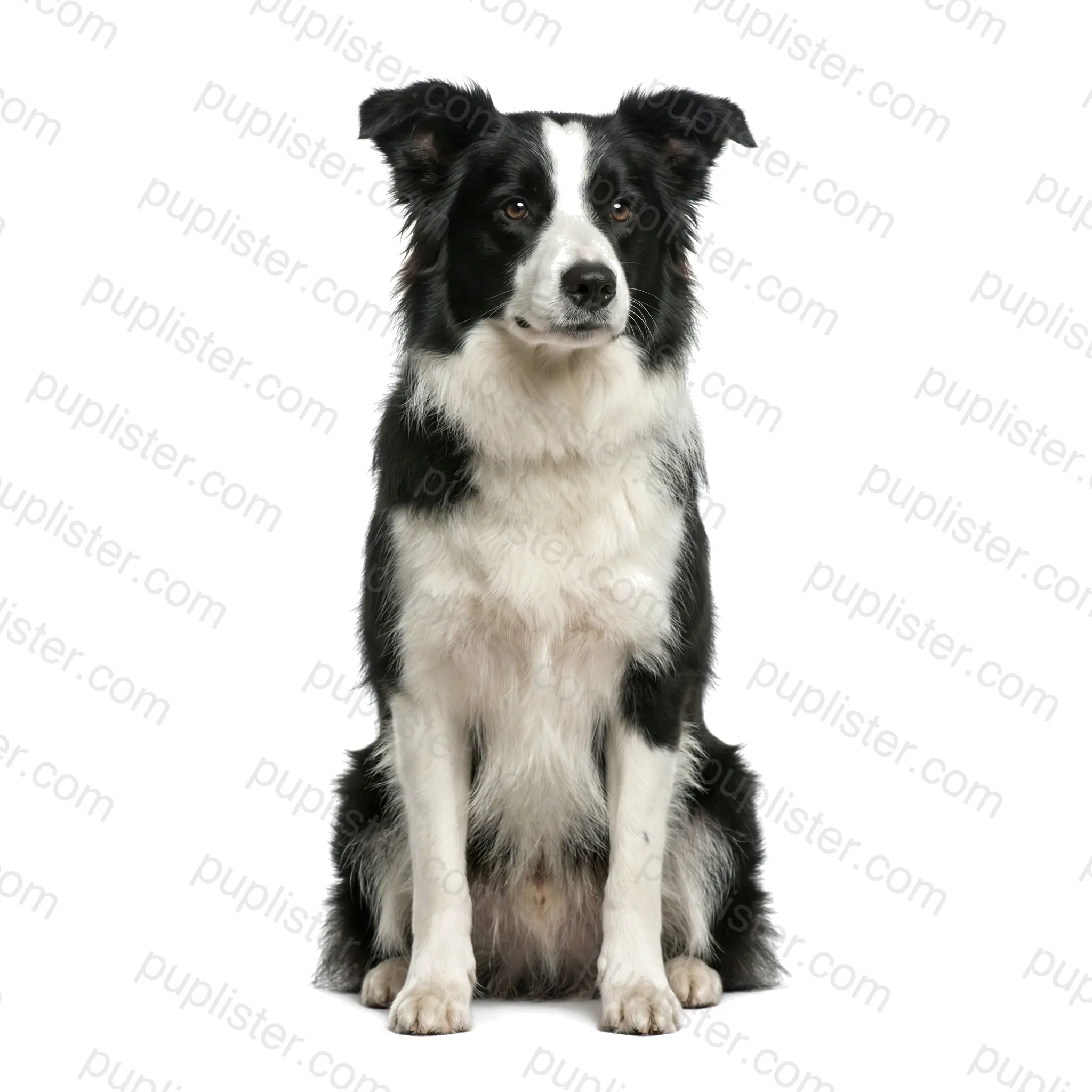
About the Border Collie The Border Collie originated in the border region between Scotland and England, where it was refined over centuries into what many consider the most intelligent and capable herding dog in the world. Standing 18–22 inches tall and weighing 30–55 pounds, the Border Collie is a medium-sized, athletic dog with an intense, focused expression and a characteristic crouching herding stance. Their coat comes in two varieties — rough (medium-length) and smooth (short) — and appears in a wide range of colors and patterns, with black-and-white being the most iconic.Temperament & PersonalityBorder Collies are extraordinarily intelligent, driven, and sensitive — they are widely regarded as the smartest dog breed, capable of learning hundreds of words and complex sequences of commands. They are deeply devoted to their families and can be wonderful with children, though they may try to herd them. Their intense need for mental and physical stimulation means they are best suited for owners who can provide daily training, work, or competitive sport — a bored Border Collie is a destructive Border Collie.ProsConsidered the most intelligent dog breed — unmatched learning ability and problem-solving skillsExcels in virtually every canine sport — agility, flyball, disc dog, herding trials, and obedienceDeeply loyal and attuned to their owner's emotions and body languageGenerally healthy breed with a lifespan of 12–15 yearsConsRequires an extraordinary amount of daily mental and physical exercise — easily 2+ hoursCan develop neurotic behaviors — obsessive staring, shadow chasing, spinning — without adequate stimulationHerding instinct may cause them to nip at children, joggers, and cyclistsProne to epilepsy, Collie eye anomaly, and hip dysplasiaIf you're ready for the most rewarding canine partnership of your life, find adoptable Border Collies on Puplister.

Related Articles

Frequently Asked Questions

What are the key traits of a Great Pyrenees?
The Great Pyrenees is known for being calm, patient, gentle and protective.
How many Great Pyrenees are available for adoption?
There are currently 22 Great Pyrenees available for adoption on Puplister. Browse the listings above to find your perfect match.
How do I adopt a Great Pyrenees from Puplister?
To adopt a Great Pyrenees, browse the available listings on this page, click on a pet you're interested in, and contact the shelter directly through their profile page.