Havanese Havanese

Havanese

Outgoing Funny Intelligent Affectionate

About the Havanese

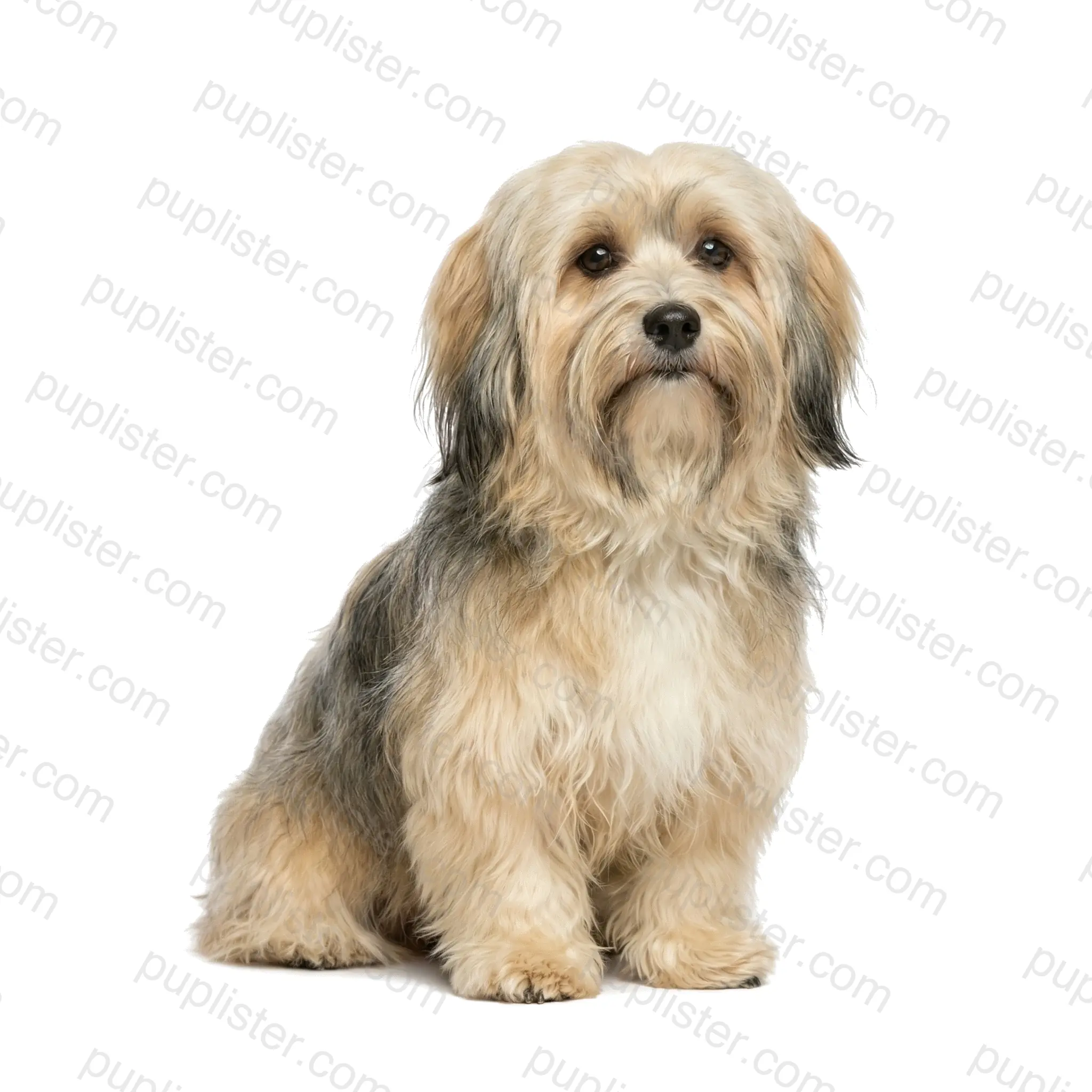
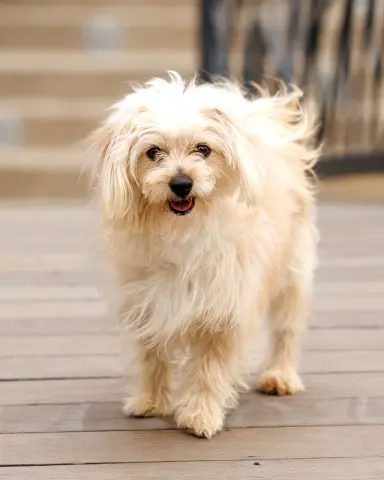
The Havanese — Cuba's only native breed — descended from the now-extinct Blanquito de la Habana and was the cherished lapdog of Havana's aristocracy for centuries before Cuban refugees brought them to America in the 1960s. Standing 8.5–11.5 inches tall and weighing 7–13 pounds, these small but sturdy dogs have a long, silky, lightweight coat that comes in every color imaginable — including white, cream, gold, black, silver, chocolate, and various parti-color combinations. Their coat is designed to insulate against tropical heat rather than cold, giving it a uniquely airy, flowing quality.

Temperament & Personality

Havanese are cheerful, outgoing, and deeply people-oriented — natural entertainers who thrive on being the center of attention. They are remarkably adaptable and sociable, getting along effortlessly with children, other dogs, cats, and even strangers who receive a warm, tail-wagging welcome. Their playful, clownish nature and expressive faces make them exceptional companion dogs — they're sometimes called "velcro dogs" for their habit of following their owners everywhere.

Pros

  • Low-shedding coat is well-suited for allergy-sensitive households
  • Excellent with children and other pets — gentle, patient, and playful
  • Highly trainable and eager to please — respond well to positive reinforcement
  • Adaptable to any living situation — equally happy in apartments or homes with yards

Cons

  • Long coat requires daily brushing and regular professional grooming to prevent matting
  • Prone to severe separation anxiety — can become destructive or develop excessive barking when left alone
  • Susceptible to patellar luxation, cataracts, and Legg-Calve-Perthes disease
  • Can be difficult to housebreak — small bladder and sensitive temperament complicate training

Bring the sunshine of Havana into your home — find Havanese dogs waiting for families on Puplister.
Havanese Quick Facts

Size
7–13 lbs, 9–12 in
Lifespan
14–16 years
Exercise
Moderate
Grooming
High
Good with Kids
Yes
Good with Pets
Yes

Is the Havanese right for you?

Answer 5 quick questions to see how well this breed matches your lifestyle.

Take the Quiz

Available Havaneses

Heathcliff
Adult

Maltese / Havanese

Legacy Humane Society · McKinney, TX
Scotty
Young
Scotty
S

Poodle / Havanese

Arizona Humane Society · Phoenix, AZ
Maddie
Adult
Maddie
S

Havanese / Mixed

Pound Animals Worth Saving · Mesa, AZ
Pringle
Baby

Havanese / Maltese

Denver Animal Shelter · Denver, CO

Related Breeds

Labrador Retriever

295 pets available

4

About the Labrador Retriever The Labrador Retriever has been America's most popular dog breed for over three decades — and for good reason. Originally bred in Newfoundland, Canada, during the early 19th century to help fishermen haul nets and retrieve catch from the icy North Atlantic, the breed was refined in England into the versatile sporting dog we know today. Labs stand 21.5–24.5 inches tall and weigh 55–80 pounds, with a short, dense, water-resistant double coat in three recognized colors: black, yellow (ranging from fox-red to pale cream), and chocolate.Temperament & PersonalityLabrador Retrievers are friendly, outgoing, and high-spirited — they greet nearly every person, dog, and situation with unbridled enthusiasm and a wagging tail. They are exceptionally patient and gentle with children, making them one of the most trusted family dogs in the world. Labs are also remarkably intelligent and eager to please, which is why they dominate as guide dogs, search-and-rescue dogs, therapy dogs, and detection dogs across dozens of working disciplines.ProsOutstanding family dog — patient, gentle, and naturally good with children of all agesHighly trainable and eager to please — consistently ranks among the most obedient breedsVersatile and adaptable — equally at home on the couch, in the field, or in the waterFriendly and social temperament — gets along well with other dogs, cats, and strangersConsHeavy shedding year-round with major seasonal blowouts — not suited for allergy sufferersProne to obesity — Labs are notoriously food-motivated and will eat anything not locked awayHigh energy in the first 2–3 years — requires substantial daily exercise to prevent destructive behaviorSusceptible to hip and elbow dysplasia, exercise-induced collapse, and progressive retinal atrophyThere's a reason the Lab is the world's favorite dog — discover adoptable Labrador Retrievers on Puplister today.

Australian Shepherd

36 pets available

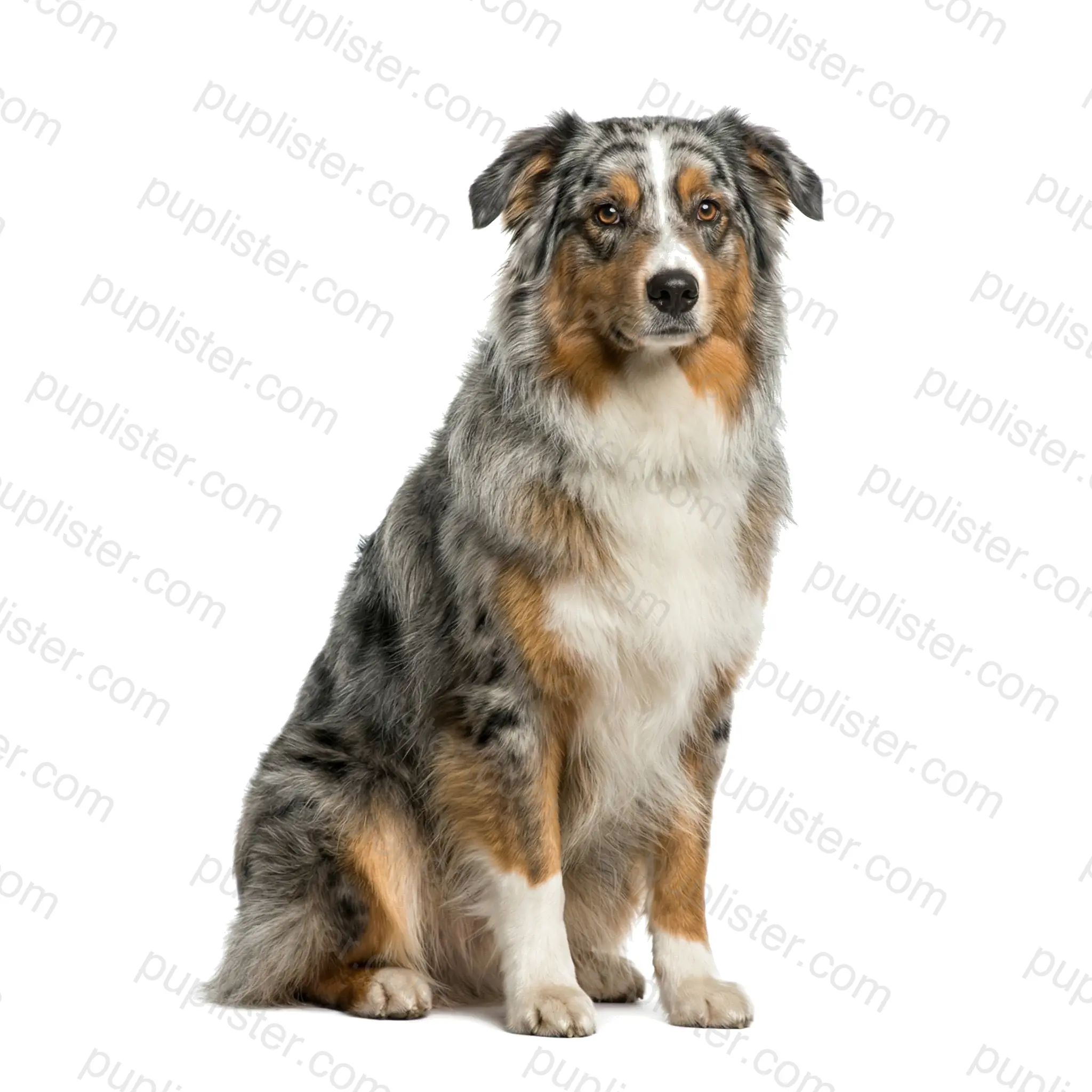
About the Australian Shepherd Despite its name, the Australian Shepherd was actually developed in the western United States during the 19th century, likely from Basque shepherd dogs that passed through Australia on their way to America. These versatile herding dogs stand 18–23 inches tall and weigh 40–65 pounds, with a medium-length double coat that comes in four recognized colors — black, blue merle, red, and red merle — often with striking copper and white markings. Their coats are weather-resistant and require regular brushing to manage moderate-to-heavy shedding.Temperament & PersonalityAustralian Shepherds are brilliant, energetic, and deeply devoted to their families — they thrive when given a purpose and can become anxious or destructive without one. They are excellent with children, often naturally herding and watching over younger family members. Aussies are typically friendly with other dogs but can be reserved with strangers, and their intelligence makes them exceptionally responsive to training.ProsOne of the most intelligent and trainable breeds — excels in agility, flyball, and herdingLoyal and affectionate family companion who bonds closely with all household membersVersatile working dog adaptable to ranch life, sport, or active suburban livingBeautiful, eye-catching coat with striking color variations including heterochromiaConsDemands extensive daily exercise and mental engagement — easily 1–2 hours minimumHeavy shedding, especially during seasonal coat changesMay herd children, cats, and other pets by nipping at heelsProne to epilepsy, hip dysplasia, and the MDR1 gene mutation affecting drug sensitivityAussies are incredible partners for active families — discover adoptable Australian Shepherds waiting for you on Puplister.

Staffordshire Bull Terrier

24 pets available

2

About the Staffordshire Bull Terrier The Staffordshire Bull Terrier was developed in 19th-century England's Staffordshire region from crosses between Bulldogs and various terriers, originally bred for bull-baiting and later as a compact, agile fighting dog — a history that belies its true nature as a devoted family companion. These muscular, athletic dogs stand 14 to 16 inches tall and weigh 24 to 38 pounds, packed with surprising strength and agility in a compact frame. Their smooth, short coat comes in red, fawn, white, black, blue, or brindle — with or without white markings. Temperament & Personality Staffordshire Bull Terriers are affectionate, courageous, and remarkably gentle with people — earning the nickname "nanny dog" in England for their extraordinary patience and devotion to children. They adore human companionship, are playful well into adulthood, and form intensely loyal bonds with their families. While they can be assertive with other dogs, proper socialization from puppyhood typically produces a confident, well-adjusted adult that gets along with everyone. Pros Exceptionally affectionate and gentle with children and family membersCompact, muscular build well-suited for smaller homes and apartmentsLow-maintenance coat requiring only occasional brushingBrave and loyal — a devoted companion that thrives on human interaction Cons Can be dog-aggressive without careful socialization and managementBreed-specific legislation and housing restrictions in many jurisdictionsProne to hip and elbow dysplasia, L-2 hydroxyglutaric aciduria, and cataractsStrong and powerful — requires owners who can provide firm, consistent leadership Staffies are among the most devoted family dogs in existence — find a Staffordshire Bull Terrier on Puplister and see for yourself.

German Shorthaired Pointer

2 pets available

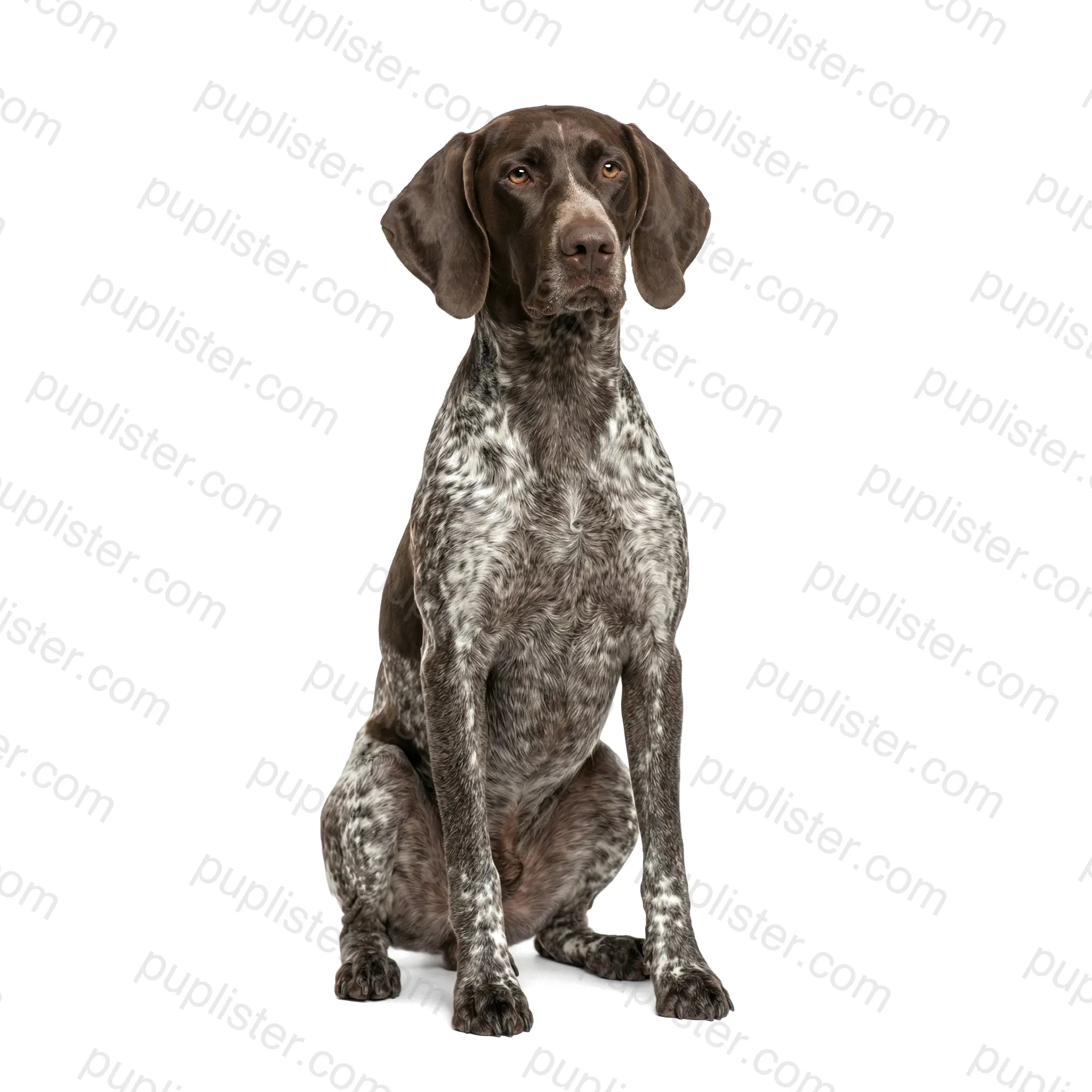
About the German Shorthaired Pointer The German Shorthaired Pointer — or GSP — was developed in 19th-century Germany as the ultimate versatile hunting dog, capable of pointing, retrieving, and tracking game on land and in water. Standing 21–25 inches tall and weighing 45–70 pounds, this athletic breed has a short, dense, water-repellent coat in distinctive liver and white patterns — solid liver, liver and white ticked, liver and white patched, or liver roan. Their streamlined, muscular build and noble head profile reflect generations of careful breeding for both form and function.Temperament & PersonalityGerman Shorthaired Pointers are enthusiastic, affectionate, and virtually tireless — they approach every activity with full commitment and boundless energy. They are wonderful family dogs that thrive on inclusion in all household activities and are genuinely good-natured with children and other dogs. However, their intensity and need for purpose mean they are not suited to sedentary households — a bored GSP can become remarkably destructive.ProsOne of the most versatile sporting dogs — hunts, swims, runs, and retrieves with equal proficiencyEasy-care coat that sheds moderately and requires only weekly brushingFriendly and affectionate with family — forms strong bonds with every household memberExcellent health and longevity for a large breed — typically 12–14 yearsConsExtremely high energy — needs 1–2 hours of vigorous exercise daily at minimumStrong prey drive makes them unreliable off-leash and dangerous around cats and small petsCan be jumpy and mouthy during adolescence — takes 2–3 years to fully matureProne to separation anxiety and will howl, dig, and chew if left alone too longActive families and outdoor enthusiasts — your ideal companion awaits among GSPs on Puplister.

Related Articles

Frequently Asked Questions

What are the key traits of a Havanese?
The Havanese is known for being outgoing, funny, intelligent and affectionate.
How many Havaneses are available for adoption?
There are currently 4 Havaneses available for adoption on Puplister. Browse the listings above to find your perfect match.
How do I adopt a Havanese from Puplister?
To adopt a Havanese, browse the available listings on this page, click on a pet you're interested in, and contact the shelter directly through their profile page.