How Much Does Dog Adoption Really Cost? Full Guide
Understand the full dog adoption costs beyond the initial fee, including ongoing care, unexpected expenses, and a 5-year financial forecast.
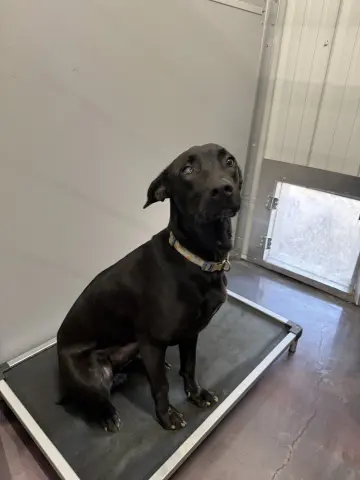
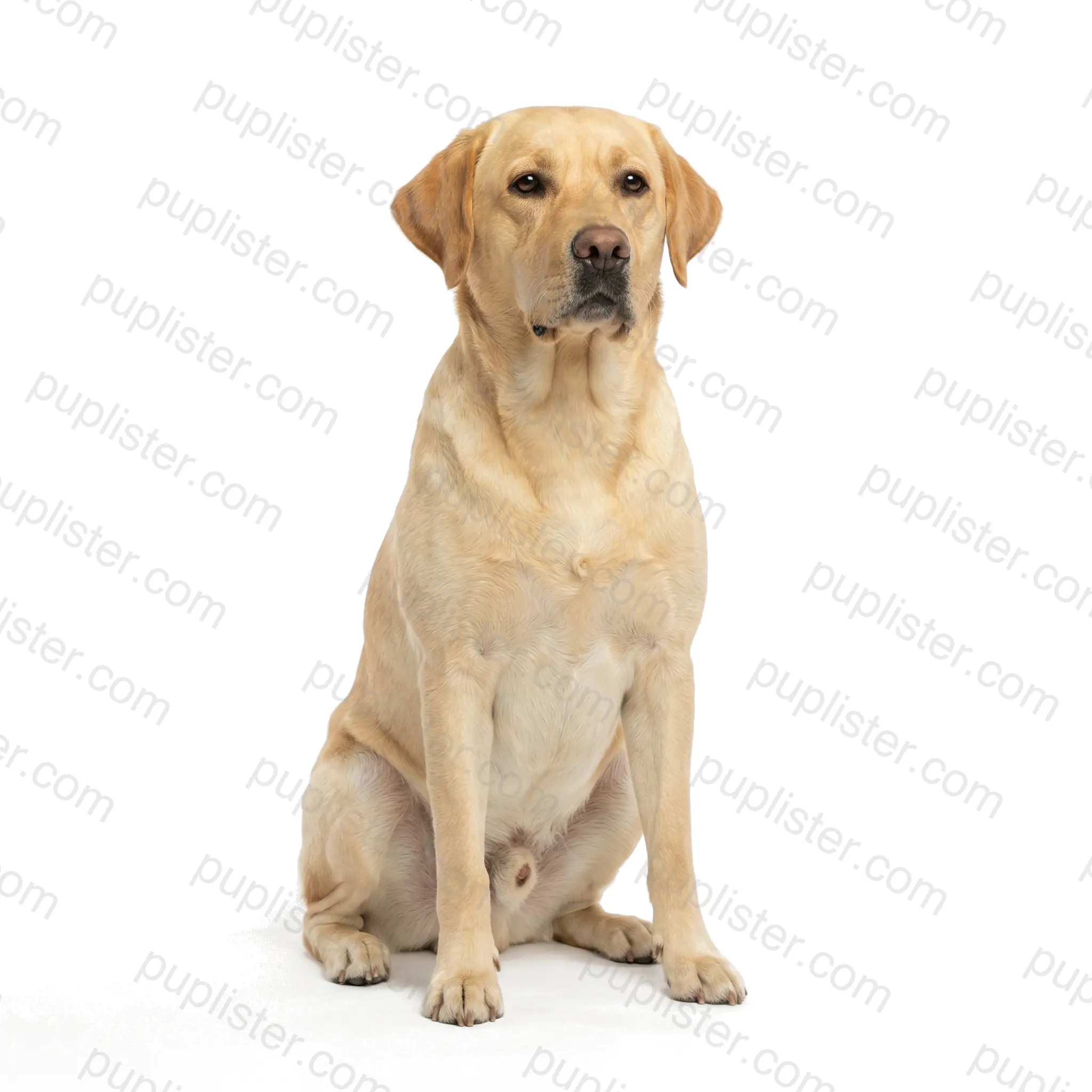
The Labrador Retriever has been America's most popular dog breed for over three decades — and for good reason. Originally bred in Newfoundland, Canada, during the early 19th century to help fishermen haul nets and retrieve catch from the icy North Atlantic, the breed was refined in England into the versatile sporting dog we know today. Labs stand 21.5–24.5 inches tall and weigh 55–80 pounds, with a short, dense, water-resistant double coat in three recognized colors: black, yellow (ranging from fox-red to pale cream), and chocolate.
Labrador Retrievers are friendly, outgoing, and high-spirited — they greet nearly every person, dog, and situation with unbridled enthusiasm and a wagging tail. They are exceptionally patient and gentle with children, making them one of the most trusted family dogs in the world. Labs are also remarkably intelligent and eager to please, which is why they dominate as guide dogs, search-and-rescue dogs, therapy dogs, and detection dogs across dozens of working disciplines.
There's a reason the Lab is the world's favorite dog — discover adoptable Labrador Retrievers on Puplister today.
Answer 5 quick questions to see how well this breed matches your lifestyle.
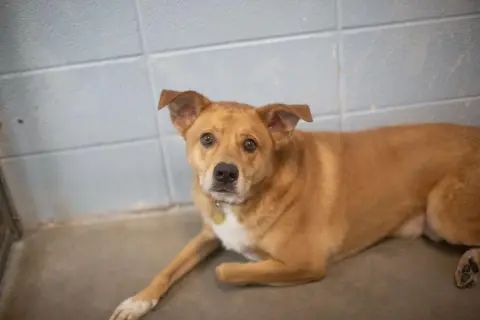
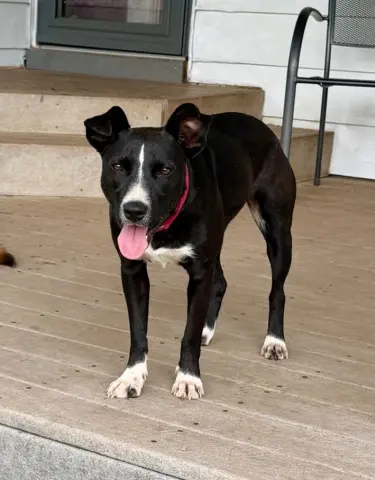
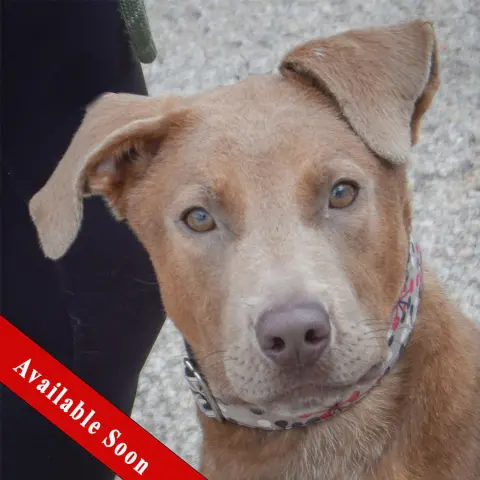
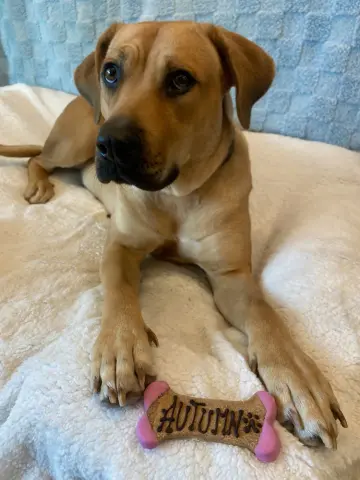
Labrador Retriever / American Pit Bull Terrier
Labrador Retriever / Australian Cattle Dog
8 pets available
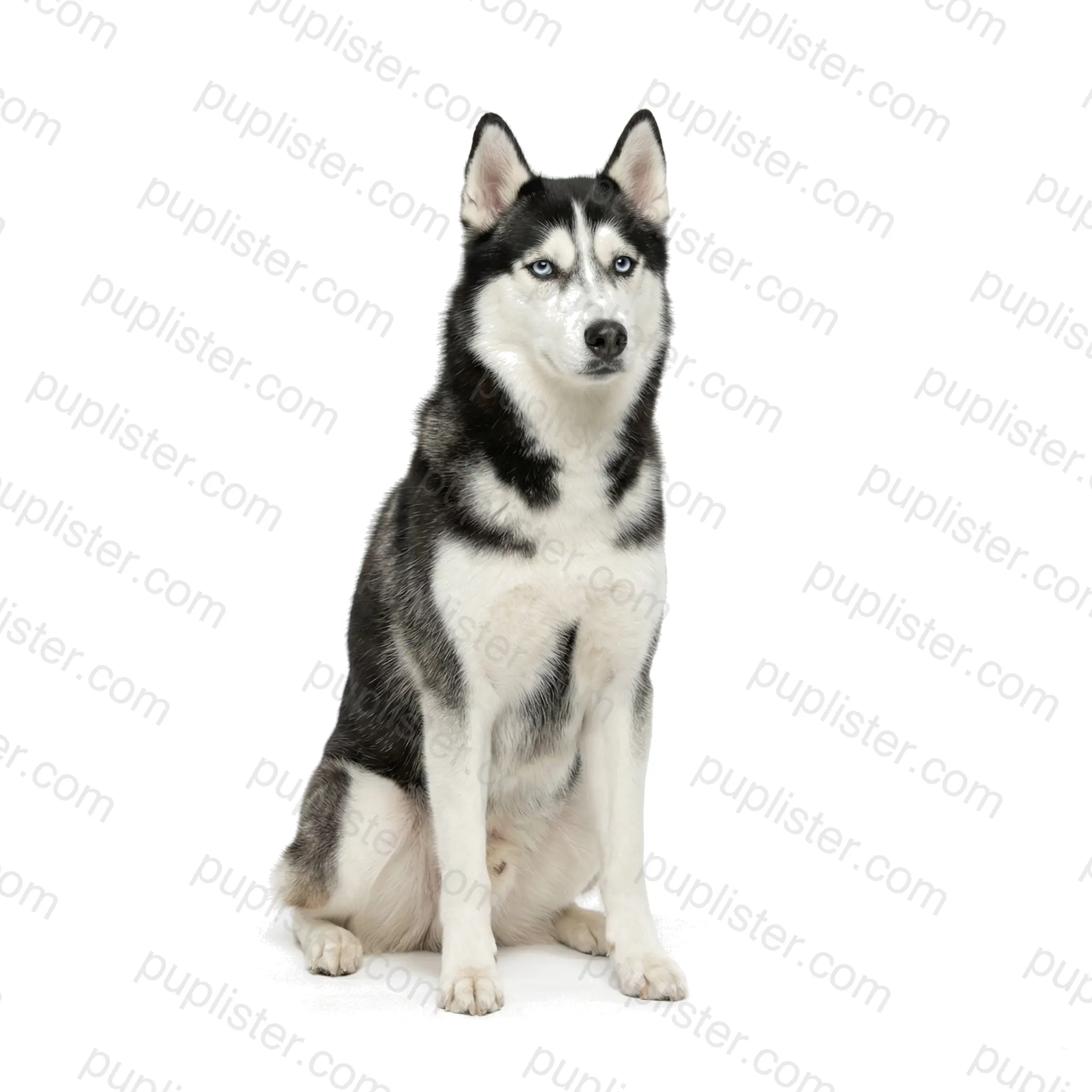
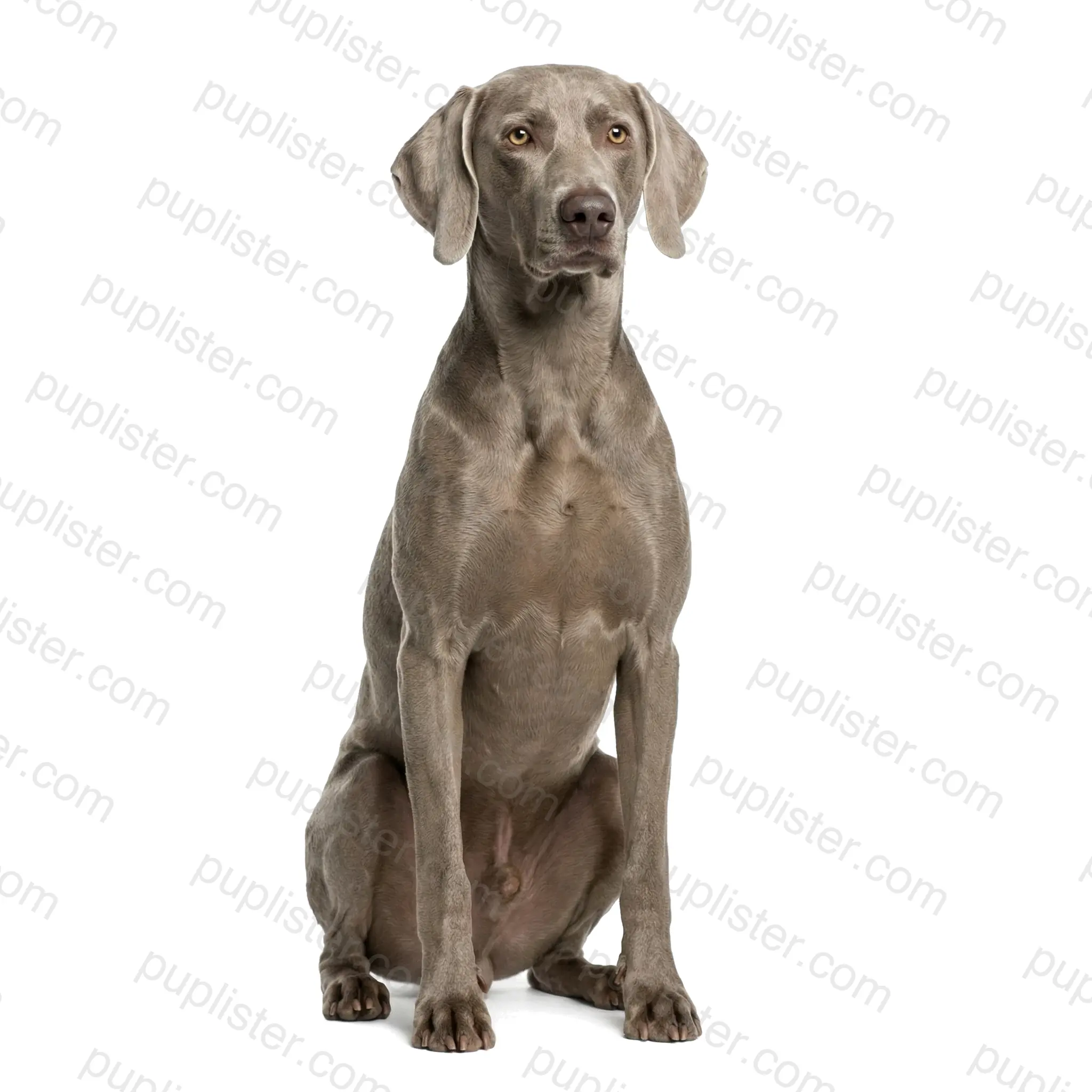
About the Greyhound The Greyhound is one of the most ancient breeds — depicted in Egyptian tomb art dating back 5,000 years and prized by nobility throughout history for their unmatched speed and grace. Standing 27–30 inches tall and weighing 60–70 pounds, these aerodynamic athletes can reach speeds of 45 miles per hour, making them the fastest dog breed in the world. Their short, smooth coat comes in virtually every color and pattern, including black, white, fawn, red, blue, brindle, and various combinations.Temperament & PersonalityGreyhounds are gentle, quiet, and surprisingly lazy — the ultimate couch potatoes who happen to be world-class sprinters. They are sweet-natured and sensitive dogs that form deep bonds with their owners and are typically good with older children who respect their space. Many retired racing Greyhounds adapt beautifully to home life, though they may need time to learn household basics like stairs, glass doors, and slippery floors.ProsRemarkably calm and quiet indoors — content to sleep 18+ hours a day on the couchLow-maintenance coat — virtually no grooming needs and minimal sheddingGentle, non-aggressive temperament — rarely bark and never show hostility toward peopleMany retired racers are available for adoption — giving these athletes a well-deserved second careerConsStrong prey drive — cannot be trusted off-leash and may chase small dogs, cats, and wildlifeThin skin and minimal body fat make them susceptible to cuts, cold temperatures, and pressure soresSensitive to anesthesia and many common medications due to low body fat percentageProne to osteosarcoma, bloat, and dental disease — especially in retired racing dogsGive a graceful Greyhound the retirement they deserve — browse adoptable Greyhounds on Puplister.
16 pets available
About the Miniature Pinscher The Miniature Pinscher — affectionately called the "Min Pin" — originated in Germany several centuries ago, likely bred from a combination of Dachshunds and Italian Greyhounds. Standing 10 to 12.5 inches tall and weighing 8 to 12 pounds, these spirited dogs are far older than the Doberman and are not simply a scaled-down version of that breed. Their sleek, smooth coat comes in red, stag red, black and tan, or chocolate and tan with a naturally glossy sheen. Temperament & Personality Miniature Pinschers are bold, energetic, and remarkably self-assured — often described as having a big-dog attitude in a toy-sized body. They are entertaining and devoted to their owners but can be independent and stubborn during training sessions. Min Pins generally do well with older children and can coexist with other dogs, though they may try to assert dominance over much larger breeds. Pros Minimal grooming needed thanks to their short, smooth coatExcellent watchdog with an alert, vocal natureCompact size perfect for apartment and urban livingHighly energetic and entertaining companion for active owners Cons Notorious escape artists — can squeeze through small gaps and jump surprisingly highProne to patellar luxation and Legg-Calvé-Perthes diseaseStubborn streak makes housetraining more challenging than averageHigh prey drive means unreliable off-leash in unfenced areas Think a fearless little companion with endless personality is right for you? Search for Miniature Pinschers available on Puplister.
54 pets available
About the Border Collie The Border Collie originated in the border region between Scotland and England, where it was refined over centuries into what many consider the most intelligent and capable herding dog in the world. Standing 18–22 inches tall and weighing 30–55 pounds, the Border Collie is a medium-sized, athletic dog with an intense, focused expression and a characteristic crouching herding stance. Their coat comes in two varieties — rough (medium-length) and smooth (short) — and appears in a wide range of colors and patterns, with black-and-white being the most iconic.Temperament & PersonalityBorder Collies are extraordinarily intelligent, driven, and sensitive — they are widely regarded as the smartest dog breed, capable of learning hundreds of words and complex sequences of commands. They are deeply devoted to their families and can be wonderful with children, though they may try to herd them. Their intense need for mental and physical stimulation means they are best suited for owners who can provide daily training, work, or competitive sport — a bored Border Collie is a destructive Border Collie.ProsConsidered the most intelligent dog breed — unmatched learning ability and problem-solving skillsExcels in virtually every canine sport — agility, flyball, disc dog, herding trials, and obedienceDeeply loyal and attuned to their owner's emotions and body languageGenerally healthy breed with a lifespan of 12–15 yearsConsRequires an extraordinary amount of daily mental and physical exercise — easily 2+ hoursCan develop neurotic behaviors — obsessive staring, shadow chasing, spinning — without adequate stimulationHerding instinct may cause them to nip at children, joggers, and cyclistsProne to epilepsy, Collie eye anomaly, and hip dysplasiaIf you're ready for the most rewarding canine partnership of your life, find adoptable Border Collies on Puplister.
1 pet available
About the Pekingese The Pekingese is an ancient toy breed originating from the imperial palaces of China, where it was bred exclusively for royalty for over 2,000 years — commoners were forbidden from owning one. These compact dogs weigh up to 14 pounds and stand 6 to 9 inches tall, with a stocky, low-to-the-ground build and a characteristic rolling gait. Their luxurious double coat is long and flowing, coming in virtually every color and pattern, with a distinctive lion-like mane around the neck and shoulders. Temperament & Personality Pekingese carry themselves with a regal dignity and independence that reflects their imperial heritage — they are loyal and affectionate with their chosen person but rarely clingy or demanding. They can be aloof with strangers and are not naturally inclined to tolerate the rough play of young children. Pekingese are brave to the point of being fearless, and they will not hesitate to stand their ground against much larger dogs. Pros Low exercise requirements — content with short walks and indoor playLoyal and devoted companion, especially for single-person householdsExcellent watchdog with a surprisingly deep bark for its sizeCalm indoor demeanor suits apartment and senior living well Cons Brachycephalic (flat-faced) structure causes breathing difficulties and heat sensitivityExtensive coat grooming required — daily brushing to prevent painful mattingStubborn and independent, making housetraining and obedience challengingProne to intervertebral disc disease, eye injuries, and skin fold infections If a dignified, devoted lap companion appeals to you, find Pekingese available for adoption on Puplister.
Understand the full dog adoption costs beyond the initial fee, including ongoing care, unexpected expenses, and a 5-year financial forecast.
Foster-to-adopt offers a trial period to see if a dog is the right fit, bridging temporary care and permanent adoption for a happy home.
Feeling regret after adopting a cat is normal. Discover common causes, understand your cat's adjustment, and learn practical steps to cope and get support.
Adopted cat meowing all night? Discover why it happens, how to create a calm environment, and a realistic timeline to quiet nighttime meows.