First Year Dog Costs After Adoption (Full Budget)
Understand the full first-year dog costs after adoption, from initial supplies to vet care, and see how adopting saves you money.
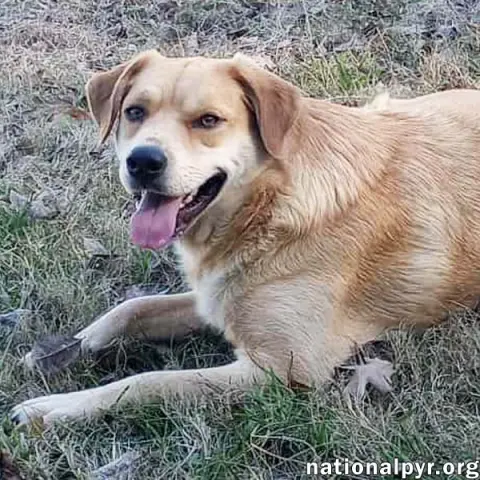
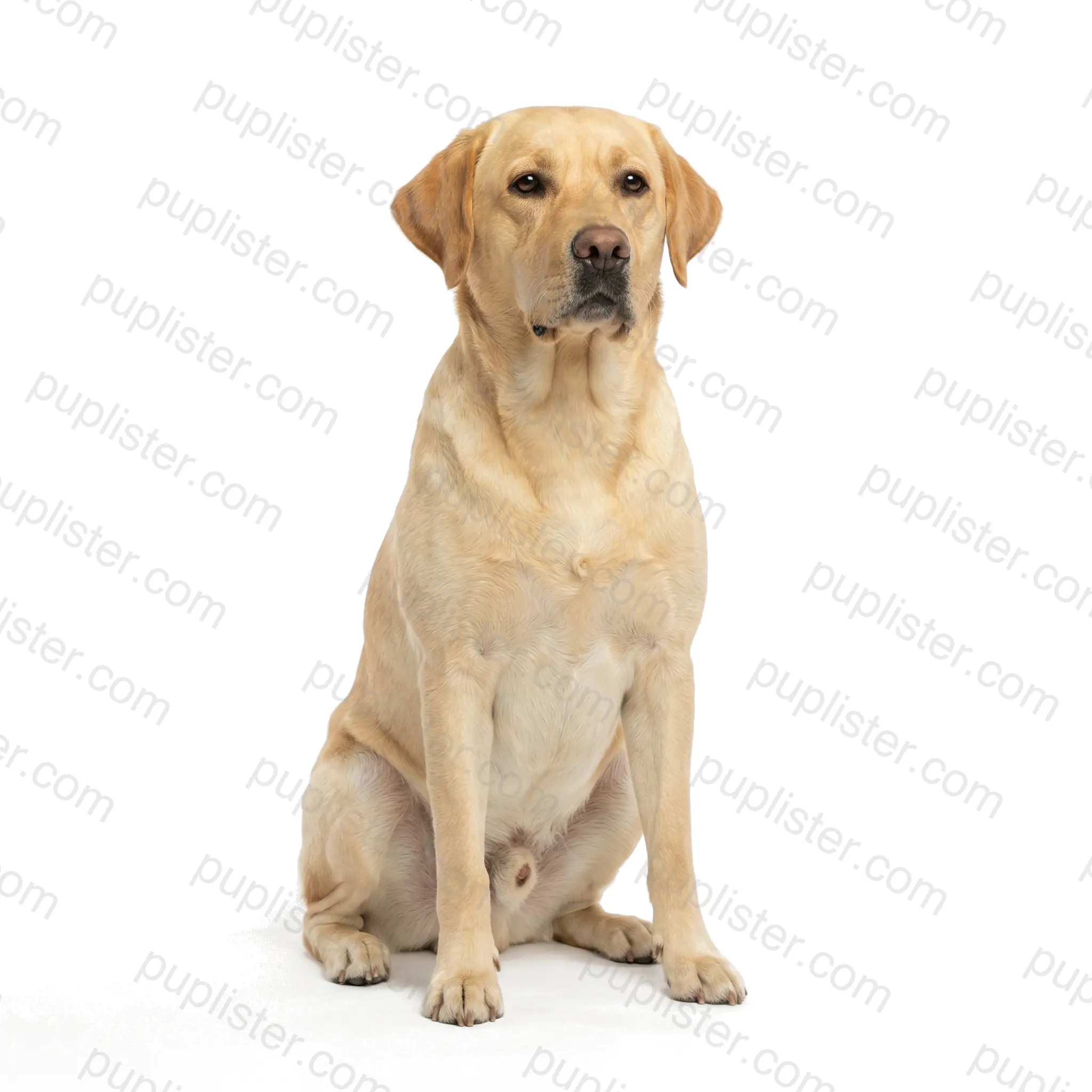
The Labrador Retriever has been America's most popular dog breed for over three decades — and for good reason. Originally bred in Newfoundland, Canada, during the early 19th century to help fishermen haul nets and retrieve catch from the icy North Atlantic, the breed was refined in England into the versatile sporting dog we know today. Labs stand 21.5–24.5 inches tall and weigh 55–80 pounds, with a short, dense, water-resistant double coat in three recognized colors: black, yellow (ranging from fox-red to pale cream), and chocolate.
Labrador Retrievers are friendly, outgoing, and high-spirited — they greet nearly every person, dog, and situation with unbridled enthusiasm and a wagging tail. They are exceptionally patient and gentle with children, making them one of the most trusted family dogs in the world. Labs are also remarkably intelligent and eager to please, which is why they dominate as guide dogs, search-and-rescue dogs, therapy dogs, and detection dogs across dozens of working disciplines.
There's a reason the Lab is the world's favorite dog — discover adoptable Labrador Retrievers on Puplister today.
Answer 5 quick questions to see how well this breed matches your lifestyle.
Labrador Retriever / American Staffordshire Terrier
19 pets available
About the French Bulldog The French Bulldog — or "Frenchie" — descended from miniaturized English Bulldogs brought to France by lace workers during the Industrial Revolution, where they were crossed with local ratters and developed into the bat-eared companion we know today. Standing 11–13 inches tall and weighing under 28 pounds, these compact, muscular dogs have a smooth, short coat in brindle, fawn, white, cream, and various pied combinations. Their oversized bat ears, flat face, and stocky build give them an irresistibly comical appearance that has made them one of the most popular breeds worldwide.Temperament & PersonalityFrench Bulldogs are playful, alert, and adaptable — equally happy clowning around the living room or snoozing on their owner's lap for hours. They are affectionate without being clingy and generally get along well with children, other dogs, and strangers alike. Their easygoing nature and moderate energy level make them one of the most versatile companion breeds for urban dwellers.ProsIdeal apartment dogs — low exercise needs, rarely bark, and thrive in small spacesFriendly, sociable temperament — gets along with virtually everyoneMinimal grooming requirements — short coat needs only occasional brushingPlayful and entertaining without the hyperactivity of many small breedsConsBrachycephalic breed — prone to breathing difficulties, overheating, and exercise intoleranceExtremely expensive veterinary care — spinal issues, allergies, and eye problems are commonCannot swim due to their top-heavy build — require constant supervision near waterProne to flatulence, snoring, and skin fold infections that require regular cleaningFall in love with a charming Frenchie — explore French Bulldogs available for adoption on Puplister.
43 pets available
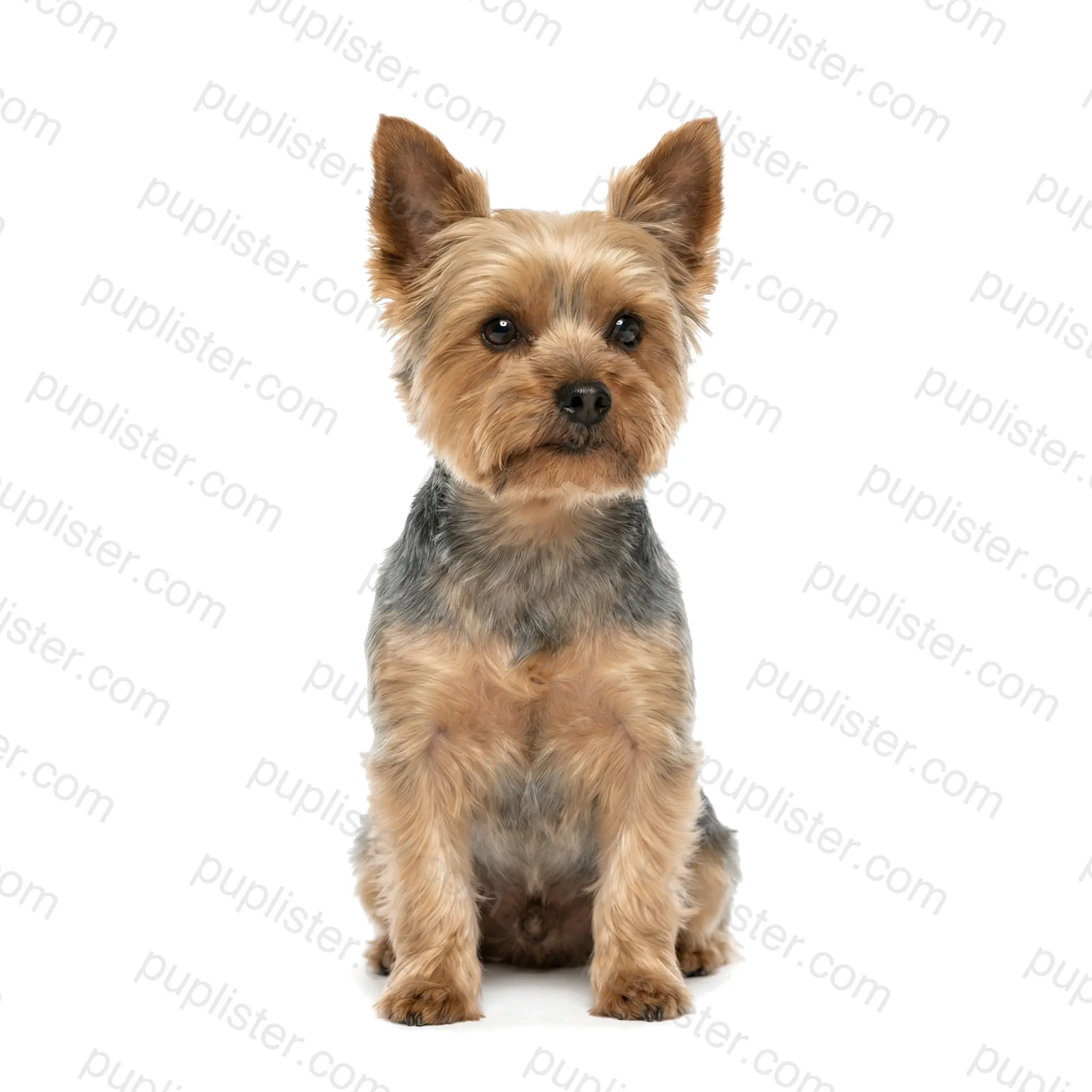
About the Yorkshire Terrier The Yorkshire Terrier was developed in the mid-19th century in the English counties of Yorkshire and Lancashire by working-class weavers who bred small terriers to catch rats in textile mills and coal mines. Despite their current status as a glamorous toy breed, these feisty dogs retain every bit of their terrier courage in a tiny 7-pound, 7-to-8-inch frame. Their signature floor-length, silky coat is steel blue on the body and rich golden tan on the head and legs — a single-layer coat that grows continuously and is remarkably similar to human hair in texture. Temperament & Personality Yorkshire Terriers are bold, confident, and fiercely loyal — they carry themselves with a self-importance that far exceeds their diminutive stature, never hesitating to challenge dogs ten times their size. They are deeply attached to their owners and can be wonderful companions for adults and older children, though their small size and feisty temperament make them a poor fit for rough play with toddlers. Yorkies are intelligent, curious, and entertaining, bringing big-dog energy and attitude to the smallest package in the terrier world. Pros Minimal shedding — silky coat is more similar to hair than furTiny size ideal for apartments, travel, and urban livingBold watchdog temperament — always alert to unusual activityLong lifespan of 11 to 15 years with proper care Cons Fragile — easily injured by falls, being sat on, or rough handlingLong coat demands daily brushing or regular professional groomingProne to tracheal collapse, patellar luxation, portosystemic shunt, and dental diseaseCan be difficult to housetrain and may develop snappish behavior if overindulged Yorkshire Terriers prove that the best things truly come in small packages — find your Yorkie on Puplister.
4 pets available
About the Maltipoo The Maltipoo is a popular designer crossbreed combining the Maltese and Toy or Miniature Poodle — first intentionally bred in the United States during the 1990s. These charming small dogs typically weigh 5 to 20 pounds and stand 8 to 14 inches tall, depending on the Poodle parent's size. Their coat is soft, wavy to curly, and comes in cream, white, apricot, red, and a range of other colors — often low-shedding thanks to the Poodle influence. Temperament & Personality Maltipoos are affectionate, playful, and thrive on human companionship — making them excellent lap dogs and emotional support animals. They tend to be gentle with children and can coexist well with other pets when properly socialized. Their alert nature means they'll bark to announce visitors, though they're far too friendly to serve as guard dogs. Pros Low-shedding coat is more suitable for allergy sufferersAdapts well to apartments and small living spacesEager to please and relatively easy to train with positive reinforcementLong lifespan of 12 to 16 years compared to many breeds Cons Prone to separation anxiety if left alone for extended periodsCoat requires regular professional grooming every 4 to 6 weeksCan develop patellar luxation and progressive retinal atrophyTendency toward excessive barking without consistent training If a cuddly, low-shedding companion sounds like your perfect match, browse Maltipoo listings on Puplister today.
6 pets available
About the Saint Bernard The Saint Bernard originated in the Swiss Alps at the Great St. Bernard Hospice, where monks bred these massive dogs for over 1,000 years to locate and rescue travelers lost in snowstorms along the treacherous mountain pass. Males typically stand 28 to 30 inches tall and weigh 140 to 180 pounds, though individuals exceeding 200 pounds are not uncommon. Their coat comes in two varieties — short-haired (smooth) and long-haired (rough) — both in white with red, mahogany, brindle, or brown markings. Temperament & Personality Saint Bernards are gentle, patient, and extraordinarily tolerant — their legendary devotion to humans extends to being remarkably careful and nurturing around children despite their massive size. They are friendly with strangers, other dogs, and household pets, possessing a calm, unflappable demeanor that makes them wonderful therapy dogs. While not aggressive, their sheer size and deep bark are often enough to deter unwanted visitors. Pros Exceptionally gentle and patient — one of the best giant breeds for families with childrenCalm, low-energy indoor demeanor despite enormous sizeFriendly and non-aggressive toward people and other animalsImposing presence provides natural deterrent without guard training Cons Legendary drooling — especially the loose-lipped, heavy-jowled individualsShort lifespan of 8 to 10 years, with some living even lessProne to hip and elbow dysplasia, bloat, osteosarcoma, and dilated cardiomyopathyEnormous food costs and substantial space requirements for comfortable living Few breeds embody devotion quite like the Saint Bernard — find one in need of a loving home on Puplister.
Understand the full first-year dog costs after adoption, from initial supplies to vet care, and see how adopting saves you money.
Discover the cheapest ways to adopt a dog near you, from understanding the real value of adoption fees to insider tips for finding low-cost dogs.
Learn the easy steps to transfer dog microchip after adoption. This guide covers finding info, contacting registries, and overcoming common hurdles.
Understand the full dog adoption costs beyond the initial fee, including ongoing care, unexpected expenses, and a 5-year financial forecast.