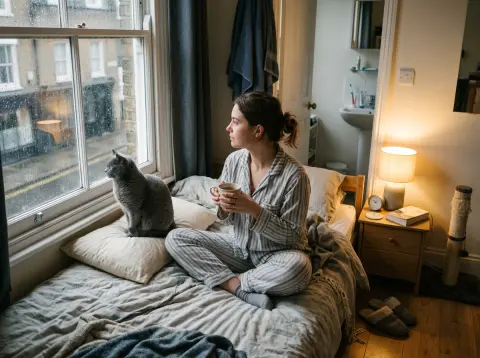
Adopted Cat Meowing All Night: How to Stop It
Adopted cat meowing all night? Discover why it happens, how to create a calm environment, and a realistic timeline to quiet nighttime meows.
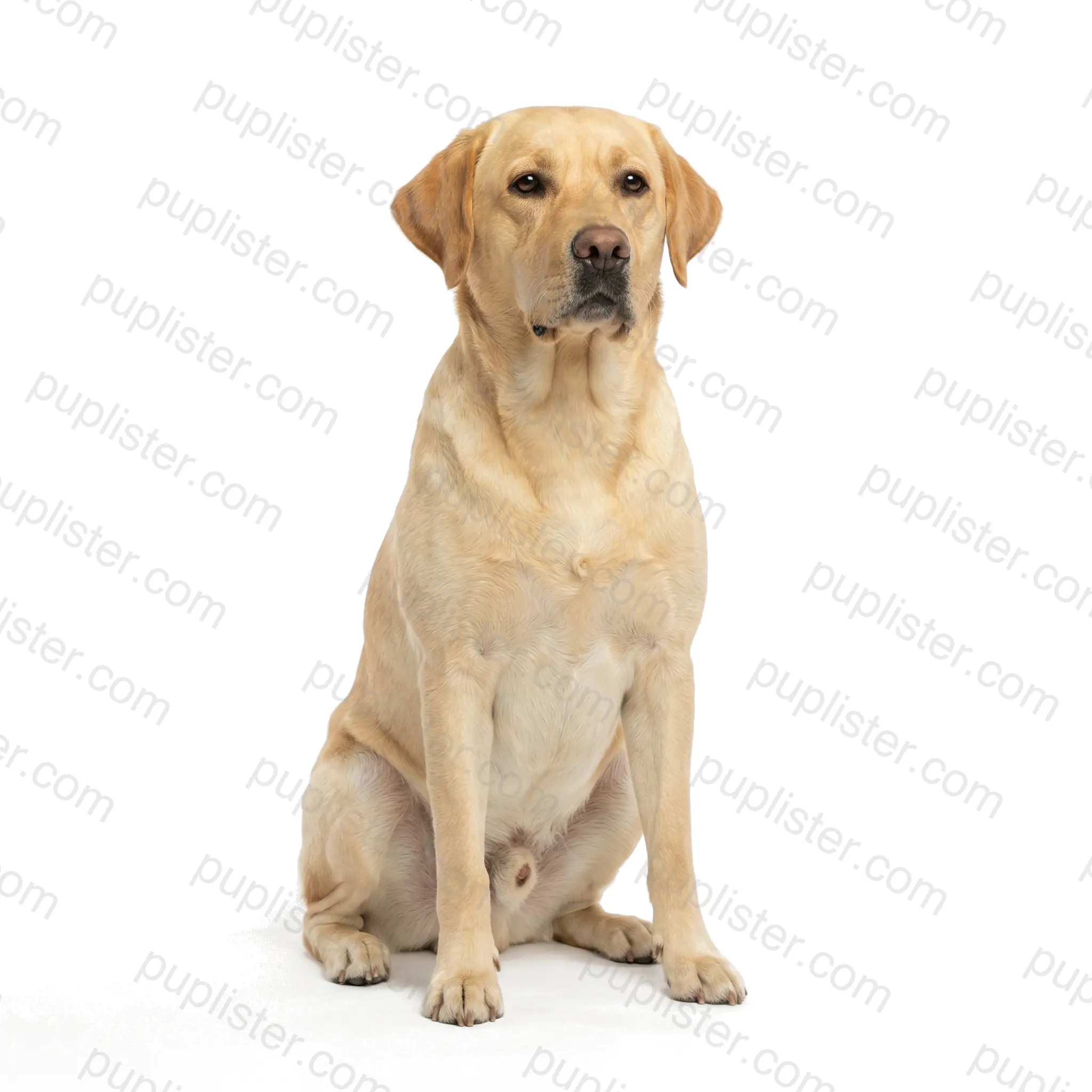
The Labrador Retriever has been America's most popular dog breed for over three decades — and for good reason. Originally bred in Newfoundland, Canada, during the early 19th century to help fishermen haul nets and retrieve catch from the icy North Atlantic, the breed was refined in England into the versatile sporting dog we know today. Labs stand 21.5–24.5 inches tall and weigh 55–80 pounds, with a short, dense, water-resistant double coat in three recognized colors: black, yellow (ranging from fox-red to pale cream), and chocolate.
Labrador Retrievers are friendly, outgoing, and high-spirited — they greet nearly every person, dog, and situation with unbridled enthusiasm and a wagging tail. They are exceptionally patient and gentle with children, making them one of the most trusted family dogs in the world. Labs are also remarkably intelligent and eager to please, which is why they dominate as guide dogs, search-and-rescue dogs, therapy dogs, and detection dogs across dozens of working disciplines.
There's a reason the Lab is the world's favorite dog — discover adoptable Labrador Retrievers on Puplister today.
Answer 5 quick questions to see how well this breed matches your lifestyle.
Labrador Retriever / German Shepherd Dog
Labrador Retriever / American Pit Bull Terrier
Labrador Retriever / German Shepherd Dog
5 pets available
About the Bullmastiff The Bullmastiff was developed in 19th-century England by crossing Bulldogs with Mastiffs — the goal was a powerful, silent guardian capable of tracking and pinning poachers on large estates without mauling them. Standing 24–27 inches tall and weighing 100–130 pounds, the Bullmastiff is a massive, muscular dog with a broad head, dark muzzle, and an imposing physical presence. Their short, dense coat comes in fawn, red, or brindle — always with a black mask — and sheds moderately with minimal grooming requirements.Temperament & PersonalityBullmastiffs are confident, loyal, and naturally protective — they are alert guardians who rely on their size and intimidating presence rather than excessive barking to deter intruders. Despite their imposing appearance, they are gentle and affectionate with their families, showing particular patience and tenderness with children. They are typically calm and quiet indoors, content to lie at their owner's feet, but they can be territorial with unfamiliar dogs and require early, consistent socialization.ProsNaturally protective — their imposing presence alone is an effective deterrentSurprisingly low-energy indoors, adapting well to a calm household routineGentle and affectionate with family members, including childrenMinimal grooming needs with their short, easy-care coatConsShort lifespan averaging only 7–9 yearsProne to bloat, hip and elbow dysplasia, lymphoma, and mast cell tumorsSignificant drooling, especially around mealtimes and in warm weatherTheir sheer size and strength require an experienced owner capable of managing 100+ pounds of dogA Bullmastiff offers protection and companionship in equal measure — explore adoptable Bullmastiffs on Puplister and find your gentle giant.
28 pets available
1About the Pug The Pug is one of the oldest toy breeds, originating in China around 400 BC as prized companions of Buddhist monks and later Chinese emperors. These compact, square-proportioned dogs weigh 14 to 18 pounds and stand 10 to 13 inches tall, with a distinctively wrinkled face, large round eyes, and a tightly curled tail. Their smooth, short double coat comes in fawn (with a black mask) or solid black — and despite its short length, it sheds prolifically. Temperament & Personality Pugs live to love and be loved — they are charming, mischievous, and remarkably attuned to their owners' emotions, making them outstanding companion dogs. They get along wonderfully with children, other dogs, and even cats, possessing a sociable nature that makes them the life of any gathering. Pugs are playful without being hyperactive, and their clownish antics provide endless entertainment for their families. Pros Exceptionally friendly and sociable with everyone — people, children, and other petsLow exercise requirements — perfectly content with moderate daily walksCompact size and calm demeanor make them ideal apartment companionsSturdy build for a toy breed — less fragile than many other small dogs Cons Brachycephalic syndrome causes chronic breathing difficulties and severe heat intoleranceProne to obesity, which compounds respiratory and joint problemsEye issues including proptosis, corneal ulcers, and dry eye due to prominent eyesSheds heavily year-round despite the short coat length Pugs bring joy wherever they go — find your wrinkly-faced soulmate waiting on Puplister.
6 pets available
About the Greyhound The Greyhound is one of the most ancient breeds — depicted in Egyptian tomb art dating back 5,000 years and prized by nobility throughout history for their unmatched speed and grace. Standing 27–30 inches tall and weighing 60–70 pounds, these aerodynamic athletes can reach speeds of 45 miles per hour, making them the fastest dog breed in the world. Their short, smooth coat comes in virtually every color and pattern, including black, white, fawn, red, blue, brindle, and various combinations.Temperament & PersonalityGreyhounds are gentle, quiet, and surprisingly lazy — the ultimate couch potatoes who happen to be world-class sprinters. They are sweet-natured and sensitive dogs that form deep bonds with their owners and are typically good with older children who respect their space. Many retired racing Greyhounds adapt beautifully to home life, though they may need time to learn household basics like stairs, glass doors, and slippery floors.ProsRemarkably calm and quiet indoors — content to sleep 18+ hours a day on the couchLow-maintenance coat — virtually no grooming needs and minimal sheddingGentle, non-aggressive temperament — rarely bark and never show hostility toward peopleMany retired racers are available for adoption — giving these athletes a well-deserved second careerConsStrong prey drive — cannot be trusted off-leash and may chase small dogs, cats, and wildlifeThin skin and minimal body fat make them susceptible to cuts, cold temperatures, and pressure soresSensitive to anesthesia and many common medications due to low body fat percentageProne to osteosarcoma, bloat, and dental disease — especially in retired racing dogsGive a graceful Greyhound the retirement they deserve — browse adoptable Greyhounds on Puplister.
1 pet available
About the Fox Terrier The Fox Terrier — available in Smooth and Wire varieties — was originally bred in 18th-century England to bolt foxes from their dens during hunts. Standing 14–15.5 inches tall and weighing 15–18 pounds, these compact, muscular terriers are predominantly white with black, tan, or black-and-tan markings. The Wire Fox Terrier sports a dense, wiry coat with a distinctive beard and eyebrows, while the Smooth variety has a sleek, flat coat — both share the same fearless, high-energy temperament.Temperament & PersonalityFox Terriers are bold, curious, and endlessly entertaining — true terriers through and through with a mischievous streak that keeps their owners on their toes. They are alert, quick-witted dogs that approach life with infectious enthusiasm and a surprising amount of comedic timing. While affectionate with their families, they can be scrappy with other dogs and have an irrepressible urge to chase anything that moves.ProsEnergetic and entertaining companions — never a dull moment with a Fox TerrierExcellent watchdogs with a sharp, alert bark that deters intrudersWire variety has a hypoallergenic coat that sheds minimally when hand-strippedHardy, long-lived breed — typically 12–15 years with relatively few genetic health issuesConsStrong prey drive — will chase cats, squirrels, and small animals relentlesslyTendency to bark excessively — can be problematic in apartments or close-neighbor situationsCan be dog-aggressive and confrontational, especially with same-sex dogsExpert escape artists — will dig under or climb over fences with remarkable determinationIf you love spirited, fearless dogs with boundless personality, find Fox Terriers for adoption on Puplister.
Adopted cat meowing all night? Discover why it happens, how to create a calm environment, and a realistic timeline to quiet nighttime meows.
Is your adopted cat not eating? Learn the causes, from stress to past trauma, and discover practical solutions to get your new feline friend eating again.
Is your new cat hiding and won't come out? It's normal, but proactive steps can help. Learn how to build trust with your shy adopted cat.
Discover how long it takes for a rescue cat to feel at home with our experienced guide, covering the 3-3-3 rule and actionable tips.