Labrador Retriever Labrador Retriever

Labrador Retriever

4
Friendly Outgoing Active Gentle

About the Labrador Retriever

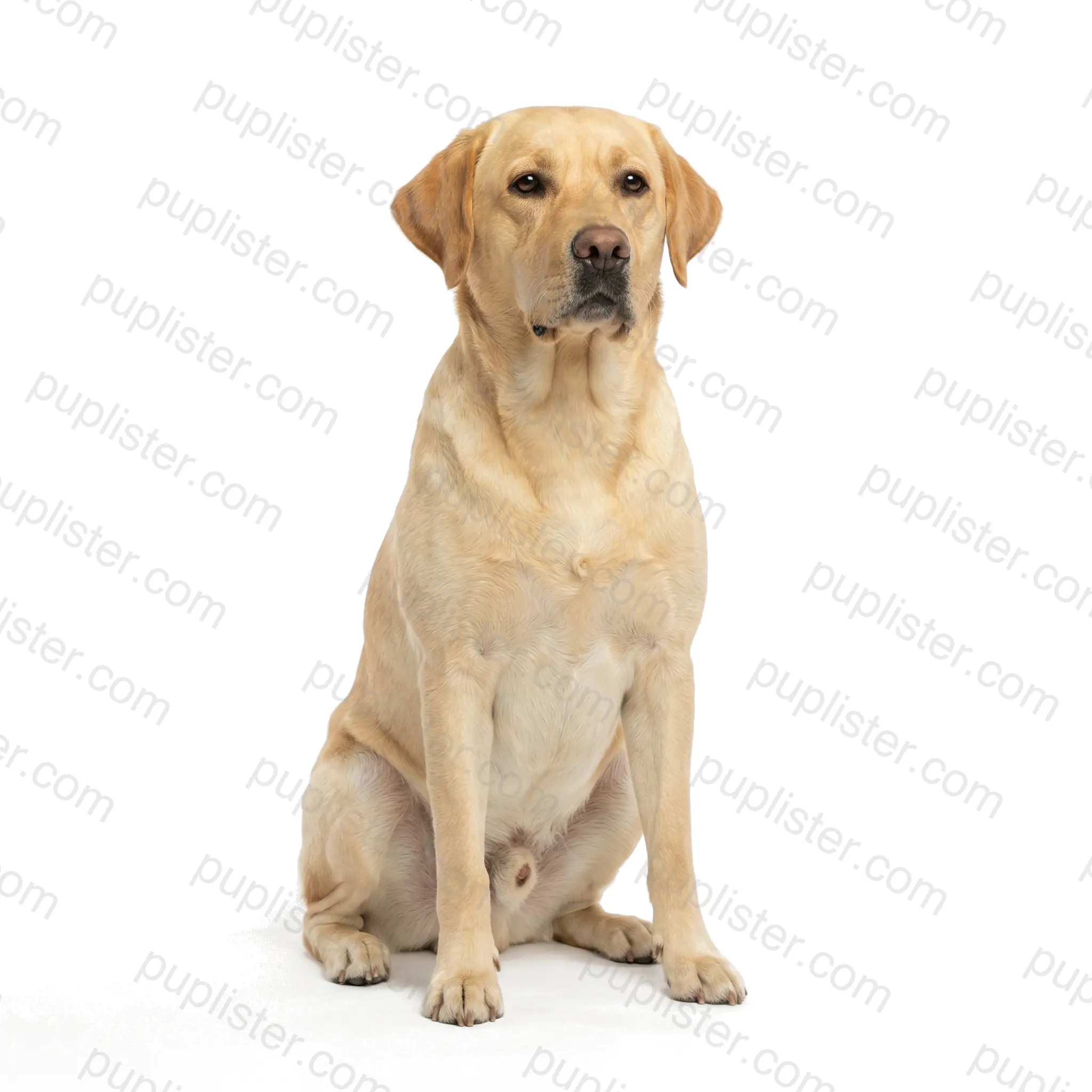
The Labrador Retriever has been America's most popular dog breed for over three decades — and for good reason. Originally bred in Newfoundland, Canada, during the early 19th century to help fishermen haul nets and retrieve catch from the icy North Atlantic, the breed was refined in England into the versatile sporting dog we know today. Labs stand 21.5–24.5 inches tall and weigh 55–80 pounds, with a short, dense, water-resistant double coat in three recognized colors: black, yellow (ranging from fox-red to pale cream), and chocolate.

Temperament & Personality

Labrador Retrievers are friendly, outgoing, and high-spirited — they greet nearly every person, dog, and situation with unbridled enthusiasm and a wagging tail. They are exceptionally patient and gentle with children, making them one of the most trusted family dogs in the world. Labs are also remarkably intelligent and eager to please, which is why they dominate as guide dogs, search-and-rescue dogs, therapy dogs, and detection dogs across dozens of working disciplines.

Pros

  • Outstanding family dog — patient, gentle, and naturally good with children of all ages
  • Highly trainable and eager to please — consistently ranks among the most obedient breeds
  • Versatile and adaptable — equally at home on the couch, in the field, or in the water
  • Friendly and social temperament — gets along well with other dogs, cats, and strangers

Cons

  • Heavy shedding year-round with major seasonal blowouts — not suited for allergy sufferers
  • Prone to obesity — Labs are notoriously food-motivated and will eat anything not locked away
  • High energy in the first 2–3 years — requires substantial daily exercise to prevent destructive behavior
  • Susceptible to hip and elbow dysplasia, exercise-induced collapse, and progressive retinal atrophy

There's a reason the Lab is the world's favorite dog — discover adoptable Labrador Retrievers on Puplister today.

Labrador Retriever Quick Facts

Size
55–80 lbs, 21–25 in
Lifespan
10–12 years
Exercise
High
Grooming
Moderate
Good with Kids
Yes
Good with Pets
Yes

Is the Labrador Retriever right for you?

Answer 5 quick questions to see how well this breed matches your lifestyle.

Take the Quiz

Available Labrador Retrievers

Chase
Baby
Chase
M

German Shepherd Dog / Labrador Retriever

Animal House Shelter · Huntley, IL
June
Adult
June
XL

Great Dane / Labrador Retriever

Castaway Critters · Harrisburg, PA
Honey
Adult
Honey
L

Labrador Retriever

Texas Sporting Breed Rescue · Denton, TX
Rachel
Young
Rachel
S

Labrador Retriever

Montgomery County Animal Service Center · Conroe, TX
Pringle
Young

Labrador Retriever

Proverbs 12:10 Animal Rescue · Nashville, TN
Matzo
Baby
Matzo
S

Labrador Retriever / Mixed

Mile High Labrador Retriever Mission · Broomfield, CO
Zena
Young
Zena
M

Labrador Retriever / Mixed

Lucky Dog Animal Rescue · Washington, DC
Luge
Baby
Luge
L

Labrador Retriever / Mixed

Adopt A Pit Rescue · Germantown, OH
Kenji
Young
Kenji
S

Labrador Retriever

Garland Animal Services · Garland, TX
Soot
Baby
Soot
M

German Shepherd Dog / Labrador Retriever

Animal House Shelter · Huntley, IL
Gusty
Adult
Gusty
L

Labrador Retriever / Pointer

Lucky Tales Rescue · Fort Thomas, KY
Brandy
Baby
Brandy
S

Staffordshire Bull Terrier / Labrador Retriever

House Of Paws Dog Rescue · Kannapolis, NC

Related Breeds

Chinese Crested

1 pet available

About the Chinese Crested The Chinese Crested is one of the most visually striking toy breeds, coming in two distinct varieties — the Hairless, with silky hair only on the head, feet, and tail, and the Powderpuff, covered in a soft, flowing double coat. Weighing 8–12 pounds and standing 11–13 inches tall, these elegant dogs likely originated in Africa before being refined by Chinese traders who used them as ratters on ships. The Hairless variety's exposed skin can be solid or spotted in shades of pink, black, slate, and chocolate.Temperament & PersonalityChinese Cresteds are deeply affectionate and almost cat-like in their love of perching on high surfaces and curling up under blankets. They're remarkably attuned to their owner's emotions — often described as velcro dogs who follow their person from room to room. They generally get along well with other pets and gentle children, though they can be timid around strangers without proper socialization.ProsHairless variety is ideal for allergy sufferers — produces minimal danderLow exercise needs — happy with short walks and indoor play sessionsExceptionally clean dogs with virtually no doggy odorHighly adaptable to apartment living and small spacesConsHairless variety requires sunscreen, moisturizer, and skin care to prevent acne and sunburnProne to dental issues — Hairless variety often has missing or crowded teethSusceptible to cold temperatures and needs protective clothing in winterCan develop severe separation anxiety if left alone for extended periodsLooking for an affectionate and unique companion? Check out Chinese Crested dogs available for adoption on Puplister.

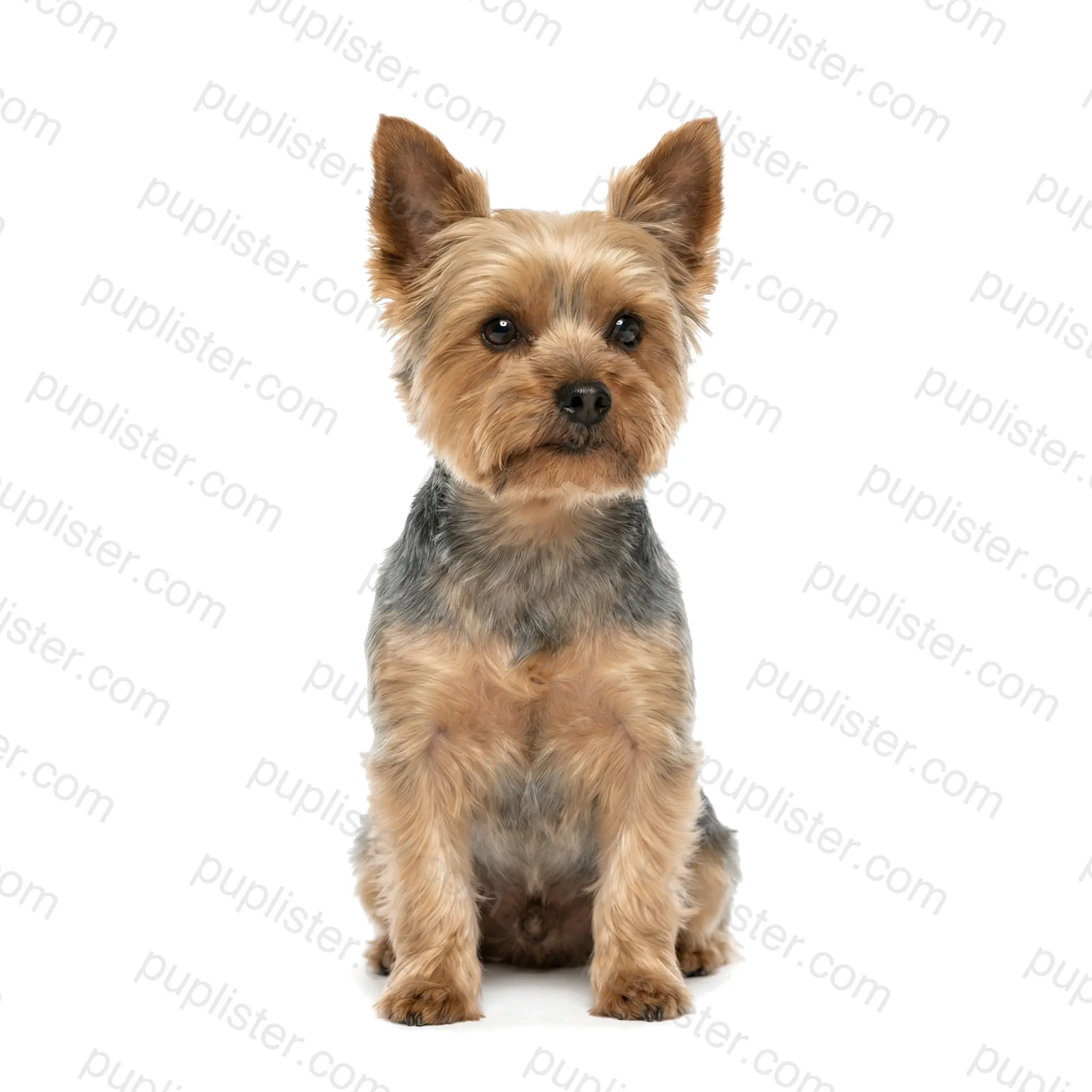
Yorkshire Terrier

24 pets available

About the Yorkshire Terrier The Yorkshire Terrier was developed in the mid-19th century in the English counties of Yorkshire and Lancashire by working-class weavers who bred small terriers to catch rats in textile mills and coal mines. Despite their current status as a glamorous toy breed, these feisty dogs retain every bit of their terrier courage in a tiny 7-pound, 7-to-8-inch frame. Their signature floor-length, silky coat is steel blue on the body and rich golden tan on the head and legs — a single-layer coat that grows continuously and is remarkably similar to human hair in texture. Temperament & Personality Yorkshire Terriers are bold, confident, and fiercely loyal — they carry themselves with a self-importance that far exceeds their diminutive stature, never hesitating to challenge dogs ten times their size. They are deeply attached to their owners and can be wonderful companions for adults and older children, though their small size and feisty temperament make them a poor fit for rough play with toddlers. Yorkies are intelligent, curious, and entertaining, bringing big-dog energy and attitude to the smallest package in the terrier world. Pros Minimal shedding — silky coat is more similar to hair than furTiny size ideal for apartments, travel, and urban livingBold watchdog temperament — always alert to unusual activityLong lifespan of 11 to 15 years with proper care Cons Fragile — easily injured by falls, being sat on, or rough handlingLong coat demands daily brushing or regular professional groomingProne to tracheal collapse, patellar luxation, portosystemic shunt, and dental diseaseCan be difficult to housetrain and may develop snappish behavior if overindulged Yorkshire Terriers prove that the best things truly come in small packages — find your Yorkie on Puplister.

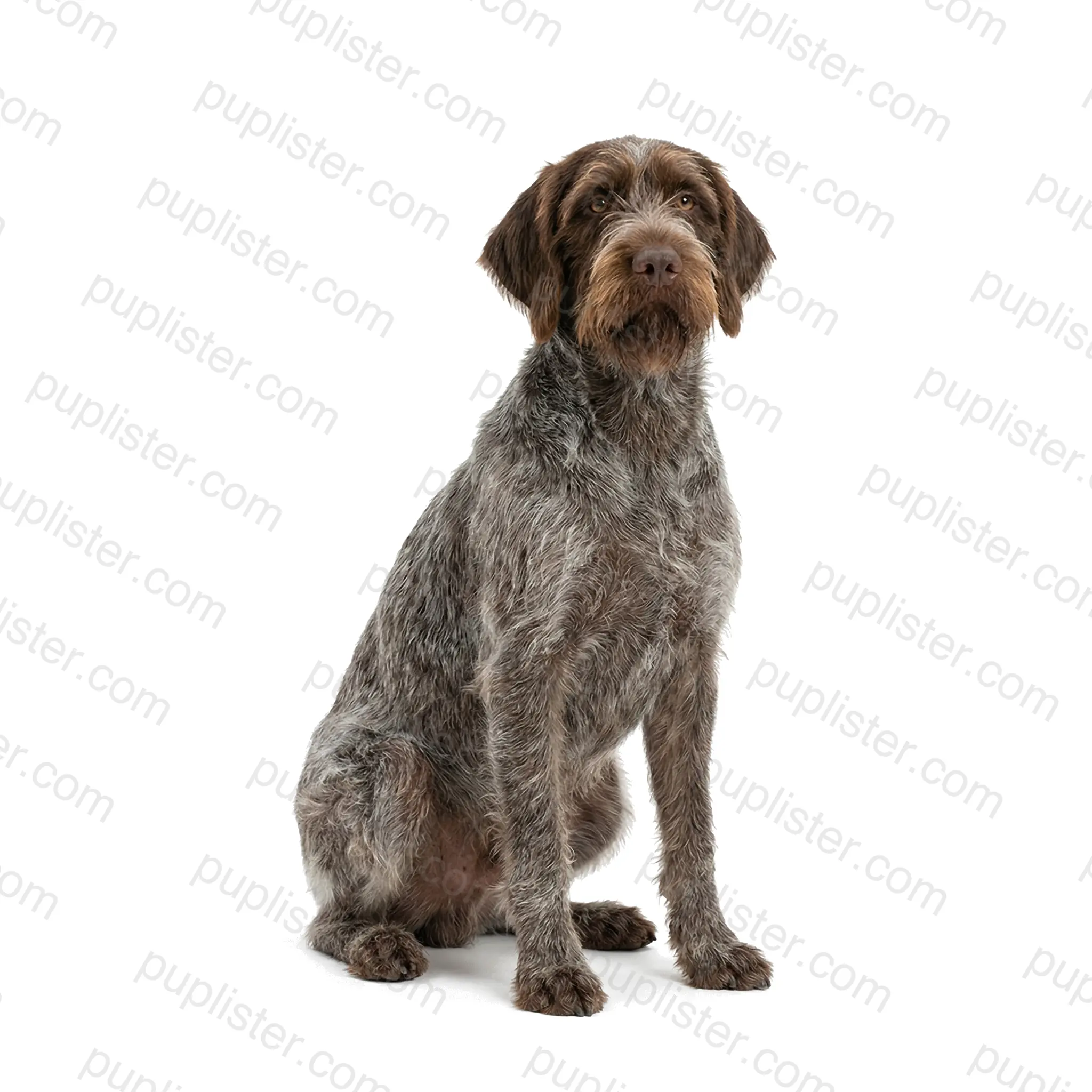
Wirehaired Pointing Griffon

5 pets available

About the Wirehaired Pointing Griffon The Wirehaired Pointing Griffon was developed in the late 19th century by Dutch breeder Eduard Karel Korthals, who meticulously crossed French and German griffons, setters, spaniels, and pointers to create what he considered the "supreme gundog." These medium-sized sporting dogs stand 20 to 24 inches tall and weigh 50 to 70 pounds, with a robust build that balances power with agility. Their distinctive coat features a harsh, wiry outer layer over a dense, water-resistant undercoat — typically in steel gray with brown markings, though roan, brown, and white and brown patterns also occur. Temperament & Personality Wirehaired Pointing Griffons are eager, devoted, and remarkably trainable — often called the "supreme gundog" not just for their versatile field skills but for their cooperative, people-focused temperament. They are gentle and patient with children, friendly with other dogs, and form strong bonds with every family member rather than fixating on a single person. Their enthusiasm for both work and play, combined with a gentle disposition, makes them outstanding all-around family companions for active households. Pros Versatile sporting dog — points, retrieves, and works in water and thick cover equally wellLow-shedding wiry coat suitable for allergy-conscious ownersDevoted and affectionate family dog with a gentle, trainable natureAdaptable and eager to please — excels in multiple canine sports and disciplines Cons High exercise requirements — needs vigorous daily activity and mental stimulationCoat requires regular hand-stripping or professional grooming to maintain textureCan become anxious, clingy, or destructive without adequate exercise and companionshipProne to hip dysplasia, progressive retinal atrophy, and ear infections The Wirehaired Pointing Griffon is a rare treasure among sporting breeds — see if one is available on Puplister.

Chihuahua
Chihuahua Dog

137 pets available

1

About the Chihuahua The Chihuahua is the world's smallest dog breed, originating from the Mexican state of Chihuahua where ancestors of the breed were kept by the ancient Toltec civilization. Standing just 5–8 inches tall and weighing a mere 2–6 pounds, these tiny dogs come in smooth-coat and long-coat varieties with virtually every color and pattern combination imaginable. Despite their diminutive size, Chihuahuas carry themselves with a bold, terrier-like confidence that belies their fragile frame.Temperament & PersonalityChihuahuas are fiercely devoted to one person — often forming an almost obsessive bond with their chosen human. They are alert, spirited, and surprisingly courageous, frequently standing up to dogs many times their size without hesitation. While they can be wonderful companions for older children who handle them gently, their small size and tendency toward snappiness make them a poor match for households with toddlers.ProsPerfect apartment dogs — minimal space and exercise requirementsExceptionally long lifespan of 14–18 years, among the longest of any breedPortable size makes them easy travel companions for on-the-go ownersLow food costs and minimal grooming needs — especially the smooth-coat varietyConsProne to patellar luxation, heart murmurs, hydrocephalus, and dental overcrowdingFragile bones — easily injured by falls, rough play, or being stepped onNotoriously difficult to housebreak due to tiny bladders and stubborn temperamentTendency toward excessive barking and aggression toward strangers if not properly socializedDiscover your perfect pint-sized companion — explore Chihuahuas looking for forever homes right here on Puplister.

Related Articles

Frequently Asked Questions

What are the key traits of a Labrador Retriever?
The Labrador Retriever is known for being friendly, outgoing, active and gentle.
How many Labrador Retrievers are available for adoption?
There are currently 295 Labrador Retrievers available for adoption on Puplister. Browse the listings above to find your perfect match.
How do I adopt a Labrador Retriever from Puplister?
To adopt a Labrador Retriever, browse the available listings on this page, click on a pet you're interested in, and contact the shelter directly through their profile page.