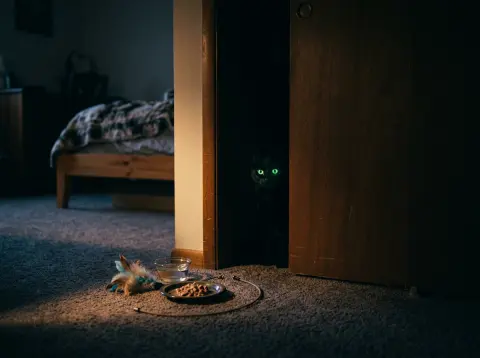
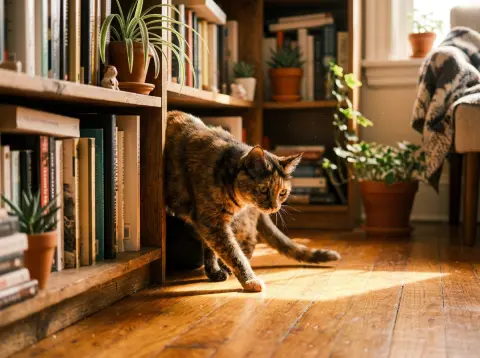
Adopted Cat Meowing All Night: How to Stop It
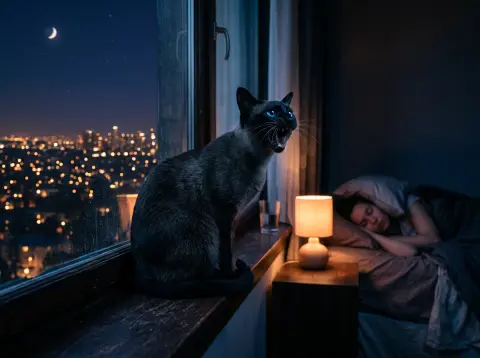
Adopted cat meowing all night? Discover why it happens, how to create a calm environment, and a realistic timeline to quiet nighttime meows.
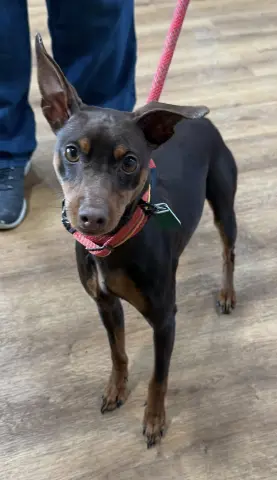
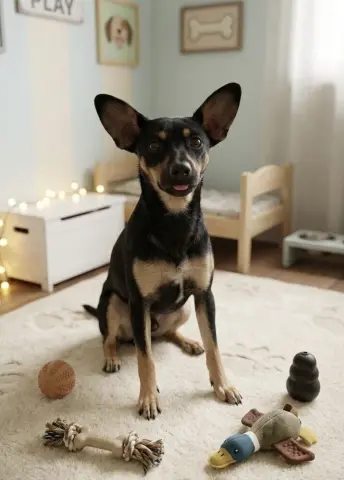
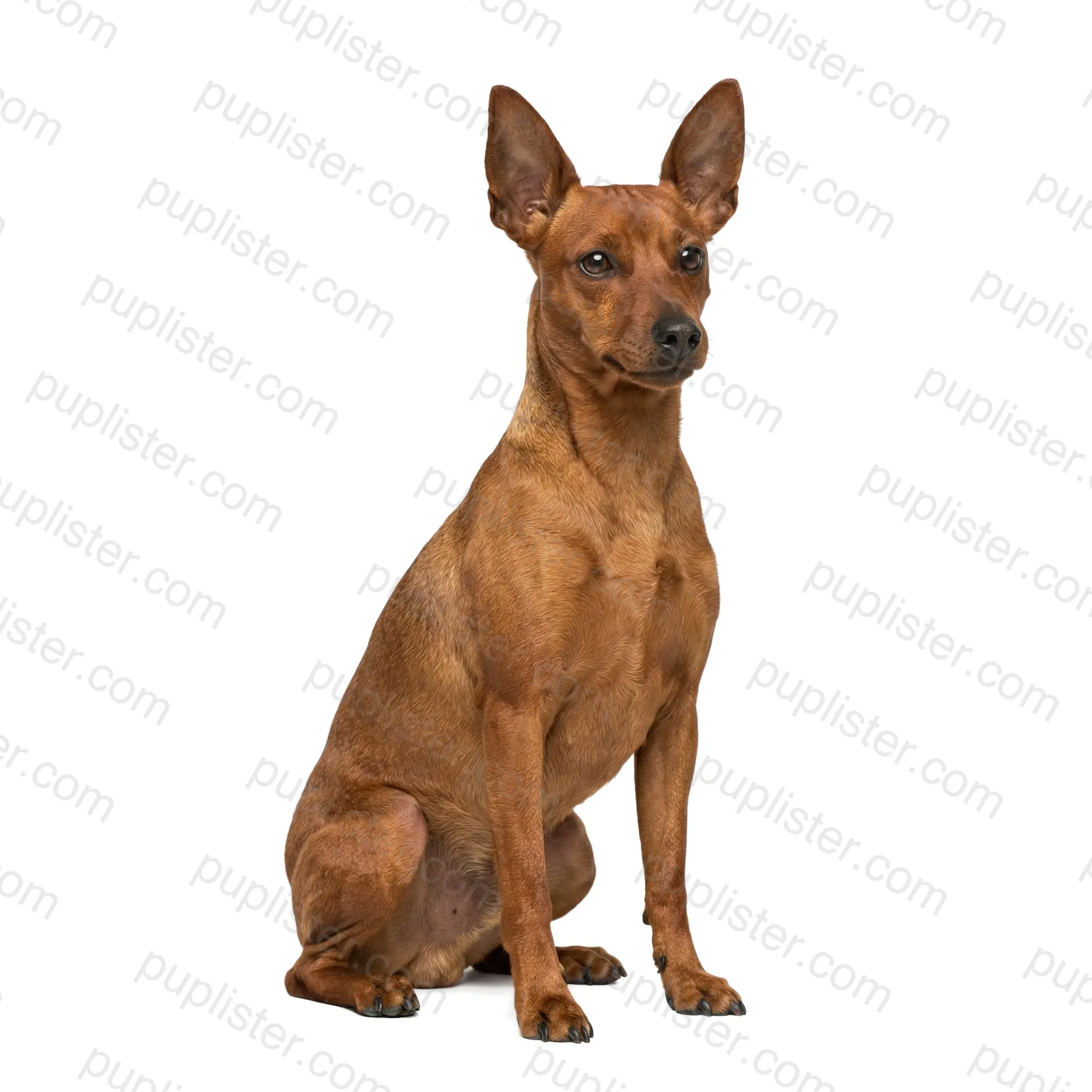
The Miniature Pinscher — affectionately called the "Min Pin" — originated in Germany several centuries ago, likely bred from a combination of Dachshunds and Italian Greyhounds. Standing 10 to 12.5 inches tall and weighing 8 to 12 pounds, these spirited dogs are far older than the Doberman and are not simply a scaled-down version of that breed. Their sleek, smooth coat comes in red, stag red, black and tan, or chocolate and tan with a naturally glossy sheen.
Miniature Pinschers are bold, energetic, and remarkably self-assured — often described as having a big-dog attitude in a toy-sized body. They are entertaining and devoted to their owners but can be independent and stubborn during training sessions. Min Pins generally do well with older children and can coexist with other dogs, though they may try to assert dominance over much larger breeds.
Think a fearless little companion with endless personality is right for you? Search for Miniature Pinschers available on Puplister.
Answer 5 quick questions to see how well this breed matches your lifestyle.
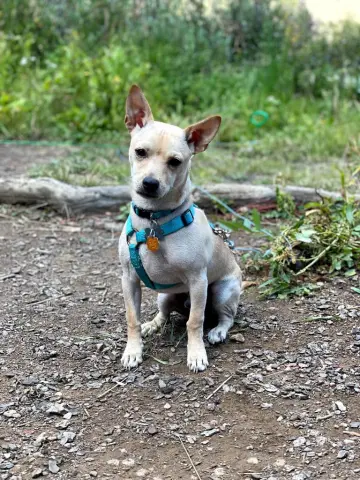
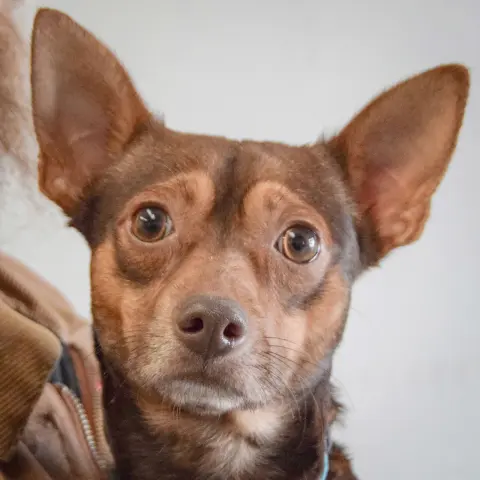
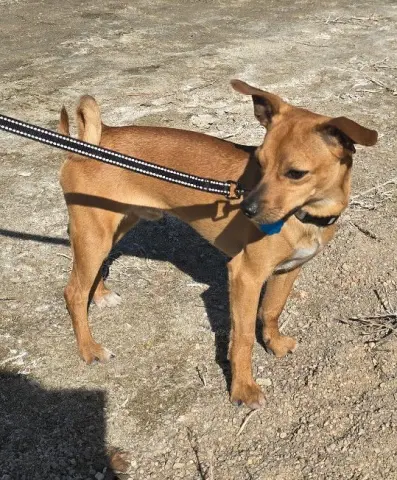
Chihuahua / Miniature Pinscher
2 pets available
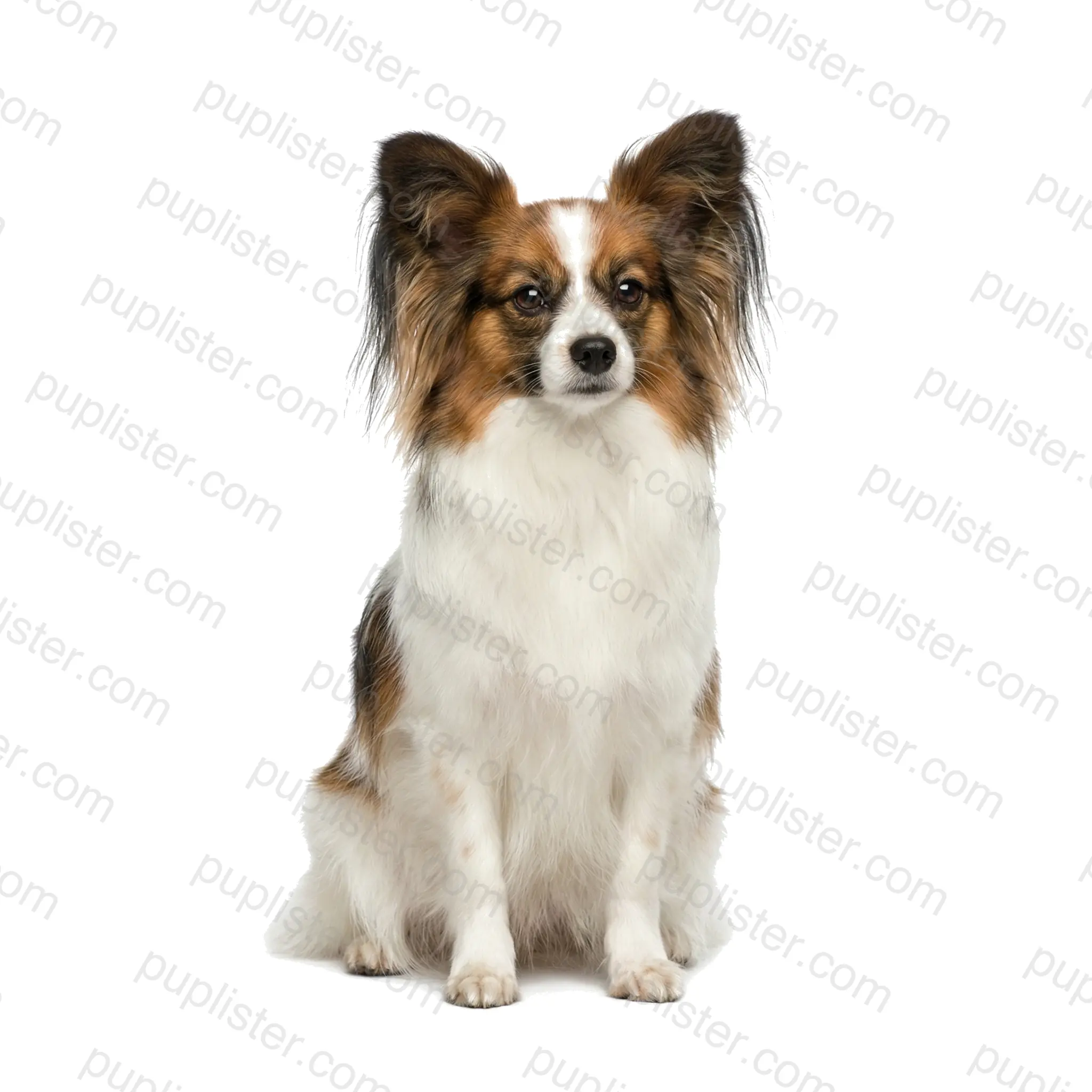
About the Papillon The Papillon — French for "butterfly," referring to its elegant fringed ears — traces its lineage to European toy spaniels depicted in Renaissance paintings as far back as the 16th century. These dainty yet sturdy dogs weigh just 5 to 10 pounds and stand 8 to 11 inches tall, ranking among the smallest of all breeds. Their long, silky, single-layer coat is white with patches of any color, and the breed also has a drop-eared variety known as the Phalène. Temperament & Personality Papillons are remarkably intelligent, lively, and confident — consistently ranked among the top 10 smartest dog breeds despite their diminutive stature. They are friendly and affectionate with their families, though they can be reserved with strangers until properly introduced. Papillons do well with gentle older children but may be too delicate for rough play with toddlers, and they often get along with other pets when socialized early. Pros Exceptionally intelligent and excels in obedience and agility competitionsNo undercoat means less shedding and easier maintenance than many breedsHardy and athletic despite tiny size — enjoys long walks and active playLong lifespan of 14 to 16 years with generally robust health Cons Fragile bone structure makes them vulnerable to injury from falls or rough handlingCan be yappy and difficult to quiet without early trainingSusceptible to patellar luxation, dental issues, and open fontanelsMay develop "small dog syndrome" if not given consistent boundaries Want a tiny dog with big brains and even bigger personality? Discover Papillons looking for homes on Puplister.
8 pets available
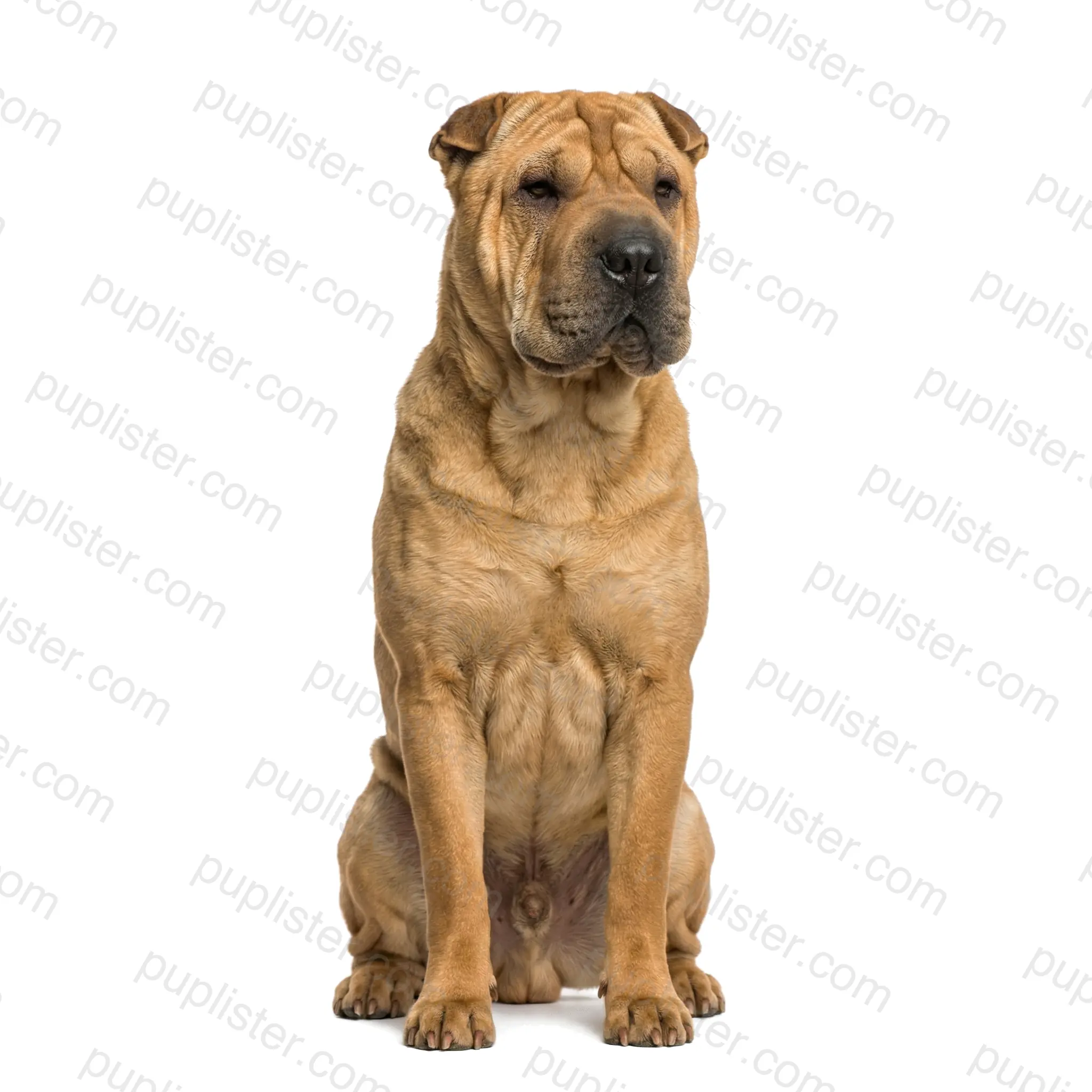
1About the Shar-Pei The Chinese Shar-Pei is an ancient breed dating back over 2,000 years to the Han Dynasty in southern China, where it served as a versatile farm dog — guarding property, herding livestock, and even fighting in pits. These distinctive medium-sized dogs stand 18 to 20 inches tall and weigh 45 to 60 pounds, with a broad, hippopotamus-like muzzle and a blue-black tongue shared only with the Chow Chow. Their loose, deeply wrinkled skin and harsh, sandpaper-textured coat (the name literally means "sand skin") come in solid colors including fawn, red, black, chocolate, blue, and cream. Temperament & Personality Shar-Peis are calm, independent, and deeply devoted to their families — forming powerful bonds while remaining aloof and suspicious of strangers, which makes them excellent natural guardians. They tend to be clean, quiet dogs at home, often compared to cats in their self-sufficient demeanor. However, they can be territorial with other dogs, especially those of the same sex, and early socialization is critical to prevent aggression. Pros Naturally clean and quiet — easily housetrained and rarely barks without causeLoyal and protective without needing guard trainingCalm indoor demeanor suitable for apartment livingUnique, striking appearance that draws admiration everywhere Cons Shar-Pei Fever (autoinflammatory disease) is a serious breed-specific health riskSkin folds require regular cleaning to prevent infections and dermatitisProne to entropion (eyelids rolling inward), ear infections, and hypothyroidismCan be dog-aggressive and requires early, ongoing socialization The Shar-Pei's distinctive looks and devoted nature make it truly unforgettable — find available Shar-Peis on Puplister.
20 pets available
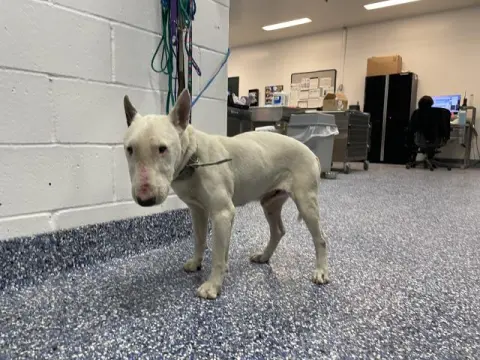
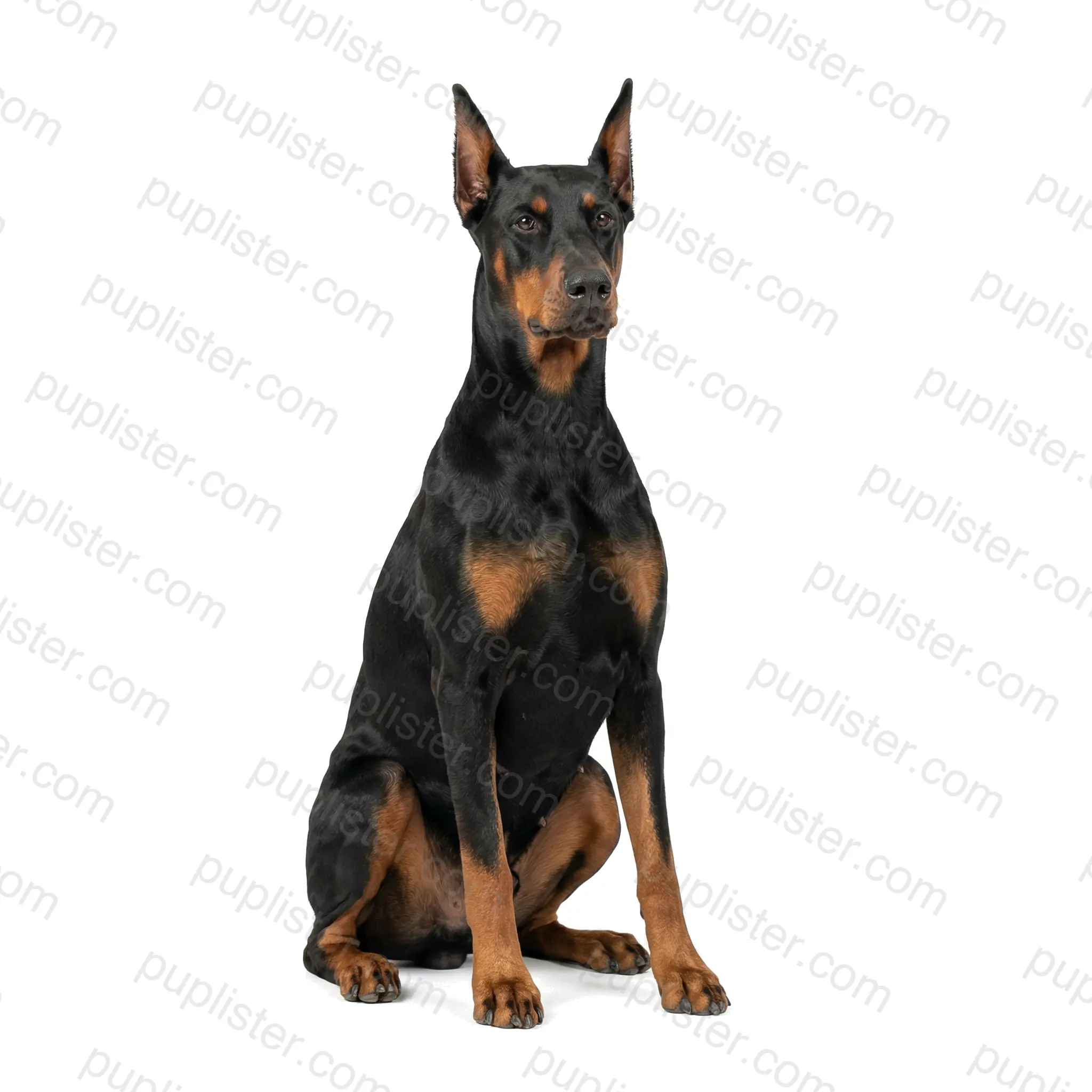
About the Doberman Pinscher Created by German tax collector Karl Friedrich Louis Dobermann in the 1890s, the Doberman Pinscher was engineered to be the ideal personal protection dog — combining speed, strength, intelligence, and unwavering loyalty. Standing 24–28 inches tall and weighing 60–100 pounds, this sleek, powerful breed has a short, smooth coat in black, red, blue, or fawn — always with distinctive rust markings. The Doberman's athletic, wedge-shaped silhouette and alert expression project an air of nobility and capability that few breeds can match.Temperament & PersonalityDobermans are often called "velcro dogs" for their intense devotion to their owners — they want to be by your side at all times and are remarkably attuned to household dynamics. Beneath their imposing exterior lies a sensitive, affectionate dog that thrives on companionship and wilts under harsh treatment. They are naturally protective without being aggressive and are surprisingly gentle and patient with children in their own family.ProsRanked as the 5th most intelligent dog breed — learns new commands in under 5 repetitionsExceptional natural guard dog — protective instincts require no specialized trainingMinimal grooming needs — short coat stays clean with occasional brushingAthletic and versatile — excels in Schutzhund, obedience, agility, and therapy workConsProne to dilated cardiomyopathy — the leading cause of death in the breed, affecting up to 58%Susceptible to von Willebrand's disease, a blood clotting disorderCan develop separation anxiety and destructive behaviors if left alone for long periodsRequires firm, experienced handling — not suitable for passive or first-time ownersLooking for a devoted protector and loyal family companion? Explore Doberman Pinschers on Puplister.
3 pets available
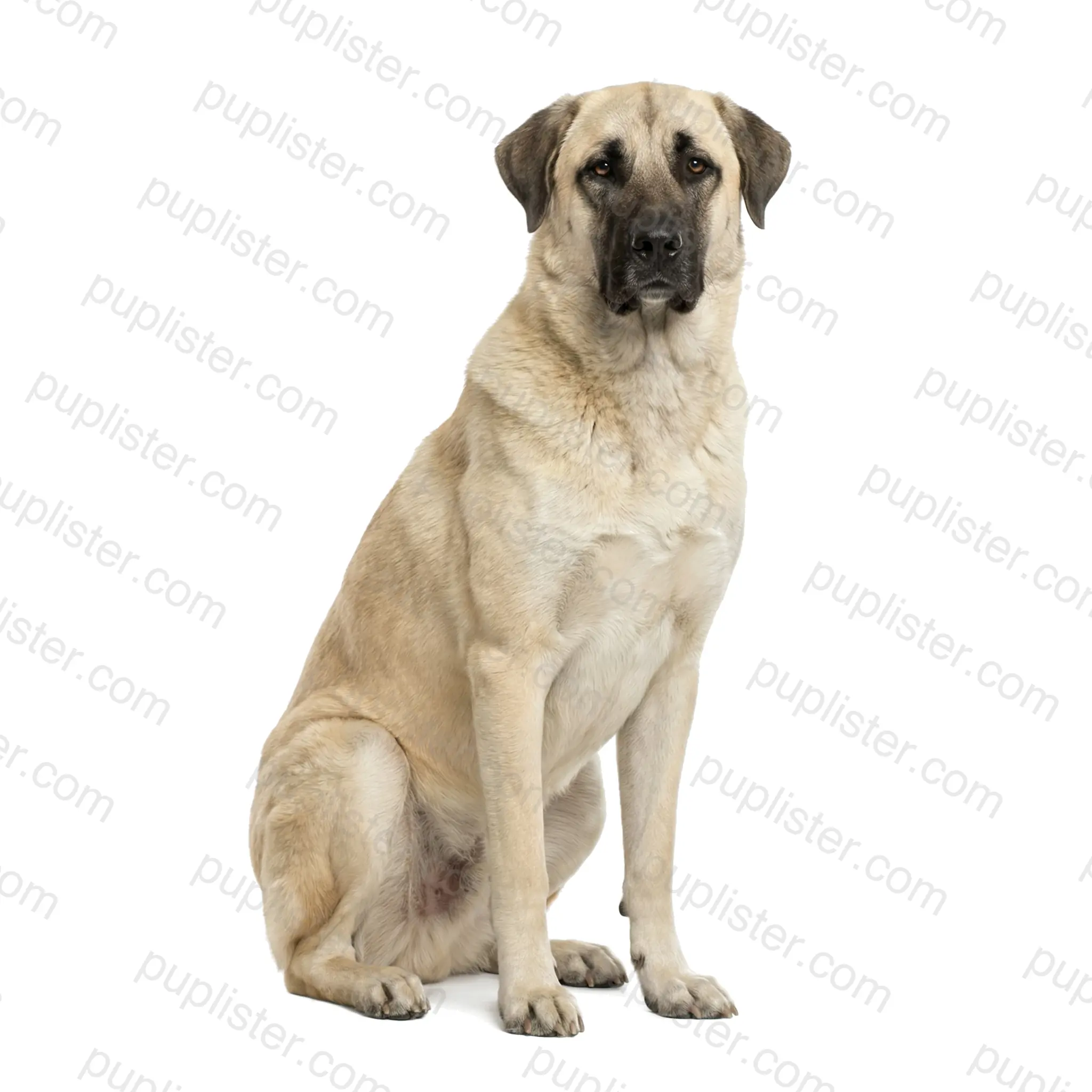
3About the Anatolian Shepherd The Anatolian Shepherd — also known as the Kangal Shepherd Dog — hails from the Anatolian plateau of Turkey, where it has guarded livestock from wolves and bears for thousands of years. This imposing breed stands 27–29 inches tall and weighs 80–150 pounds, with males often exceeding 140 pounds of lean muscle. Their short to medium-length double coat comes in fawn with a distinctive black mask, though brindle, white, and pinto variations also occur.Temperament & PersonalityAnatolian Shepherds are independent, intelligent, and territorial — they were bred to make decisions on their own while guarding flocks, and that self-reliance is deeply ingrained. They are calm and affectionate with their family but reserved and suspicious of strangers, making them exceptional guardian dogs. They can coexist with children and other pets they've been raised with, but their guarding instinct means they need owners who understand livestock guardian breed behavior.ProsSupreme livestock and property guardian — few breeds match their protective instinctsLow-energy indoors despite their size, content to patrol and observeHardy and healthy breed with relatively few genetic health problemsRemarkably low grooming needs for a large-breed dogConsExtremely independent and not naturally inclined to obey commands without questionRequires a large, securely fenced property — not suited for apartment or suburban lifeCan be aggressive toward unfamiliar dogs and people without extensive socializationTheir booming bark — used to ward off predators — can be a problem in residential areasIf you have the space and experience for this magnificent guardian, explore adoptable Anatolian Shepherds on Puplister.
Adopted cat meowing all night? Discover why it happens, how to create a calm environment, and a realistic timeline to quiet nighttime meows.
Is your adopted cat not eating? Learn the causes, from stress to past trauma, and discover practical solutions to get your new feline friend eating again.
Is your new cat hiding and won't come out? It's normal, but proactive steps can help. Learn how to build trust with your shy adopted cat.
Discover how long it takes for a rescue cat to feel at home with our experienced guide, covering the 3-3-3 rule and actionable tips.