Pomeranian Pomeranian

Pomeranian

1
Bold Lively Curious Extroverted

About the Pomeranian

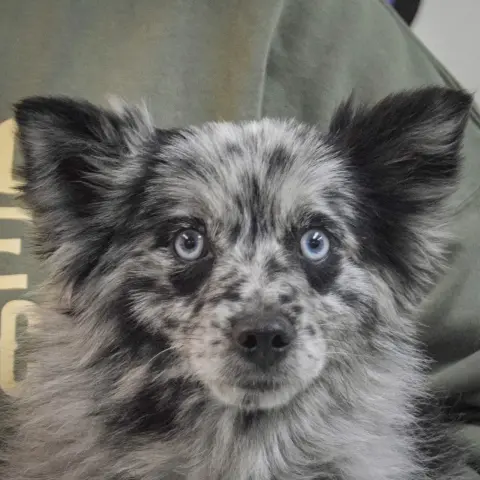
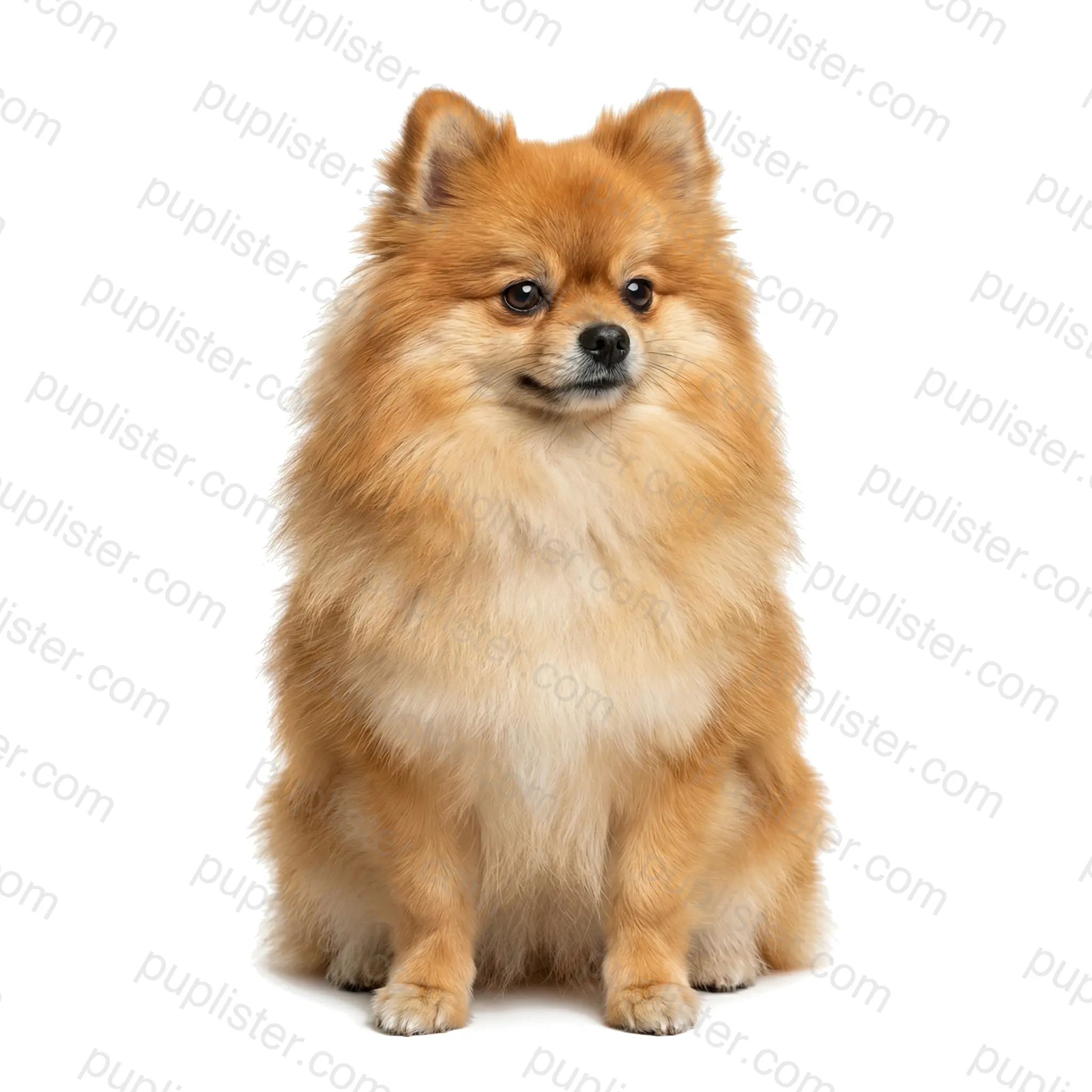
The Pomeranian descends from large sled-pulling spitz dogs of Iceland and Lapland, selectively bred down to toy size in the Pomerania region of northeastern Europe during the 18th and 19th centuries — Queen Victoria famously popularized the smaller variety. These tiny dogs weigh just 3 to 7 pounds and stand 6 to 7 inches tall, yet carry themselves with unmistakable confidence. Their magnificent double coat — a dense undercoat beneath a profuse, standoff outer coat — comes in nearly every color and pattern imaginable, with orange and red being most popular.

Temperament & Personality

Pomeranians are vivacious, bold, and surprisingly commanding for their size — they have no concept of how small they are and will happily try to boss around much larger dogs. They are devoted to their owners and can be excellent companions for singles and seniors, though they may be too fragile and snappy for homes with very young children. Poms are intelligent and curious, learning tricks quickly, but they also have a strong independent streak inherited from their spitz ancestry.

Pros

  • Tiny size makes them ideal for apartment living and travel
  • Alert and vocal watchdog — always aware of surroundings
  • Intelligent and responsive to training with positive methods
  • Long lifespan of 12 to 16 years with proper care

Cons

  • Profuse shedding — the fluffy coat requires brushing several times weekly
  • Prone to luxating patella, tracheal collapse, and severe dental disease
  • Fragile bones easily injured by falls, rough handling, or being stepped on
  • Excessive barking can become a serious behavioral issue without training

These tiny furballs pack enormous personality — find Pomeranians seeking loving homes on Puplister.

Pomeranian Quick Facts

Size
3–7 lbs, 6–7 in
Lifespan
12–16 years
Exercise
Moderate
Grooming
Moderate
Good with Kids
Not recommended
Good with Pets
Yes

Is the Pomeranian right for you?

Answer 5 quick questions to see how well this breed matches your lifestyle.

Take the Quiz

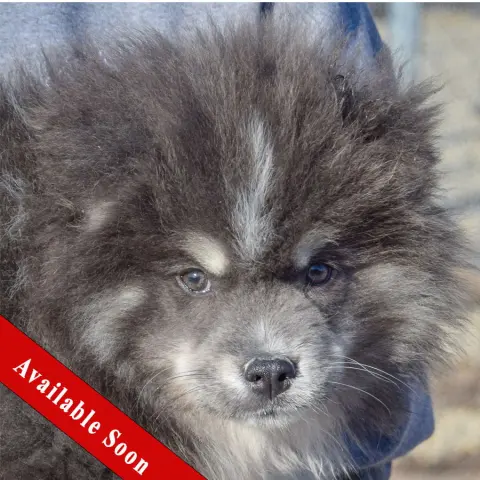
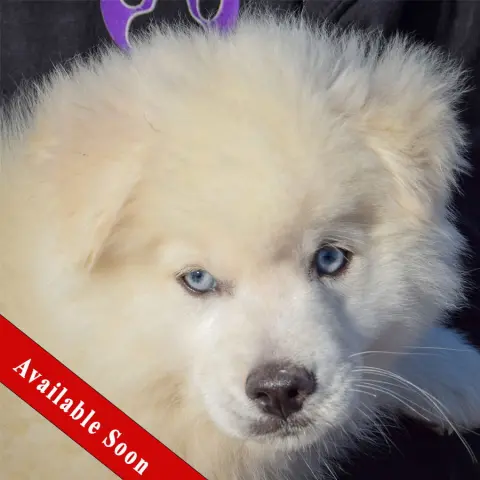
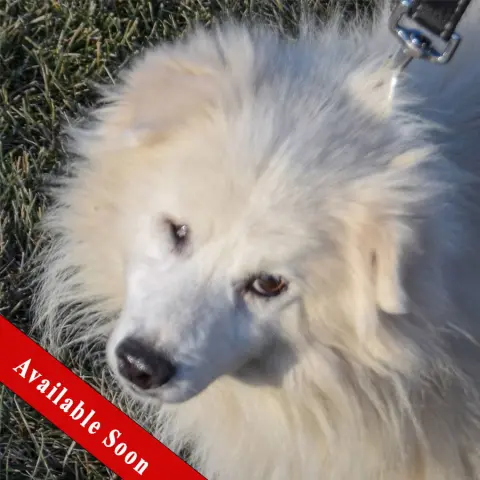
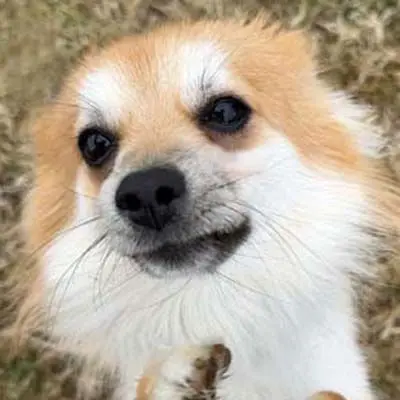
Available Pomeranians

Joy
Adult
Joy
S

Pomeranian

Carolina Poodle Rescue · Pacolet, SC
Daphne
Baby
Daphne
S

Siberian Husky / Pomeranian

Animal House Shelter · Huntley, IL
Pugsley
Baby

Siberian Husky / Pomeranian

Animal House Shelter · Huntley, IL
Chinook
Senior

Pomeranian

Animal House Shelter · Huntley, IL
Wolfie
Young
Wolfie
S

Pomeranian

Oldies But Goodies Cocker Rescue · Arlington, VA
Coraline
Young

Pomeranian

Animal House Shelter · Huntley, IL
Pumpkin
Young

Shetland Sheepdog / Pomeranian

Grateful Dogs Rescue · San Francisco, CA

Related Breeds

Bichon Frise

3 pets available

2

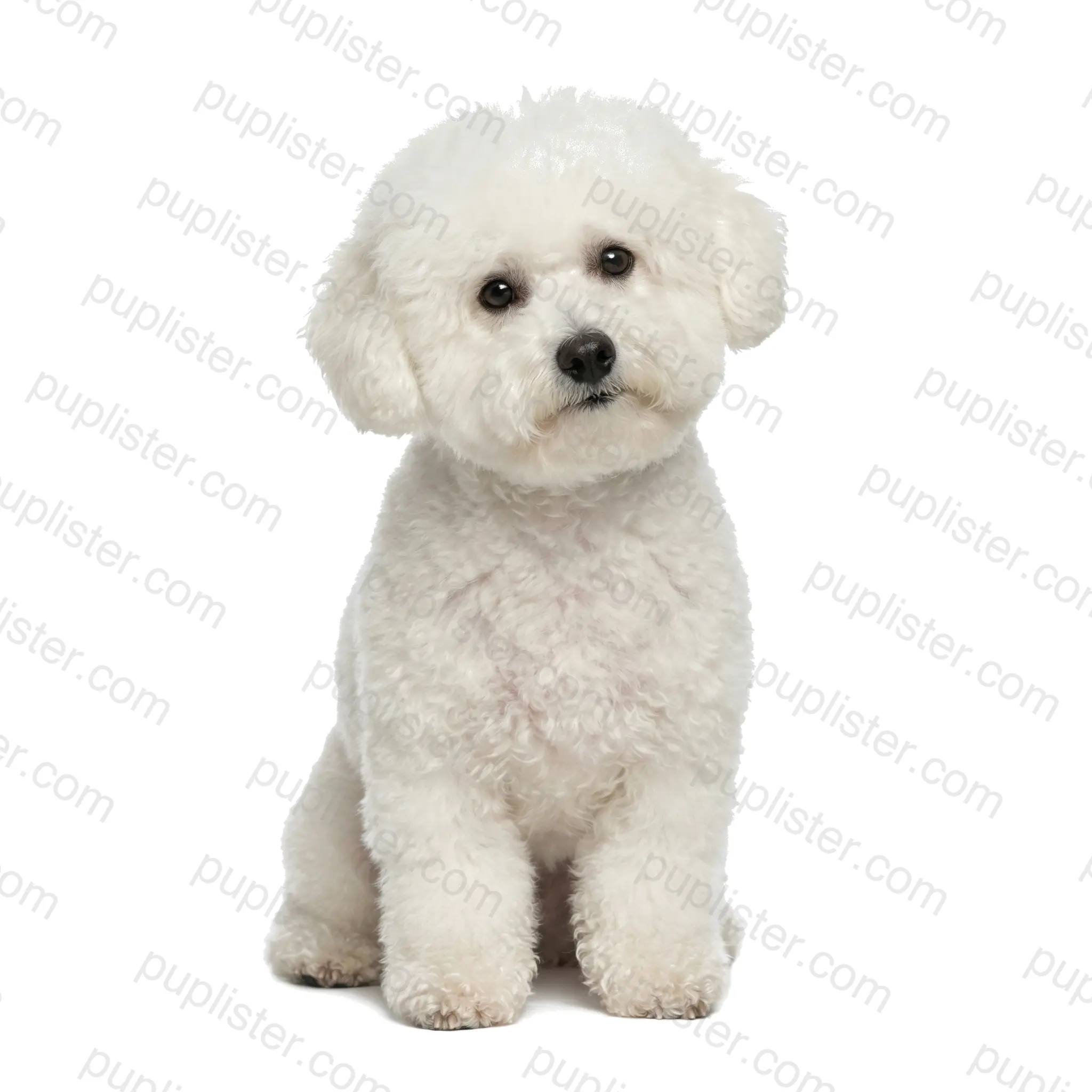
About the Bichon Frise The Bichon Frise is a cheerful, small companion dog with origins tracing to the Mediterranean region — descended from water spaniels and popularized by Spanish, Italian, and French nobility from the 13th century onward. Standing 9.5–11.5 inches tall and weighing 12–18 pounds, the Bichon is a compact, sturdy little dog with a distinctively rounded silhouette. Their hallmark white, powder-puff coat is made up of a soft, dense undercoat and a coarser, curly outer coat that produces minimal shedding but requires professional grooming every 4–6 weeks.Temperament & PersonalityBichons are playful, affectionate, and irrepressibly cheerful — they seem to carry a perpetual smile and have a gift for making everyone around them happy. They thrive on human attention and are excellent with children, seniors, and other pets, adapting easily to various household dynamics. Their social nature means they do not tolerate being left alone for extended periods and may develop separation anxiety.ProsHypoallergenic coat produces minimal dander and virtually no sheddingAdaptable to apartment living — their small size and moderate exercise needs fit urban lifestylesFriendly and sociable with strangers, children, and other animalsCheerful, entertaining personality that brings joy to any householdConsProfessional grooming is essential and can be costly — every 4–6 weeks minimumProne to separation anxiety and may bark excessively or become destructive when left aloneCan be challenging to housebreak — consistent crate training is often necessarySusceptible to patellar luxation, bladder stones, and allergiesA Bichon Frise can brighten even the gloomiest day — find adoptable Bichons on Puplister and add some joy to your life.

Dachshund
Dachshund Dog

37 pets available

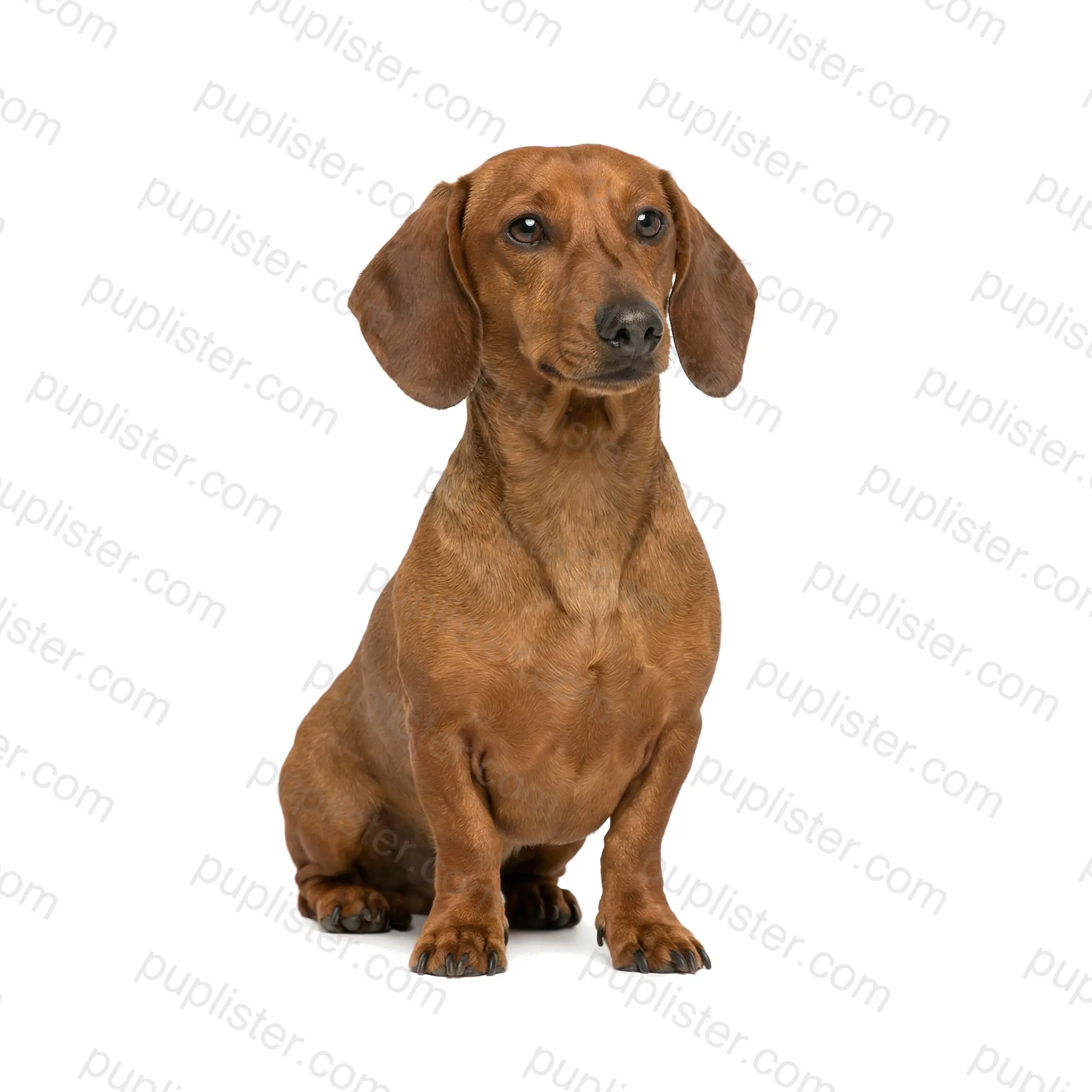
About the Dachshund The Dachshund — affectionately known as the "wiener dog" — was developed in Germany over 300 years ago to hunt badgers in their underground dens, which explains their uniquely elongated body and short, powerful legs. They come in two sizes — Standard (16–32 pounds) and Miniature (under 11 pounds) — and three coat types: smooth, longhaired, and wirehaired, each with its own personality nuances. Their color palette is remarkably varied, including red, black and tan, chocolate, dapple, brindle, and piebald patterns.Temperament & PersonalityDachshunds are bold, clever, and remarkably stubborn — a combination that makes them endlessly entertaining and occasionally infuriating. They're fiercely loyal to their families and can be surprisingly courageous watchdogs, barking with the intensity of a dog three times their size. While affectionate with their people, they can be wary of strangers and may not tolerate rough handling from young children.ProsCompact size and moderate exercise needs make them excellent apartment companionsBold, entertaining personality — constantly amusing their owners with clownish anticsLong lifespan of 12–16 years with proper care and weight managementWirehaired variety sheds minimally and is well-suited for allergy-conscious homesConsExtremely prone to intervertebral disc disease — 1 in 4 will experience back problemsNotoriously difficult to housebreak — often takes 6+ months of consistent trainingStrong prey drive and tunneling instinct — will dig up gardens and chase small animals relentlesslyProne to obesity, which dramatically increases the risk of spinal injuriesCharmed by these spirited little hounds? Find Dachshunds seeking loving homes on Puplister today.

Australian Shepherd

36 pets available

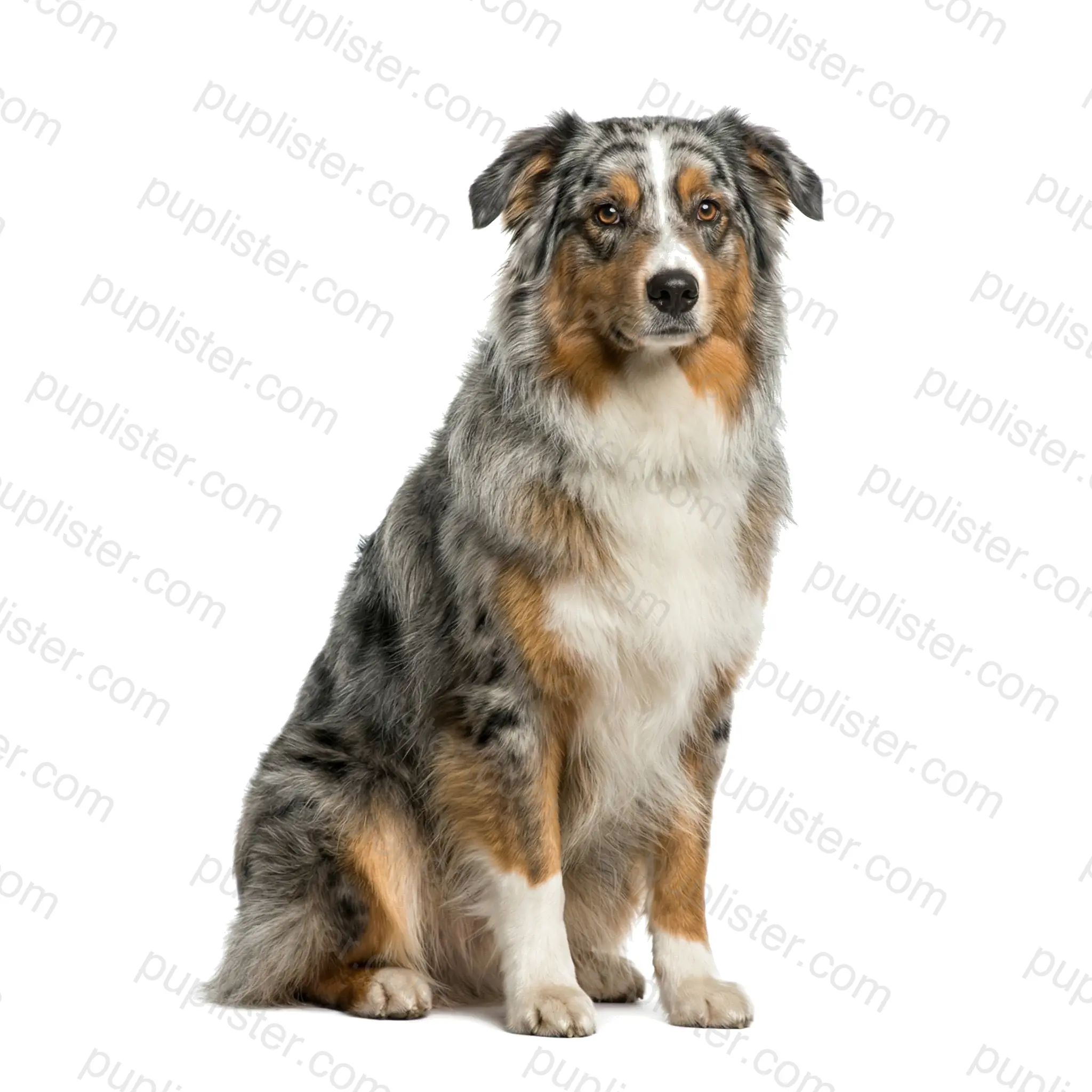
About the Australian Shepherd Despite its name, the Australian Shepherd was actually developed in the western United States during the 19th century, likely from Basque shepherd dogs that passed through Australia on their way to America. These versatile herding dogs stand 18–23 inches tall and weigh 40–65 pounds, with a medium-length double coat that comes in four recognized colors — black, blue merle, red, and red merle — often with striking copper and white markings. Their coats are weather-resistant and require regular brushing to manage moderate-to-heavy shedding.Temperament & PersonalityAustralian Shepherds are brilliant, energetic, and deeply devoted to their families — they thrive when given a purpose and can become anxious or destructive without one. They are excellent with children, often naturally herding and watching over younger family members. Aussies are typically friendly with other dogs but can be reserved with strangers, and their intelligence makes them exceptionally responsive to training.ProsOne of the most intelligent and trainable breeds — excels in agility, flyball, and herdingLoyal and affectionate family companion who bonds closely with all household membersVersatile working dog adaptable to ranch life, sport, or active suburban livingBeautiful, eye-catching coat with striking color variations including heterochromiaConsDemands extensive daily exercise and mental engagement — easily 1–2 hours minimumHeavy shedding, especially during seasonal coat changesMay herd children, cats, and other pets by nipping at heelsProne to epilepsy, hip dysplasia, and the MDR1 gene mutation affecting drug sensitivityAussies are incredible partners for active families — discover adoptable Australian Shepherds waiting for you on Puplister.

Border Terrier

4 pets available

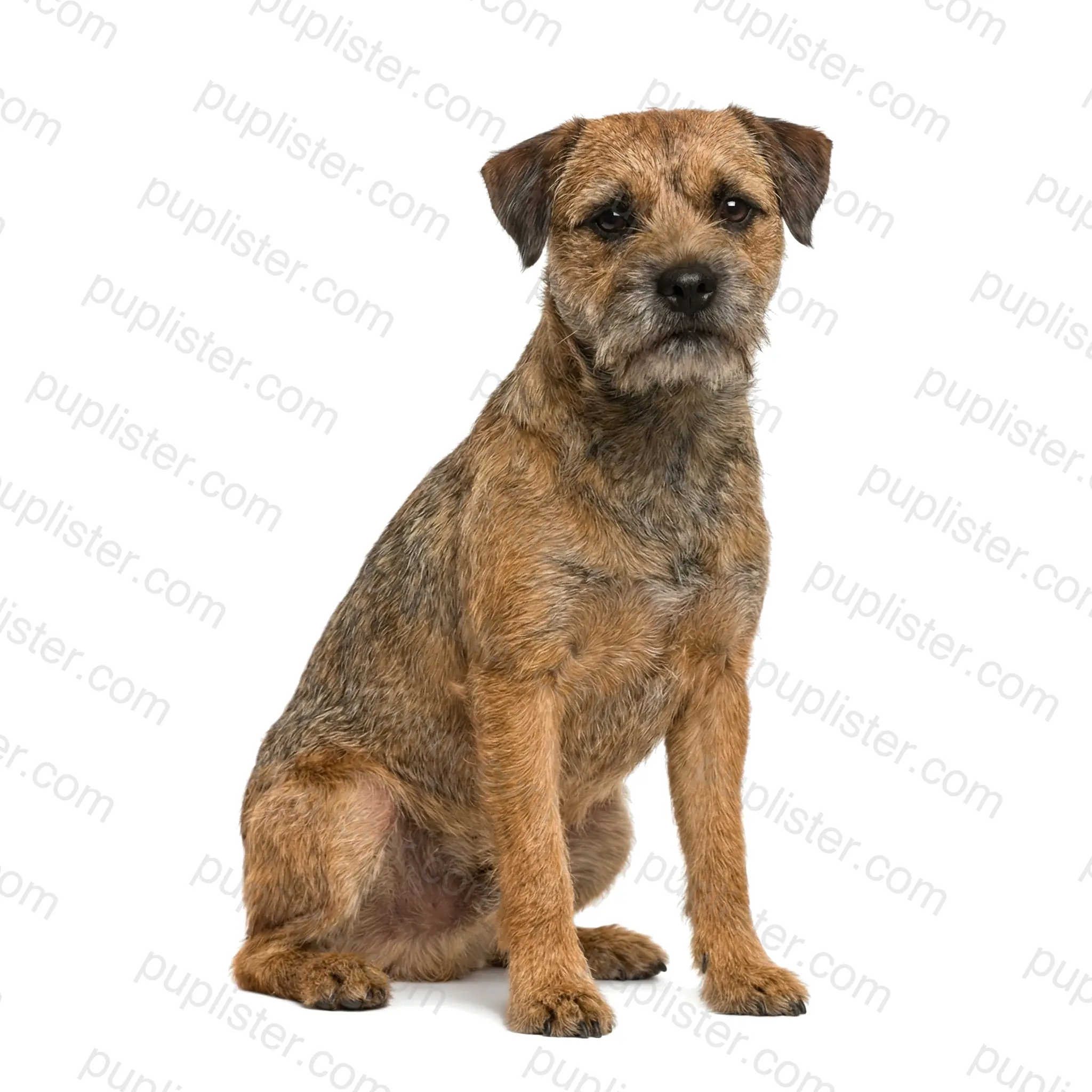
About the Border Terrier The Border Terrier hails from the border country between England and Scotland, where it was bred to bolt foxes from their dens while keeping pace with mounted hunters and their hounds. One of the smaller terrier breeds, it stands 12–15 inches tall and weighs 11.5–15.5 pounds, with a compact, narrow body designed to squeeze into fox burrows. Their distinctive otter-shaped head and wiry, weather-resistant double coat — which comes in red, grizzle-and-tan, blue-and-tan, or wheaten — give them a charmingly scruffy appearance.Temperament & PersonalityBorder Terriers are affectionate, plucky, and adaptable — they have all the tenacity of a terrier but with a softer, more biddable temperament that makes them excellent family companions. They are good with children and generally get along better with other dogs than many terrier breeds. However, their strong prey drive means they cannot be trusted around small animals like hamsters, rabbits, or guinea pigs.ProsAdaptable to both country and city living — they adjust well to apartments with adequate exerciseMore trainable and less confrontational than many terrier breedsLow-shedding wiry coat that requires only periodic hand-strippingRobust and healthy with a long lifespan of 12–15 yearsConsStrong prey drive — they will chase squirrels, cats, and small animals relentlesslyCan be expert diggers and escape artists if left in a yard unsupervisedHand-stripping the coat is time-consuming, and clipping changes the coat texture permanentlyProne to canine epileptoid cramping syndrome (Spike's disease) and heart defectsThese scrappy, lovable terriers make wonderful companions — discover adoptable Border Terriers on Puplister.

Related Articles

Frequently Asked Questions

What are the key traits of a Pomeranian?
The Pomeranian is known for being bold, lively, curious and extroverted.
How many Pomeranians are available for adoption?
There are currently 7 Pomeranians available for adoption on Puplister. Browse the listings above to find your perfect match.
How do I adopt a Pomeranian from Puplister?
To adopt a Pomeranian, browse the available listings on this page, click on a pet you're interested in, and contact the shelter directly through their profile page.