Poodle Poodle

Poodle

2
Intelligent Active Proud Elegant

About the Poodle

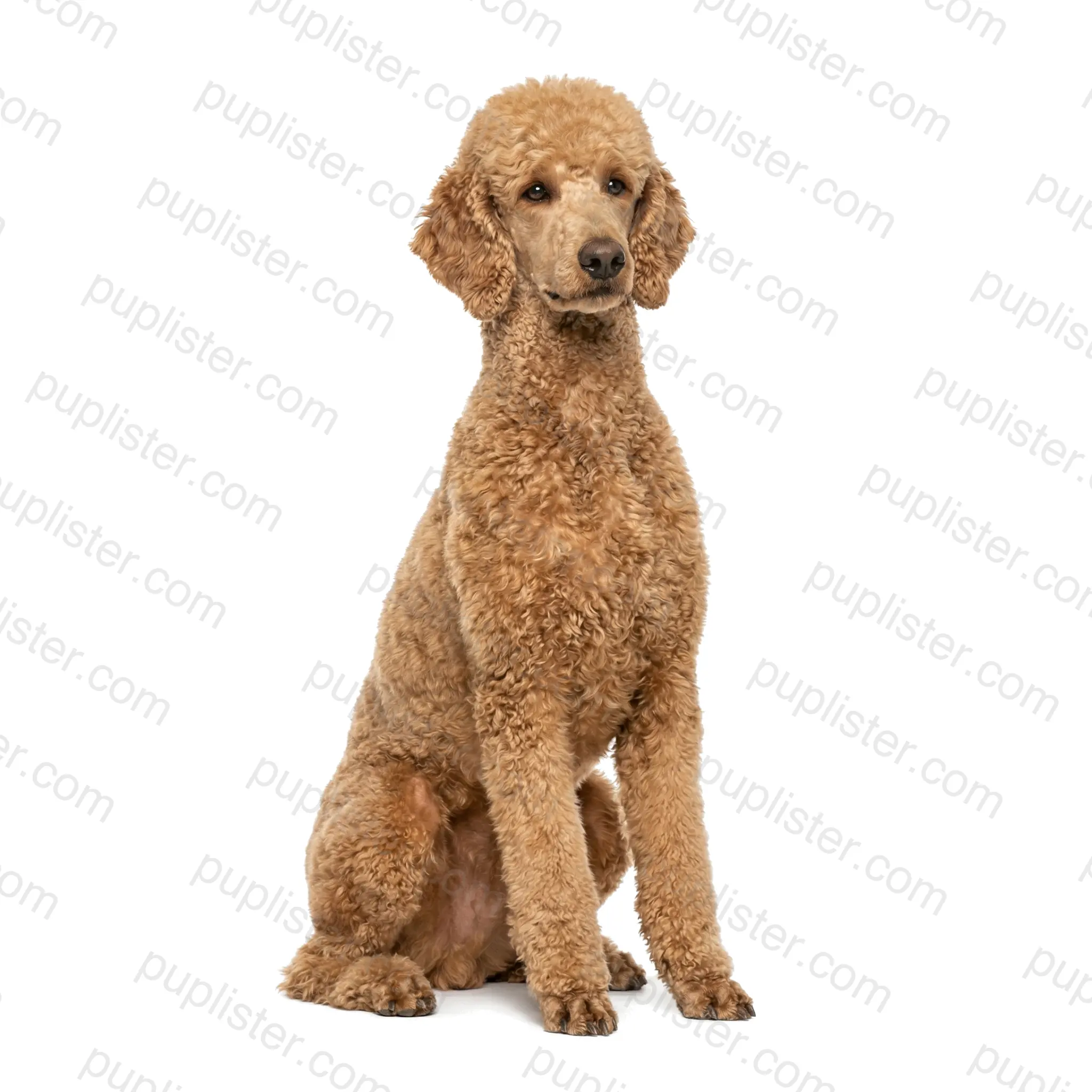
The Poodle — despite its association with France — likely originated in Germany as a water retriever, with the name derived from the German "pudeln" meaning "to splash." The breed comes in three AKC-recognized sizes: Standard (over 15 inches, 40 to 70 pounds), Miniature (10 to 15 inches, 10 to 15 pounds), and Toy (under 10 inches, 4 to 6 pounds). Their dense, curly, single-layer coat is virtually non-shedding and comes in a wide array of solid colors including white, black, apricot, silver, blue, and café au lait.

Temperament & Personality

Poodles are among the most intelligent dog breeds in the world — ranked second only to the Border Collie — with an exceptional ability to learn commands and solve problems. All three sizes are active, proud, and eager to please, forming strong bonds with their families and excelling in virtually every canine sport and discipline. They are generally good with children and other pets, with Standards being the most laid-back and Toys tending to be the most sensitive.

Pros

  • Non-shedding coat produces less dander — widely recommended for allergy sufferers
  • Exceptionally intelligent and versatile — excels in obedience, agility, and therapy work
  • Three size varieties allow matching to nearly any living situation
  • Athletic and energetic with excellent longevity across all sizes

Cons

  • Coat requires professional grooming every 4 to 6 weeks without exception
  • Prone to hip dysplasia (Standards), epilepsy, and Addison's disease
  • Can develop separation anxiety and neurotic behaviors without mental stimulation
  • Sensitive temperament requires gentle, consistent training methods

Whether you prefer Standard, Miniature, or Toy — your perfect Poodle match could be on Puplister right now.
Poodle Quick Facts

Size
6–70 lbs, 10–22 in
Lifespan
12–15 years
Exercise
Moderate
Grooming
High
Good with Kids
Yes
Good with Pets
Yes

Is the Poodle right for you?

Answer 5 quick questions to see how well this breed matches your lifestyle.

Take the Quiz

Available Poodles

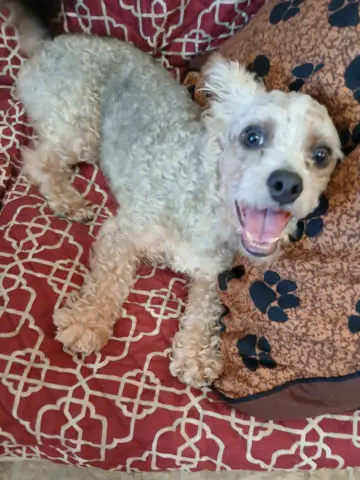
Scotty
Young
Scotty
S

Poodle / Havanese

Arizona Humane Society · Phoenix, AZ
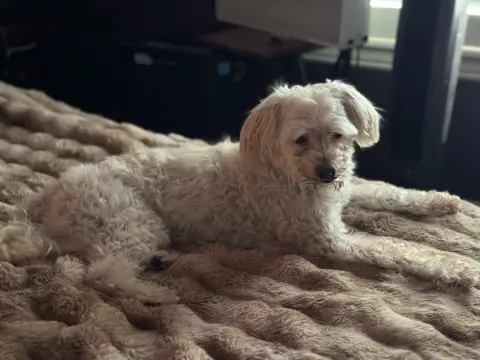
Teddy
Adult
Teddy
M

Poodle

Wish Bone Canine Rescue · Normal, IL
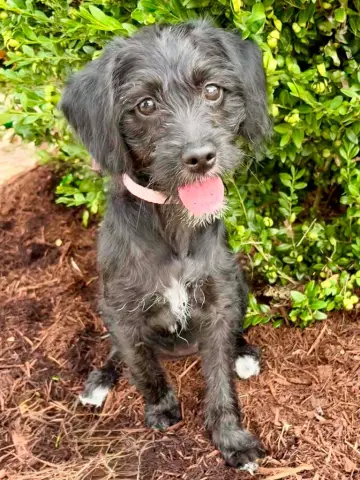
Remi
Adult
Remi
M

Labrador Retriever / Poodle

Dog Star Rescue · Canton, CT
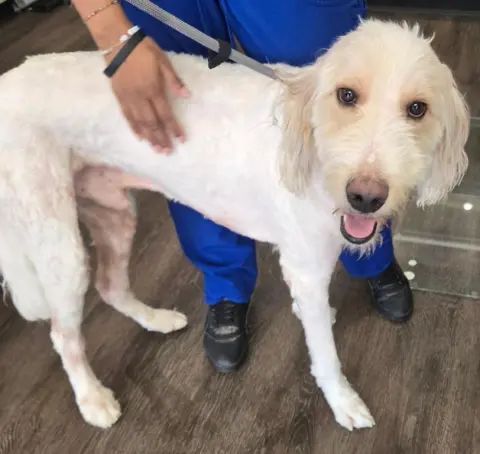
Buddy
Adult
Buddy
M

Poodle

Humane Society Of Broward County · Fort Lauderdale, FL
Pepe
Young
Pepe
S

Poodle / Maltese

Roxy's K-9 Rescue · San Antonio, TX

Related Breeds

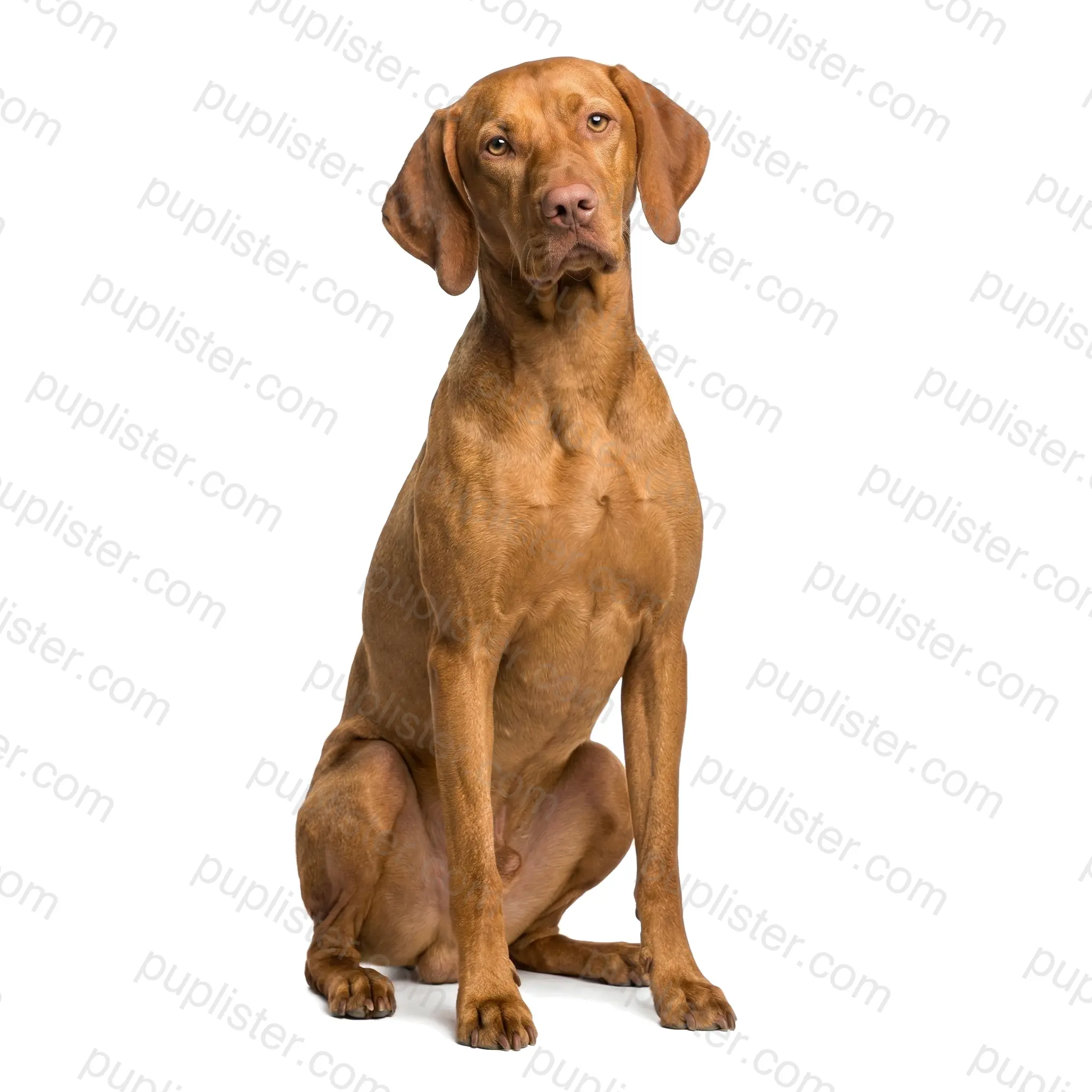
German Shorthaired Pointer

2 pets available

About the German Shorthaired Pointer The German Shorthaired Pointer — or GSP — was developed in 19th-century Germany as the ultimate versatile hunting dog, capable of pointing, retrieving, and tracking game on land and in water. Standing 21–25 inches tall and weighing 45–70 pounds, this athletic breed has a short, dense, water-repellent coat in distinctive liver and white patterns — solid liver, liver and white ticked, liver and white patched, or liver roan. Their streamlined, muscular build and noble head profile reflect generations of careful breeding for both form and function.Temperament & PersonalityGerman Shorthaired Pointers are enthusiastic, affectionate, and virtually tireless — they approach every activity with full commitment and boundless energy. They are wonderful family dogs that thrive on inclusion in all household activities and are genuinely good-natured with children and other dogs. However, their intensity and need for purpose mean they are not suited to sedentary households — a bored GSP can become remarkably destructive.ProsOne of the most versatile sporting dogs — hunts, swims, runs, and retrieves with equal proficiencyEasy-care coat that sheds moderately and requires only weekly brushingFriendly and affectionate with family — forms strong bonds with every household memberExcellent health and longevity for a large breed — typically 12–14 yearsConsExtremely high energy — needs 1–2 hours of vigorous exercise daily at minimumStrong prey drive makes them unreliable off-leash and dangerous around cats and small petsCan be jumpy and mouthy during adolescence — takes 2–3 years to fully matureProne to separation anxiety and will howl, dig, and chew if left alone too longActive families and outdoor enthusiasts — your ideal companion awaits among GSPs on Puplister.

Cairn Terrier

5 pets available

1

About the Cairn Terrier The Cairn Terrier is one of Scotland's oldest working terrier breeds, originally developed in the Scottish Highlands and Islands to root out foxes, badgers, and other vermin from rock cairns and burrows. Standing 9.5–10 inches tall and weighing 13–14 pounds, the Cairn is a small but hardy dog with a wide head, compact body, and sturdy legs built for digging. Their weather-resistant double coat — a harsh, shaggy outer coat over a soft undercoat — comes in cream, wheaten, red, sandy, gray, and brindle, and requires regular brushing and periodic hand-stripping.Temperament & PersonalityCairn Terriers are spirited, independent, and fearlessly curious — they approach the world with a terrier's characteristic boldness and an irrepressible zest for life. They are affectionate and loyal with their families, good with older children, and adaptable to various living situations. However, they retain strong prey drive and digging instincts, and they can be assertive with other dogs despite their small size — they seem entirely unaware of how tiny they actually are.ProsHardy, long-lived breed with a lifespan of 13–15 yearsAdaptable to apartment living — small enough for any space with adequate exerciseAlert and vocal enough to serve as an excellent watchdogLow-shedding coat when properly maintained through hand-strippingConsTenacious digger — they will excavate gardens, flower beds, and lawns with enthusiasmCan be stubborn and independent, requiring patient, creative training approachesStrong prey drive makes them unreliable around small pets like hamsters and rabbitsProne to portosystemic liver shunt, cataracts, and globoid cell leukodystrophyThe spirited Cairn Terrier — Toto's breed from The Wizard of Oz — could be your next adventure companion. Browse adoptable Cairn Terriers on Puplister.

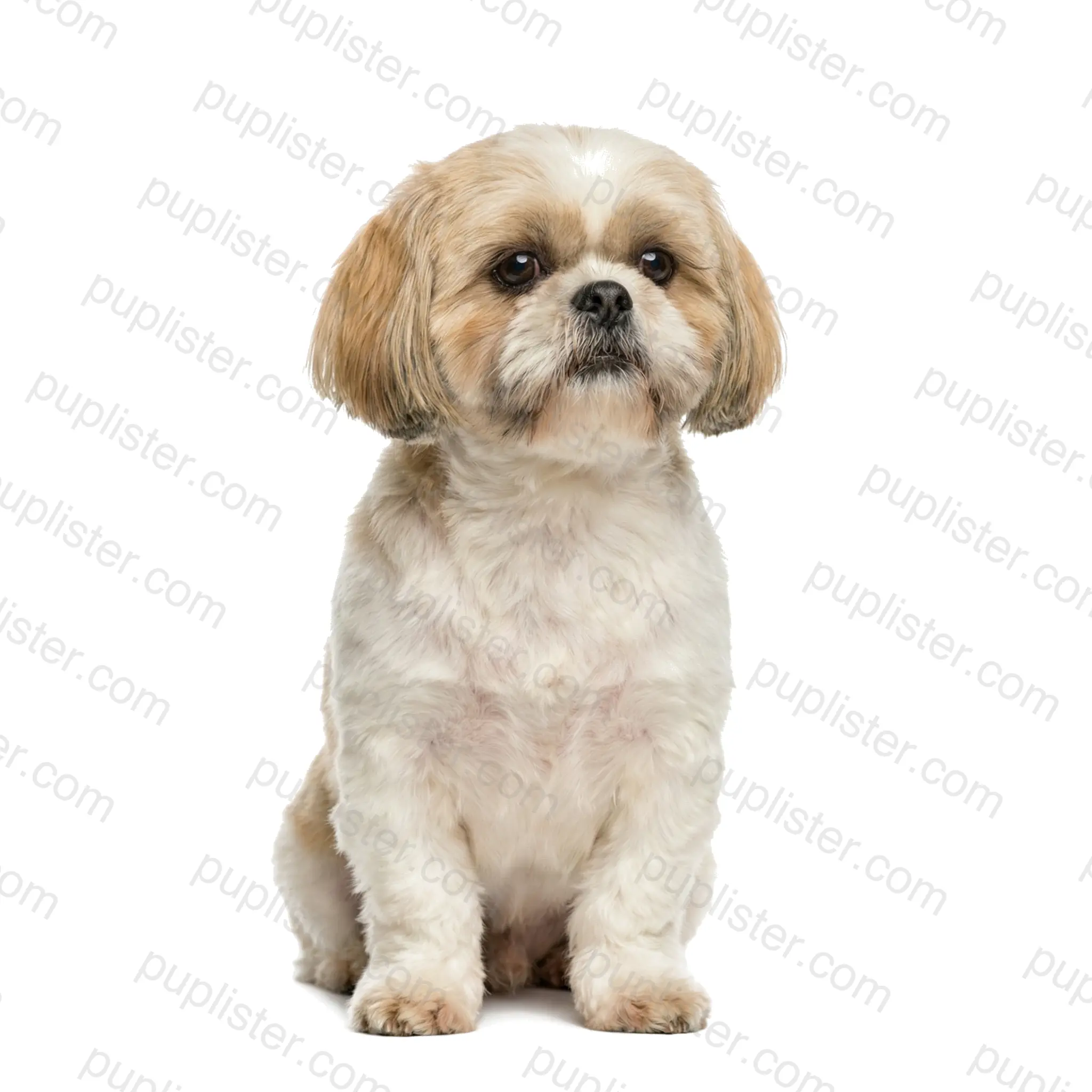
Havanese
Havanese Dog

4 pets available

1

About the Havanese The Havanese — Cuba's only native breed — descended from the now-extinct Blanquito de la Habana and was the cherished lapdog of Havana's aristocracy for centuries before Cuban refugees brought them to America in the 1960s. Standing 8.5–11.5 inches tall and weighing 7–13 pounds, these small but sturdy dogs have a long, silky, lightweight coat that comes in every color imaginable — including white, cream, gold, black, silver, chocolate, and various parti-color combinations. Their coat is designed to insulate against tropical heat rather than cold, giving it a uniquely airy, flowing quality.Temperament & PersonalityHavanese are cheerful, outgoing, and deeply people-oriented — natural entertainers who thrive on being the center of attention. They are remarkably adaptable and sociable, getting along effortlessly with children, other dogs, cats, and even strangers who receive a warm, tail-wagging welcome. Their playful, clownish nature and expressive faces make them exceptional companion dogs — they're sometimes called "velcro dogs" for their habit of following their owners everywhere.ProsLow-shedding coat is well-suited for allergy-sensitive householdsExcellent with children and other pets — gentle, patient, and playfulHighly trainable and eager to please — respond well to positive reinforcementAdaptable to any living situation — equally happy in apartments or homes with yardsConsLong coat requires daily brushing and regular professional grooming to prevent mattingProne to severe separation anxiety — can become destructive or develop excessive barking when left aloneSusceptible to patellar luxation, cataracts, and Legg-Calve-Perthes diseaseCan be difficult to housebreak — small bladder and sensitive temperament complicate trainingBring the sunshine of Havana into your home — find Havanese dogs waiting for families on Puplister.

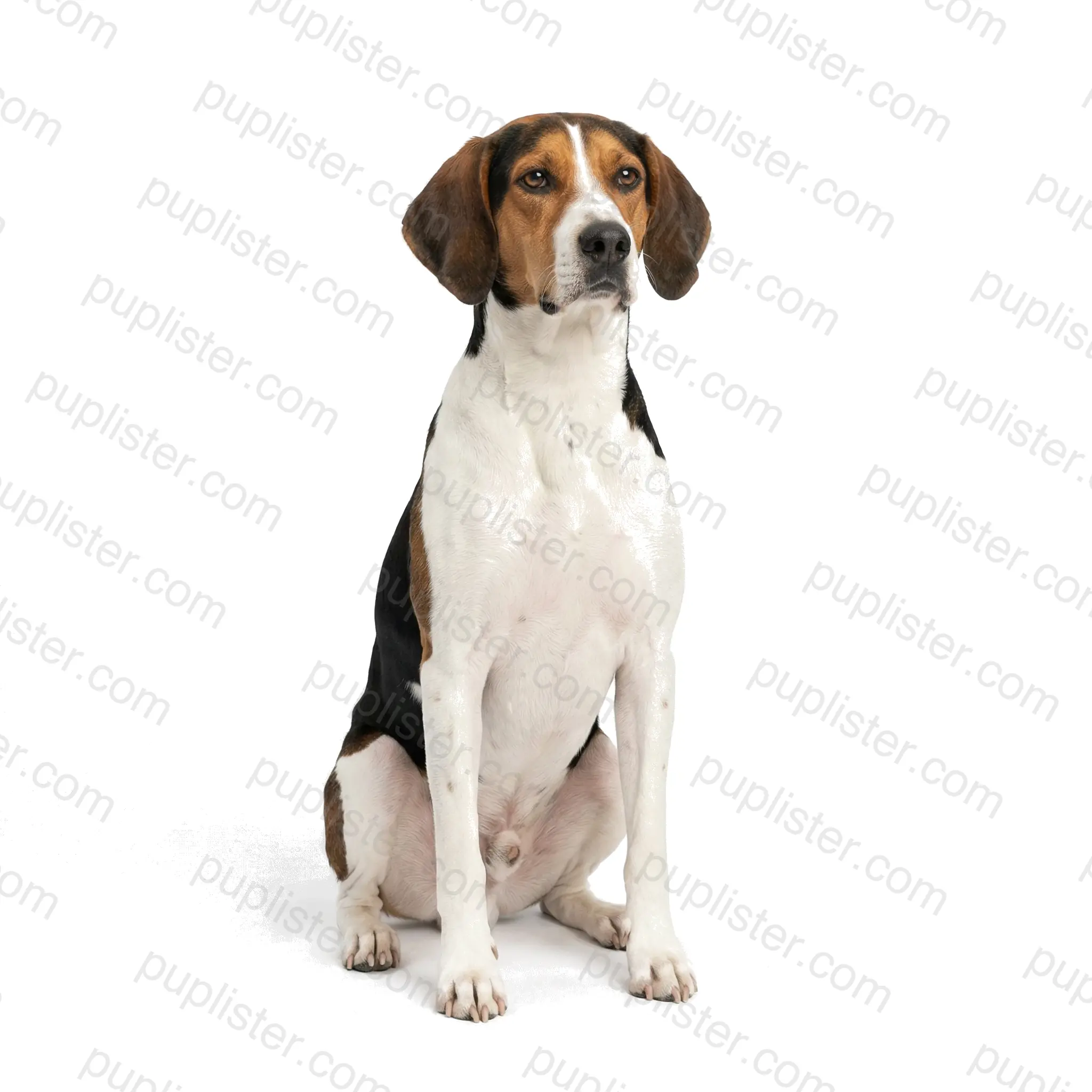
Treeing Walker Coonhound

9 pets available

2

About the Treeing Walker Coonhound The Treeing Walker Coonhound was developed in the United States from Walker Foxhounds in the mid-20th century, selectively bred for their exceptional ability to trail game and "tree" raccoons by chasing them up a tree and baying until the hunter arrives. These elegant, athletic hounds stand 20 to 27 inches tall and weigh 50 to 70 pounds, with a lean, muscular build and the classic tricolor pattern — white, black, and tan — reminiscent of their foxhound ancestry. Their short, smooth coat is dense and protective, well-suited for long hours working through brush and rough terrain. Temperament & Personality Treeing Walker Coonhounds are confident, intelligent, and affable — possessing a friendly, sociable nature that makes them enjoyable companions both in the field and at home. They are gentle with children, typically welcoming to strangers, and usually get along well with other dogs, especially those they've been raised with. Their hunting instincts run deep, however, and they can switch from couch potato to tireless tracker the moment an interesting scent crosses their path. Pros Friendly, easygoing temperament — excellent with families and other dogsLow-maintenance coat needing only weekly brushingSuperb endurance for hiking, running, and outdoor adventuresGenerally healthy breed with a lifespan of 12 to 13 years Cons Extremely vocal — loud baying and howling are a defining breed traitPowerful scent drive makes off-leash reliability very challengingRequires substantial daily exercise — bored Walkers can be destructiveProne to ear infections and hip dysplasia Treeing Walker Coonhounds bring athletic grace and a sweet disposition to any home — explore available listings on Puplister.

Related Articles

Frequently Asked Questions

What are the key traits of a Poodle?
The Poodle is known for being intelligent, active, proud and elegant.
How many Poodles are available for adoption?
There are currently 29 Poodles available for adoption on Puplister. Browse the listings above to find your perfect match.
How do I adopt a Poodle from Puplister?
To adopt a Poodle, browse the available listings on this page, click on a pet you're interested in, and contact the shelter directly through their profile page.