Why Does My Cat Throw Up After Eating? Causes
Worried about your cat throwing up after eating? Learn the common and serious causes of feline regurgitation and vomiting, plus expert vet tips for.
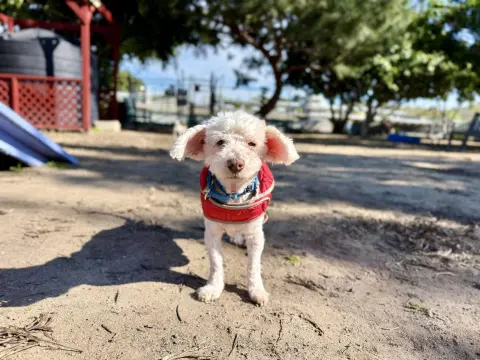
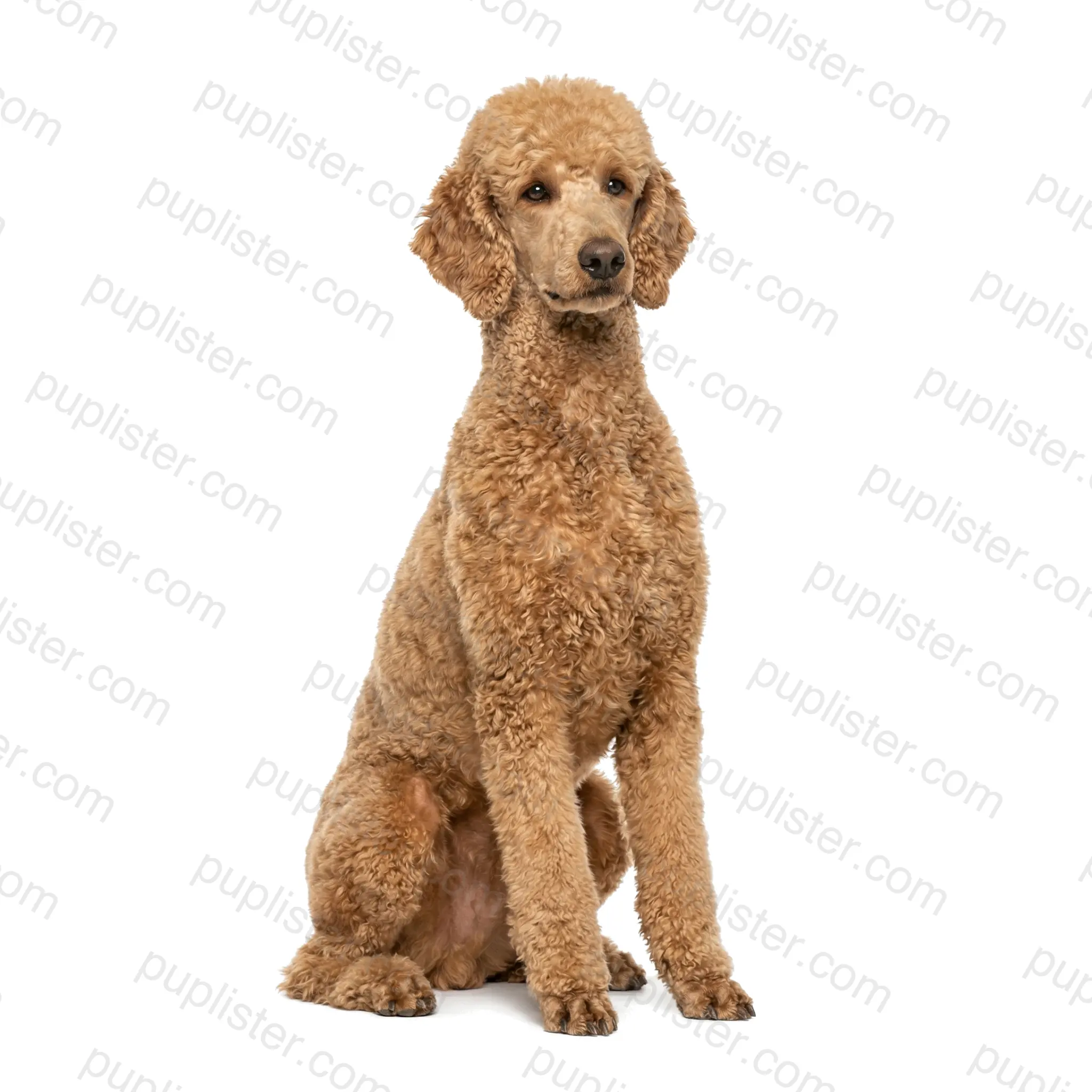
The Poodle — despite its association with France — likely originated in Germany as a water retriever, with the name derived from the German "pudeln" meaning "to splash." The breed comes in three AKC-recognized sizes: Standard (over 15 inches, 40 to 70 pounds), Miniature (10 to 15 inches, 10 to 15 pounds), and Toy (under 10 inches, 4 to 6 pounds). Their dense, curly, single-layer coat is virtually non-shedding and comes in a wide array of solid colors including white, black, apricot, silver, blue, and café au lait.
Poodles are among the most intelligent dog breeds in the world — ranked second only to the Border Collie — with an exceptional ability to learn commands and solve problems. All three sizes are active, proud, and eager to please, forming strong bonds with their families and excelling in virtually every canine sport and discipline. They are generally good with children and other pets, with Standards being the most laid-back and Toys tending to be the most sensitive.
Whether you prefer Standard, Miniature, or Toy — your perfect Poodle match could be on Puplister right now.
Answer 5 quick questions to see how well this breed matches your lifestyle.
31 pets available
46About the Staffordshire Bull Terrier The Staffordshire Bull Terrier was developed in 19th-century England's Staffordshire region from crosses between Bulldogs and various terriers, originally bred for bull-baiting and later as a compact, agile fighting dog — a history that belies its true nature as a devoted family companion. These muscular, athletic dogs stand 14 to 16 inches tall and weigh 24 to 38 pounds, packed with surprising strength and agility in a compact frame. Their smooth, short coat comes in red, fawn, white, black, blue, or brindle — with or without white markings. Temperament & Personality Staffordshire Bull Terriers are affectionate, courageous, and remarkably gentle with people — earning the nickname "nanny dog" in England for their extraordinary patience and devotion to children. They adore human companionship, are playful well into adulthood, and form intensely loyal bonds with their families. While they can be assertive with other dogs, proper socialization from puppyhood typically produces a confident, well-adjusted adult that gets along with everyone. Pros Exceptionally affectionate and gentle with children and family membersCompact, muscular build well-suited for smaller homes and apartmentsLow-maintenance coat requiring only occasional brushingBrave and loyal — a devoted companion that thrives on human interaction Cons Can be dog-aggressive without careful socialization and managementBreed-specific legislation and housing restrictions in many jurisdictionsProne to hip and elbow dysplasia, L-2 hydroxyglutaric aciduria, and cataractsStrong and powerful — requires owners who can provide firm, consistent leadership Staffies are among the most devoted family dogs in existence — find a Staffordshire Bull Terrier on Puplister and see for yourself.
4 pets available
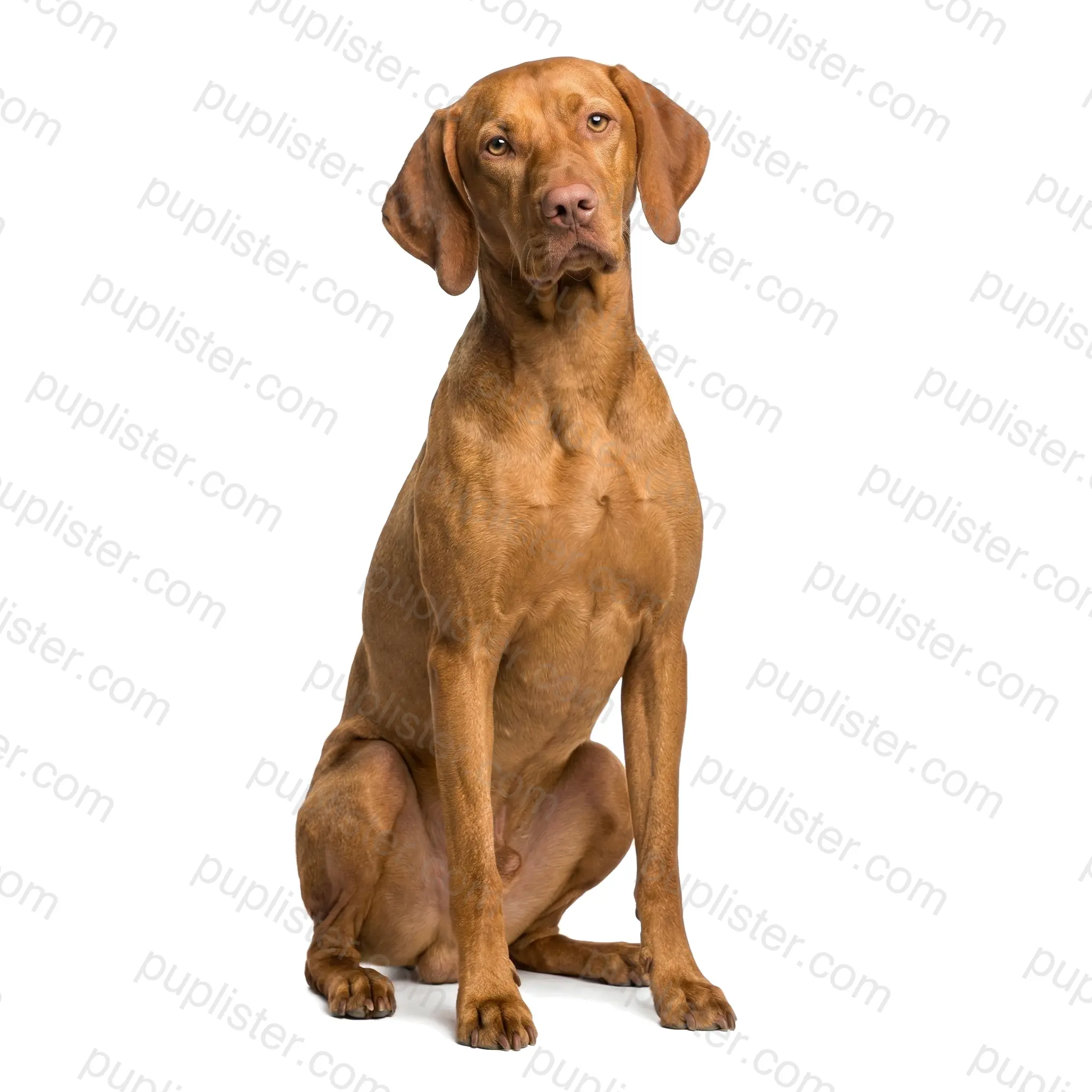
12About the Vizsla The Vizsla is Hungary's national dog, with origins tracing back over 1,000 years to the Magyar tribes who settled the Carpathian Basin and needed a versatile pointer-retriever for the plains. These lean, athletic dogs stand 21 to 24 inches tall and weigh 44 to 60 pounds, with a distinctively sleek, muscular build and an elegant, ground-covering gait. Their short, smooth coat comes exclusively in various shades of golden rust — from sandy gold to deep russet — with no undercoat, giving them a clean, low-maintenance appearance. Temperament & Personality Vizslas are affectionate, energetic, and extraordinarily people-oriented — often called "Velcro dogs" because they want to be in constant physical contact with their owners. They are gentle and patient with children, friendly with other dogs, and possess a sensitivity that makes them responsive to their family's moods. Vizslas form such intense bonds that they can suffer severe separation anxiety if left alone regularly — they truly need to be included in daily family life. Pros Exceptionally affectionate and forms deep, devoted bonds with familyVersatile athlete — excels in hunting, agility, dock diving, and trackingLow-maintenance coat with minimal shedding and no doggy odorGentle, sensitive nature makes them excellent therapy dogs Cons Severe separation anxiety — cannot tolerate being left alone for long periodsExtremely high exercise needs — requires 1 to 2 hours of vigorous activity dailyProne to epilepsy, hip dysplasia, and lymphosarcomaThin coat and low body fat make them uncomfortable in cold weather If you want a devoted, athletic companion who'll never leave your side, find your Vizsla on Puplister.
8 pets available
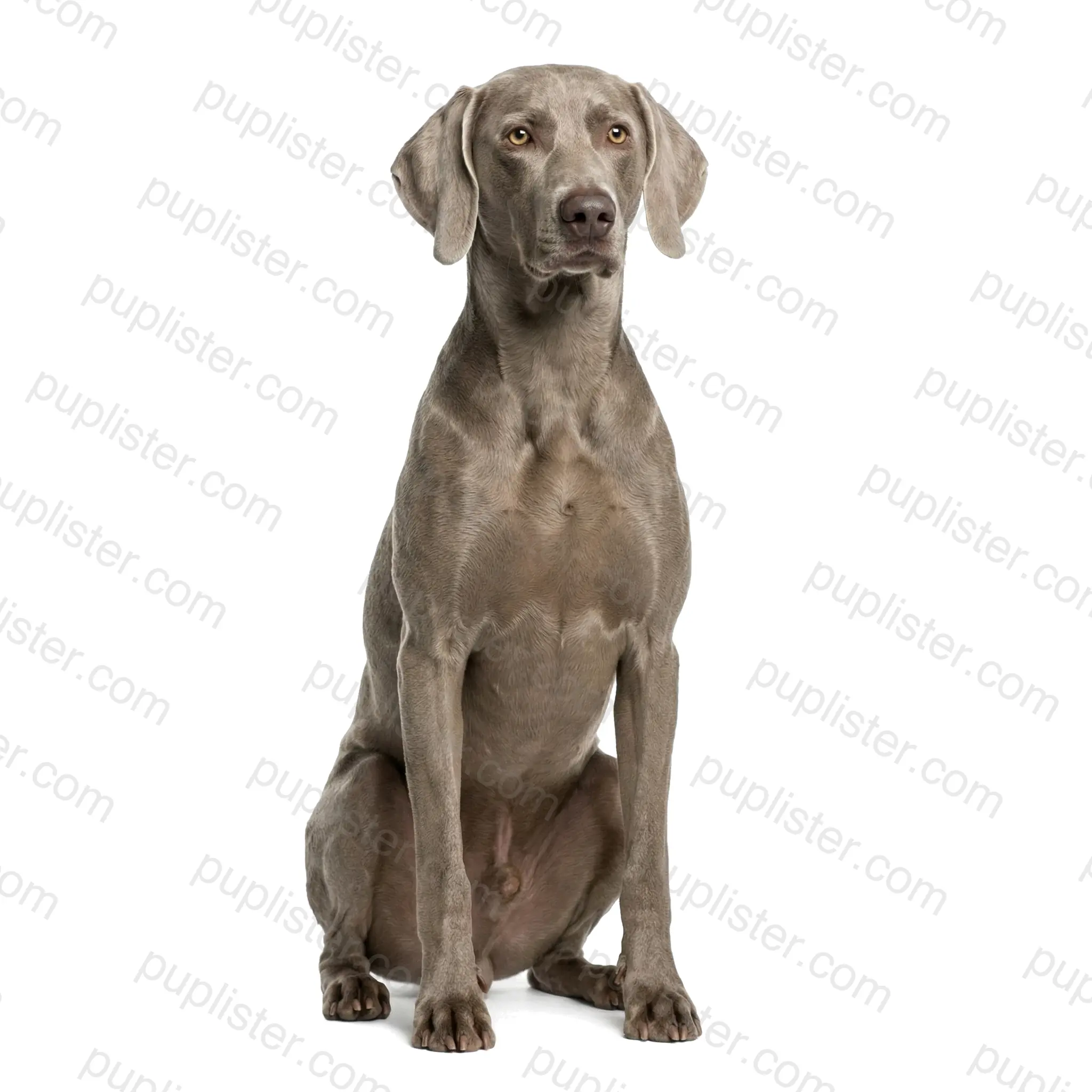
24About the Weimaraner The Weimaraner was developed in the early 19th century at the court of Weimar in Germany, where nobles bred these dogs to hunt large game — boar, bear, and deer — before transitioning them to bird dog duties as large game became scarce. These striking, athletic dogs stand 23 to 27 inches tall and weigh 55 to 90 pounds, with a sleek, powerful build designed for speed and endurance. Their distinctive short, smooth coat comes in shades of mouse-gray to silver-gray — earning them the nickname "Gray Ghost" — complemented by striking amber or blue-gray eyes. Temperament & Personality Weimaraners are fearless, friendly, and intensely devoted to their families — they crave human companionship and do not do well as kennel or outdoor-only dogs. They are energetic and playful with children, generally sociable with other dogs, and possess an intelligence that demands both physical and mental outlets. Without adequate exercise and attention, Weimaraners become anxious, destructive, and can develop severe behavioral problems. Pros Strikingly beautiful with an unmistakable silver-gray appearanceVersatile sporting dog — excellent for hunting, running, and competitive eventsHighly intelligent and trainable with consistent, positive methodsShort coat requires minimal grooming and sheds only moderately Cons Extreme separation anxiety — one of the most prone breeds to this conditionRequires intense daily exercise — 2 or more hours of vigorous activity is typicalProne to bloat (gastric torsion), hip dysplasia, and hyperuricosuriaCan be destructive on a grand scale when bored or anxious — has been known to eat through drywall The "Gray Ghost" is a magnificent companion for the active and committed — discover Weimaraners on Puplister.
7 pets available
22About the Shiba Inu The Shiba Inu is Japan's oldest and smallest native breed, originally bred to flush birds and small game in the dense mountain underbrush — "shiba" may refer to brushwood or the breed's red color, while "inu" simply means dog. These compact, agile dogs stand 13.5 to 16.5 inches tall and weigh 17 to 23 pounds, with a fox-like face, small triangular ears, and a curled tail. Their stiff, plush double coat comes in red, sesame, black and tan, or cream, with distinctive "urajiro" (cream to white ventral markings). Temperament & Personality Shiba Inus are bold, alert, and fiercely independent — often described as more cat-like than dog-like in their self-possession and fastidious grooming habits. They are loyal to their families but on their own terms, and their strong-willed nature means they do not blindly follow commands. Shibas are known for the infamous "Shiba scream" — a loud, distinctive vocalization produced when displeased or overjoyed — and they can be aloof with strangers and sometimes aggressive toward other dogs. Pros Naturally clean and almost cat-like — easy to housetrain and self-groomingCompact, manageable size for apartments with adequate exerciseLoyal and devoted to their family once trust is establishedHealthy breed with a long lifespan of 13 to 16 years Cons Extremely independent and stubborn — not recommended for first-time ownersStrong prey drive and unreliable recall make off-leash freedom riskyCan be possessive of food, toys, and territory (resource guarding)Prone to allergies, patellar luxation, and hip dysplasia The Shiba Inu's spirited independence and striking looks have won fans worldwide — discover Shibas on Puplister.
Worried about your cat throwing up after eating? Learn the common and serious causes of feline regurgitation and vomiting, plus expert vet tips for.
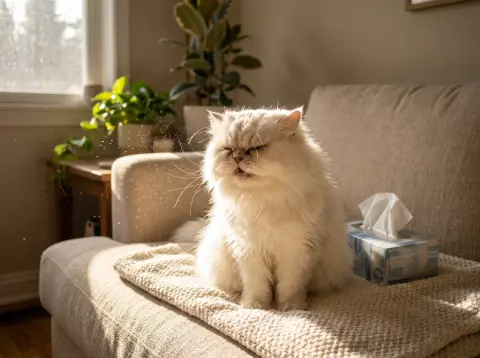
Is your cat sneezing a lot? Learn common causes, from URIs to stress, and when to seek vet care for your cat's sneezing.
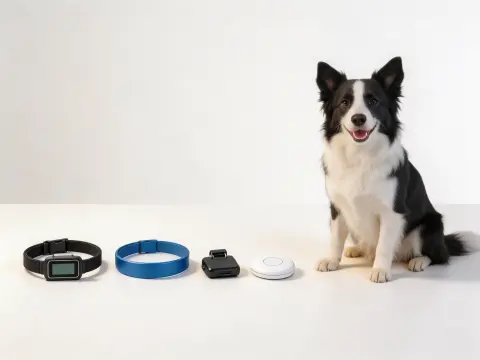
Looking for the best GPS tracker for your dog? We reviewed the top 4 models for every budget — from $28 to $105. Find your perfect tracker in 2026.
Is your dog drinking so much water suddenly? Learn common causes, from harmless to serious, and when to seek veterinary help for polydipsia.