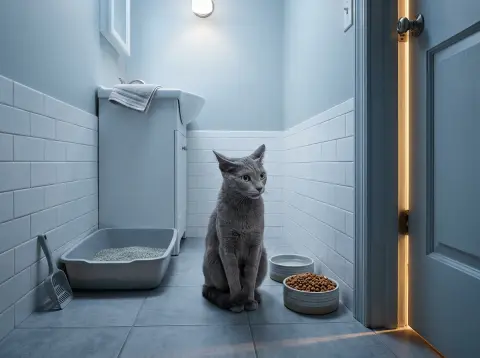
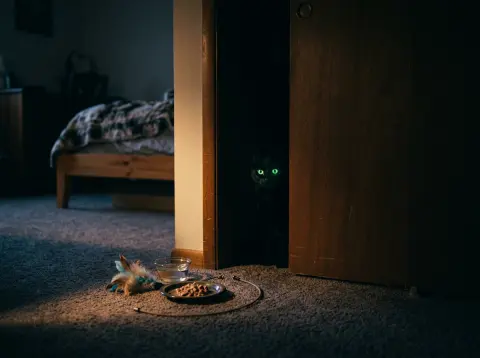
Adopted Cat Meowing All Night: How to Stop It
Adopted cat meowing all night? Discover why it happens, how to create a calm environment, and a realistic timeline to quiet nighttime meows.
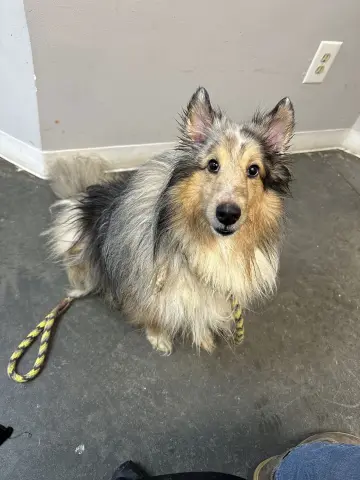
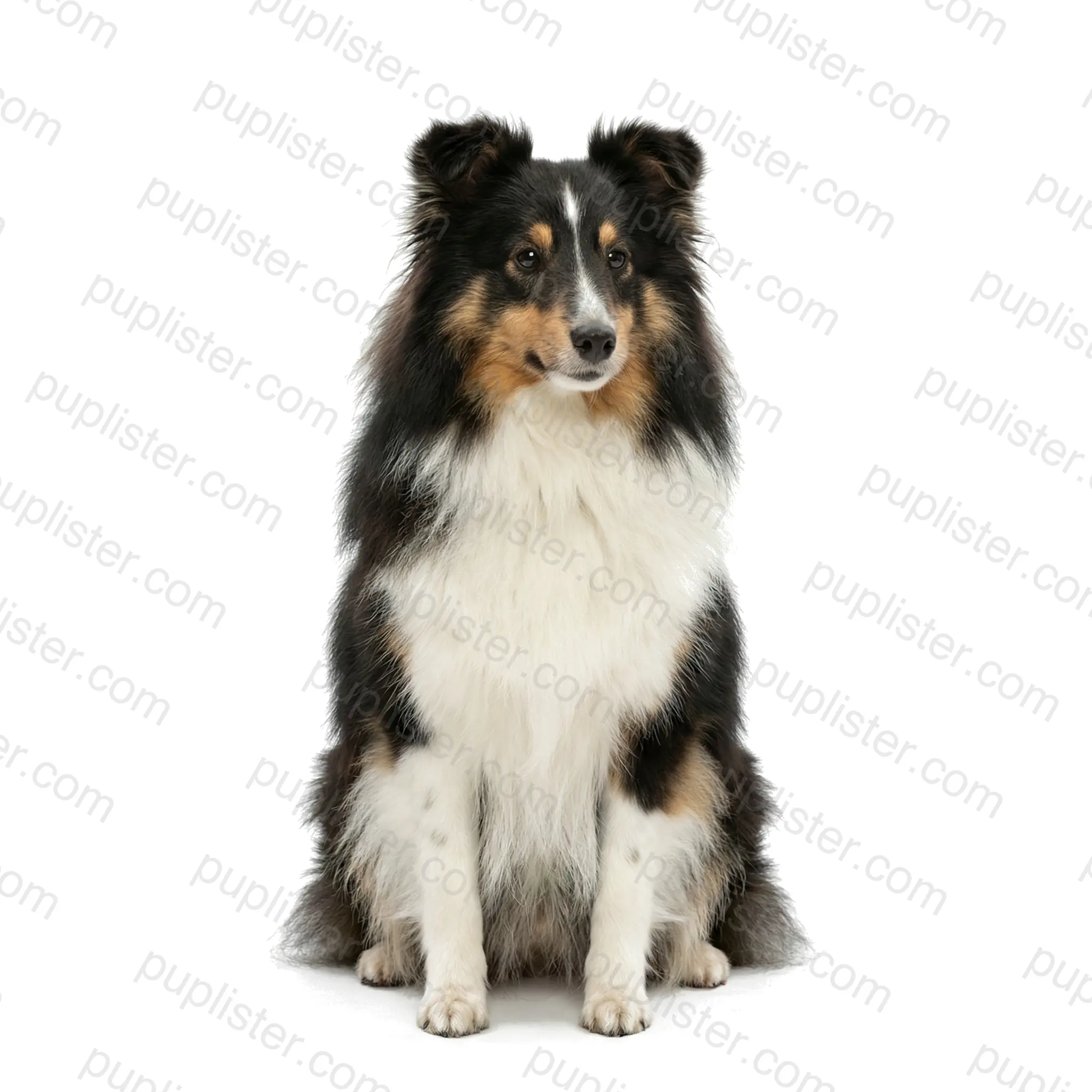
The Shetland Sheepdog — or "Sheltie" — was developed on Scotland's remote Shetland Islands, where harsh conditions favored smaller, efficient herding dogs that could thrive on limited resources. Standing 13 to 16 inches tall and weighing 15 to 25 pounds, Shelties resemble a miniature Rough Collie but are a distinct breed with their own standard and lineage. Their abundant double coat features a long, straight outer layer and dense undercoat, coming in sable, black, and blue merle — all typically with white and tan markings.
Shetland Sheepdogs are incredibly intelligent, sensitive, and eager to please — consistently ranked among the top 10 most trainable dog breeds in the world. They are devoted to their families and particularly gentle with children, often forming an especially strong bond with one household member. Shelties can be reserved with strangers and may bark to alert their family, but their sensitivity and willingness to learn make them wonderful companions for patient, attentive owners.
Shelties combine beauty, brains, and devotion in one elegant package — explore Shetland Sheepdog adoption options on Puplister.
Answer 5 quick questions to see how well this breed matches your lifestyle.
23 pets available
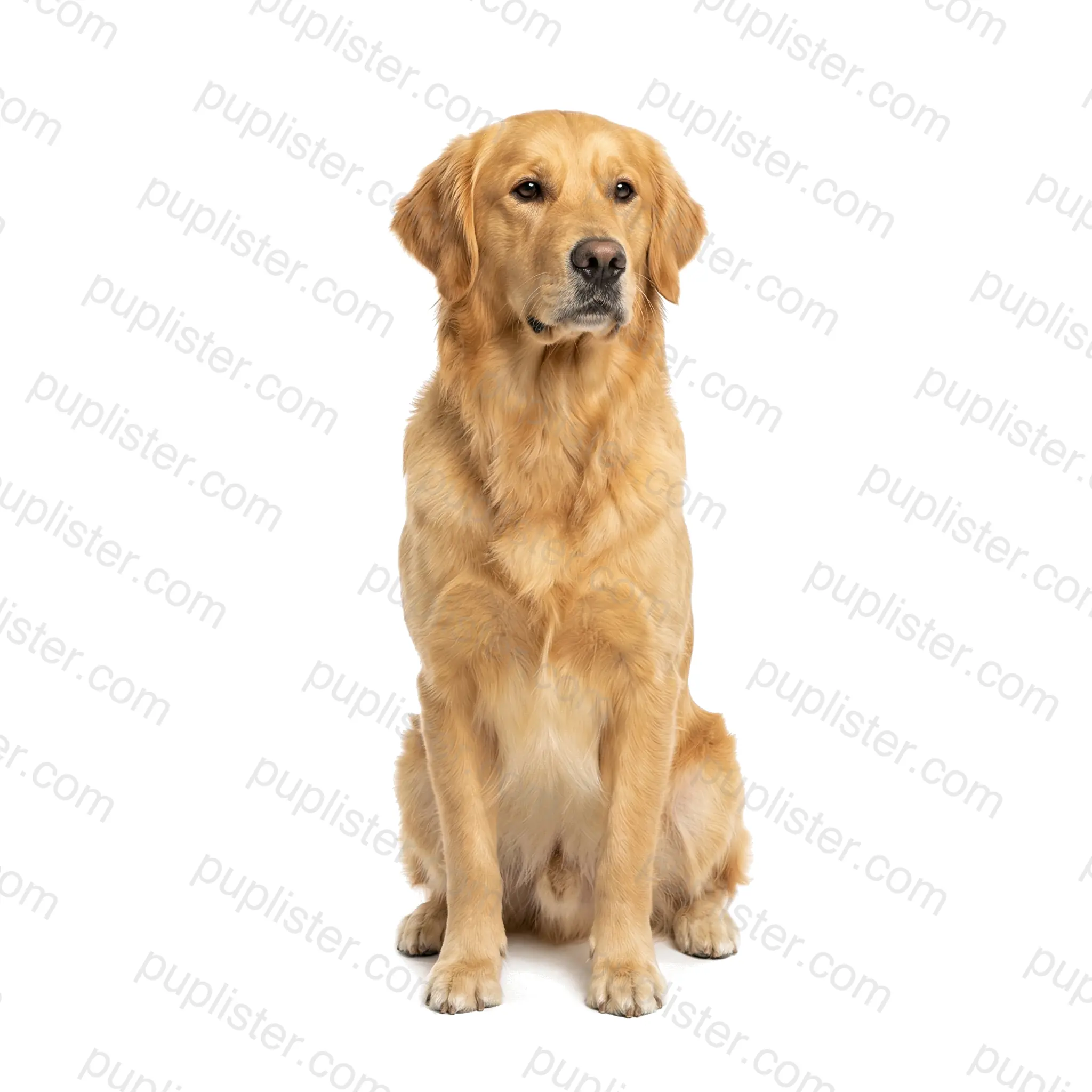
1About the Golden Retriever The Golden Retriever was developed in the Scottish Highlands by Lord Tweedmouth during the mid-19th century, who crossed a Yellow Retriever with the now-extinct Tweed Water Spaniel to create the ultimate waterfowl hunting companion. Standing 21.5–24 inches tall and weighing 55–75 pounds, these iconic dogs wear a lustrous, water-repellent double coat in shades ranging from light cream to deep gold. Their gentle expression, athletic build, and flowing feathered coat have made them one of the three most popular breeds in America for decades running.Temperament & PersonalityGolden Retrievers are the gold standard of family dogs — trustworthy, patient, and endlessly forgiving with children of all ages. They possess an innate desire to please that makes them exceptionally trainable and a joy to live with, whether as a first-time owner's companion or a seasoned handler's working partner. Their friendly, tolerant attitude extends to strangers, other dogs, and household pets — they seem to genuinely believe every person and animal they meet is a friend.ProsUniversally gentle temperament — consistently ranked among the best breeds for families with childrenHighly intelligent and eager to please — excel in obedience, therapy, service, and search and rescuePatient and forgiving nature makes them ideal for first-time dog ownersSocial and friendly with virtually everyone — dogs, cats, strangers, and guests alikeConsCancer affects approximately 60% of Golden Retrievers — the highest rate of any breedHeavy shedding year-round with seasonal coat blows that cover furniture and clothingProne to hip and elbow dysplasia, heart disease, and eye conditionsMouthy breed — will carry and chew objects constantly, especially during puppyhoodThere's a reason Goldens are America's favorite — find Golden Retrievers looking for homes on Puplister.
48 pets available
About the Beagle The Beagle is a small scent hound with roots tracing back to Roman times, though the modern breed was refined in England during the 1830s for rabbit hunting. Standing 13–15 inches tall and weighing 20–30 pounds, Beagles are compact, sturdy dogs built for endurance on the trail. Their short, dense, weather-resistant coat comes in a variety of hound colors — most commonly tri-color, red-and-white, and lemon — and sheds moderately throughout the year.Temperament & PersonalityBeagles are merry, curious, and sociable dogs — they were bred to work in packs, and that pack mentality translates to a strong desire for companionship. They are excellent with children and other dogs, making them one of the most family-friendly breeds available. However, their powerful nose can lead them astray, and once a Beagle has locked onto a scent, recalling them can be nearly impossible.ProsWonderful family dog — gentle, tolerant, and playful with children of all agesCompact size is well-suited for apartments and smaller homesGets along exceptionally well with other dogs due to pack-oriented natureHardy, healthy breed with a typical lifespan of 10–15 yearsConsVocal breed — their distinctive bay and howl can be excessive and loudStrong scent drive makes off-leash reliability extremely difficult to achieveProne to obesity and will eat anything they can accessCan develop separation anxiety and become destructive when left aloneBeagles bring joy to every household they join — search for adoptable Beagles on Puplister and find your new best friend.
5 pets available
About the Bullmastiff The Bullmastiff was developed in 19th-century England by crossing Bulldogs with Mastiffs — the goal was a powerful, silent guardian capable of tracking and pinning poachers on large estates without mauling them. Standing 24–27 inches tall and weighing 100–130 pounds, the Bullmastiff is a massive, muscular dog with a broad head, dark muzzle, and an imposing physical presence. Their short, dense coat comes in fawn, red, or brindle — always with a black mask — and sheds moderately with minimal grooming requirements.Temperament & PersonalityBullmastiffs are confident, loyal, and naturally protective — they are alert guardians who rely on their size and intimidating presence rather than excessive barking to deter intruders. Despite their imposing appearance, they are gentle and affectionate with their families, showing particular patience and tenderness with children. They are typically calm and quiet indoors, content to lie at their owner's feet, but they can be territorial with unfamiliar dogs and require early, consistent socialization.ProsNaturally protective — their imposing presence alone is an effective deterrentSurprisingly low-energy indoors, adapting well to a calm household routineGentle and affectionate with family members, including childrenMinimal grooming needs with their short, easy-care coatConsShort lifespan averaging only 7–9 yearsProne to bloat, hip and elbow dysplasia, lymphoma, and mast cell tumorsSignificant drooling, especially around mealtimes and in warm weatherTheir sheer size and strength require an experienced owner capable of managing 100+ pounds of dogA Bullmastiff offers protection and companionship in equal measure — explore adoptable Bullmastiffs on Puplister and find your gentle giant.
1 pet available
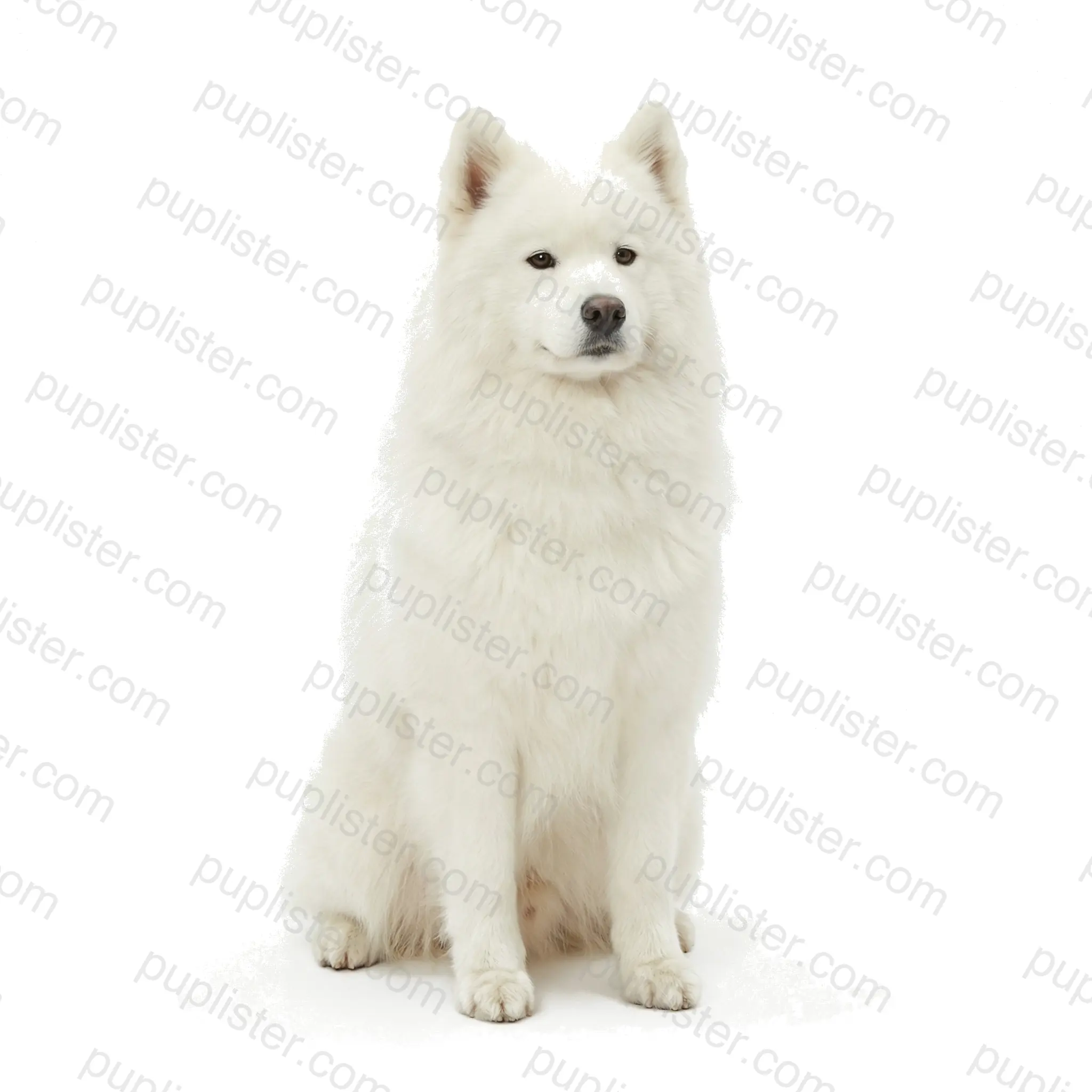
About the Samoyed The Samoyed takes its name from the Samoyedic peoples of Siberia, who relied on these dogs for herding reindeer, pulling sleds, and providing warmth in temperatures reaching minus 60 degrees Fahrenheit for over 3,000 years. These striking dogs stand 19 to 23.5 inches tall and weigh 35 to 65 pounds, with a strong, graceful build beneath their profuse coat. Their thick, brilliant white double coat — sometimes with biscuit or cream shading — and characteristic upturned "Sammy smile" make them one of the most beautiful breeds in existence. Temperament & Personality Samoyeds are friendly, gentle, and perpetually cheerful — bred to live and work in close quarters with humans, they crave companionship and involvement in family activities. They are wonderful with children, welcoming to strangers, and generally amiable with other dogs — making them poor guard dogs but outstanding family companions. Their intelligence and independent spirit mean they need engaging training methods, as they bore quickly with repetitive exercises. Pros Perpetually happy disposition — the "Sammy smile" reflects a genuinely joyful temperamentExcellent with children and other pets — one of the friendliest breedsHypoallergenic-type coat produces less dander despite heavy sheddingHardy and athletic — thrives in cold climates and loves outdoor winter activities Cons Extreme shedding — the voluminous coat blows out twice yearly in spectacular fashionProne to hip dysplasia, progressive retinal atrophy, and Samoyed hereditary glomerulopathyTendency to dig, chew, and bark when bored or left aloneSuffers significantly in hot climates and requires climate-controlled environments That radiant Samoyed smile could light up your life — browse Samoyeds available for adoption on Puplister.
Adopted cat meowing all night? Discover why it happens, how to create a calm environment, and a realistic timeline to quiet nighttime meows.
Is your adopted cat not eating? Learn the causes, from stress to past trauma, and discover practical solutions to get your new feline friend eating again.
Is your new cat hiding and won't come out? It's normal, but proactive steps can help. Learn how to build trust with your shy adopted cat.
Discover how long it takes for a rescue cat to feel at home with our experienced guide, covering the 3-3-3 rule and actionable tips.