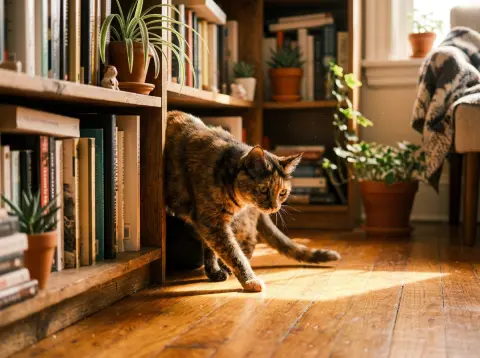
Adopted Cat Meowing All Night: How to Stop It
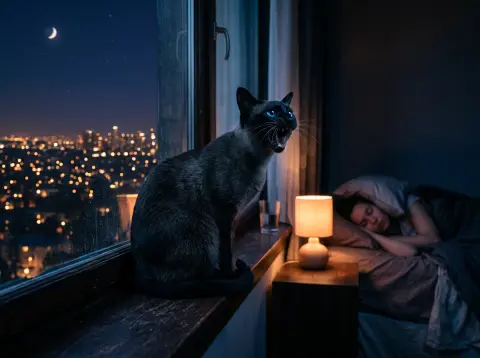
Adopted cat meowing all night? Discover why it happens, how to create a calm environment, and a realistic timeline to quiet nighttime meows.
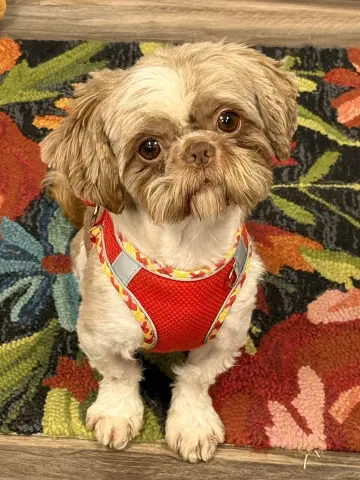
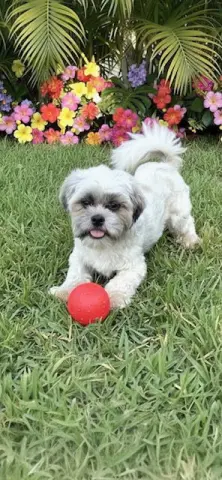
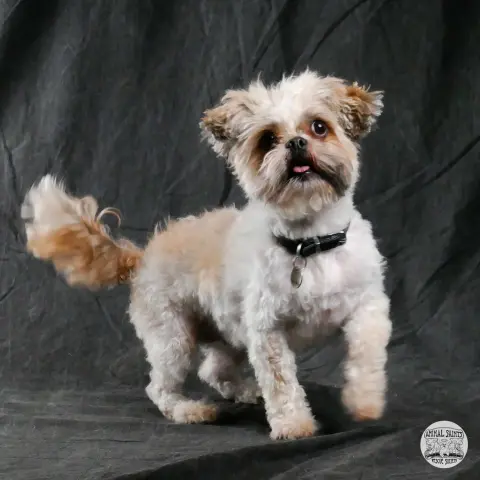
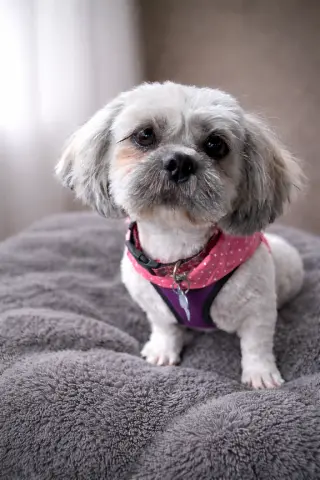
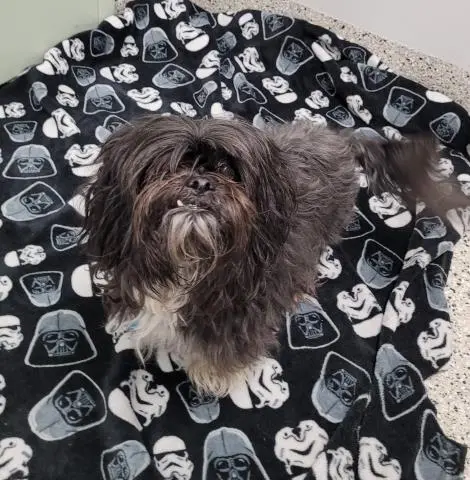
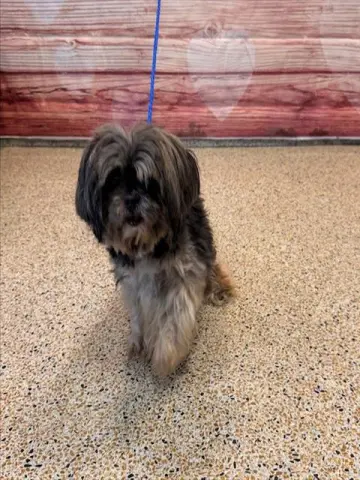
The Shih Tzu — meaning "lion dog" in Mandarin — was bred for centuries within the walls of the Chinese imperial palace, likely from crosses between the Lhasa Apso and the Pekingese. These small, sturdy dogs stand 9 to 10.5 inches tall and weigh 9 to 16 pounds, with a slightly longer body than they are tall and a proud, flowing gait. Their luxurious double coat grows continuously and can reach floor length, coming in virtually every color and combination, with a distinctive chrysanthemum-like pattern on the face where hair grows in all directions.
Shih Tzus are affectionate, outgoing, and delightfully playful — bred solely as companion dogs, they have centuries of experience perfecting the art of being a devoted lapdog. They are friendly with nearly everyone, including children, strangers, and other pets, making them one of the most sociable toy breeds available. Shih Tzus are happy, adaptable, and surprisingly sturdy for their size, with a mischievous charm that keeps their families entertained.
A Shih Tzu's sole mission in life is to love and be loved — find yours waiting on Puplister today.

Answer 5 quick questions to see how well this breed matches your lifestyle.
1 pet available
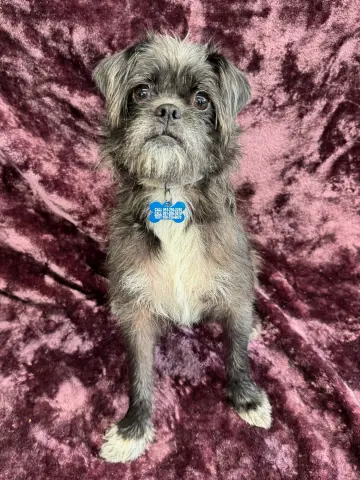
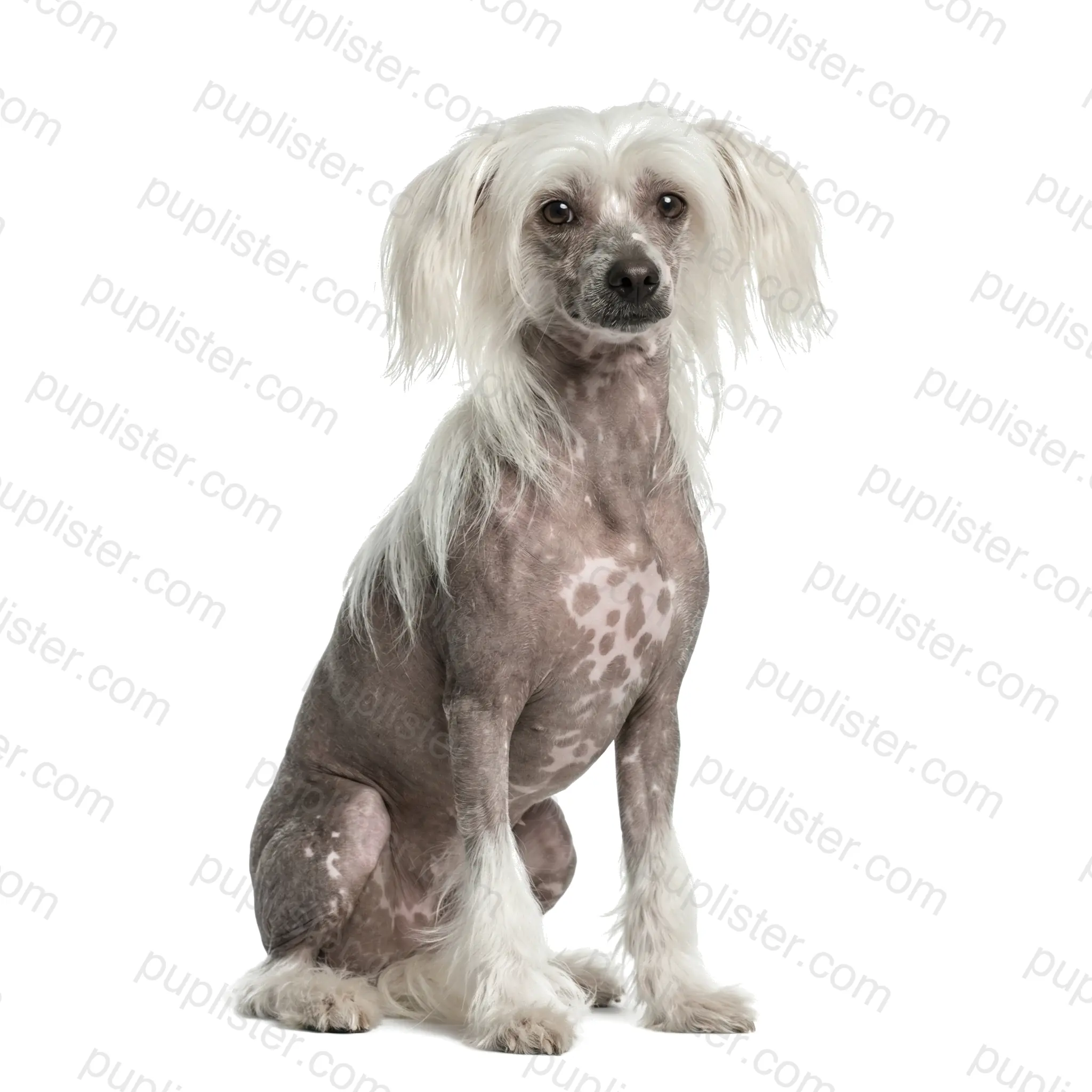
About the Chinese Crested The Chinese Crested is one of the most visually striking toy breeds, coming in two distinct varieties — the Hairless, with silky hair only on the head, feet, and tail, and the Powderpuff, covered in a soft, flowing double coat. Weighing 8–12 pounds and standing 11–13 inches tall, these elegant dogs likely originated in Africa before being refined by Chinese traders who used them as ratters on ships. The Hairless variety's exposed skin can be solid or spotted in shades of pink, black, slate, and chocolate.Temperament & PersonalityChinese Cresteds are deeply affectionate and almost cat-like in their love of perching on high surfaces and curling up under blankets. They're remarkably attuned to their owner's emotions — often described as velcro dogs who follow their person from room to room. They generally get along well with other pets and gentle children, though they can be timid around strangers without proper socialization.ProsHairless variety is ideal for allergy sufferers — produces minimal danderLow exercise needs — happy with short walks and indoor play sessionsExceptionally clean dogs with virtually no doggy odorHighly adaptable to apartment living and small spacesConsHairless variety requires sunscreen, moisturizer, and skin care to prevent acne and sunburnProne to dental issues — Hairless variety often has missing or crowded teethSusceptible to cold temperatures and needs protective clothing in winterCan develop severe separation anxiety if left alone for extended periodsLooking for an affectionate and unique companion? Check out Chinese Crested dogs available for adoption on Puplister.
14 pets available
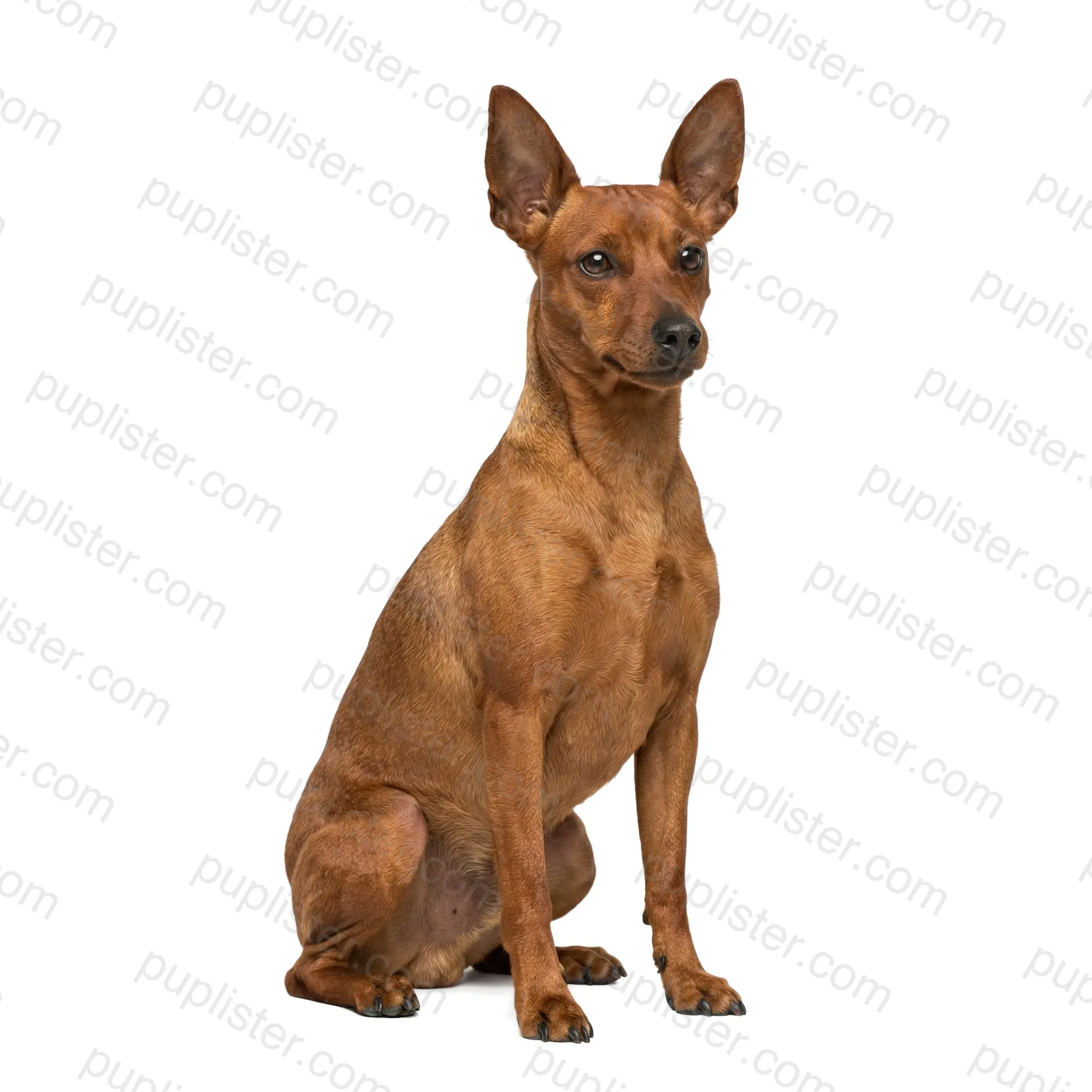
2About the Miniature Pinscher The Miniature Pinscher — affectionately called the "Min Pin" — originated in Germany several centuries ago, likely bred from a combination of Dachshunds and Italian Greyhounds. Standing 10 to 12.5 inches tall and weighing 8 to 12 pounds, these spirited dogs are far older than the Doberman and are not simply a scaled-down version of that breed. Their sleek, smooth coat comes in red, stag red, black and tan, or chocolate and tan with a naturally glossy sheen. Temperament & Personality Miniature Pinschers are bold, energetic, and remarkably self-assured — often described as having a big-dog attitude in a toy-sized body. They are entertaining and devoted to their owners but can be independent and stubborn during training sessions. Min Pins generally do well with older children and can coexist with other dogs, though they may try to assert dominance over much larger breeds. Pros Minimal grooming needed thanks to their short, smooth coatExcellent watchdog with an alert, vocal natureCompact size perfect for apartment and urban livingHighly energetic and entertaining companion for active owners Cons Notorious escape artists — can squeeze through small gaps and jump surprisingly highProne to patellar luxation and Legg-Calvé-Perthes diseaseStubborn streak makes housetraining more challenging than averageHigh prey drive means unreliable off-leash in unfenced areas Think a fearless little companion with endless personality is right for you? Search for Miniature Pinschers available on Puplister.
3 pets available
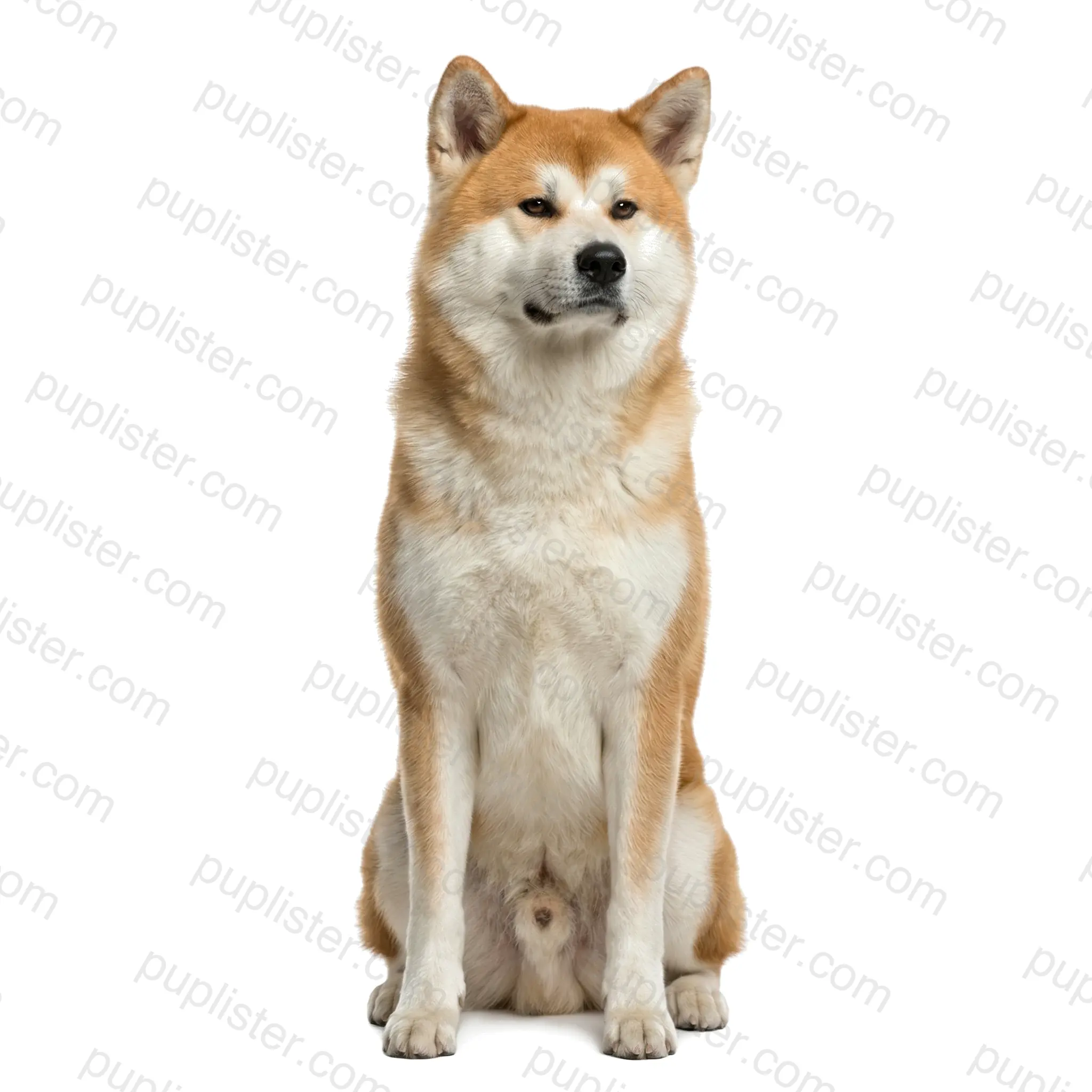
About the Akita The Akita is a powerful, noble breed originating from the mountainous regions of northern Japan, where it was bred to hunt wild boar, deer, and even bears. Males stand 26–28 inches tall and weigh 100–130 pounds, while females are slightly smaller at 24–26 inches and 70–100 pounds. The breed has a thick double coat that comes in several colors — including white, brindle, and pinto — and sheds heavily twice a year during seasonal "blowouts."Temperament & PersonalityAkitas are fiercely loyal and protective of their families, often forming an especially deep bond with one primary person. They are naturally reserved and wary of strangers, making them excellent guard dogs without excessive barking. While they can be gentle with children in their own family, Akitas generally do not tolerate other dogs well — particularly dogs of the same sex — and require experienced handling.ProsExceptionally loyal — the breed's devotion is legendary, as exemplified by the famous HachikoNaturally clean and cat-like in grooming habitsQuiet breed that rarely barks unnecessarilyImposing presence serves as an effective deterrent to intrudersConsStrong same-sex dog aggression makes multi-dog households challengingHeavy seasonal shedding requires frequent brushing and cleanupDominant personality demands an experienced, confident ownerProne to autoimmune disorders, hip dysplasia, and bloat (gastric torsion)Discover loyal Akitas waiting for their forever homes — explore adoptable Akitas on Puplister now.
5 pets available
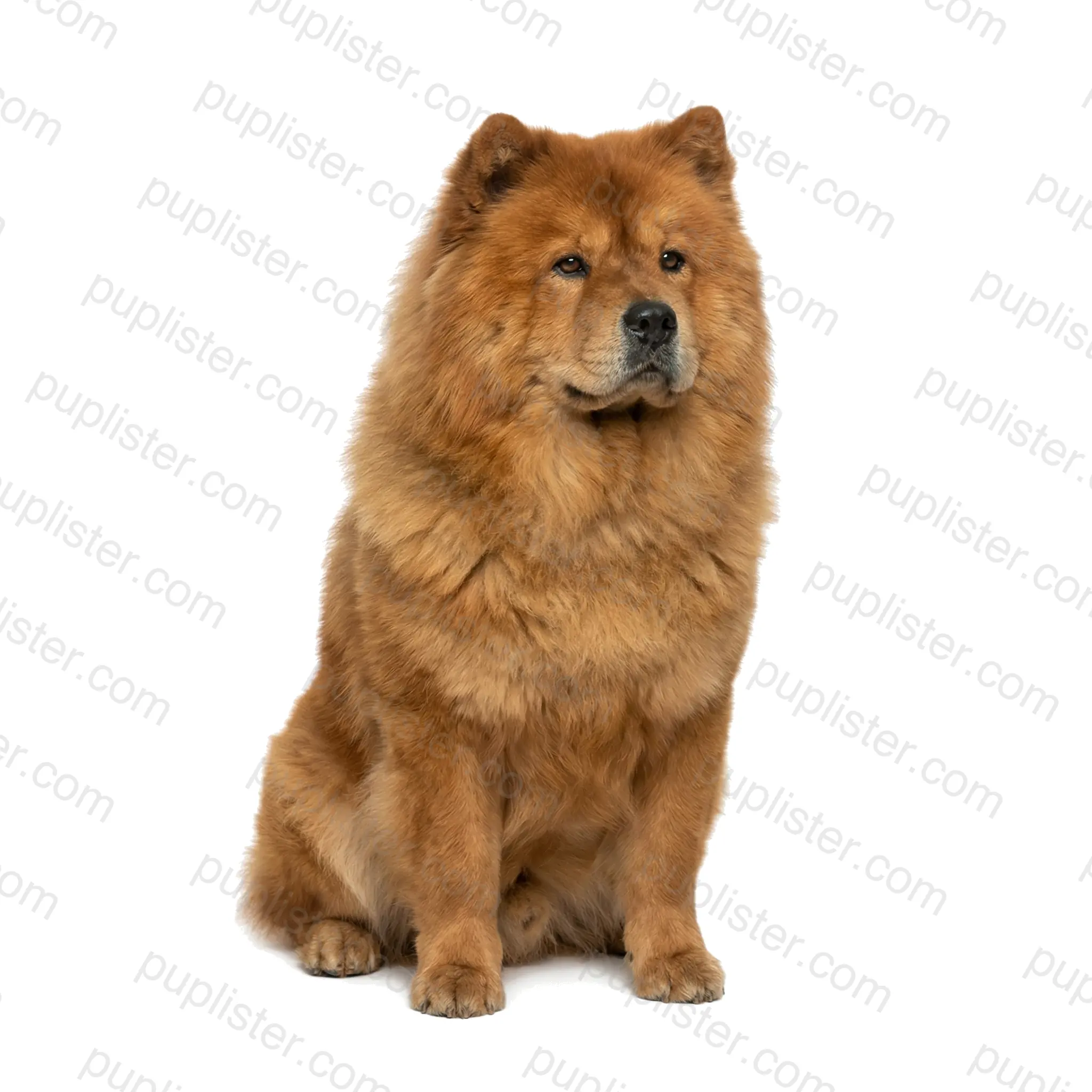
About the Chow Chow One of the most ancient dog breeds in existence, the Chow Chow originated in northern China over 2,000 years ago — where they served as temple guards, sled pullers, and hunting dogs. This sturdy, lion-like breed stands 17–20 inches tall, weighs 45–70 pounds, and is instantly recognizable by its dense double coat, deep-set eyes, and distinctive blue-black tongue. Chow Chows come in five colors — red, black, blue, cinnamon, and cream — with either a rough or smooth coat variety.Temperament & PersonalityChow Chows are often compared to cats in their independent, dignified, and somewhat aloof demeanor. They are fiercely loyal to their family but maintain a reserved — sometimes suspicious — attitude toward strangers, making them formidable natural guard dogs. While devoted to their owners, they are not typically playful or demonstrative and may bond most closely with just one person in the household.ProsNaturally clean dogs — often housebreak themselves with minimal effortQuiet breed that rarely barks without reason — excellent for noise-sensitive living situationsStrong territorial instincts provide reliable home protection without guard trainingLow exercise requirements compared to similarly sized breeds — content with moderate daily walksConsExtremely strong-willed and resistant to traditional obedience training methodsHeavy shedding — especially during seasonal coat blows that last several weeksProne to entropion, hip dysplasia, and autoimmune thyroiditisCan be aggressive toward other dogs and requires extensive early socializationIf a loyal, independent guardian sounds like your ideal match, browse Chow Chows ready for adoption on Puplister now.
Adopted cat meowing all night? Discover why it happens, how to create a calm environment, and a realistic timeline to quiet nighttime meows.
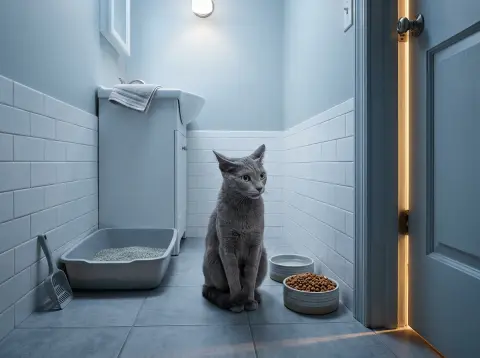
Is your adopted cat not eating? Learn the causes, from stress to past trauma, and discover practical solutions to get your new feline friend eating again.
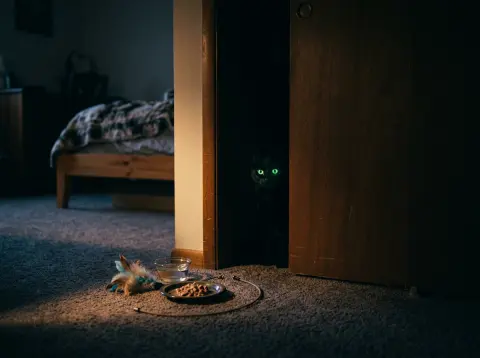
Is your new cat hiding and won't come out? It's normal, but proactive steps can help. Learn how to build trust with your shy adopted cat.
Discover how long it takes for a rescue cat to feel at home with our experienced guide, covering the 3-3-3 rule and actionable tips.