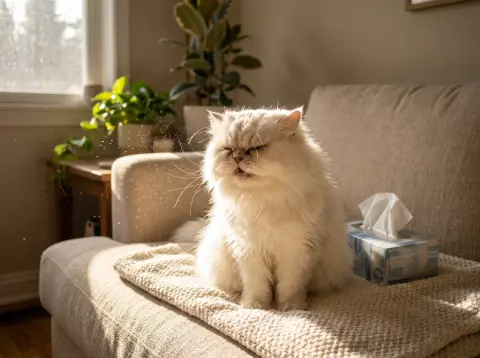
Adopted Cat Meowing All Night: How to Stop It
Adopted cat meowing all night? Discover why it happens, how to create a calm environment, and a realistic timeline to quiet nighttime meows.
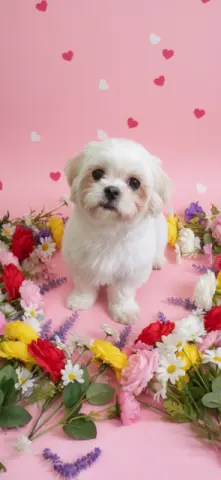
The Shih Tzu — meaning "lion dog" in Mandarin — was bred for centuries within the walls of the Chinese imperial palace, likely from crosses between the Lhasa Apso and the Pekingese. These small, sturdy dogs stand 9 to 10.5 inches tall and weigh 9 to 16 pounds, with a slightly longer body than they are tall and a proud, flowing gait. Their luxurious double coat grows continuously and can reach floor length, coming in virtually every color and combination, with a distinctive chrysanthemum-like pattern on the face where hair grows in all directions.
Shih Tzus are affectionate, outgoing, and delightfully playful — bred solely as companion dogs, they have centuries of experience perfecting the art of being a devoted lapdog. They are friendly with nearly everyone, including children, strangers, and other pets, making them one of the most sociable toy breeds available. Shih Tzus are happy, adaptable, and surprisingly sturdy for their size, with a mischievous charm that keeps their families entertained.
A Shih Tzu's sole mission in life is to love and be loved — find yours waiting on Puplister today.

Answer 5 quick questions to see how well this breed matches your lifestyle.
115 pets available
2About the American Staffordshire Terrier The American Staffordshire Terrier — often called the AmStaff — was developed in the United States from crosses between Bulldogs and Terriers, earning AKC recognition in 1936. They stand 17–19 inches at the shoulder and weigh 40–70 pounds, presenting a stocky, muscular build that radiates power and confidence. Their short, stiff coat comes in a wide variety of colors and patterns, including blue, fawn, brindle, and black, and requires only minimal grooming.Temperament & PersonalityAmStaffs are known for their courage, intelligence, and unwavering loyalty to their families — they are genuinely affectionate dogs who love being at the center of household activities. They are typically excellent with children and are known for their patience and tolerance with youngsters. Proper socialization from puppyhood is critical, as they can be assertive with other dogs, and their strength demands a handler who can provide calm, confident leadership.ProsIncredibly loyal and protective of their family without being overly aggressiveSmart and highly trainable — they excel in obedience, rally, and therapy workShort coat makes grooming a breezeSturdy and athletic, perfect for active families who enjoy outdoor activitiesConsMay face breed-specific legislation and insurance restrictionsRequires early and ongoing socialization with other dogs and animalsProne to hip dysplasia, cardiac disease, and skin allergiesTheir strong jaws and determination mean they can destroy toys and furniture quicklyAmStaffs make incredible family companions when given the right home — search for adoptable American Staffordshire Terriers on Puplister.
23 pets available
1About the Golden Retriever The Golden Retriever was developed in the Scottish Highlands by Lord Tweedmouth during the mid-19th century, who crossed a Yellow Retriever with the now-extinct Tweed Water Spaniel to create the ultimate waterfowl hunting companion. Standing 21.5–24 inches tall and weighing 55–75 pounds, these iconic dogs wear a lustrous, water-repellent double coat in shades ranging from light cream to deep gold. Their gentle expression, athletic build, and flowing feathered coat have made them one of the three most popular breeds in America for decades running.Temperament & PersonalityGolden Retrievers are the gold standard of family dogs — trustworthy, patient, and endlessly forgiving with children of all ages. They possess an innate desire to please that makes them exceptionally trainable and a joy to live with, whether as a first-time owner's companion or a seasoned handler's working partner. Their friendly, tolerant attitude extends to strangers, other dogs, and household pets — they seem to genuinely believe every person and animal they meet is a friend.ProsUniversally gentle temperament — consistently ranked among the best breeds for families with childrenHighly intelligent and eager to please — excel in obedience, therapy, service, and search and rescuePatient and forgiving nature makes them ideal for first-time dog ownersSocial and friendly with virtually everyone — dogs, cats, strangers, and guests alikeConsCancer affects approximately 60% of Golden Retrievers — the highest rate of any breedHeavy shedding year-round with seasonal coat blows that cover furniture and clothingProne to hip and elbow dysplasia, heart disease, and eye conditionsMouthy breed — will carry and chew objects constantly, especially during puppyhoodThere's a reason Goldens are America's favorite — find Golden Retrievers looking for homes on Puplister.
52 pets available
2About the Boxer The Boxer was developed in Germany in the late 19th century from the now-extinct Bullenbeisser — a powerful hunting mastiff — crossed with English Bulldogs. Standing 21.5–25 inches tall and weighing 50–80 pounds, the Boxer is a medium-to-large, well-muscled dog with a distinctive square head, undershot jaw, and alert expression. Their short, tight-fitting coat comes in fawn and brindle — sometimes with white markings — and requires very little grooming beyond occasional brushing.Temperament & PersonalityBoxers are playful, energetic, and utterly devoted to their families — they are often called the "Peter Pan" of dog breeds because they maintain their puppyish exuberance well into adulthood. They are exceptional with children, combining patience and protectiveness with a love of play that makes them natural family dogs. Boxers are alert and courageous, making them effective watchdogs, but they are also clownish and affectionate — they're famous for their "kidney bean" wiggle of excitement.ProsOutstanding family dog — patient, protective, and endlessly playful with childrenNatural watchdog with a courageous yet non-aggressive temperamentShort coat requires minimal grooming effortEnergetic and athletic — great companion for running, hiking, and active playConsProne to cancer — one of the breeds most affected, particularly mast cell tumors and lymphomaBrachycephalic tendencies lead to heat intolerance and breathing difficulties during vigorous exerciseCan be excessively boisterous and may accidentally knock over small children or elderly family membersSusceptible to heart conditions including aortic stenosis and dilated cardiomyopathyBoxers bring boundless energy and unconditional love to every family — browse adoptable Boxers on Puplister and find your playful companion.
14 pets available
2About the Miniature Pinscher The Miniature Pinscher — affectionately called the "Min Pin" — originated in Germany several centuries ago, likely bred from a combination of Dachshunds and Italian Greyhounds. Standing 10 to 12.5 inches tall and weighing 8 to 12 pounds, these spirited dogs are far older than the Doberman and are not simply a scaled-down version of that breed. Their sleek, smooth coat comes in red, stag red, black and tan, or chocolate and tan with a naturally glossy sheen. Temperament & Personality Miniature Pinschers are bold, energetic, and remarkably self-assured — often described as having a big-dog attitude in a toy-sized body. They are entertaining and devoted to their owners but can be independent and stubborn during training sessions. Min Pins generally do well with older children and can coexist with other dogs, though they may try to assert dominance over much larger breeds. Pros Minimal grooming needed thanks to their short, smooth coatExcellent watchdog with an alert, vocal natureCompact size perfect for apartment and urban livingHighly energetic and entertaining companion for active owners Cons Notorious escape artists — can squeeze through small gaps and jump surprisingly highProne to patellar luxation and Legg-Calvé-Perthes diseaseStubborn streak makes housetraining more challenging than averageHigh prey drive means unreliable off-leash in unfenced areas Think a fearless little companion with endless personality is right for you? Search for Miniature Pinschers available on Puplister.
Adopted cat meowing all night? Discover why it happens, how to create a calm environment, and a realistic timeline to quiet nighttime meows.
Is your adopted cat not eating? Learn the causes, from stress to past trauma, and discover practical solutions to get your new feline friend eating again.
Is your new cat hiding and won't come out? It's normal, but proactive steps can help. Learn how to build trust with your shy adopted cat.
Discover how long it takes for a rescue cat to feel at home with our experienced guide, covering the 3-3-3 rule and actionable tips.