Adopted Cat Meowing All Night: How to Stop It
Adopted cat meowing all night? Discover why it happens, how to create a calm environment, and a realistic timeline to quiet nighttime meows.
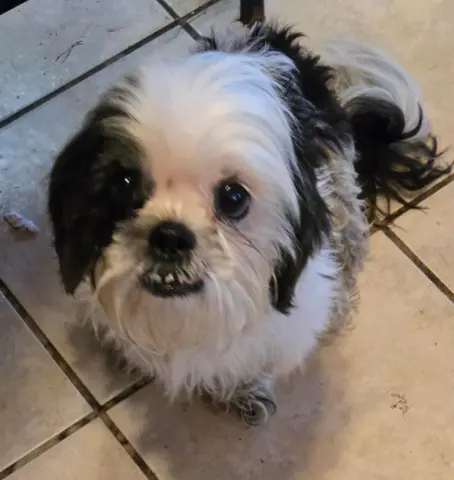
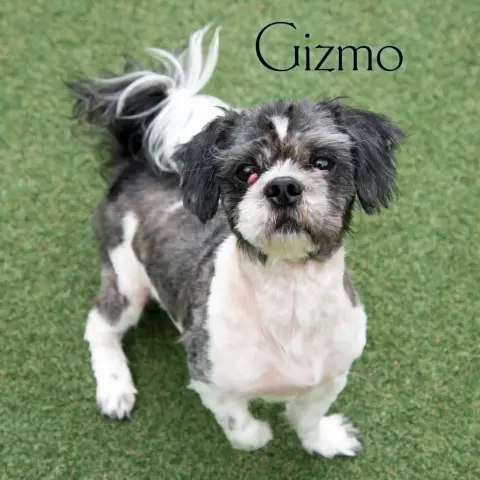
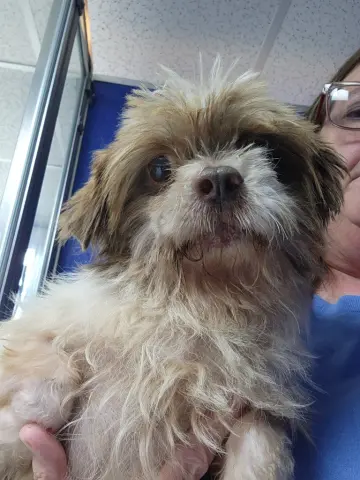
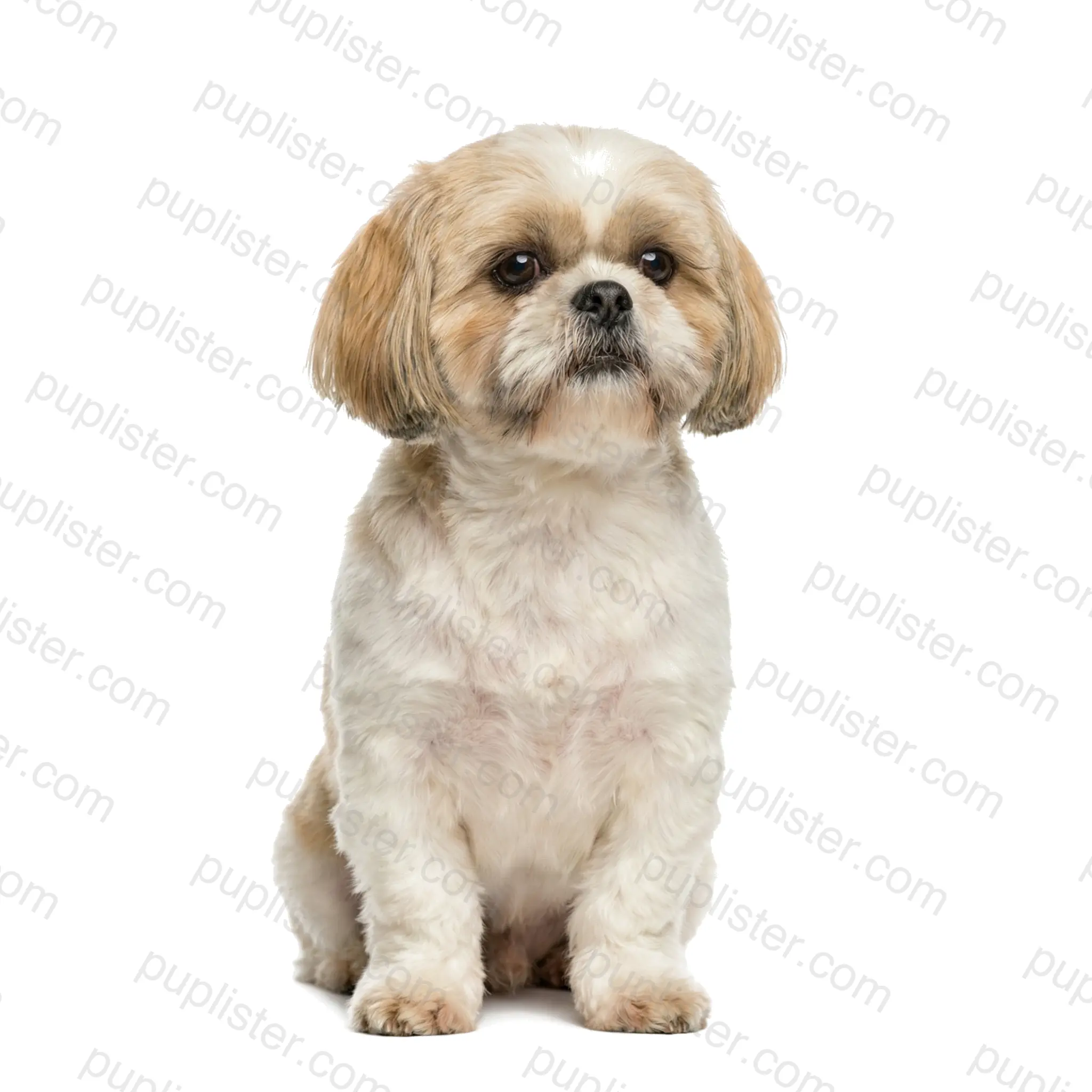
The Shih Tzu — meaning "lion dog" in Mandarin — was bred for centuries within the walls of the Chinese imperial palace, likely from crosses between the Lhasa Apso and the Pekingese. These small, sturdy dogs stand 9 to 10.5 inches tall and weigh 9 to 16 pounds, with a slightly longer body than they are tall and a proud, flowing gait. Their luxurious double coat grows continuously and can reach floor length, coming in virtually every color and combination, with a distinctive chrysanthemum-like pattern on the face where hair grows in all directions.
Shih Tzus are affectionate, outgoing, and delightfully playful — bred solely as companion dogs, they have centuries of experience perfecting the art of being a devoted lapdog. They are friendly with nearly everyone, including children, strangers, and other pets, making them one of the most sociable toy breeds available. Shih Tzus are happy, adaptable, and surprisingly sturdy for their size, with a mischievous charm that keeps their families entertained.
A Shih Tzu's sole mission in life is to love and be loved — find yours waiting on Puplister today.
Answer 5 quick questions to see how well this breed matches your lifestyle.
3 pets available
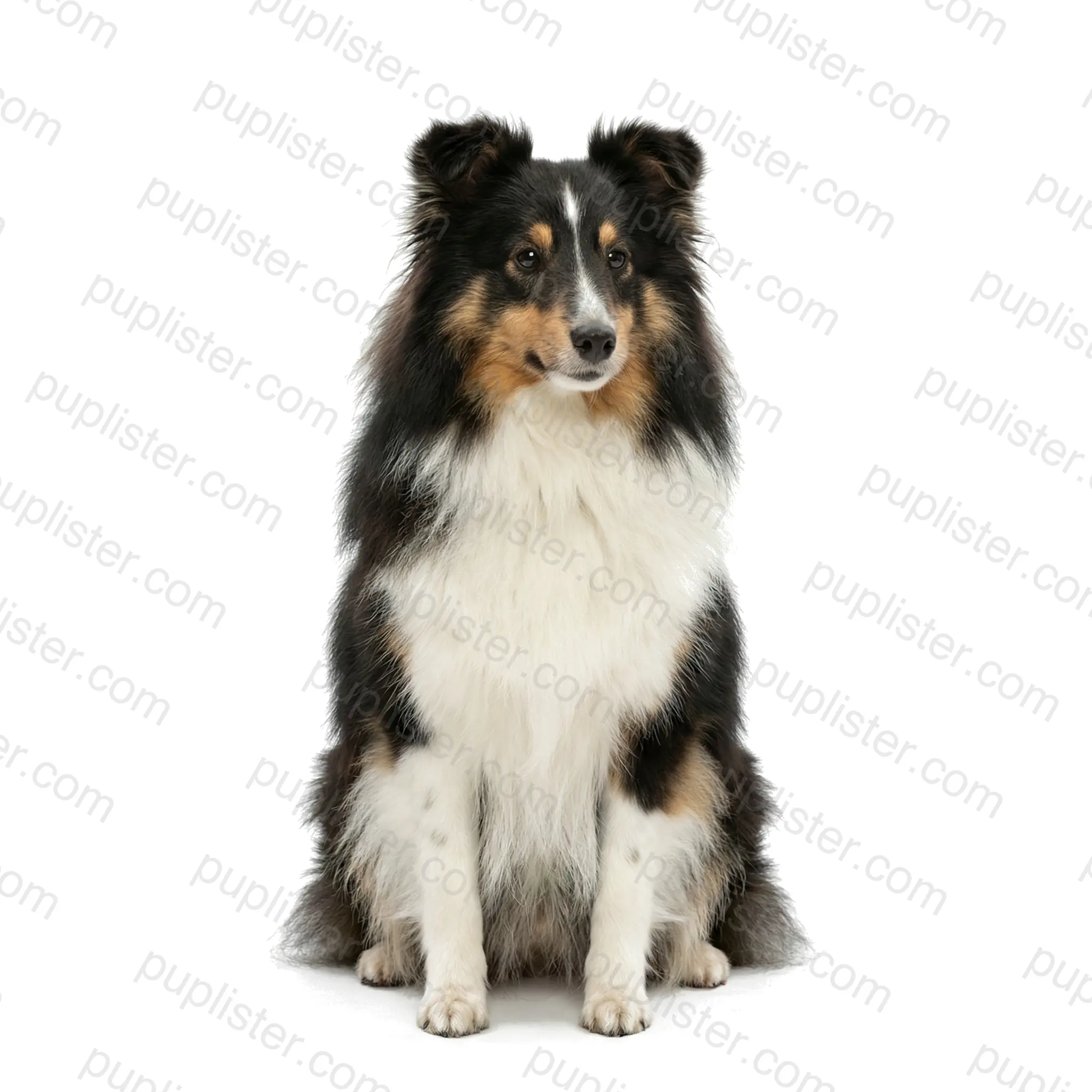
1About the Shetland Sheepdog The Shetland Sheepdog — or "Sheltie" — was developed on Scotland's remote Shetland Islands, where harsh conditions favored smaller, efficient herding dogs that could thrive on limited resources. Standing 13 to 16 inches tall and weighing 15 to 25 pounds, Shelties resemble a miniature Rough Collie but are a distinct breed with their own standard and lineage. Their abundant double coat features a long, straight outer layer and dense undercoat, coming in sable, black, and blue merle — all typically with white and tan markings. Temperament & Personality Shetland Sheepdogs are incredibly intelligent, sensitive, and eager to please — consistently ranked among the top 10 most trainable dog breeds in the world. They are devoted to their families and particularly gentle with children, often forming an especially strong bond with one household member. Shelties can be reserved with strangers and may bark to alert their family, but their sensitivity and willingness to learn make them wonderful companions for patient, attentive owners. Pros Exceptionally intelligent — excels in agility, obedience, and herding competitionsGentle, affectionate, and outstanding with childrenCompact size with all the beauty and grace of a CollieLoyal and deeply bonded to their family Cons Heavy shedding — the dense double coat requires frequent brushing and sheds year-roundProne to excessive barking, especially when excited or alertingSusceptible to Collie eye anomaly, hip dysplasia, and dermatomyositisCan be timid and fearful without proper early socialization Shelties combine beauty, brains, and devotion in one elegant package — explore Shetland Sheepdog adoption options on Puplister.
12 pets available
2About the French Bulldog The French Bulldog — or "Frenchie" — descended from miniaturized English Bulldogs brought to France by lace workers during the Industrial Revolution, where they were crossed with local ratters and developed into the bat-eared companion we know today. Standing 11–13 inches tall and weighing under 28 pounds, these compact, muscular dogs have a smooth, short coat in brindle, fawn, white, cream, and various pied combinations. Their oversized bat ears, flat face, and stocky build give them an irresistibly comical appearance that has made them one of the most popular breeds worldwide.Temperament & PersonalityFrench Bulldogs are playful, alert, and adaptable — equally happy clowning around the living room or snoozing on their owner's lap for hours. They are affectionate without being clingy and generally get along well with children, other dogs, and strangers alike. Their easygoing nature and moderate energy level make them one of the most versatile companion breeds for urban dwellers.ProsIdeal apartment dogs — low exercise needs, rarely bark, and thrive in small spacesFriendly, sociable temperament — gets along with virtually everyoneMinimal grooming requirements — short coat needs only occasional brushingPlayful and entertaining without the hyperactivity of many small breedsConsBrachycephalic breed — prone to breathing difficulties, overheating, and exercise intoleranceExtremely expensive veterinary care — spinal issues, allergies, and eye problems are commonCannot swim due to their top-heavy build — require constant supervision near waterProne to flatulence, snoring, and skin fold infections that require regular cleaningFall in love with a charming Frenchie — explore French Bulldogs available for adoption on Puplister.
14 pets available
1About the Plott Hound The Plott Hound is the official state dog of North Carolina, descended from Hanoverian Schweisshunds brought to the Appalachian Mountains by German immigrant Johannes Plott in 1750. These athletic, muscular hounds stand 20 to 25 inches tall and weigh 40 to 60 pounds, built for endurance and tenacity on the trail. Their short to medium-length, glossy coat is most commonly brindle — ranging from yellow to chocolate to black brindle — though solid colors also occur. Temperament & Personality Plott Hounds are courageous, loyal, and determined — originally bred to track and tree bears, they possess a tenacious drive that can be both impressive and challenging. With their families, they are affectionate, eager to please, and surprisingly gentle, often forming deep bonds with their primary caretaker. They generally do well with children and other dogs, especially when raised together, though their strong prey drive means caution around cats and small animals. Pros Exceptional stamina and athleticism for hiking and outdoor adventuresLoyal and protective without being overly aggressive toward peopleLow-maintenance coat that requires only occasional brushingHealthier than many purebreds with a lifespan of 12 to 14 years Cons Loud, baying voice that carries long distances — not suited for noise-sensitive neighborhoodsStrong prey drive makes reliable off-leash recall very difficultCan be stubborn and single-minded when tracking a scentRequires substantial daily exercise — at least 60 minutes of vigorous activity The Plott Hound is a hidden gem among sporting breeds — discover one looking for a forever home on Puplister.
3 pets available
1About the Bloodhound The Bloodhound is a scent hound of unparalleled tracking ability, with origins dating back over a thousand years to monasteries in medieval Belgium and France. These large, noble dogs stand 23–27 inches tall and weigh 80–110 pounds, with a loose-skinned, powerful build and famously droopy ears and facial folds that help channel scent toward their nose. Their short, dense coat comes in black-and-tan, liver-and-tan, and red, requiring minimal grooming beyond regular wrinkle cleaning.Temperament & PersonalityBloodhounds are gentle, patient, and affectionate — despite their imposing size, they are among the most docile and tolerant of all breeds. They are wonderful with children and other animals, displaying remarkable patience even with rough handling from toddlers. However, when they catch an interesting scent, they become single-minded and nearly impossible to redirect — they have been known to follow a trail for over 130 miles.ProsPossesses the most powerful nose in the canine world — their trailing results are admissible in courtGentle, patient, and affectionate with all family members including young childrenExcellent with other dogs and household petsCalm and easygoing indoors, content to lounge when not workingConsCopious drooling — their loose jowls produce significant slobber, especially after eating and drinkingStrong, determined pullers on leash who can be nearly impossible to control when trailing a scentProne to bloat, hip and elbow dysplasia, and ear infections due to their long, pendulous earsRelatively short lifespan of 10–12 years and susceptible to skin fold dermatitisThese gentle giants have hearts as big as their noses — explore adoptable Bloodhounds on Puplister today.
Adopted cat meowing all night? Discover why it happens, how to create a calm environment, and a realistic timeline to quiet nighttime meows.
Is your adopted cat not eating? Learn the causes, from stress to past trauma, and discover practical solutions to get your new feline friend eating again.
Is your new cat hiding and won't come out? It's normal, but proactive steps can help. Learn how to build trust with your shy adopted cat.
Discover how long it takes for a rescue cat to feel at home with our experienced guide, covering the 3-3-3 rule and actionable tips.