Can You Adopt a Cat on a Tight Budget?
Adopting a cat doesn't have to be expensive. With smart budgeting and the right resources, even those on a tight income can provide a loving, healthy home for a feline companion.
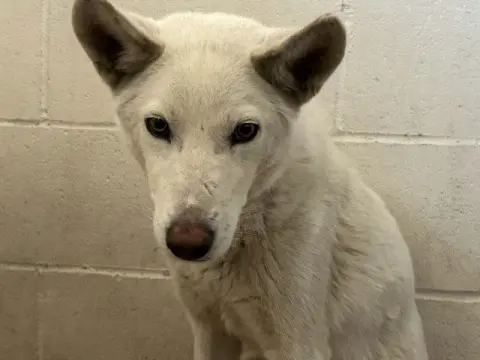
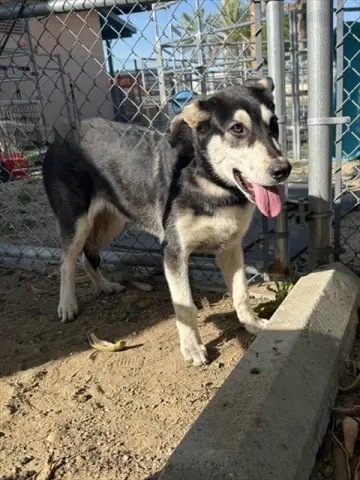
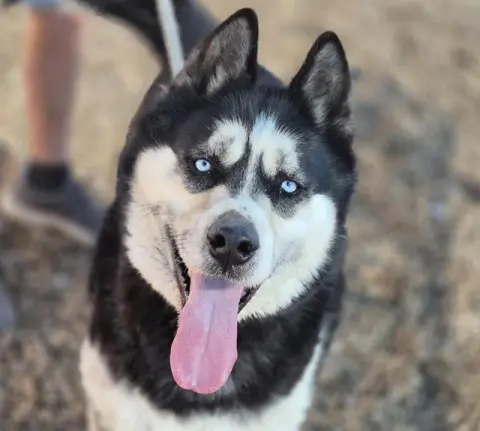
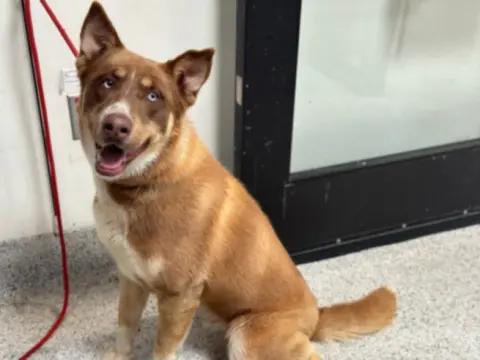
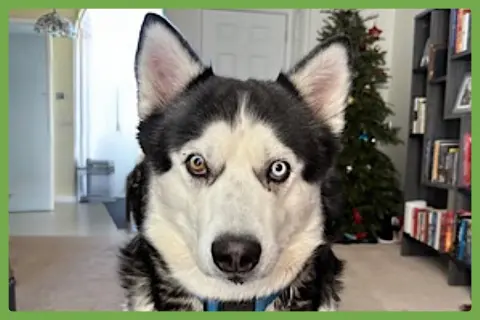
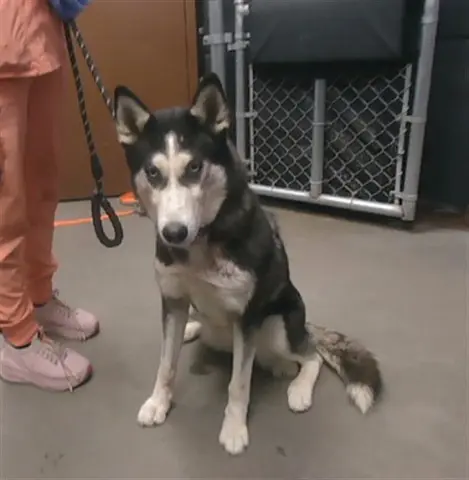
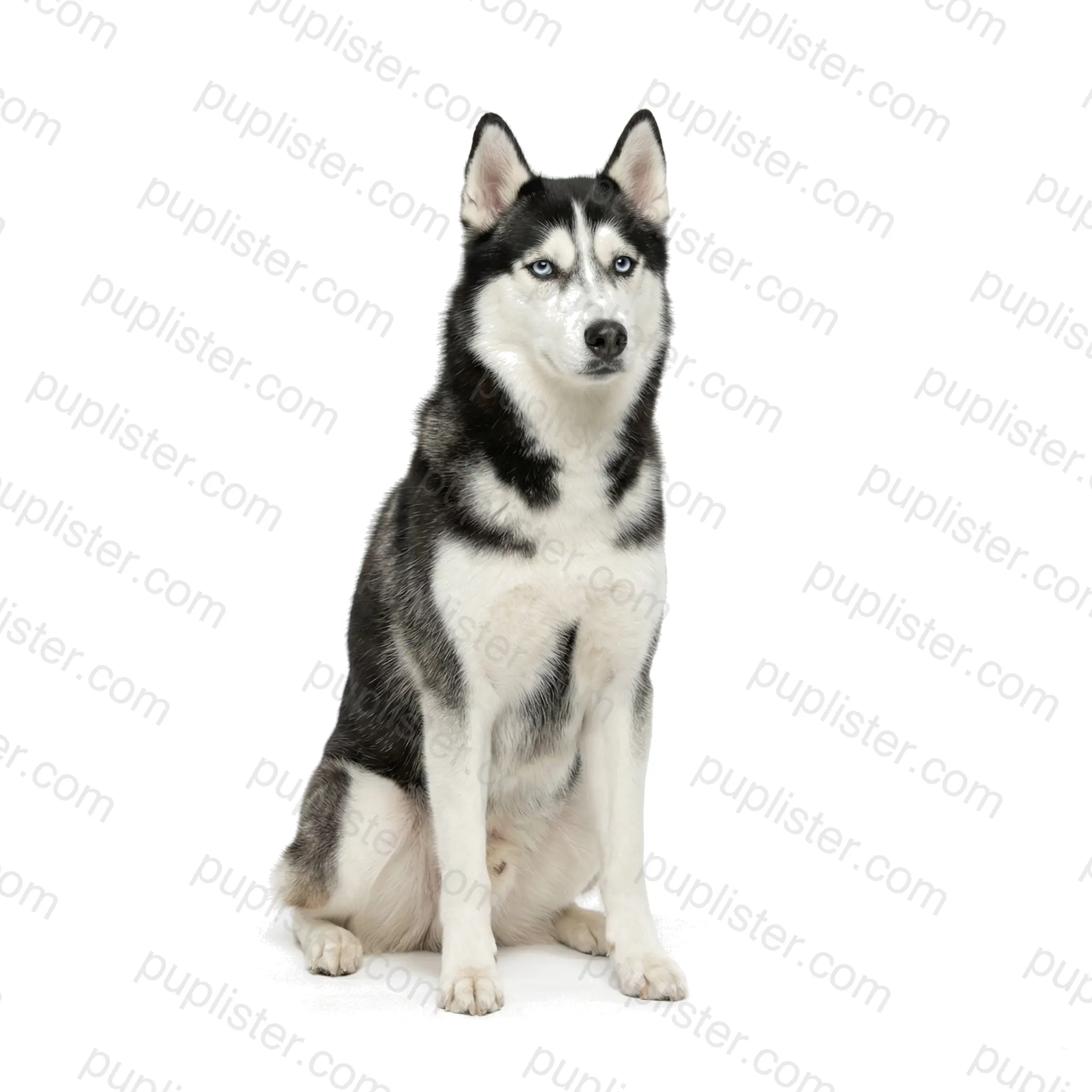
The Siberian Husky was developed over thousands of years by the Chukchi people of northeastern Siberia as an endurance sled dog capable of pulling light loads over vast frozen distances in extreme cold. These athletic, medium-sized dogs stand 20 to 23.5 inches tall and weigh 35 to 60 pounds, with a graceful, effortless gait that reflects their incredible stamina. Their thick double coat comes in virtually every color from pure white to black, often with striking facial markings, and their eyes can be brown, blue, or even one of each (heterochromia).
Siberian Huskies are friendly, outgoing, and mischievous — pack-oriented dogs that love people and make terrible guard dogs because they greet everyone like a long-lost friend. They are playful and gentle with children and generally good with other dogs, though their high prey drive makes them a risk around cats and small animals. Huskies are intelligent but famously independent, preferring to make their own decisions rather than follow commands — a trait that requires patience and humor from their owners.
The Siberian Husky's adventurous spirit and stunning beauty are irresistible — find Huskies seeking forever homes on Puplister.
Answer 5 quick questions to see how well this breed matches your lifestyle.
78 pets available
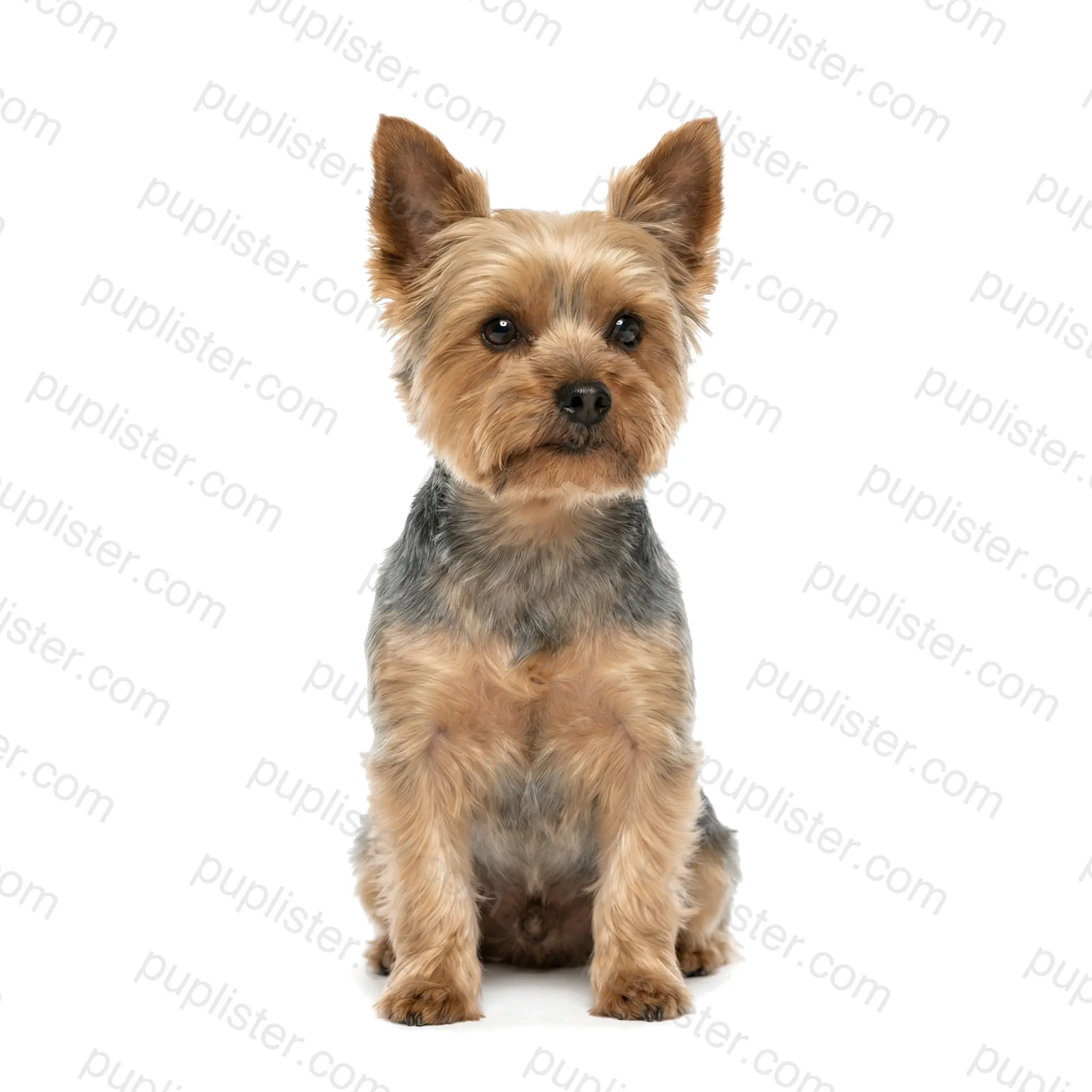
35About the Yorkshire Terrier The Yorkshire Terrier was developed in the mid-19th century in the English counties of Yorkshire and Lancashire by working-class weavers who bred small terriers to catch rats in textile mills and coal mines. Despite their current status as a glamorous toy breed, these feisty dogs retain every bit of their terrier courage in a tiny 7-pound, 7-to-8-inch frame. Their signature floor-length, silky coat is steel blue on the body and rich golden tan on the head and legs — a single-layer coat that grows continuously and is remarkably similar to human hair in texture. Temperament & Personality Yorkshire Terriers are bold, confident, and fiercely loyal — they carry themselves with a self-importance that far exceeds their diminutive stature, never hesitating to challenge dogs ten times their size. They are deeply attached to their owners and can be wonderful companions for adults and older children, though their small size and feisty temperament make them a poor fit for rough play with toddlers. Yorkies are intelligent, curious, and entertaining, bringing big-dog energy and attitude to the smallest package in the terrier world. Pros Minimal shedding — silky coat is more similar to hair than furTiny size ideal for apartments, travel, and urban livingBold watchdog temperament — always alert to unusual activityLong lifespan of 11 to 15 years with proper care Cons Fragile — easily injured by falls, being sat on, or rough handlingLong coat demands daily brushing or regular professional groomingProne to tracheal collapse, patellar luxation, portosystemic shunt, and dental diseaseCan be difficult to housetrain and may develop snappish behavior if overindulged Yorkshire Terriers prove that the best things truly come in small packages — find your Yorkie on Puplister.
34 pets available
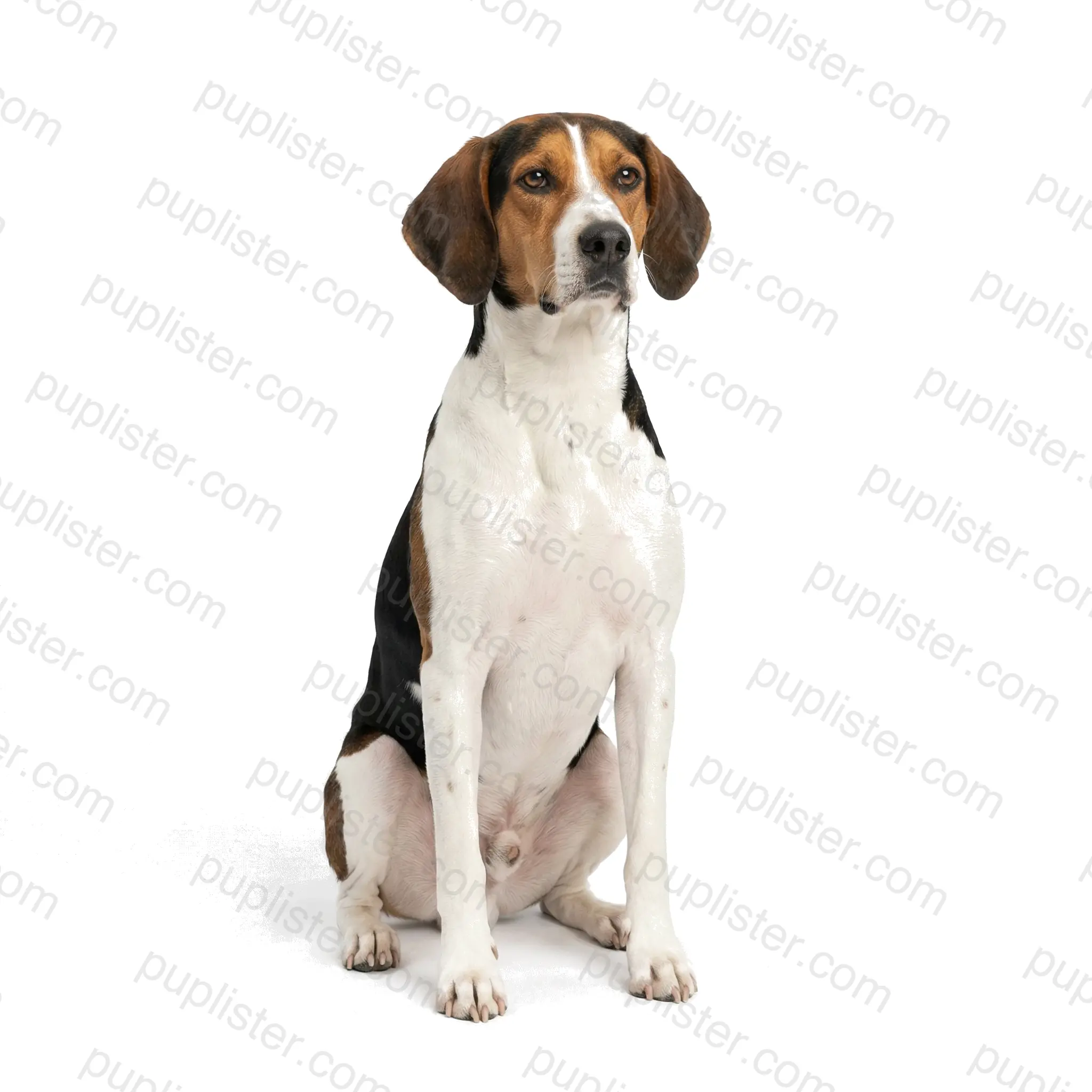
11About the Treeing Walker Coonhound The Treeing Walker Coonhound was developed in the United States from Walker Foxhounds in the mid-20th century, selectively bred for their exceptional ability to trail game and "tree" raccoons by chasing them up a tree and baying until the hunter arrives. These elegant, athletic hounds stand 20 to 27 inches tall and weigh 50 to 70 pounds, with a lean, muscular build and the classic tricolor pattern — white, black, and tan — reminiscent of their foxhound ancestry. Their short, smooth coat is dense and protective, well-suited for long hours working through brush and rough terrain. Temperament & Personality Treeing Walker Coonhounds are confident, intelligent, and affable — possessing a friendly, sociable nature that makes them enjoyable companions both in the field and at home. They are gentle with children, typically welcoming to strangers, and usually get along well with other dogs, especially those they've been raised with. Their hunting instincts run deep, however, and they can switch from couch potato to tireless tracker the moment an interesting scent crosses their path. Pros Friendly, easygoing temperament — excellent with families and other dogsLow-maintenance coat needing only weekly brushingSuperb endurance for hiking, running, and outdoor adventuresGenerally healthy breed with a lifespan of 12 to 13 years Cons Extremely vocal — loud baying and howling are a defining breed traitPowerful scent drive makes off-leash reliability very challengingRequires substantial daily exercise — bored Walkers can be destructiveProne to ear infections and hip dysplasia Treeing Walker Coonhounds bring athletic grace and a sweet disposition to any home — explore available listings on Puplister.
25 pets available
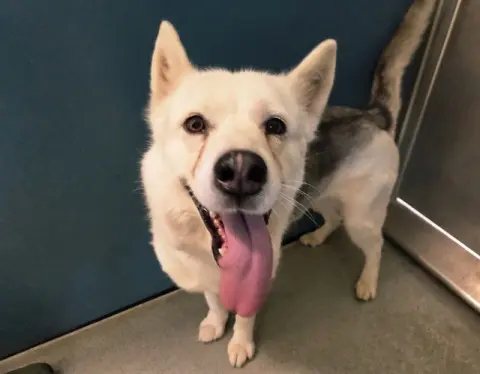
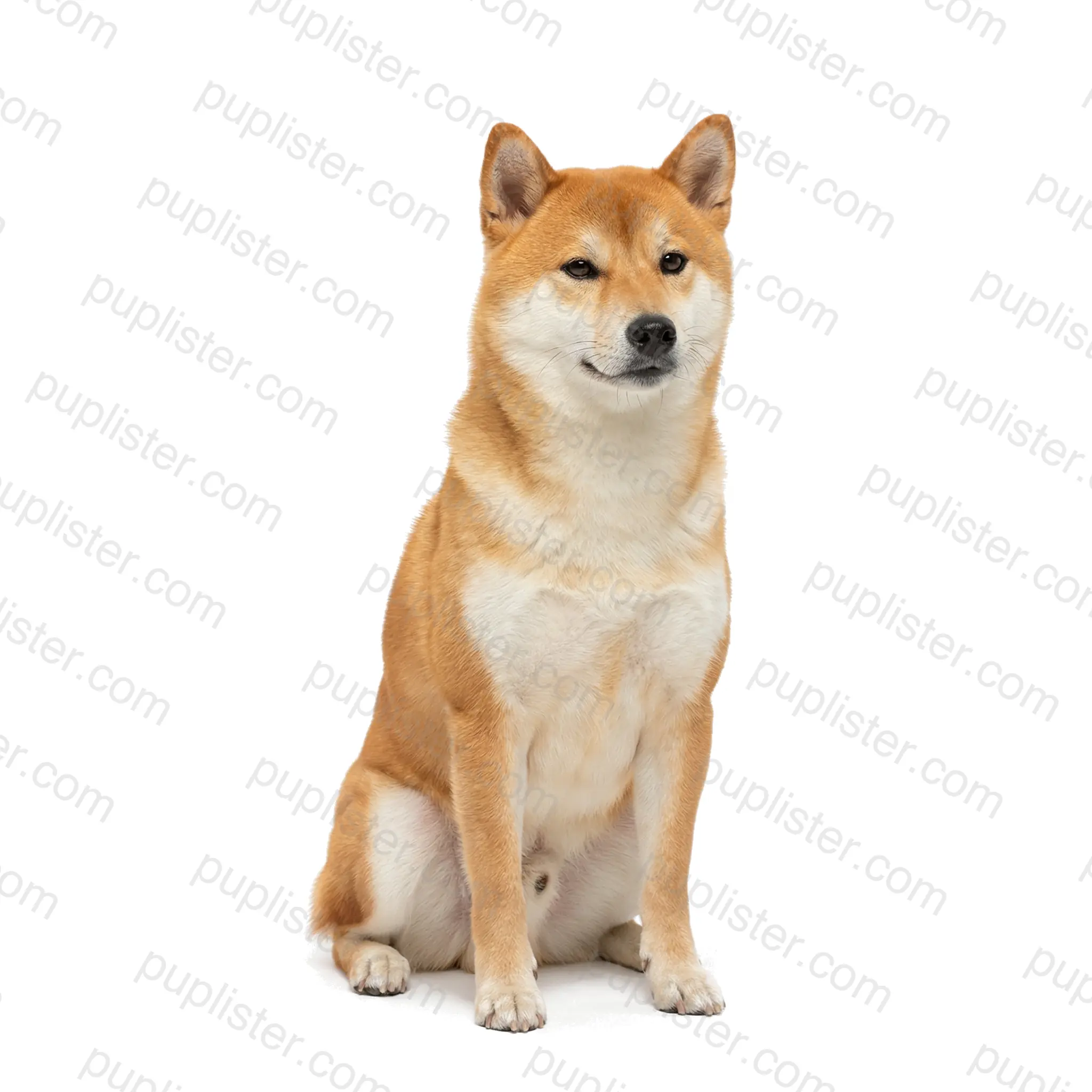
14About the Shiba Inu The Shiba Inu is Japan's oldest and smallest native breed, originally bred to flush birds and small game in the dense mountain underbrush — "shiba" may refer to brushwood or the breed's red color, while "inu" simply means dog. These compact, agile dogs stand 13.5 to 16.5 inches tall and weigh 17 to 23 pounds, with a fox-like face, small triangular ears, and a curled tail. Their stiff, plush double coat comes in red, sesame, black and tan, or cream, with distinctive "urajiro" (cream to white ventral markings). Temperament & Personality Shiba Inus are bold, alert, and fiercely independent — often described as more cat-like than dog-like in their self-possession and fastidious grooming habits. They are loyal to their families but on their own terms, and their strong-willed nature means they do not blindly follow commands. Shibas are known for the infamous "Shiba scream" — a loud, distinctive vocalization produced when displeased or overjoyed — and they can be aloof with strangers and sometimes aggressive toward other dogs. Pros Naturally clean and almost cat-like — easy to housetrain and self-groomingCompact, manageable size for apartments with adequate exerciseLoyal and devoted to their family once trust is establishedHealthy breed with a long lifespan of 13 to 16 years Cons Extremely independent and stubborn — not recommended for first-time ownersStrong prey drive and unreliable recall make off-leash freedom riskyCan be possessive of food, toys, and territory (resource guarding)Prone to allergies, patellar luxation, and hip dysplasia The Shiba Inu's spirited independence and striking looks have won fans worldwide — discover Shibas on Puplister.
11 pets available
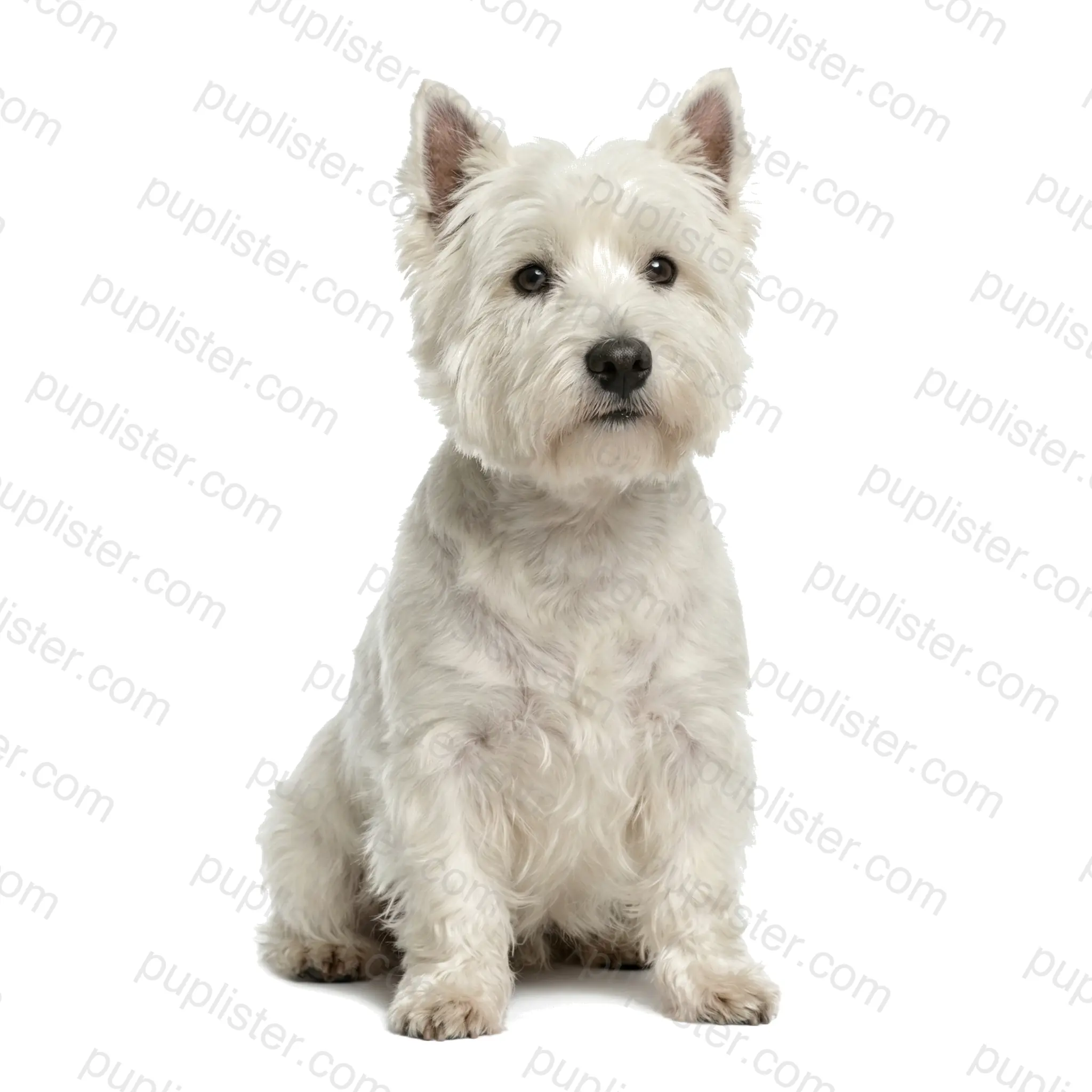
13About the West Highland White Terrier The West Highland White Terrier — universally known as the "Westie" — was developed in Scotland's western highlands during the 19th century, selectively bred from Cairn Terrier stock for its white coat to be more visible against the dark highland terrain while hunting foxes, badgers, and rats. These sturdy little dogs stand 10 to 11 inches tall and weigh 15 to 20 pounds, with a compact, balanced build and surprisingly strong legs for their size. Their double coat features a hard, straight white outer layer and a soft, dense undercoat — always pure white without exception. Temperament & Personality Westies are confident, entertaining, and surprisingly tough — carrying the classic terrier self-assurance in a friendly, less aggressive package than many of their terrier relatives. They are affectionate with their families, generally good with older children, and possess an independent, adventurous spirit that keeps life interesting. Westies are social dogs that enjoy meeting people, though they can be assertive with other dogs and retain a strong instinct to chase anything that moves. Pros Sturdy and adaptable — thrives in apartments, suburbs, and country settingsFriendly and sociable without the extreme aggression of some terrier breedsPortable size with a big, confident personalityAlert watchdog that will reliably announce visitors Cons Prone to atopic dermatitis and skin allergies — one of the most affected breedsCoat requires regular professional grooming or hand-stripping every 6 to 8 weeksCan be stubborn and willful during training — responds best to positive methodsTendency to dig and bark, especially when bored or left in the yard Westies bring Scottish charm and terrier spirit into every home — find your white-coated companion on Puplister.
Adopting a cat doesn't have to be expensive. With smart budgeting and the right resources, even those on a tight income can provide a loving, healthy home for a feline companion.
Looking for the best automatic dog feeder? We reviewed the top 3 models for every budget. Find the perfect feeder for your dog in 2026.
Is your dog drinking so much water suddenly? Learn common causes, from harmless to serious, and when to seek veterinary help for polydipsia.
Dog reverse sneezing can be scary, but it's usually a harmless reflex. Learn what causes it, how to help your dog, and when to seek vet care.