Adopted Cat Meowing All Night: How to Stop It
Adopted cat meowing all night? Discover why it happens, how to create a calm environment, and a realistic timeline to quiet nighttime meows.
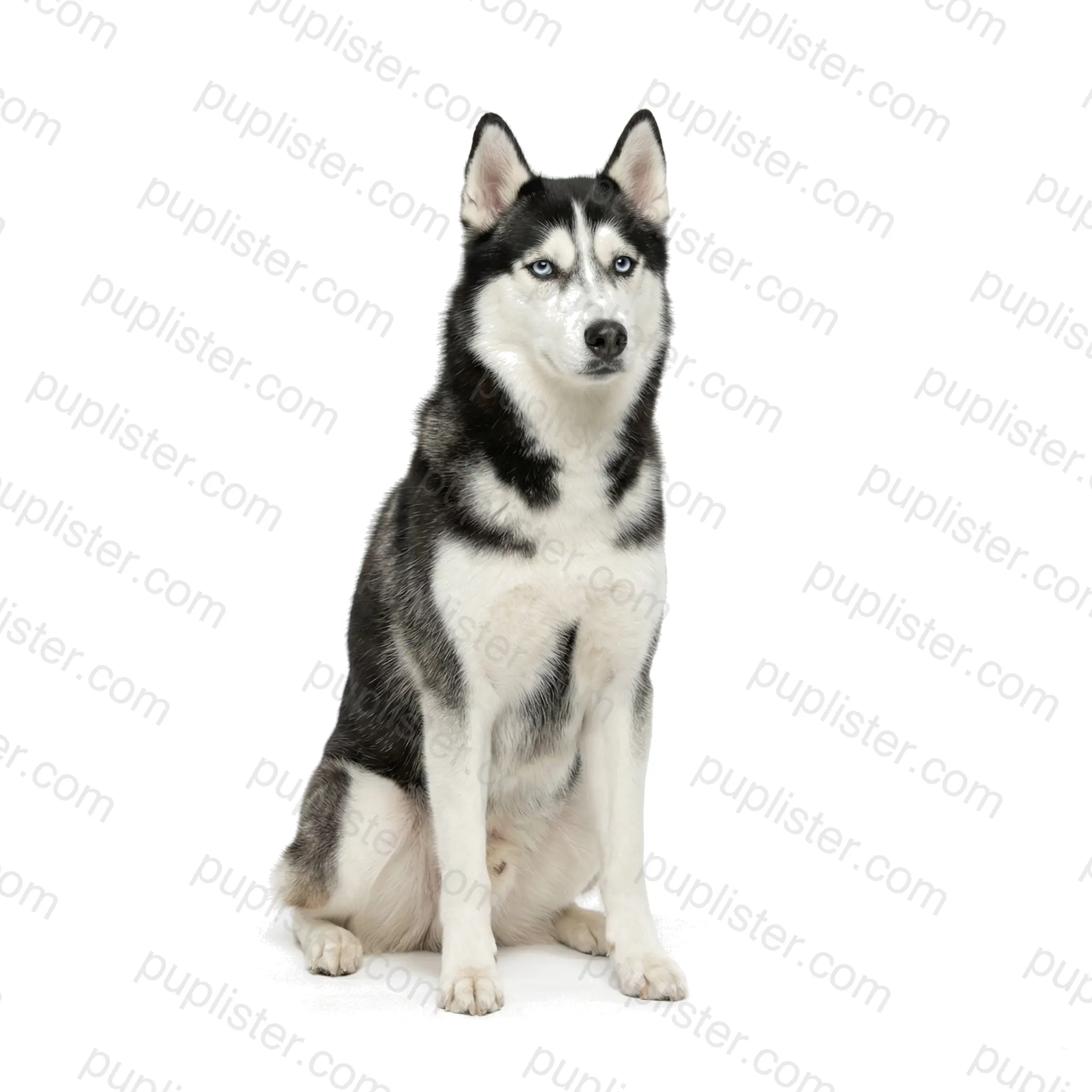
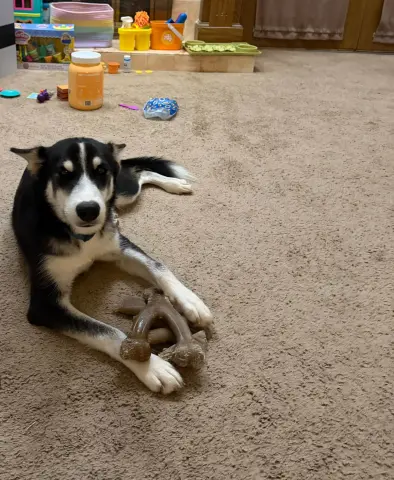
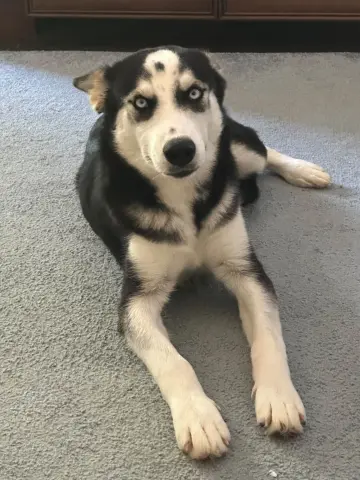
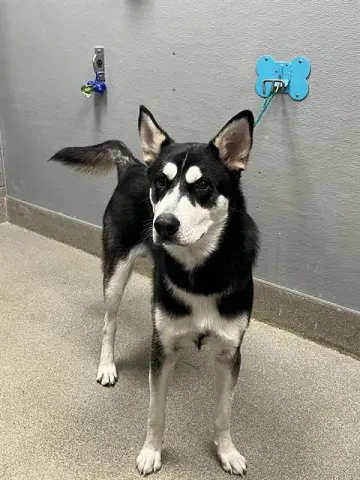
The Siberian Husky was developed over thousands of years by the Chukchi people of northeastern Siberia as an endurance sled dog capable of pulling light loads over vast frozen distances in extreme cold. These athletic, medium-sized dogs stand 20 to 23.5 inches tall and weigh 35 to 60 pounds, with a graceful, effortless gait that reflects their incredible stamina. Their thick double coat comes in virtually every color from pure white to black, often with striking facial markings, and their eyes can be brown, blue, or even one of each (heterochromia).
Siberian Huskies are friendly, outgoing, and mischievous — pack-oriented dogs that love people and make terrible guard dogs because they greet everyone like a long-lost friend. They are playful and gentle with children and generally good with other dogs, though their high prey drive makes them a risk around cats and small animals. Huskies are intelligent but famously independent, preferring to make their own decisions rather than follow commands — a trait that requires patience and humor from their owners.
The Siberian Husky's adventurous spirit and stunning beauty are irresistible — find Huskies seeking forever homes on Puplister.
Answer 5 quick questions to see how well this breed matches your lifestyle.
Siberian Husky / German Shepherd Dog
3 pets available
3About the Anatolian Shepherd The Anatolian Shepherd — also known as the Kangal Shepherd Dog — hails from the Anatolian plateau of Turkey, where it has guarded livestock from wolves and bears for thousands of years. This imposing breed stands 27–29 inches tall and weighs 80–150 pounds, with males often exceeding 140 pounds of lean muscle. Their short to medium-length double coat comes in fawn with a distinctive black mask, though brindle, white, and pinto variations also occur.Temperament & PersonalityAnatolian Shepherds are independent, intelligent, and territorial — they were bred to make decisions on their own while guarding flocks, and that self-reliance is deeply ingrained. They are calm and affectionate with their family but reserved and suspicious of strangers, making them exceptional guardian dogs. They can coexist with children and other pets they've been raised with, but their guarding instinct means they need owners who understand livestock guardian breed behavior.ProsSupreme livestock and property guardian — few breeds match their protective instinctsLow-energy indoors despite their size, content to patrol and observeHardy and healthy breed with relatively few genetic health problemsRemarkably low grooming needs for a large-breed dogConsExtremely independent and not naturally inclined to obey commands without questionRequires a large, securely fenced property — not suited for apartment or suburban lifeCan be aggressive toward unfamiliar dogs and people without extensive socializationTheir booming bark — used to ward off predators — can be a problem in residential areasIf you have the space and experience for this magnificent guardian, explore adoptable Anatolian Shepherds on Puplister.
50 pets available
About the Belgian Malinois The Belgian Malinois hails from the city of Malines in Belgium, where it was developed in the late 1800s as a versatile herding and working dog. Standing 22–26 inches tall and weighing 40–80 pounds, the Malinois is a lean, athletic dog with a square build and an alert, intelligent expression. Their short, straight double coat comes in rich fawn to mahogany with a distinctive black mask and ear tips, and while they shed year-round, grooming needs are minimal.Temperament & PersonalityBelgian Malinois are driven, intense, and extraordinarily intelligent — they are the breed of choice for military, police, and protection work worldwide. They form incredibly strong bonds with their handler and are always eager to work, making them outstanding training partners for experienced owners. However, their intensity and high drive are not for casual pet owners — without proper outlets, a Malinois can become neurotic, destructive, or reactive.ProsUnmatched work ethic and trainability — excels in virtually every canine sport and jobFiercely loyal and protective without being unnecessarily aggressiveAthletic and agile with exceptional speed and enduranceLower incidence of hip dysplasia compared to similar-sized breeds like the German ShepherdConsExtremely high energy and drive — requires several hours of physical and mental exercise dailyNot suitable for first-time dog owners or sedentary householdsCan become reactive or fearful without extensive, early socializationProne to progressive retinal atrophy, elbow dysplasia, and sensitivity to anesthesiaThe Belgian Malinois is a remarkable breed for the right owner — find adoptable Malinois on Puplister who are looking for their forever mission.
10 pets available
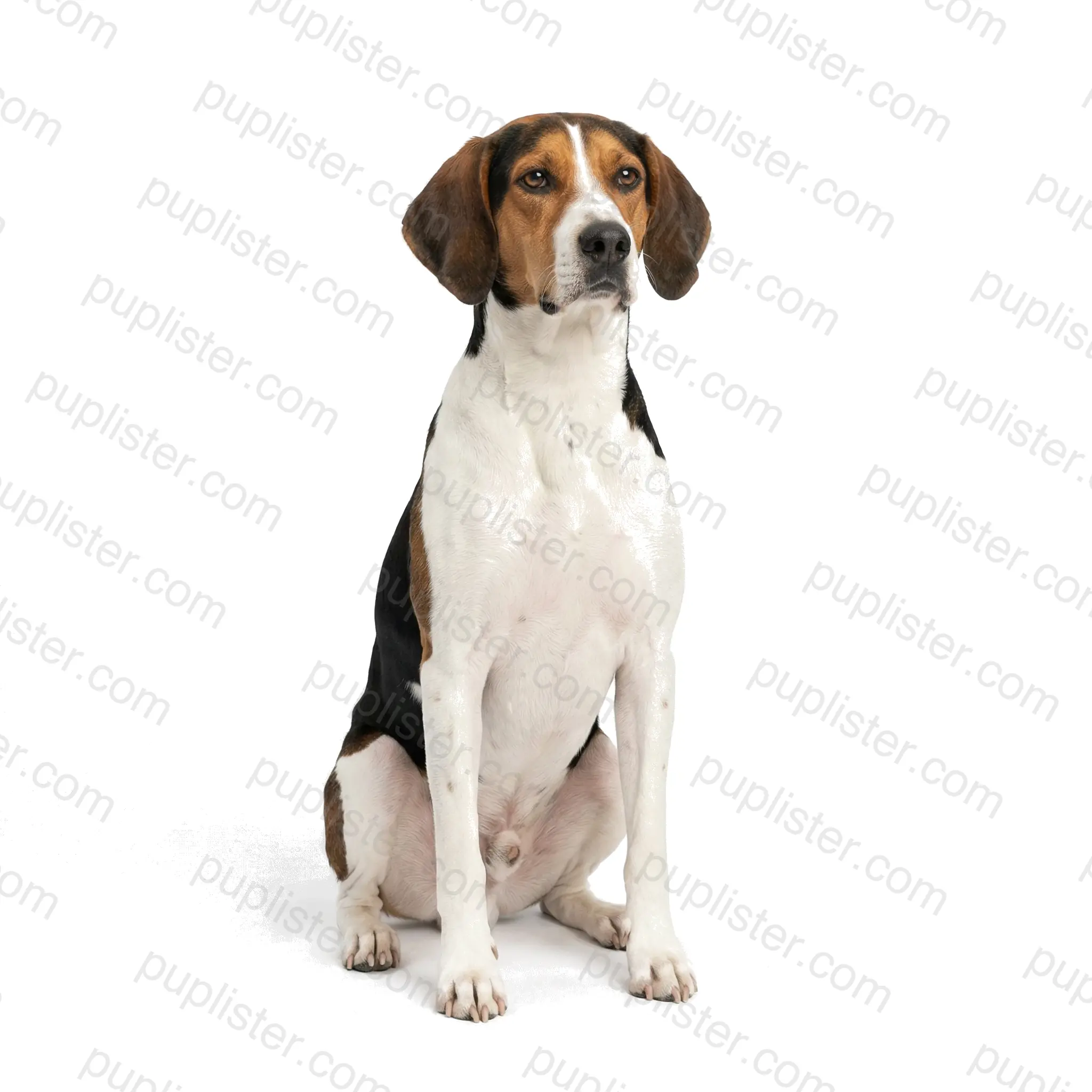
1About the Pointer The Pointer — also called the English Pointer — was developed in England in the 17th century, likely from crosses of Spanish Pointers, Foxhounds, Greyhounds, and Bloodhounds. These elegant, athletic dogs stand 23 to 28 inches tall and weigh 45 to 75 pounds, built with a lean, muscular frame designed for speed and endurance in the field. Their short, smooth coat comes in liver, lemon, black, or orange — either solid or combined with white in striking patterns. Temperament & Personality Pointers are energetic, even-tempered, and intensely driven in the field, yet remarkably calm and affectionate at home once adequately exercised. They are friendly with everyone — children, strangers, and other dogs — making them poor guard dogs but excellent family companions. Their strong pointing instinct often appears naturally in puppyhood, and they thrive when given a purposeful outlet for their energy and intelligence. Pros Outstanding stamina and speed for active owners who run, bike, or huntExceptionally friendly and gentle with children and other petsShort coat requires minimal grooming — just occasional brushingHighly trainable for field work, agility, and competitive obedience Cons Extremely high energy — requires 1 to 2 hours of vigorous exercise dailyCan become destructive and anxious without sufficient physical outletsStrong prey drive makes them unreliable around small animalsProne to hip dysplasia, hypothyroidism, and certain eye conditions An active lifestyle deserves an equally active companion — find your Pointer on Puplister today.
39 pets available
About the Dachshund The Dachshund — affectionately known as the "wiener dog" — was developed in Germany over 300 years ago to hunt badgers in their underground dens, which explains their uniquely elongated body and short, powerful legs. They come in two sizes — Standard (16–32 pounds) and Miniature (under 11 pounds) — and three coat types: smooth, longhaired, and wirehaired, each with its own personality nuances. Their color palette is remarkably varied, including red, black and tan, chocolate, dapple, brindle, and piebald patterns.Temperament & PersonalityDachshunds are bold, clever, and remarkably stubborn — a combination that makes them endlessly entertaining and occasionally infuriating. They're fiercely loyal to their families and can be surprisingly courageous watchdogs, barking with the intensity of a dog three times their size. While affectionate with their people, they can be wary of strangers and may not tolerate rough handling from young children.ProsCompact size and moderate exercise needs make them excellent apartment companionsBold, entertaining personality — constantly amusing their owners with clownish anticsLong lifespan of 12–16 years with proper care and weight managementWirehaired variety sheds minimally and is well-suited for allergy-conscious homesConsExtremely prone to intervertebral disc disease — 1 in 4 will experience back problemsNotoriously difficult to housebreak — often takes 6+ months of consistent trainingStrong prey drive and tunneling instinct — will dig up gardens and chase small animals relentlesslyProne to obesity, which dramatically increases the risk of spinal injuriesCharmed by these spirited little hounds? Find Dachshunds seeking loving homes on Puplister today.
Adopted cat meowing all night? Discover why it happens, how to create a calm environment, and a realistic timeline to quiet nighttime meows.
Is your adopted cat not eating? Learn the causes, from stress to past trauma, and discover practical solutions to get your new feline friend eating again.
Is your new cat hiding and won't come out? It's normal, but proactive steps can help. Learn how to build trust with your shy adopted cat.
Discover how long it takes for a rescue cat to feel at home with our experienced guide, covering the 3-3-3 rule and actionable tips.