Siberian Husky Siberian Husky

Siberian Husky

4
Outgoing Mischievous Loyal Friendly

About the Siberian Husky

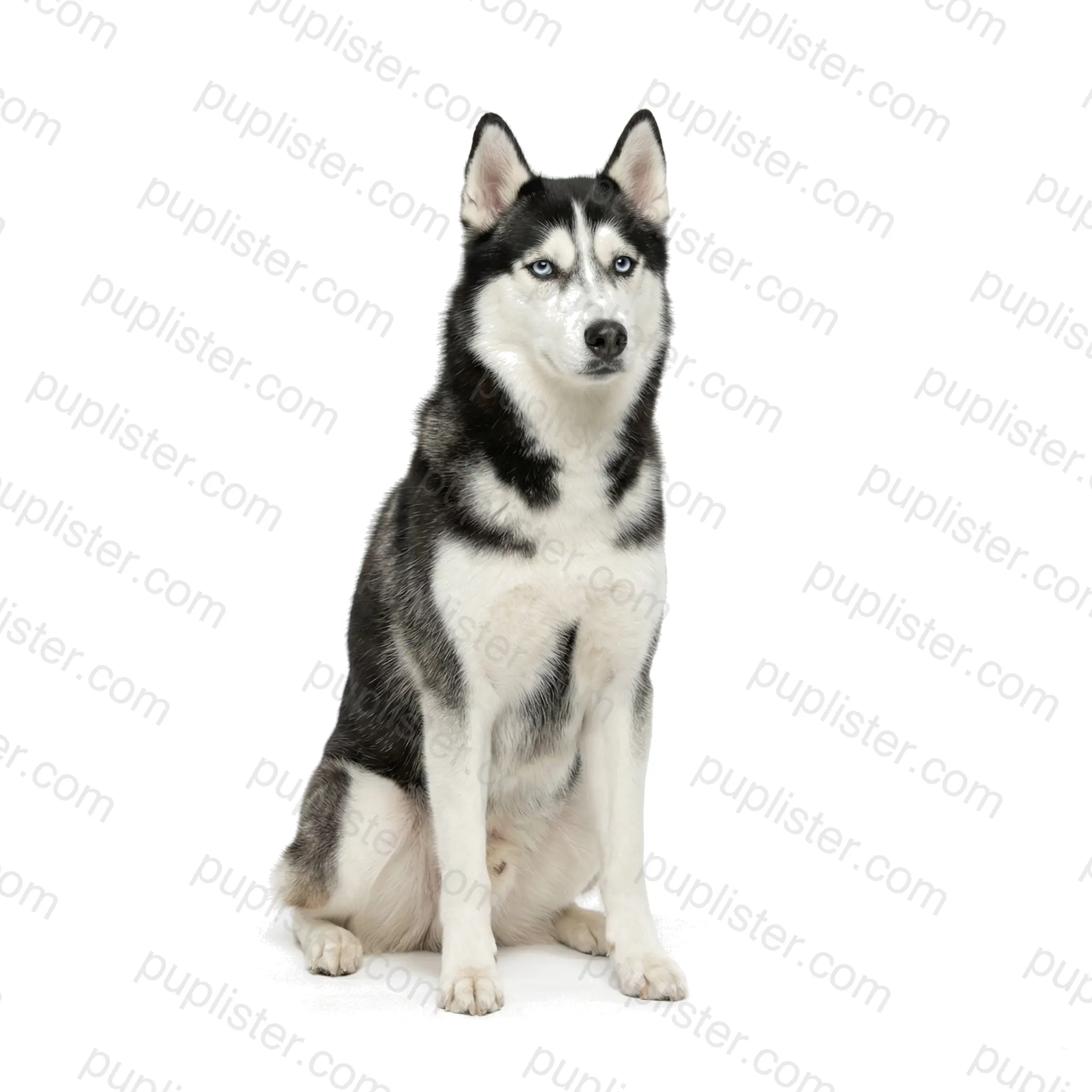
The Siberian Husky was developed over thousands of years by the Chukchi people of northeastern Siberia as an endurance sled dog capable of pulling light loads over vast frozen distances in extreme cold. These athletic, medium-sized dogs stand 20 to 23.5 inches tall and weigh 35 to 60 pounds, with a graceful, effortless gait that reflects their incredible stamina. Their thick double coat comes in virtually every color from pure white to black, often with striking facial markings, and their eyes can be brown, blue, or even one of each (heterochromia).

Temperament & Personality

Siberian Huskies are friendly, outgoing, and mischievous — pack-oriented dogs that love people and make terrible guard dogs because they greet everyone like a long-lost friend. They are playful and gentle with children and generally good with other dogs, though their high prey drive makes them a risk around cats and small animals. Huskies are intelligent but famously independent, preferring to make their own decisions rather than follow commands — a trait that requires patience and humor from their owners.

Pros

  • Friendly, social, and gentle with children and strangers alike
  • Naturally clean with little doggy odor — self-grooming like a cat
  • Outstanding endurance athlete for running, hiking, and winter sports
  • Healthy breed with a lifespan of 12 to 14 years

Cons

  • Extreme shedding — blows the entire undercoat twice yearly in massive quantities
  • Legendary escape artists — can jump fences, dig under them, and open latches
  • Strong prey drive makes them dangerous around cats, rabbits, and small animals
  • Not suited for hot climates and requires air conditioning in warm regions

The Siberian Husky's adventurous spirit and stunning beauty are irresistible — find Huskies seeking forever homes on Puplister.

Siberian Husky Quick Facts

Size
35–60 lbs, 20–24 in
Lifespan
12–14 years
Exercise
Very High
Grooming
High
Good with Kids
Yes
Good with Pets
Not recommended

Is the Siberian Husky right for you?

Answer 5 quick questions to see how well this breed matches your lifestyle.

Take the Quiz

Available Siberian Huskies

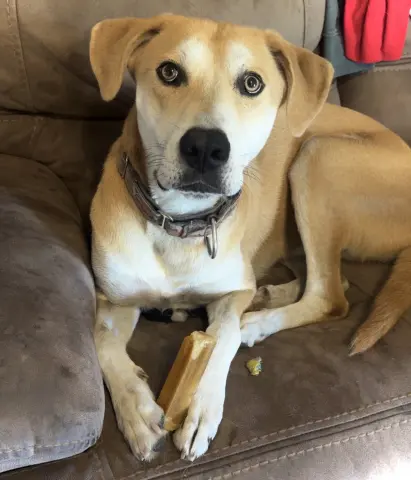
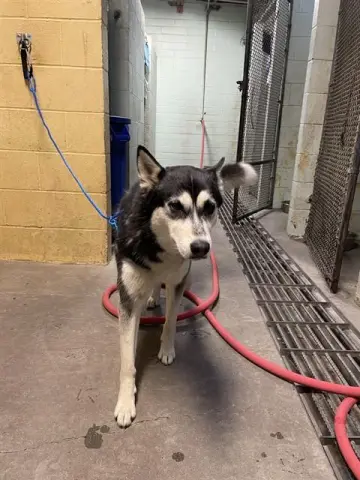
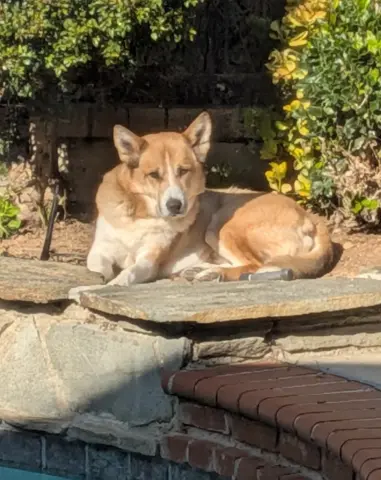
Sweetie
Adult

Golden Retriever / Siberian Husky

Alaskan Animal Rescue Friends · Anchorage, AK
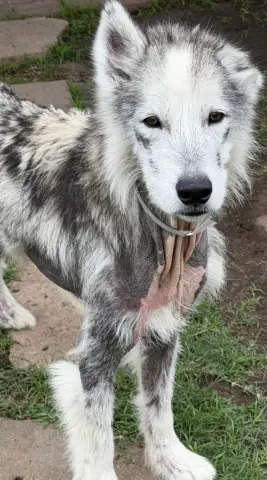
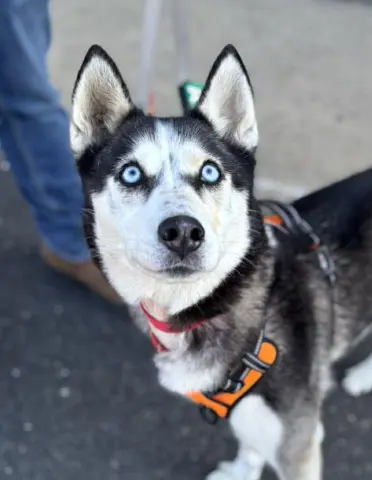
Prancer
Adult

Siberian Husky

Northern California Sled Dog Rescue · Walnut Creek, CA
Chula
Adult
Chula
L

German Shepherd Dog / Siberian Husky

The Animal Foundation · Las Vegas, NV
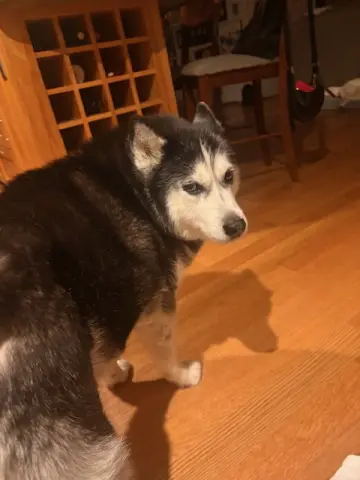
Blue
Senior
Blue
M

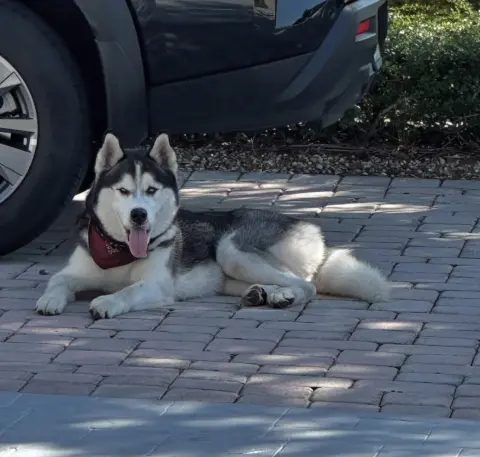
Siberian Husky

Northern California Sled Dog Rescue · Walnut Creek, CA
Yeti
Baby
Yeti
M

German Shepherd Dog / Siberian Husky

Semper Fi Legacy Rescue · Ball Ground, GA
Dani
Young
Dani
L

Siberian Husky

Stanislaus County Animal Services · Modesto, CA
Daisy
Adult 1
Daisy
L

Siberian Husky

Friends Of The Alameda Animal Shelter · Alameda, CA
Hana
Adult
Hana
S

Siberian Husky

Irvine Animal Care Center · Irvine, CA
Allie
Adult
Allie
M

Siberian Husky

San Antonio Animal Care Services · San Antonio, TX
Molly
Young
Molly
M

Siberian Husky

Elk Grove Animal Services · Elk Grove, CA
Enrique
Young

American Pit Bull Terrier / Siberian Husky

Solano County Animal Care Division · Fairfield, CA
Ice Cream
Young

Siberian Husky

Maricopa County Animal Care And Control West Valley Animal Care Center · Phoenix, AZ

Related Breeds

Rottweiler

22 pets available

1

About the Rottweiler The Rottweiler descends from Roman drover dogs that accompanied legions through the Alps, eventually settling in the German town of Rottweil where they drove cattle and pulled carts for butchers for centuries. These robust, powerful dogs stand 22 to 27 inches tall and weigh 80 to 135 pounds, with a broad head, strong jaws, and a compact, muscular build. Their short, dense double coat is always black with distinctive rust to mahogany markings on the cheeks, muzzle, chest, legs, and above the eyes. Temperament & Personality Rottweilers are confident, calm, and courageous — deeply devoted to their families with a natural guarding instinct that requires responsible ownership and thorough socialization. With proper training and socialization, they are gentle, playful, and even goofy with their families, including children. Rottweilers are intelligent and eager to work, excelling in obedience, tracking, herding, and therapy roles, but they need an owner who provides consistent leadership and clear boundaries. Pros Exceptionally loyal and naturally protective of family without excessive aggressionHighly intelligent and trainable — eager to work and please their handlerVersatile working dog excelling in obedience, search and rescue, and therapyLow-maintenance coat requiring only weekly brushing Cons Requires experienced ownership with consistent training and early socializationProne to hip and elbow dysplasia, osteosarcoma, and bloatBreed-specific legislation and homeowner's insurance restrictions in many areasCan develop territorial aggression without proper socialization and leadership A well-raised Rottweiler is one of the finest companions in the canine world — explore adoption listings on Puplister.

Yorkshire Terrier

24 pets available

About the Yorkshire Terrier The Yorkshire Terrier was developed in the mid-19th century in the English counties of Yorkshire and Lancashire by working-class weavers who bred small terriers to catch rats in textile mills and coal mines. Despite their current status as a glamorous toy breed, these feisty dogs retain every bit of their terrier courage in a tiny 7-pound, 7-to-8-inch frame. Their signature floor-length, silky coat is steel blue on the body and rich golden tan on the head and legs — a single-layer coat that grows continuously and is remarkably similar to human hair in texture. Temperament & Personality Yorkshire Terriers are bold, confident, and fiercely loyal — they carry themselves with a self-importance that far exceeds their diminutive stature, never hesitating to challenge dogs ten times their size. They are deeply attached to their owners and can be wonderful companions for adults and older children, though their small size and feisty temperament make them a poor fit for rough play with toddlers. Yorkies are intelligent, curious, and entertaining, bringing big-dog energy and attitude to the smallest package in the terrier world. Pros Minimal shedding — silky coat is more similar to hair than furTiny size ideal for apartments, travel, and urban livingBold watchdog temperament — always alert to unusual activityLong lifespan of 11 to 15 years with proper care Cons Fragile — easily injured by falls, being sat on, or rough handlingLong coat demands daily brushing or regular professional groomingProne to tracheal collapse, patellar luxation, portosystemic shunt, and dental diseaseCan be difficult to housetrain and may develop snappish behavior if overindulged Yorkshire Terriers prove that the best things truly come in small packages — find your Yorkie on Puplister.

Treeing Walker Coonhound

9 pets available

2

About the Treeing Walker Coonhound The Treeing Walker Coonhound was developed in the United States from Walker Foxhounds in the mid-20th century, selectively bred for their exceptional ability to trail game and "tree" raccoons by chasing them up a tree and baying until the hunter arrives. These elegant, athletic hounds stand 20 to 27 inches tall and weigh 50 to 70 pounds, with a lean, muscular build and the classic tricolor pattern — white, black, and tan — reminiscent of their foxhound ancestry. Their short, smooth coat is dense and protective, well-suited for long hours working through brush and rough terrain. Temperament & Personality Treeing Walker Coonhounds are confident, intelligent, and affable — possessing a friendly, sociable nature that makes them enjoyable companions both in the field and at home. They are gentle with children, typically welcoming to strangers, and usually get along well with other dogs, especially those they've been raised with. Their hunting instincts run deep, however, and they can switch from couch potato to tireless tracker the moment an interesting scent crosses their path. Pros Friendly, easygoing temperament — excellent with families and other dogsLow-maintenance coat needing only weekly brushingSuperb endurance for hiking, running, and outdoor adventuresGenerally healthy breed with a lifespan of 12 to 13 years Cons Extremely vocal — loud baying and howling are a defining breed traitPowerful scent drive makes off-leash reliability very challengingRequires substantial daily exercise — bored Walkers can be destructiveProne to ear infections and hip dysplasia Treeing Walker Coonhounds bring athletic grace and a sweet disposition to any home — explore available listings on Puplister.

Flat-Coated Retriever

2 pets available

1

About the Flat-Coated Retriever The Flat-Coated Retriever — often called the "Peter Pan of the dog world" — was developed in 19th-century England as a dual-purpose retriever for both land and water work. Standing 22–24.5 inches tall and weighing 60–70 pounds, this elegant sporting dog wears a lustrous, flat-lying coat of solid black or liver that gives the breed its name. Once the most popular retriever in Britain before being eclipsed by Labradors and Goldens, the Flat-Coat remains a hidden gem among sporting breeds.Temperament & PersonalityFlat-Coated Retrievers are famously exuberant and retain their puppy-like enthusiasm well into old age — a trait that delights their owners but demands patience. They are outgoing, optimistic dogs that greet virtually everyone — family, friends, and strangers alike — with unbridled joy and a wagging tail. Their gentle, playful nature makes them excellent family dogs, though their boisterous energy may overwhelm very young children.ProsPerpetually cheerful and optimistic temperament — a natural mood booster for the householdExcellent with children and other dogs — rarely shows aggressionVersatile sporting dog — excels in field trials, agility, obedience, and therapy workBeautiful, easy-care coat that requires only moderate groomingConsTragically high cancer rates — histiocytic sarcoma and other cancers claim many before age 8Average lifespan of just 8–10 years — significantly shorter than similar-sized breedsSlow to mature mentally and physically — can be challenging during the extended adolescent phasePoor watchdog — greets intruders with the same enthusiasm as family membersGive a joyful Flat-Coated Retriever the loving home they deserve — check available dogs on Puplister today.

Related Articles

Frequently Asked Questions

What are the key traits of a Siberian Husky?
The Siberian Husky is known for being outgoing, mischievous, loyal and friendly.
How many Siberian Huskies are available for adoption?
There are currently 102 Siberian Huskies available for adoption on Puplister. Browse the listings above to find your perfect match.
How do I adopt a Siberian Husky from Puplister?
To adopt a Siberian Husky, browse the available listings on this page, click on a pet you're interested in, and contact the shelter directly through their profile page.