Siberian Husky Siberian Husky

Siberian Husky

193
Outgoing Mischievous Loyal Friendly

About the Siberian Husky

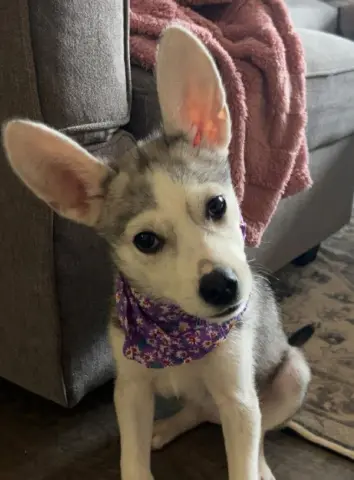
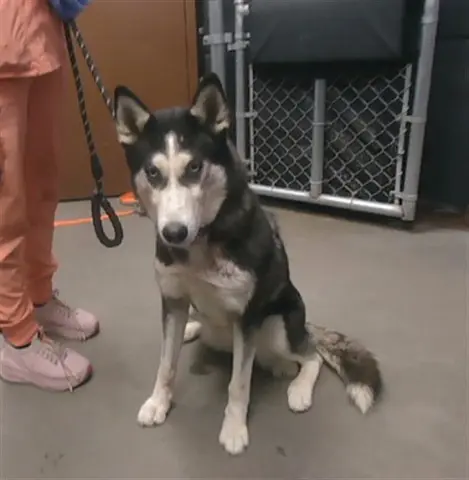
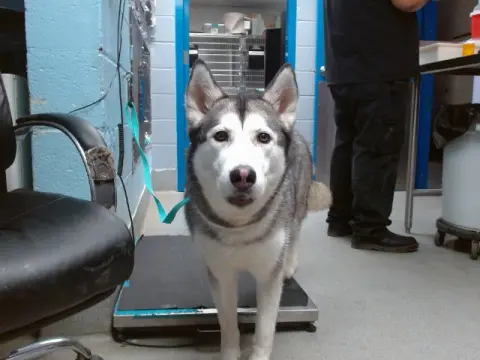
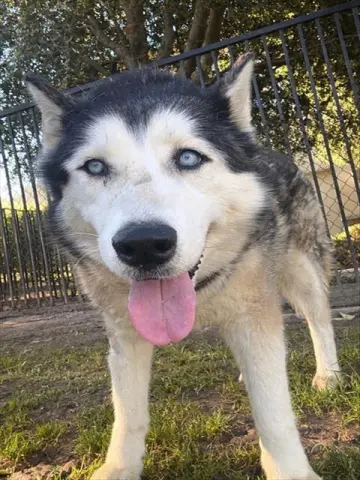
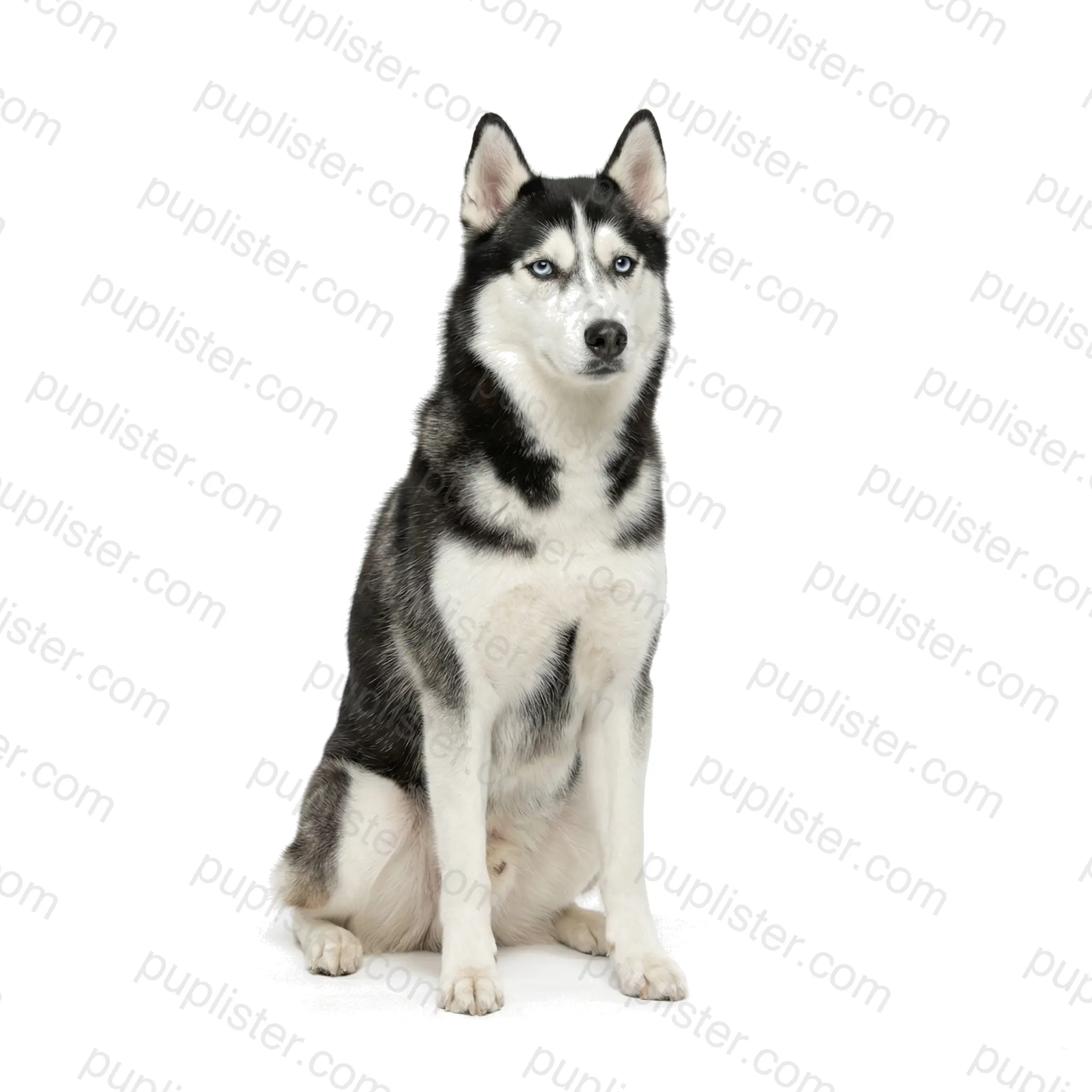
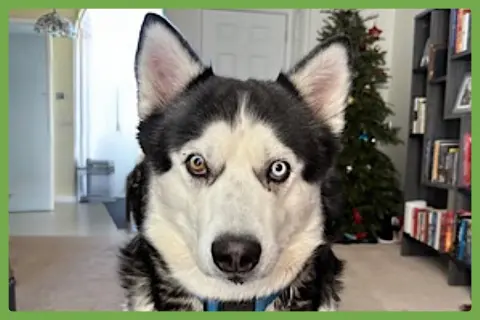
The Siberian Husky was developed over thousands of years by the Chukchi people of northeastern Siberia as an endurance sled dog capable of pulling light loads over vast frozen distances in extreme cold. These athletic, medium-sized dogs stand 20 to 23.5 inches tall and weigh 35 to 60 pounds, with a graceful, effortless gait that reflects their incredible stamina. Their thick double coat comes in virtually every color from pure white to black, often with striking facial markings, and their eyes can be brown, blue, or even one of each (heterochromia).

Temperament & Personality

Siberian Huskies are friendly, outgoing, and mischievous — pack-oriented dogs that love people and make terrible guard dogs because they greet everyone like a long-lost friend. They are playful and gentle with children and generally good with other dogs, though their high prey drive makes them a risk around cats and small animals. Huskies are intelligent but famously independent, preferring to make their own decisions rather than follow commands — a trait that requires patience and humor from their owners.

Pros

  • Friendly, social, and gentle with children and strangers alike
  • Naturally clean with little doggy odor — self-grooming like a cat
  • Outstanding endurance athlete for running, hiking, and winter sports
  • Healthy breed with a lifespan of 12 to 14 years

Cons

  • Extreme shedding — blows the entire undercoat twice yearly in massive quantities
  • Legendary escape artists — can jump fences, dig under them, and open latches
  • Strong prey drive makes them dangerous around cats, rabbits, and small animals
  • Not suited for hot climates and requires air conditioning in warm regions

The Siberian Husky's adventurous spirit and stunning beauty are irresistible — find Huskies seeking forever homes on Puplister.

Siberian Husky Quick Facts

Size
35–60 lbs, 20–24 in
Lifespan
12–14 years
Exercise
Very High
Grooming
High
Good with Kids
Yes
Good with Pets
Not recommended

Is the Siberian Husky right for you?

Answer 5 quick questions to see how well this breed matches your lifestyle.

Take the Quiz

Available Siberian Huskies

Apollo
Adult 2
Apollo
L

Siberian Husky

Joyful Pets Animal Rescue · Amherst, MA
Owala
Young
Owala
M

Siberian Husky

Husky House · Matawan, NJ
Tribeca
Baby 1

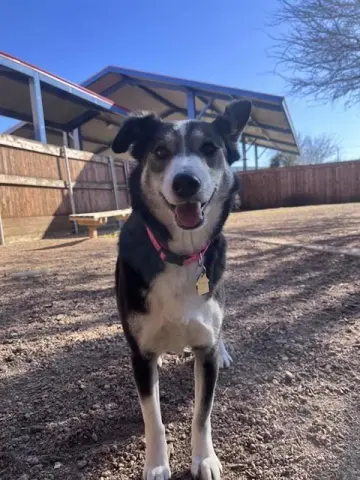
German Shepherd Dog / Siberian Husky

Adopt A Pit Rescue · Germantown, OH
Chandelier
Young 2

Siberian Husky

Maricopa County Animal Care And Control West Valley Animal Care Center · Phoenix, AZ
Lola
Young 2
Lola
L

Siberian Husky

Coastal Animal Services Authority · San Clemente, CA
Cream
Young
Cream
M

Siberian Husky

Albuquerque Animal Services Westside · Albuquerque, NM
Flurry
Adult
Flurry
L

Siberian Husky

Riverside County Animal Control · Riverside, CA
Cookie
Adult 2
Cookie
M

Siberian Husky

Plano Animal Shelter · Plano, TX

Related Breeds

Weimaraner

18 pets available

19

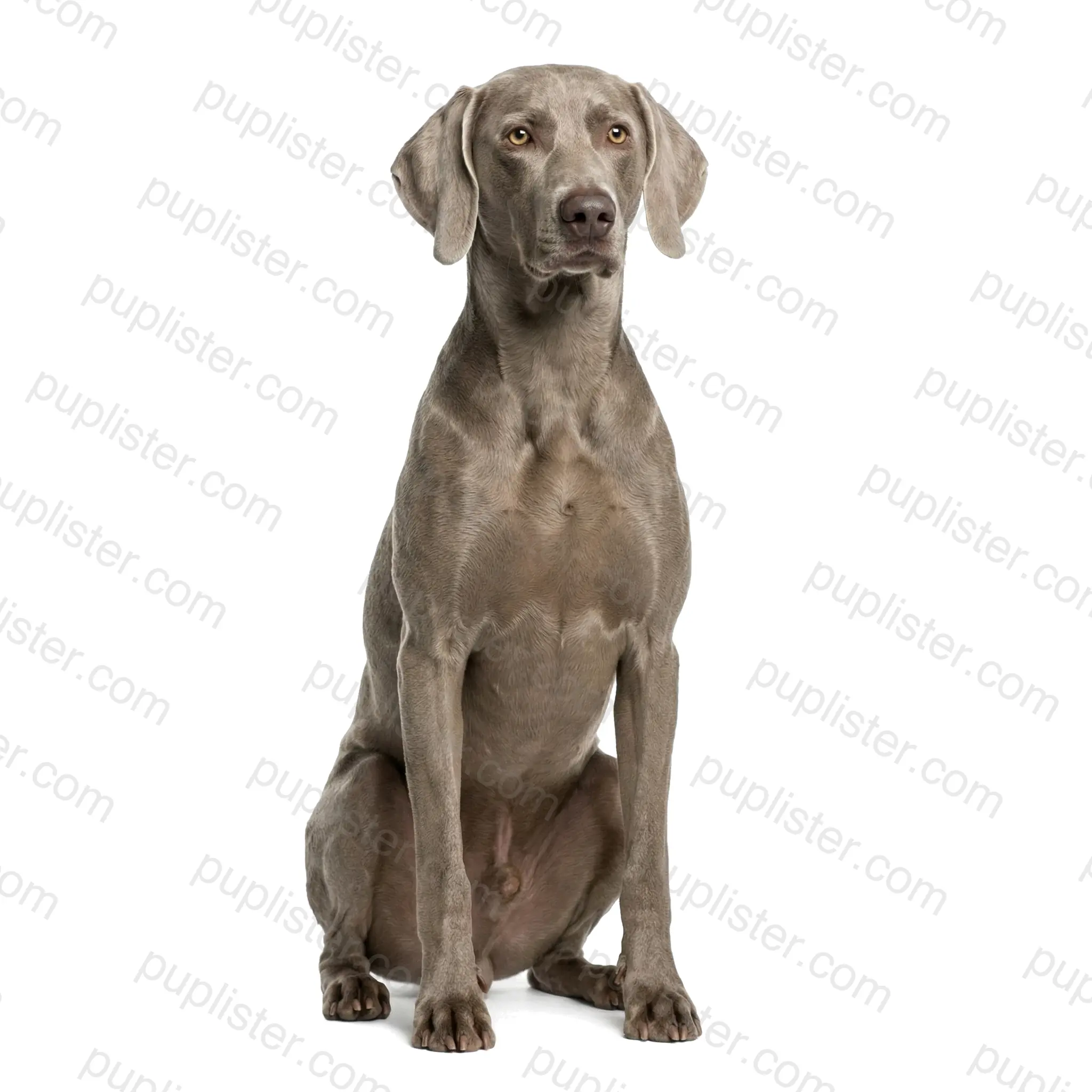
About the Weimaraner The Weimaraner was developed in the early 19th century at the court of Weimar in Germany, where nobles bred these dogs to hunt large game — boar, bear, and deer — before transitioning them to bird dog duties as large game became scarce. These striking, athletic dogs stand 23 to 27 inches tall and weigh 55 to 90 pounds, with a sleek, powerful build designed for speed and endurance. Their distinctive short, smooth coat comes in shades of mouse-gray to silver-gray — earning them the nickname "Gray Ghost" — complemented by striking amber or blue-gray eyes. Temperament & Personality Weimaraners are fearless, friendly, and intensely devoted to their families — they crave human companionship and do not do well as kennel or outdoor-only dogs. They are energetic and playful with children, generally sociable with other dogs, and possess an intelligence that demands both physical and mental outlets. Without adequate exercise and attention, Weimaraners become anxious, destructive, and can develop severe behavioral problems. Pros Strikingly beautiful with an unmistakable silver-gray appearanceVersatile sporting dog — excellent for hunting, running, and competitive eventsHighly intelligent and trainable with consistent, positive methodsShort coat requires minimal grooming and sheds only moderately Cons Extreme separation anxiety — one of the most prone breeds to this conditionRequires intense daily exercise — 2 or more hours of vigorous activity is typicalProne to bloat (gastric torsion), hip dysplasia, and hyperuricosuriaCan be destructive on a grand scale when bored or anxious — has been known to eat through drywall The "Gray Ghost" is a magnificent companion for the active and committed — discover Weimaraners on Puplister.

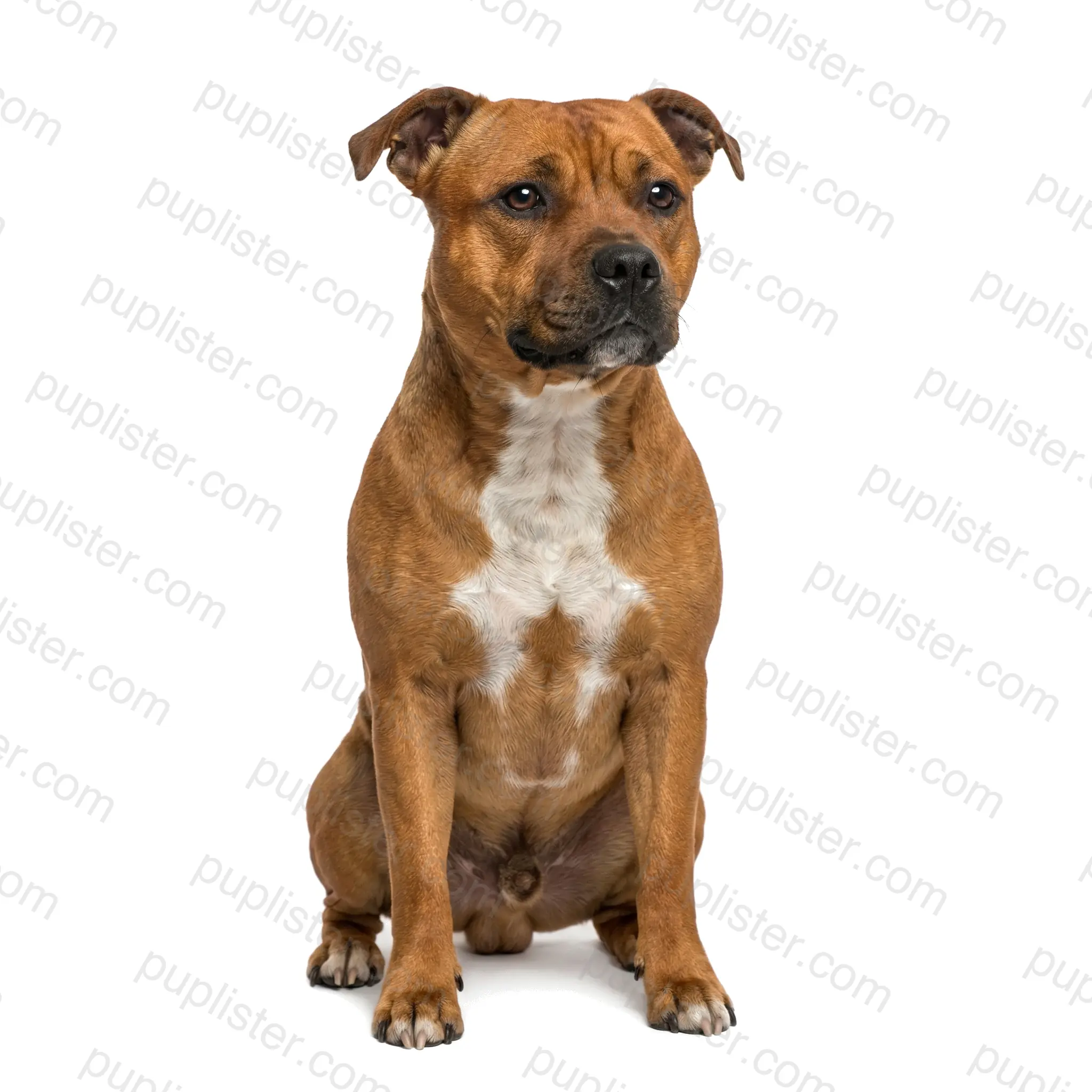
Staffordshire Bull Terrier

156 pets available

32

About the Staffordshire Bull Terrier The Staffordshire Bull Terrier was developed in 19th-century England's Staffordshire region from crosses between Bulldogs and various terriers, originally bred for bull-baiting and later as a compact, agile fighting dog — a history that belies its true nature as a devoted family companion. These muscular, athletic dogs stand 14 to 16 inches tall and weigh 24 to 38 pounds, packed with surprising strength and agility in a compact frame. Their smooth, short coat comes in red, fawn, white, black, blue, or brindle — with or without white markings. Temperament & Personality Staffordshire Bull Terriers are affectionate, courageous, and remarkably gentle with people — earning the nickname "nanny dog" in England for their extraordinary patience and devotion to children. They adore human companionship, are playful well into adulthood, and form intensely loyal bonds with their families. While they can be assertive with other dogs, proper socialization from puppyhood typically produces a confident, well-adjusted adult that gets along with everyone. Pros Exceptionally affectionate and gentle with children and family membersCompact, muscular build well-suited for smaller homes and apartmentsLow-maintenance coat requiring only occasional brushingBrave and loyal — a devoted companion that thrives on human interaction Cons Can be dog-aggressive without careful socialization and managementBreed-specific legislation and housing restrictions in many jurisdictionsProne to hip and elbow dysplasia, L-2 hydroxyglutaric aciduria, and cataractsStrong and powerful — requires owners who can provide firm, consistent leadership Staffies are among the most devoted family dogs in existence — find a Staffordshire Bull Terrier on Puplister and see for yourself.

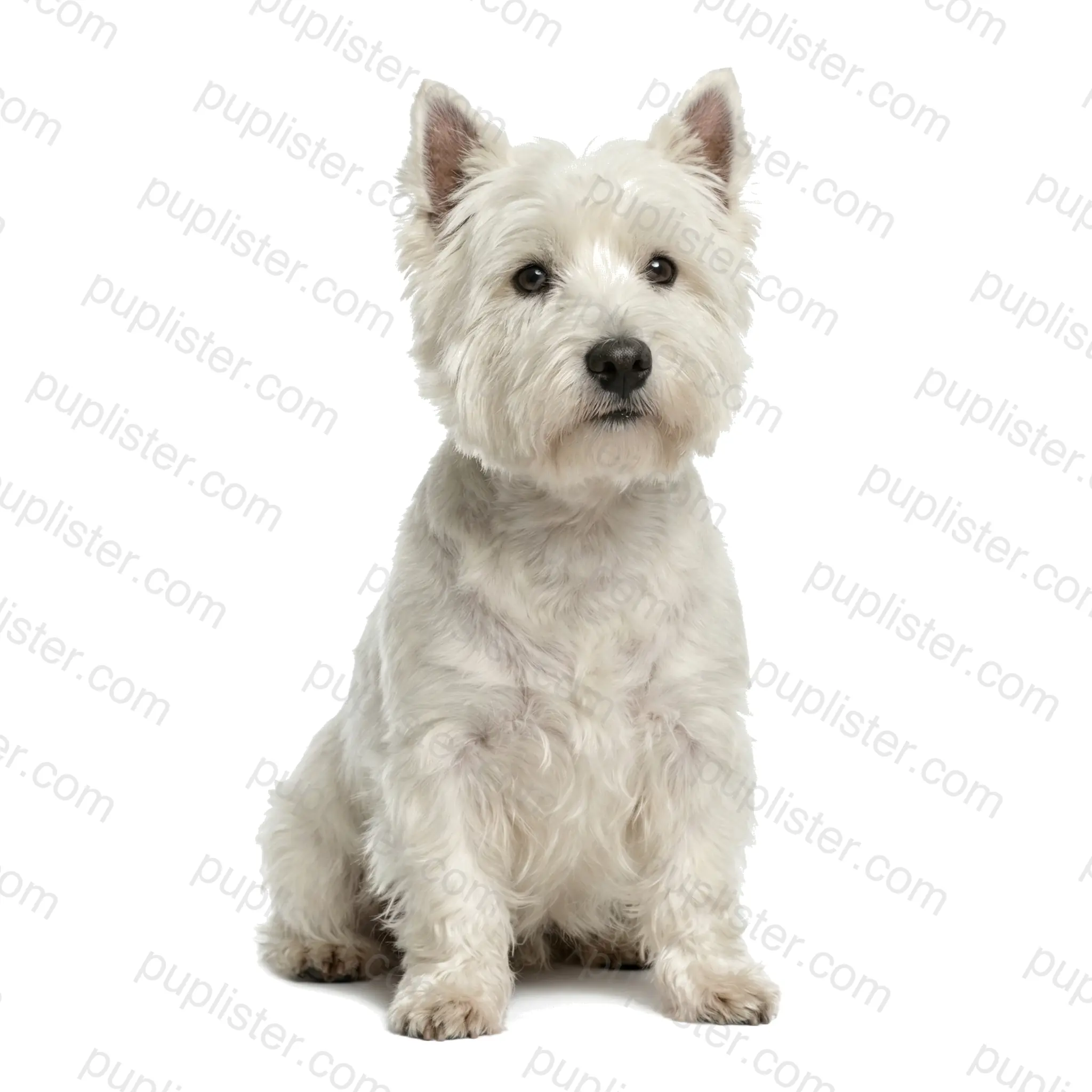
West Highland White Terrier

11 pets available

13

About the West Highland White Terrier The West Highland White Terrier — universally known as the "Westie" — was developed in Scotland's western highlands during the 19th century, selectively bred from Cairn Terrier stock for its white coat to be more visible against the dark highland terrain while hunting foxes, badgers, and rats. These sturdy little dogs stand 10 to 11 inches tall and weigh 15 to 20 pounds, with a compact, balanced build and surprisingly strong legs for their size. Their double coat features a hard, straight white outer layer and a soft, dense undercoat — always pure white without exception. Temperament & Personality Westies are confident, entertaining, and surprisingly tough — carrying the classic terrier self-assurance in a friendly, less aggressive package than many of their terrier relatives. They are affectionate with their families, generally good with older children, and possess an independent, adventurous spirit that keeps life interesting. Westies are social dogs that enjoy meeting people, though they can be assertive with other dogs and retain a strong instinct to chase anything that moves. Pros Sturdy and adaptable — thrives in apartments, suburbs, and country settingsFriendly and sociable without the extreme aggression of some terrier breedsPortable size with a big, confident personalityAlert watchdog that will reliably announce visitors Cons Prone to atopic dermatitis and skin allergies — one of the most affected breedsCoat requires regular professional grooming or hand-stripping every 6 to 8 weeksCan be stubborn and willful during training — responds best to positive methodsTendency to dig and bark, especially when bored or left in the yard Westies bring Scottish charm and terrier spirit into every home — find your white-coated companion on Puplister.

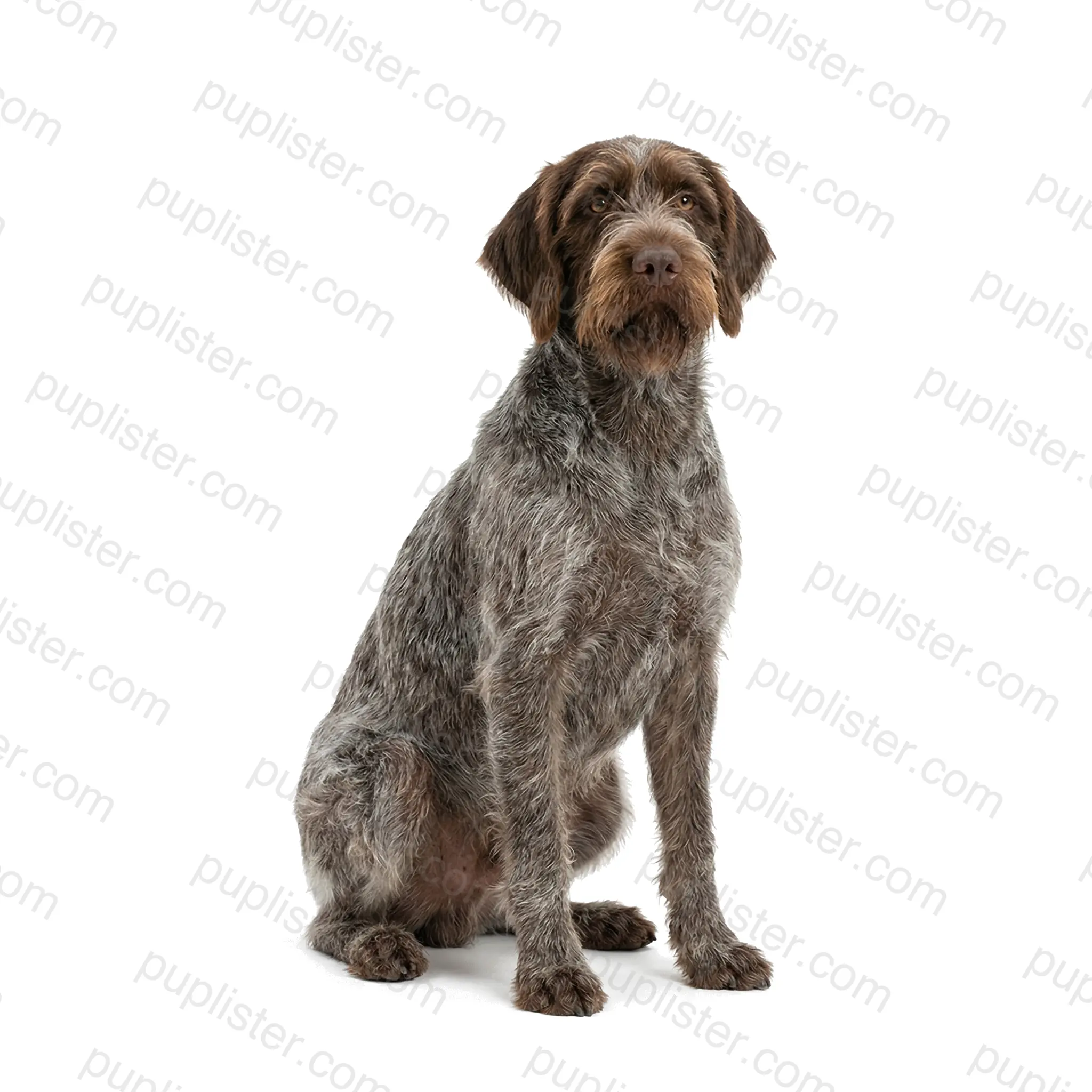
Wirehaired Pointing Griffon

6 pets available

5

About the Wirehaired Pointing Griffon The Wirehaired Pointing Griffon was developed in the late 19th century by Dutch breeder Eduard Karel Korthals, who meticulously crossed French and German griffons, setters, spaniels, and pointers to create what he considered the "supreme gundog." These medium-sized sporting dogs stand 20 to 24 inches tall and weigh 50 to 70 pounds, with a robust build that balances power with agility. Their distinctive coat features a harsh, wiry outer layer over a dense, water-resistant undercoat — typically in steel gray with brown markings, though roan, brown, and white and brown patterns also occur. Temperament & Personality Wirehaired Pointing Griffons are eager, devoted, and remarkably trainable — often called the "supreme gundog" not just for their versatile field skills but for their cooperative, people-focused temperament. They are gentle and patient with children, friendly with other dogs, and form strong bonds with every family member rather than fixating on a single person. Their enthusiasm for both work and play, combined with a gentle disposition, makes them outstanding all-around family companions for active households. Pros Versatile sporting dog — points, retrieves, and works in water and thick cover equally wellLow-shedding wiry coat suitable for allergy-conscious ownersDevoted and affectionate family dog with a gentle, trainable natureAdaptable and eager to please — excels in multiple canine sports and disciplines Cons High exercise requirements — needs vigorous daily activity and mental stimulationCoat requires regular hand-stripping or professional grooming to maintain textureCan become anxious, clingy, or destructive without adequate exercise and companionshipProne to hip dysplasia, progressive retinal atrophy, and ear infections The Wirehaired Pointing Griffon is a rare treasure among sporting breeds — see if one is available on Puplister.
Related Articles

Frequently Asked Questions

What are the key traits of a Siberian Husky?
The Siberian Husky is known for being outgoing, mischievous, loyal and friendly.
How many Siberian Huskies are available for adoption?
There are currently 661 Siberian Huskies available for adoption on Puplister. Browse the listings above to find your perfect match.
How do I adopt a Siberian Husky from Puplister?
To adopt a Siberian Husky, browse the available listings on this page, click on a pet you're interested in, and contact the shelter directly through their profile page.