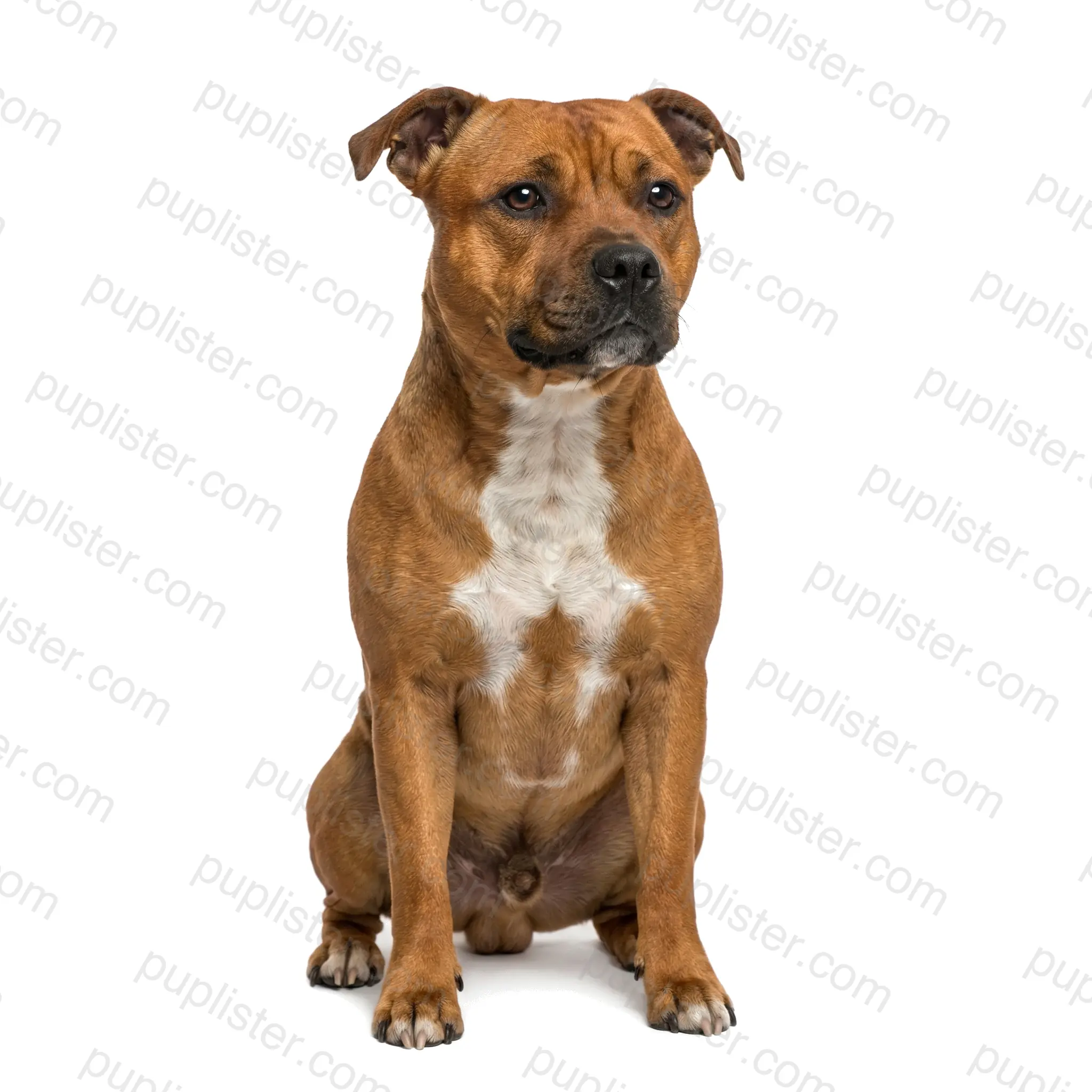
Staffordshire Bull Terrier Staffordshire Bull Terrier

Staffordshire Bull Terrier

2
Brave Affectionate Reliable Intelligent

About the Staffordshire Bull Terrier

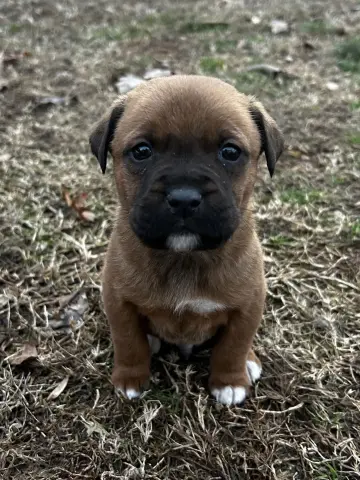
The Staffordshire Bull Terrier was developed in 19th-century England's Staffordshire region from crosses between Bulldogs and various terriers, originally bred for bull-baiting and later as a compact, agile fighting dog — a history that belies its true nature as a devoted family companion. These muscular, athletic dogs stand 14 to 16 inches tall and weigh 24 to 38 pounds, packed with surprising strength and agility in a compact frame. Their smooth, short coat comes in red, fawn, white, black, blue, or brindle — with or without white markings.

Temperament & Personality

Staffordshire Bull Terriers are affectionate, courageous, and remarkably gentle with people — earning the nickname "nanny dog" in England for their extraordinary patience and devotion to children. They adore human companionship, are playful well into adulthood, and form intensely loyal bonds with their families. While they can be assertive with other dogs, proper socialization from puppyhood typically produces a confident, well-adjusted adult that gets along with everyone.

Pros

  • Exceptionally affectionate and gentle with children and family members
  • Compact, muscular build well-suited for smaller homes and apartments
  • Low-maintenance coat requiring only occasional brushing
  • Brave and loyal — a devoted companion that thrives on human interaction

Cons

  • Can be dog-aggressive without careful socialization and management
  • Breed-specific legislation and housing restrictions in many jurisdictions
  • Prone to hip and elbow dysplasia, L-2 hydroxyglutaric aciduria, and cataracts
  • Strong and powerful — requires owners who can provide firm, consistent leadership

Staffies are among the most devoted family dogs in existence — find a Staffordshire Bull Terrier on Puplister and see for yourself.

Staffordshire Bull Terrier Quick Facts

Size
24–38 lbs, 14–16 in
Lifespan
12–14 years
Exercise
High
Grooming
Low
Good with Kids
Yes
Good with Pets
Not recommended

Is the Staffordshire Bull Terrier right for you?

Answer 5 quick questions to see how well this breed matches your lifestyle.

Take the Quiz

Available Staffordshire Bull Terriers

Marie
Baby
Marie
S

Staffordshire Bull Terrier

Bureau Of Animal Regulation And Care · Houston, TX
Mallory
Baby

Staffordshire Bull Terrier

Bureau Of Animal Regulation And Care · Houston, TX
Marvin
Baby
Marvin
S

Staffordshire Bull Terrier

Bureau Of Animal Regulation And Care · Houston, TX
Annie
Baby
Annie
S

Staffordshire Bull Terrier

Bureau Of Animal Regulation And Care · Houston, TX
Arthur
Baby
Arthur
S

Staffordshire Bull Terrier

Bureau Of Animal Regulation And Care · Houston, TX
Marty Mcfly
Adult

Staffordshire Bull Terrier

The Animal Foundation · Las Vegas, NV
Odella
Baby
Odella
M

Staffordshire Bull Terrier

Bureau Of Animal Regulation And Care · Houston, TX
Buddy
Baby
Buddy
M

Staffordshire Bull Terrier / American Bulldog

House Of Paws Dog Rescue · Kannapolis, NC
Brandy
Baby
Brandy
S

Staffordshire Bull Terrier / Labrador Retriever

House Of Paws Dog Rescue · Kannapolis, NC
Brianna
Young

Staffordshire Bull Terrier

Snarr Northeast Animal Rescue · Brewster, NY
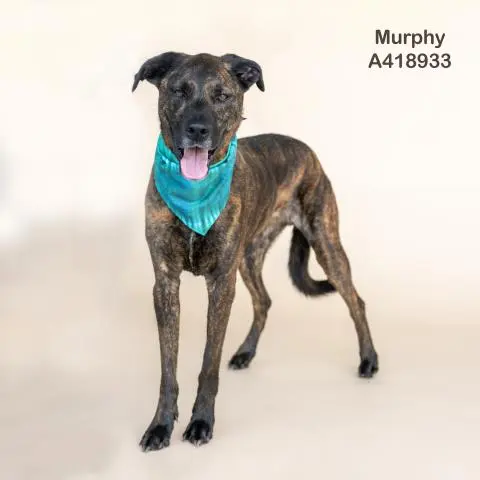
Murphy
Adult
Murphy
M

Staffordshire Bull Terrier

Montgomery County Animal Service Center · Conroe, TX

Related Breeds

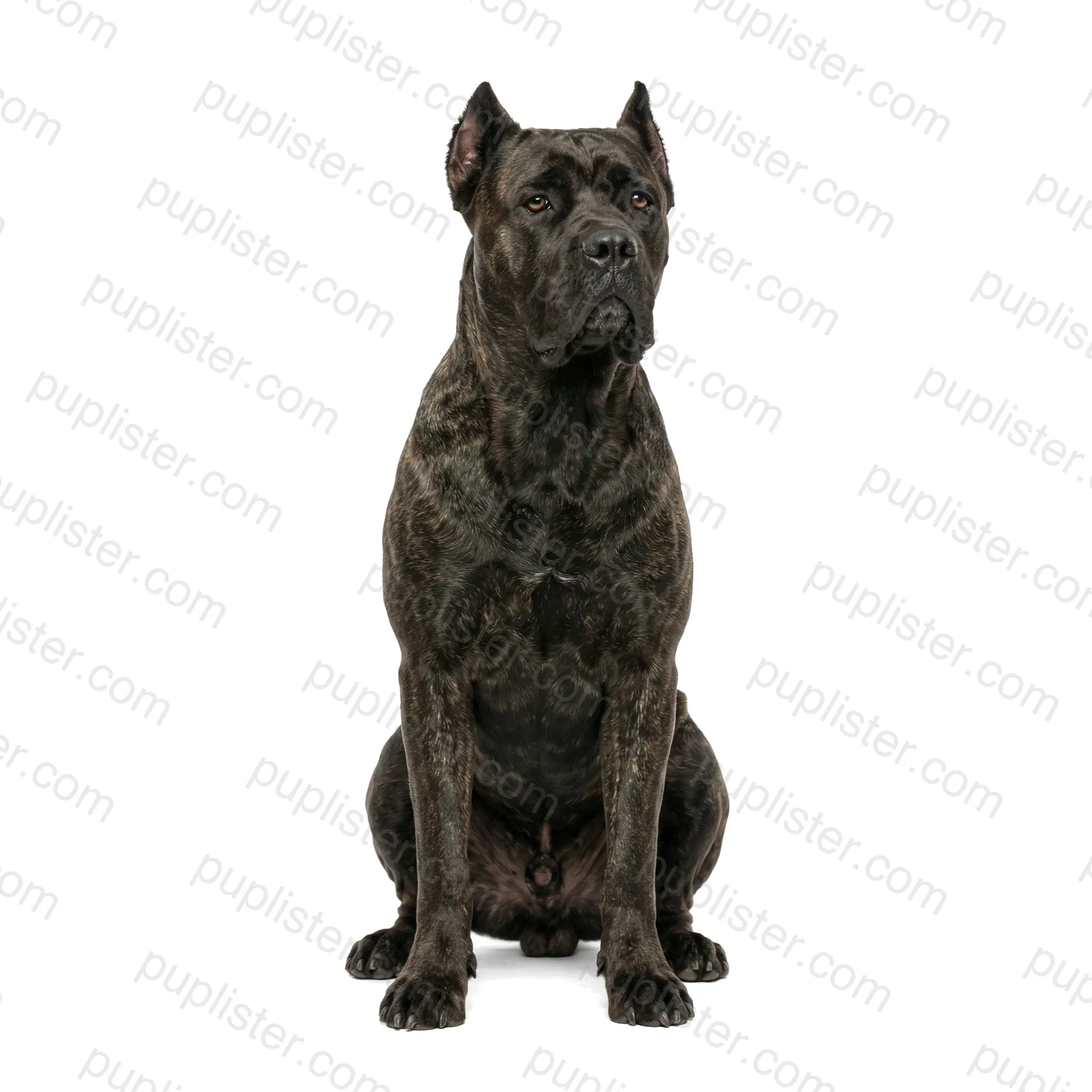
Cane Corso

28 pets available

About the Cane Corso The Cane Corso is an ancient Italian mastiff breed whose lineage traces directly to the Roman canis pugnaces — war dogs that accompanied legions into battle. Standing 23.5–27.5 inches tall and weighing 90–120 pounds, the Cane Corso is a large, athletic, and muscular dog that is notably more agile and less bulky than other mastiff breeds. Their short, stiff, double-layered coat comes in black, gray, fawn, red, and brindle — often with a black or gray mask — and requires minimal grooming.Temperament & PersonalityCane Corsos are intelligent, loyal, and intensely protective — they are working dogs at heart, bred to guard property, livestock, and families with quiet confidence and unwavering vigilance. They bond deeply with their owners and are affectionate and gentle within the family circle, but they are naturally suspicious of strangers and can be assertive with other dogs. This is emphatically not a breed for inexperienced owners — they require firm, consistent leadership and extensive socialization from puppyhood.ProsExceptional guardian — their protective instincts are reliable and deeply ingrainedMore athletic and agile than other mastiff breeds, capable of true working performanceLoyal and affectionate with family — surprisingly gentle with children they've been raised withLow-maintenance coat with minimal grooming needsConsRequires an experienced, confident owner who can establish and maintain leadershipCan be dog-aggressive and territorial without thorough socializationProne to hip dysplasia, bloat, cherry eye, and idiopathic epilepsyTheir size and strength can make them dangerous if improperly trained or handledFor the right owner, a Cane Corso is an unparalleled companion and protector — find adoptable Cane Corsos on Puplister.

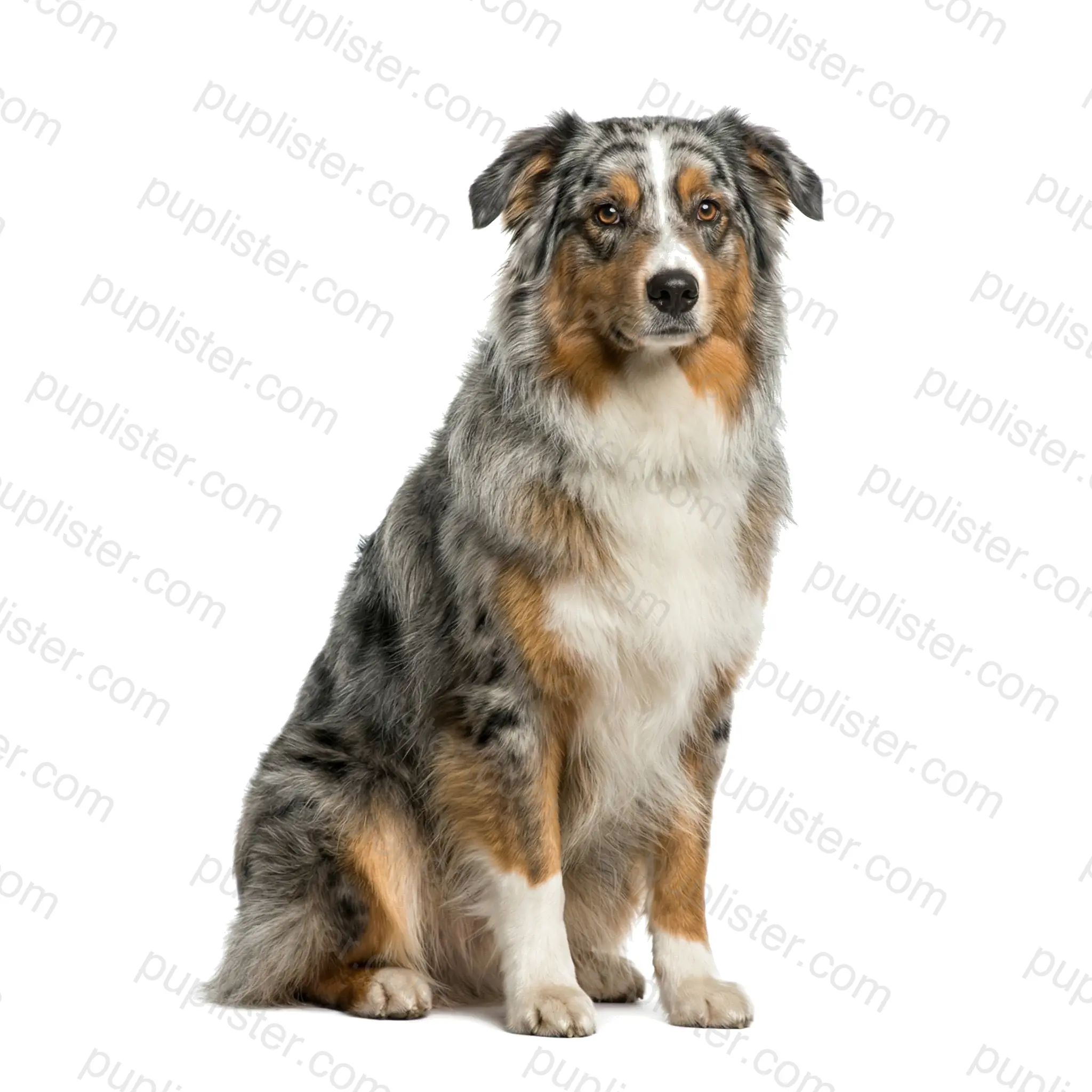
Australian Shepherd

36 pets available

About the Australian Shepherd Despite its name, the Australian Shepherd was actually developed in the western United States during the 19th century, likely from Basque shepherd dogs that passed through Australia on their way to America. These versatile herding dogs stand 18–23 inches tall and weigh 40–65 pounds, with a medium-length double coat that comes in four recognized colors — black, blue merle, red, and red merle — often with striking copper and white markings. Their coats are weather-resistant and require regular brushing to manage moderate-to-heavy shedding.Temperament & PersonalityAustralian Shepherds are brilliant, energetic, and deeply devoted to their families — they thrive when given a purpose and can become anxious or destructive without one. They are excellent with children, often naturally herding and watching over younger family members. Aussies are typically friendly with other dogs but can be reserved with strangers, and their intelligence makes them exceptionally responsive to training.ProsOne of the most intelligent and trainable breeds — excels in agility, flyball, and herdingLoyal and affectionate family companion who bonds closely with all household membersVersatile working dog adaptable to ranch life, sport, or active suburban livingBeautiful, eye-catching coat with striking color variations including heterochromiaConsDemands extensive daily exercise and mental engagement — easily 1–2 hours minimumHeavy shedding, especially during seasonal coat changesMay herd children, cats, and other pets by nipping at heelsProne to epilepsy, hip dysplasia, and the MDR1 gene mutation affecting drug sensitivityAussies are incredible partners for active families — discover adoptable Australian Shepherds waiting for you on Puplister.

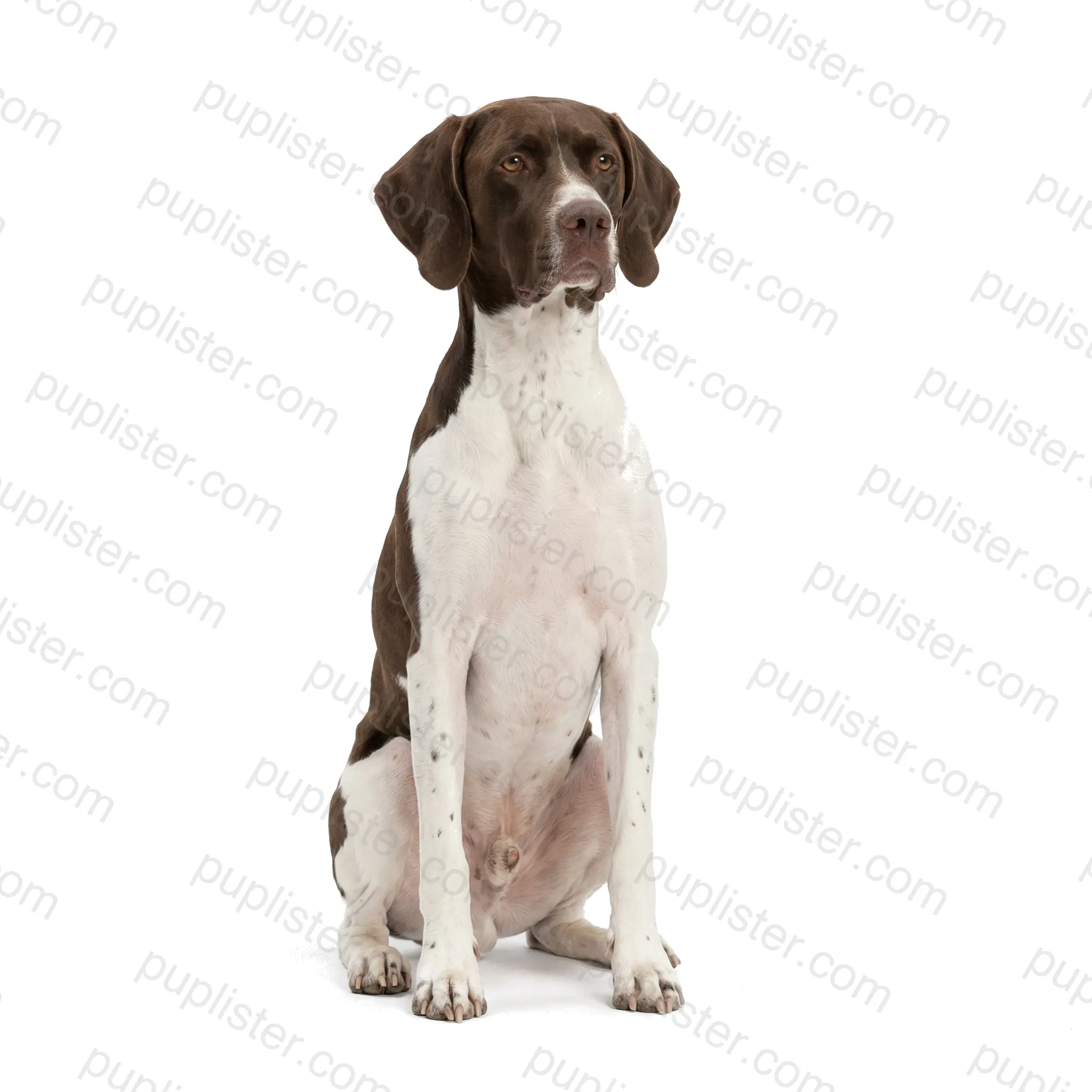
Pointer
Pointer Dog

10 pets available

1

About the Pointer The Pointer — also called the English Pointer — was developed in England in the 17th century, likely from crosses of Spanish Pointers, Foxhounds, Greyhounds, and Bloodhounds. These elegant, athletic dogs stand 23 to 28 inches tall and weigh 45 to 75 pounds, built with a lean, muscular frame designed for speed and endurance in the field. Their short, smooth coat comes in liver, lemon, black, or orange — either solid or combined with white in striking patterns. Temperament & Personality Pointers are energetic, even-tempered, and intensely driven in the field, yet remarkably calm and affectionate at home once adequately exercised. They are friendly with everyone — children, strangers, and other dogs — making them poor guard dogs but excellent family companions. Their strong pointing instinct often appears naturally in puppyhood, and they thrive when given a purposeful outlet for their energy and intelligence. Pros Outstanding stamina and speed for active owners who run, bike, or huntExceptionally friendly and gentle with children and other petsShort coat requires minimal grooming — just occasional brushingHighly trainable for field work, agility, and competitive obedience Cons Extremely high energy — requires 1 to 2 hours of vigorous exercise dailyCan become destructive and anxious without sufficient physical outletsStrong prey drive makes them unreliable around small animalsProne to hip dysplasia, hypothyroidism, and certain eye conditions An active lifestyle deserves an equally active companion — find your Pointer on Puplister today.

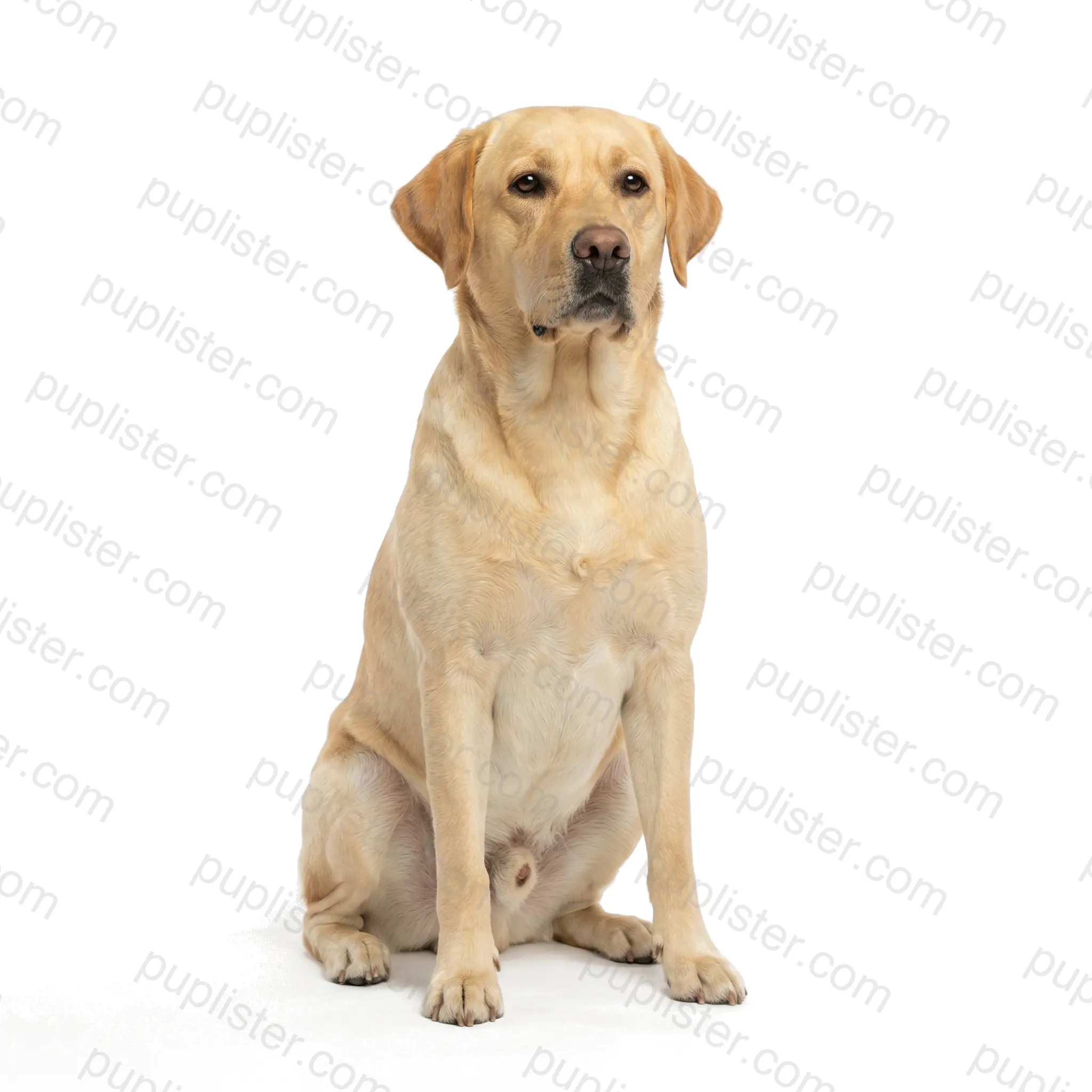
Labrador Retriever

295 pets available

4

About the Labrador Retriever The Labrador Retriever has been America's most popular dog breed for over three decades — and for good reason. Originally bred in Newfoundland, Canada, during the early 19th century to help fishermen haul nets and retrieve catch from the icy North Atlantic, the breed was refined in England into the versatile sporting dog we know today. Labs stand 21.5–24.5 inches tall and weigh 55–80 pounds, with a short, dense, water-resistant double coat in three recognized colors: black, yellow (ranging from fox-red to pale cream), and chocolate.Temperament & PersonalityLabrador Retrievers are friendly, outgoing, and high-spirited — they greet nearly every person, dog, and situation with unbridled enthusiasm and a wagging tail. They are exceptionally patient and gentle with children, making them one of the most trusted family dogs in the world. Labs are also remarkably intelligent and eager to please, which is why they dominate as guide dogs, search-and-rescue dogs, therapy dogs, and detection dogs across dozens of working disciplines.ProsOutstanding family dog — patient, gentle, and naturally good with children of all agesHighly trainable and eager to please — consistently ranks among the most obedient breedsVersatile and adaptable — equally at home on the couch, in the field, or in the waterFriendly and social temperament — gets along well with other dogs, cats, and strangersConsHeavy shedding year-round with major seasonal blowouts — not suited for allergy sufferersProne to obesity — Labs are notoriously food-motivated and will eat anything not locked awayHigh energy in the first 2–3 years — requires substantial daily exercise to prevent destructive behaviorSusceptible to hip and elbow dysplasia, exercise-induced collapse, and progressive retinal atrophyThere's a reason the Lab is the world's favorite dog — discover adoptable Labrador Retrievers on Puplister today.

Related Articles

Frequently Asked Questions

What are the key traits of a Staffordshire Bull Terrier?
The Staffordshire Bull Terrier is known for being brave, affectionate, reliable and intelligent.
How many Staffordshire Bull Terriers are available for adoption?
There are currently 24 Staffordshire Bull Terriers available for adoption on Puplister. Browse the listings above to find your perfect match.
How do I adopt a Staffordshire Bull Terrier from Puplister?
To adopt a Staffordshire Bull Terrier, browse the available listings on this page, click on a pet you're interested in, and contact the shelter directly through their profile page.