Adopted Cat Meowing All Night: How to Stop It
Adopted cat meowing all night? Discover why it happens, how to create a calm environment, and a realistic timeline to quiet nighttime meows.
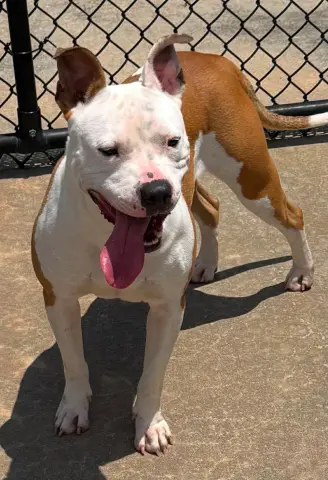
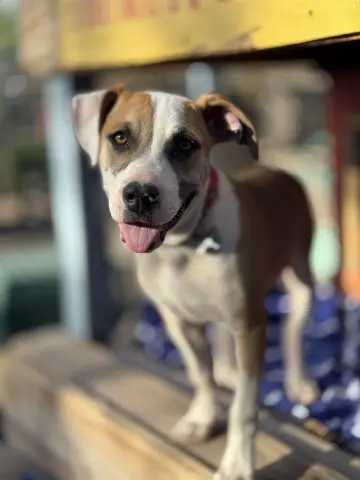
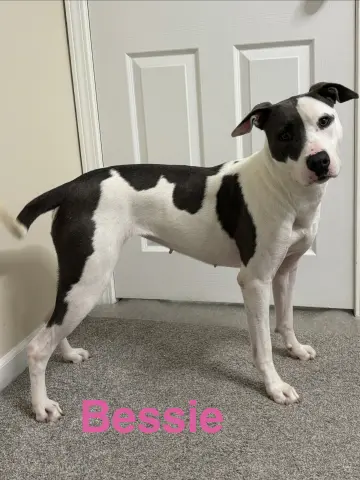
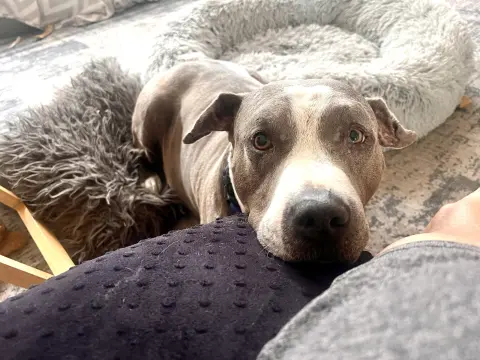
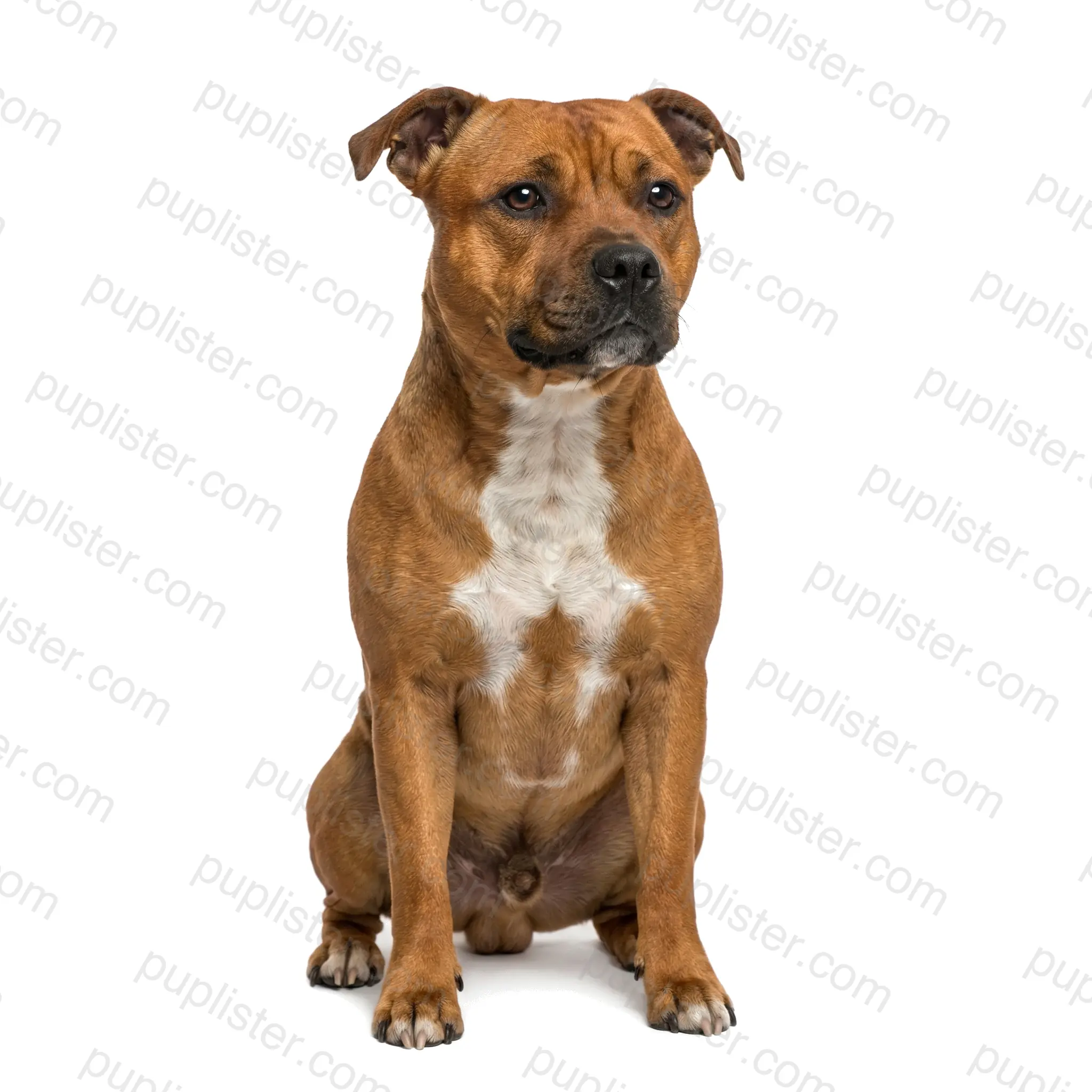
The Staffordshire Bull Terrier was developed in 19th-century England's Staffordshire region from crosses between Bulldogs and various terriers, originally bred for bull-baiting and later as a compact, agile fighting dog — a history that belies its true nature as a devoted family companion. These muscular, athletic dogs stand 14 to 16 inches tall and weigh 24 to 38 pounds, packed with surprising strength and agility in a compact frame. Their smooth, short coat comes in red, fawn, white, black, blue, or brindle — with or without white markings.
Staffordshire Bull Terriers are affectionate, courageous, and remarkably gentle with people — earning the nickname "nanny dog" in England for their extraordinary patience and devotion to children. They adore human companionship, are playful well into adulthood, and form intensely loyal bonds with their families. While they can be assertive with other dogs, proper socialization from puppyhood typically produces a confident, well-adjusted adult that gets along with everyone.
Staffies are among the most devoted family dogs in existence — find a Staffordshire Bull Terrier on Puplister and see for yourself.
Answer 5 quick questions to see how well this breed matches your lifestyle.
2 pets available
1About the Flat-Coated Retriever The Flat-Coated Retriever — often called the "Peter Pan of the dog world" — was developed in 19th-century England as a dual-purpose retriever for both land and water work. Standing 22–24.5 inches tall and weighing 60–70 pounds, this elegant sporting dog wears a lustrous, flat-lying coat of solid black or liver that gives the breed its name. Once the most popular retriever in Britain before being eclipsed by Labradors and Goldens, the Flat-Coat remains a hidden gem among sporting breeds.Temperament & PersonalityFlat-Coated Retrievers are famously exuberant and retain their puppy-like enthusiasm well into old age — a trait that delights their owners but demands patience. They are outgoing, optimistic dogs that greet virtually everyone — family, friends, and strangers alike — with unbridled joy and a wagging tail. Their gentle, playful nature makes them excellent family dogs, though their boisterous energy may overwhelm very young children.ProsPerpetually cheerful and optimistic temperament — a natural mood booster for the householdExcellent with children and other dogs — rarely shows aggressionVersatile sporting dog — excels in field trials, agility, obedience, and therapy workBeautiful, easy-care coat that requires only moderate groomingConsTragically high cancer rates — histiocytic sarcoma and other cancers claim many before age 8Average lifespan of just 8–10 years — significantly shorter than similar-sized breedsSlow to mature mentally and physically — can be challenging during the extended adolescent phasePoor watchdog — greets intruders with the same enthusiasm as family membersGive a joyful Flat-Coated Retriever the loving home they deserve — check available dogs on Puplister today.
3 pets available
3About the Anatolian Shepherd The Anatolian Shepherd — also known as the Kangal Shepherd Dog — hails from the Anatolian plateau of Turkey, where it has guarded livestock from wolves and bears for thousands of years. This imposing breed stands 27–29 inches tall and weighs 80–150 pounds, with males often exceeding 140 pounds of lean muscle. Their short to medium-length double coat comes in fawn with a distinctive black mask, though brindle, white, and pinto variations also occur.Temperament & PersonalityAnatolian Shepherds are independent, intelligent, and territorial — they were bred to make decisions on their own while guarding flocks, and that self-reliance is deeply ingrained. They are calm and affectionate with their family but reserved and suspicious of strangers, making them exceptional guardian dogs. They can coexist with children and other pets they've been raised with, but their guarding instinct means they need owners who understand livestock guardian breed behavior.ProsSupreme livestock and property guardian — few breeds match their protective instinctsLow-energy indoors despite their size, content to patrol and observeHardy and healthy breed with relatively few genetic health problemsRemarkably low grooming needs for a large-breed dogConsExtremely independent and not naturally inclined to obey commands without questionRequires a large, securely fenced property — not suited for apartment or suburban lifeCan be aggressive toward unfamiliar dogs and people without extensive socializationTheir booming bark — used to ward off predators — can be a problem in residential areasIf you have the space and experience for this magnificent guardian, explore adoptable Anatolian Shepherds on Puplister.
5 pets available
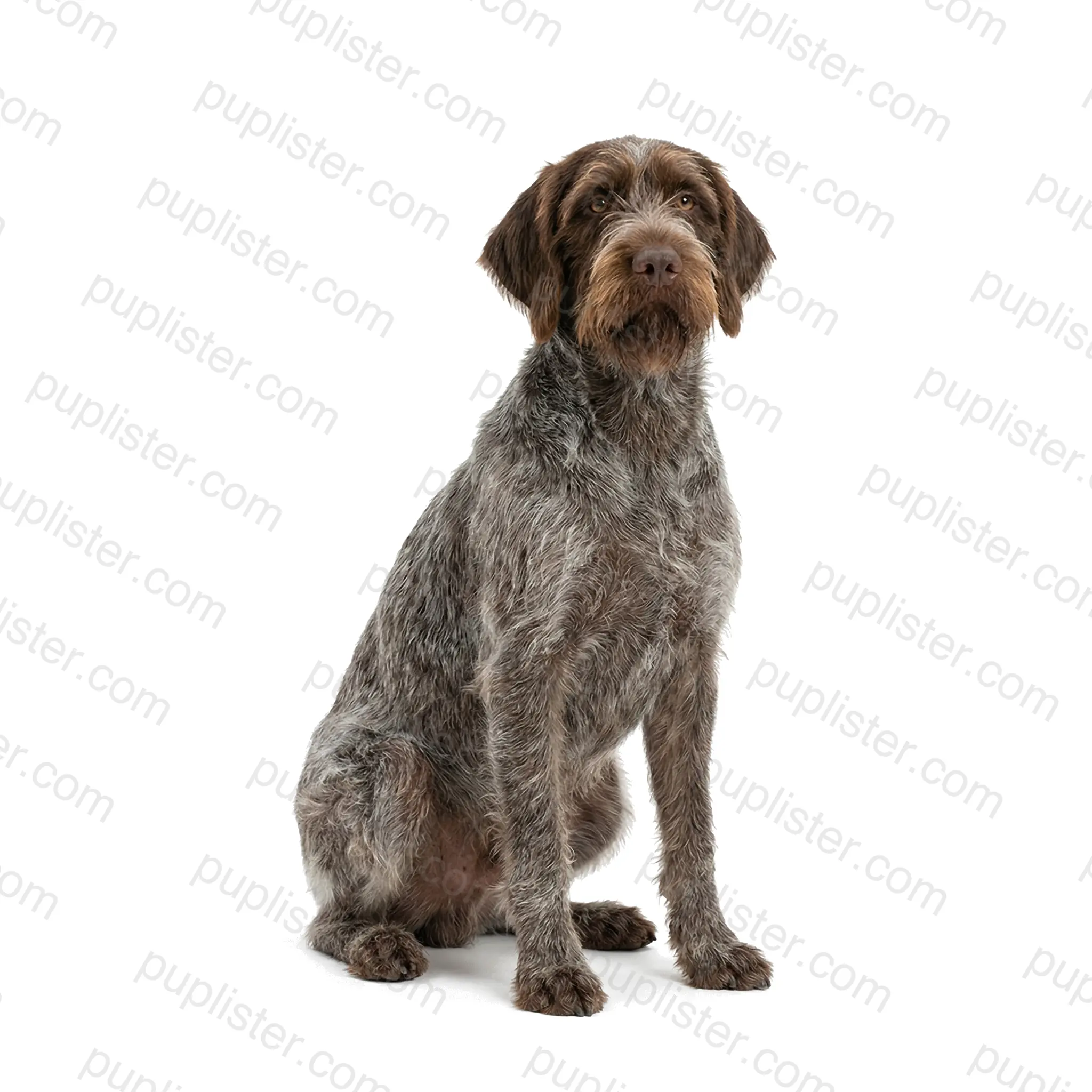
1About the Wirehaired Pointing Griffon The Wirehaired Pointing Griffon was developed in the late 19th century by Dutch breeder Eduard Karel Korthals, who meticulously crossed French and German griffons, setters, spaniels, and pointers to create what he considered the "supreme gundog." These medium-sized sporting dogs stand 20 to 24 inches tall and weigh 50 to 70 pounds, with a robust build that balances power with agility. Their distinctive coat features a harsh, wiry outer layer over a dense, water-resistant undercoat — typically in steel gray with brown markings, though roan, brown, and white and brown patterns also occur. Temperament & Personality Wirehaired Pointing Griffons are eager, devoted, and remarkably trainable — often called the "supreme gundog" not just for their versatile field skills but for their cooperative, people-focused temperament. They are gentle and patient with children, friendly with other dogs, and form strong bonds with every family member rather than fixating on a single person. Their enthusiasm for both work and play, combined with a gentle disposition, makes them outstanding all-around family companions for active households. Pros Versatile sporting dog — points, retrieves, and works in water and thick cover equally wellLow-shedding wiry coat suitable for allergy-conscious ownersDevoted and affectionate family dog with a gentle, trainable natureAdaptable and eager to please — excels in multiple canine sports and disciplines Cons High exercise requirements — needs vigorous daily activity and mental stimulationCoat requires regular hand-stripping or professional grooming to maintain textureCan become anxious, clingy, or destructive without adequate exercise and companionshipProne to hip dysplasia, progressive retinal atrophy, and ear infections The Wirehaired Pointing Griffon is a rare treasure among sporting breeds — see if one is available on Puplister.
1 pet available
About the Bernese Mountain Dog The Bernese Mountain Dog — or Berner — originated in the Swiss Alps near the city of Bern, where it served as a versatile farm dog capable of drafting, herding, and guarding. These gentle giants stand 23–27.5 inches tall and weigh 70–115 pounds, with a sturdy, well-balanced frame built for mountain work. Their striking tri-color coat — jet black with rich rust and crisp white markings — is long, thick, and slightly wavy, designed to insulate against harsh alpine winters.Temperament & PersonalityBerners are calm, affectionate, and exceptionally good-natured — they are one of the most family-friendly large breeds, renowned for their patience and gentleness with children. They are eager to please and respond well to positive training methods, though they mature slowly and retain puppyish behavior longer than many breeds. They are friendly with other dogs and even cats, and their calm demeanor makes them excellent therapy dogs.ProsExceptionally gentle and patient with children — a true family dogEager to please and highly trainable with positive reinforcementCalm, steady temperament that adapts well to household routinesBeautiful, majestic appearance that commands admiration wherever they goConsTragically short lifespan — averaging only 6–8 years due to high cancer ratesHeavy shedding, especially during seasonal changes, requiring frequent groomingProne to hip and elbow dysplasia, histiocytic sarcoma, and bloatLarge size and drooling tendencies make them poorly suited for small living spacesBerners fill homes with warmth and love — discover adoptable Bernese Mountain Dogs on Puplister and welcome one into your family.
Adopted cat meowing all night? Discover why it happens, how to create a calm environment, and a realistic timeline to quiet nighttime meows.
Is your adopted cat not eating? Learn the causes, from stress to past trauma, and discover practical solutions to get your new feline friend eating again.
Is your new cat hiding and won't come out? It's normal, but proactive steps can help. Learn how to build trust with your shy adopted cat.
Discover how long it takes for a rescue cat to feel at home with our experienced guide, covering the 3-3-3 rule and actionable tips.