Yorkshire Terrier Yorkshire Terrier

Yorkshire Terrier

Bold Confident Spirited Affectionate

About the Yorkshire Terrier

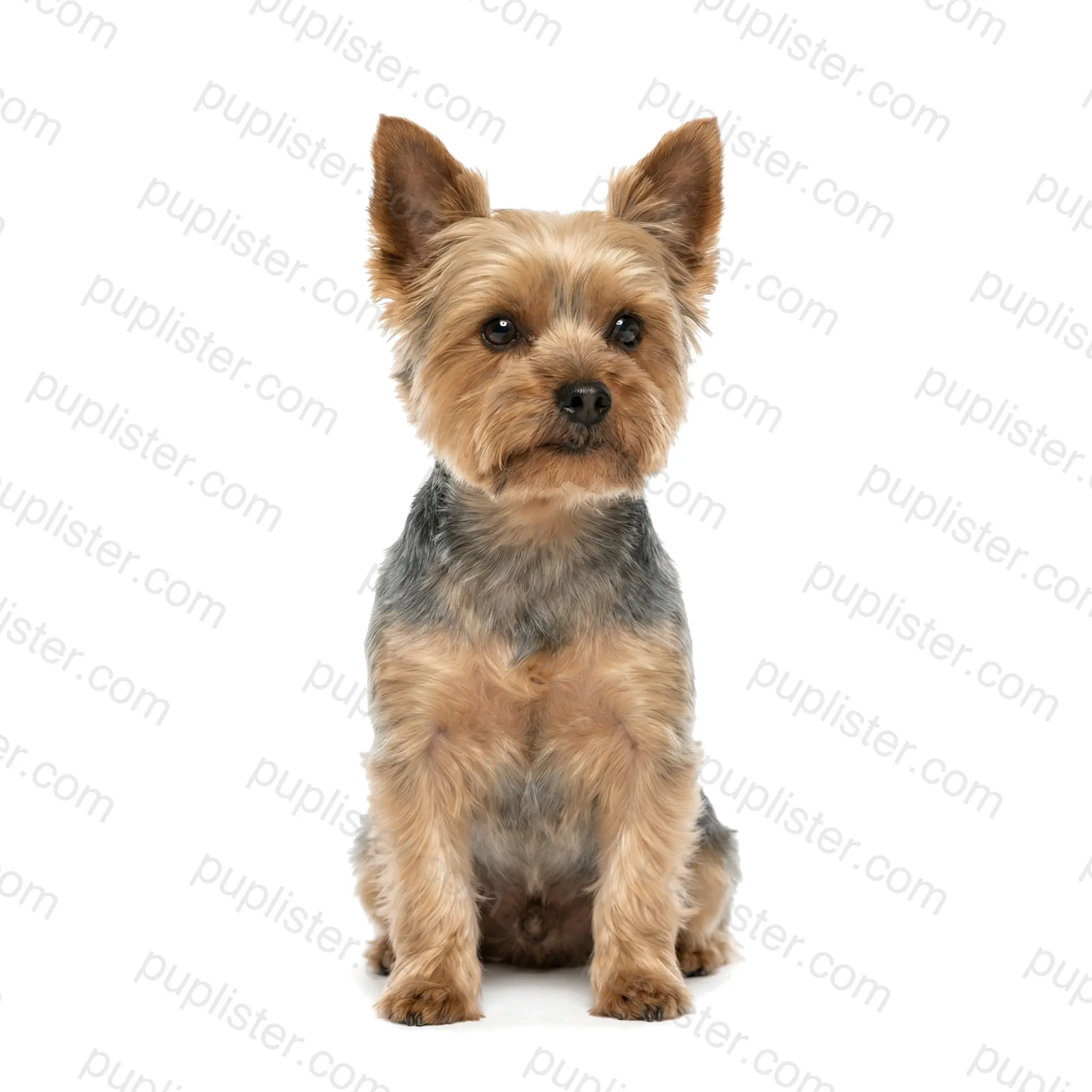
The Yorkshire Terrier was developed in the mid-19th century in the English counties of Yorkshire and Lancashire by working-class weavers who bred small terriers to catch rats in textile mills and coal mines. Despite their current status as a glamorous toy breed, these feisty dogs retain every bit of their terrier courage in a tiny 7-pound, 7-to-8-inch frame. Their signature floor-length, silky coat is steel blue on the body and rich golden tan on the head and legs — a single-layer coat that grows continuously and is remarkably similar to human hair in texture.

Temperament & Personality

Yorkshire Terriers are bold, confident, and fiercely loyal — they carry themselves with a self-importance that far exceeds their diminutive stature, never hesitating to challenge dogs ten times their size. They are deeply attached to their owners and can be wonderful companions for adults and older children, though their small size and feisty temperament make them a poor fit for rough play with toddlers. Yorkies are intelligent, curious, and entertaining, bringing big-dog energy and attitude to the smallest package in the terrier world.

Pros

  • Minimal shedding — silky coat is more similar to hair than fur
  • Tiny size ideal for apartments, travel, and urban living
  • Bold watchdog temperament — always alert to unusual activity
  • Long lifespan of 11 to 15 years with proper care

Cons

  • Fragile — easily injured by falls, being sat on, or rough handling
  • Long coat demands daily brushing or regular professional grooming
  • Prone to tracheal collapse, patellar luxation, portosystemic shunt, and dental disease
  • Can be difficult to housetrain and may develop snappish behavior if overindulged

Yorkshire Terriers prove that the best things truly come in small packages — find your Yorkie on Puplister.

Yorkshire Terrier Quick Facts

Size
4–7 lbs, 7–8 in
Lifespan
11–15 years
Exercise
Moderate
Grooming
High
Good with Kids
Not recommended
Good with Pets
Yes

Is the Yorkshire Terrier right for you?

Answer 5 quick questions to see how well this breed matches your lifestyle.

Take the Quiz

Available Yorkshire Terriers

Avenzai
Baby 3

Yorkshire Terrier

Matty's Heart & Soul Animal Rescue · Robbinsdale, MN
Zavia
Baby
Zavia
S

Yorkshire Terrier

Matty's Heart & Soul Animal Rescue · Robbinsdale, MN
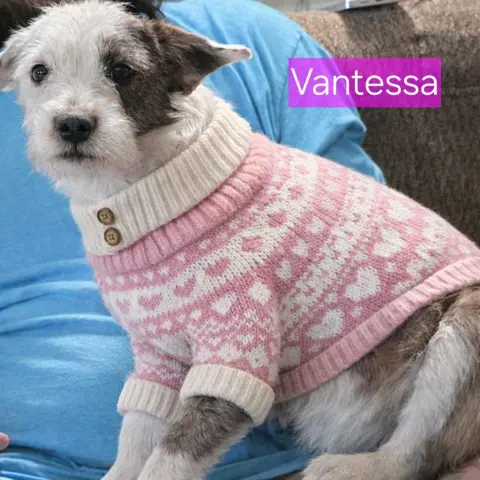
Vantessa
Baby 3

Yorkshire Terrier

Matty's Heart & Soul Animal Rescue · Robbinsdale, MN
Kalyxa
Baby
Kalyxa
S

Yorkshire Terrier

Matty's Heart & Soul Animal Rescue · Robbinsdale, MN
Gabriella
Baby 2

Chihuahua / Yorkshire Terrier

Save A Yorkie Rescue · Allentown, PA
Reba
Adult
Reba
S

Yorkshire Terrier

Magnificent Mutts Rescue · Hillside, IL
Rosie
Baby
Rosie
S

Chihuahua / Yorkshire Terrier

Almost Home Dog Rescue · Doylestown, PA
Chuck
Adult
Chuck
S

Cairn Terrier / Yorkshire Terrier

Animal House Shelter · Huntley, IL
Georgia
Adult

Yorkshire Terrier / Cairn Terrier

Lost Paws Rescue Of Texas · Carrollton, TX

Related Breeds

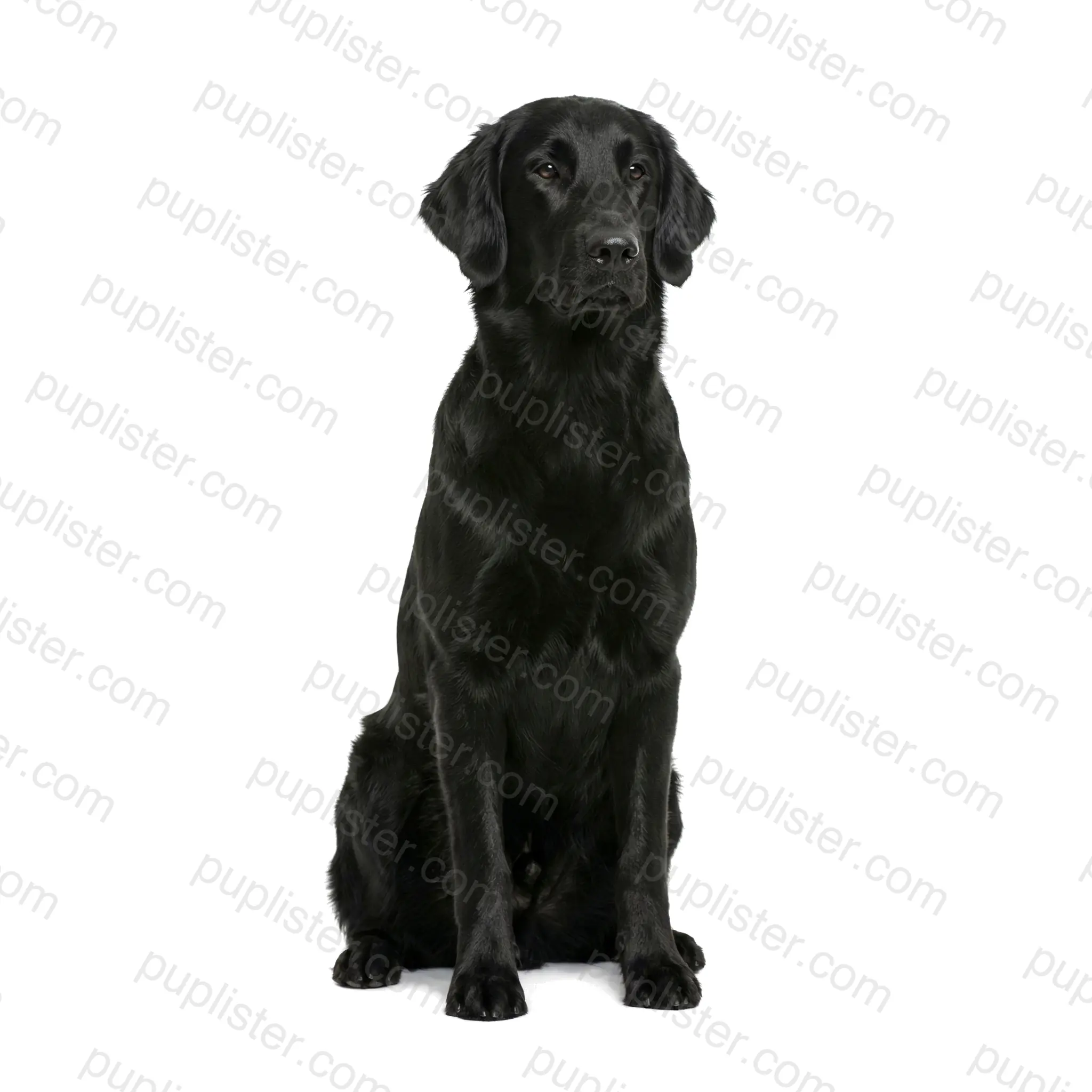
Flat-Coated Retriever

2 pets available

About the Flat-Coated Retriever The Flat-Coated Retriever — often called the "Peter Pan of the dog world" — was developed in 19th-century England as a dual-purpose retriever for both land and water work. Standing 22–24.5 inches tall and weighing 60–70 pounds, this elegant sporting dog wears a lustrous, flat-lying coat of solid black or liver that gives the breed its name. Once the most popular retriever in Britain before being eclipsed by Labradors and Goldens, the Flat-Coat remains a hidden gem among sporting breeds.Temperament & PersonalityFlat-Coated Retrievers are famously exuberant and retain their puppy-like enthusiasm well into old age — a trait that delights their owners but demands patience. They are outgoing, optimistic dogs that greet virtually everyone — family, friends, and strangers alike — with unbridled joy and a wagging tail. Their gentle, playful nature makes them excellent family dogs, though their boisterous energy may overwhelm very young children.ProsPerpetually cheerful and optimistic temperament — a natural mood booster for the householdExcellent with children and other dogs — rarely shows aggressionVersatile sporting dog — excels in field trials, agility, obedience, and therapy workBeautiful, easy-care coat that requires only moderate groomingConsTragically high cancer rates — histiocytic sarcoma and other cancers claim many before age 8Average lifespan of just 8–10 years — significantly shorter than similar-sized breedsSlow to mature mentally and physically — can be challenging during the extended adolescent phasePoor watchdog — greets intruders with the same enthusiasm as family membersGive a joyful Flat-Coated Retriever the loving home they deserve — check available dogs on Puplister today.

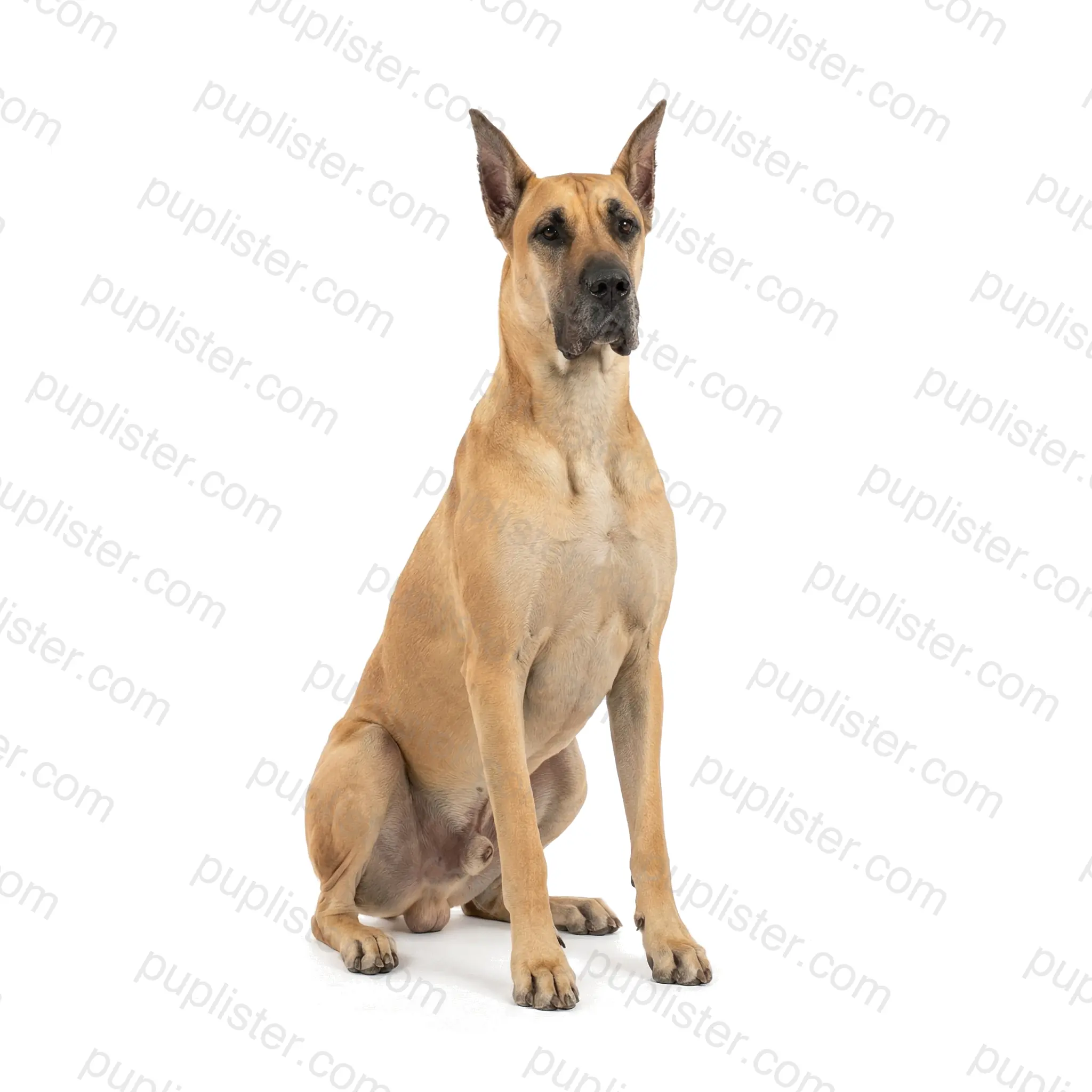
Great Dane

10 pets available

1

About the Great Dane The Great Dane — known as the "Apollo of Dogs" — traces its lineage to ancient Assyrian war dogs, though the modern breed was refined in Germany to hunt wild boar and later serve as estate guardians. Standing a towering 28–32 inches at the shoulder and weighing 110–175 pounds, Great Danes are among the tallest dog breeds in the world — the record holder stood 44 inches tall. Their short, sleek coat comes in six recognized colors: fawn, brindle, blue, black, harlequin (white with irregular black patches), and mantle.Temperament & PersonalityDespite their imposing size, Great Danes are famously gentle and affectionate — earning them the nickname "the world's biggest lap dog." They are patient with children and remarkably calm indoors, often preferring to lean against their owner's legs or drape across the couch rather than engage in rough play. Their friendly, confident demeanor means they greet most people warmly, though their sheer size alone is an effective deterrent to unwelcome visitors.ProsSurprisingly calm and gentle indoors — moderate exercise needs despite their enormous sizeNaturally imposing presence deters intruders without aggressive behaviorShort coat requires minimal grooming — just weekly brushing and occasional bathsPatient and tolerant with children — gentle giants who rarely show aggressionConsShort lifespan of 7–10 years — one of the shortest of any breed due to their giant sizeExtremely high risk of bloat (gastric dilatation-volvulus) — a life-threatening emergencyExpensive to maintain — food, veterinary care, medications, and supplies all cost more at giant-breed scaleProne to heart disease (dilated cardiomyopathy), hip dysplasia, and osteosarcomaReady to share your home with a gentle giant? Explore Great Danes available for adoption on Puplister.

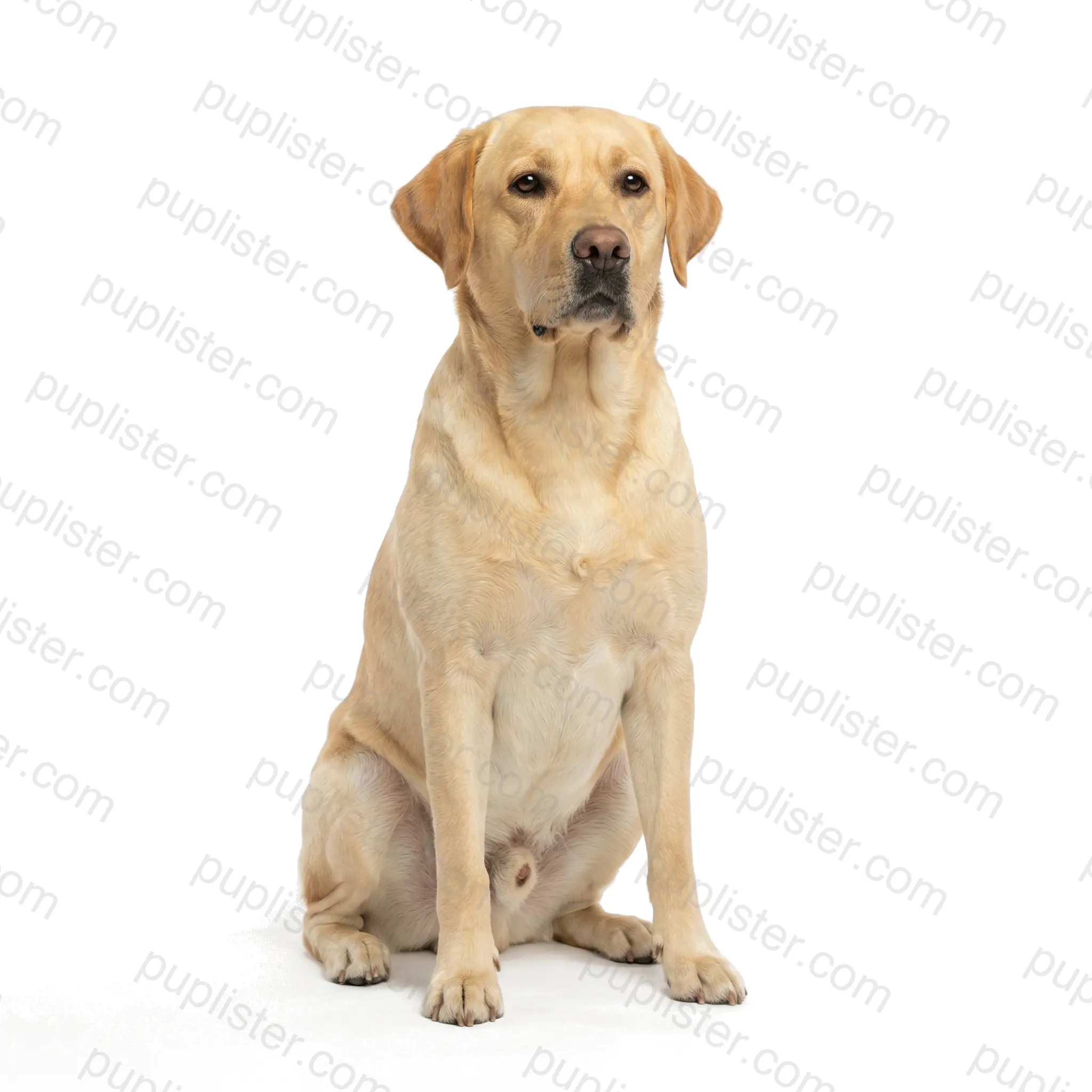
Labrador Retriever

295 pets available

4

About the Labrador Retriever The Labrador Retriever has been America's most popular dog breed for over three decades — and for good reason. Originally bred in Newfoundland, Canada, during the early 19th century to help fishermen haul nets and retrieve catch from the icy North Atlantic, the breed was refined in England into the versatile sporting dog we know today. Labs stand 21.5–24.5 inches tall and weigh 55–80 pounds, with a short, dense, water-resistant double coat in three recognized colors: black, yellow (ranging from fox-red to pale cream), and chocolate.Temperament & PersonalityLabrador Retrievers are friendly, outgoing, and high-spirited — they greet nearly every person, dog, and situation with unbridled enthusiasm and a wagging tail. They are exceptionally patient and gentle with children, making them one of the most trusted family dogs in the world. Labs are also remarkably intelligent and eager to please, which is why they dominate as guide dogs, search-and-rescue dogs, therapy dogs, and detection dogs across dozens of working disciplines.ProsOutstanding family dog — patient, gentle, and naturally good with children of all agesHighly trainable and eager to please — consistently ranks among the most obedient breedsVersatile and adaptable — equally at home on the couch, in the field, or in the waterFriendly and social temperament — gets along well with other dogs, cats, and strangersConsHeavy shedding year-round with major seasonal blowouts — not suited for allergy sufferersProne to obesity — Labs are notoriously food-motivated and will eat anything not locked awayHigh energy in the first 2–3 years — requires substantial daily exercise to prevent destructive behaviorSusceptible to hip and elbow dysplasia, exercise-induced collapse, and progressive retinal atrophyThere's a reason the Lab is the world's favorite dog — discover adoptable Labrador Retrievers on Puplister today.

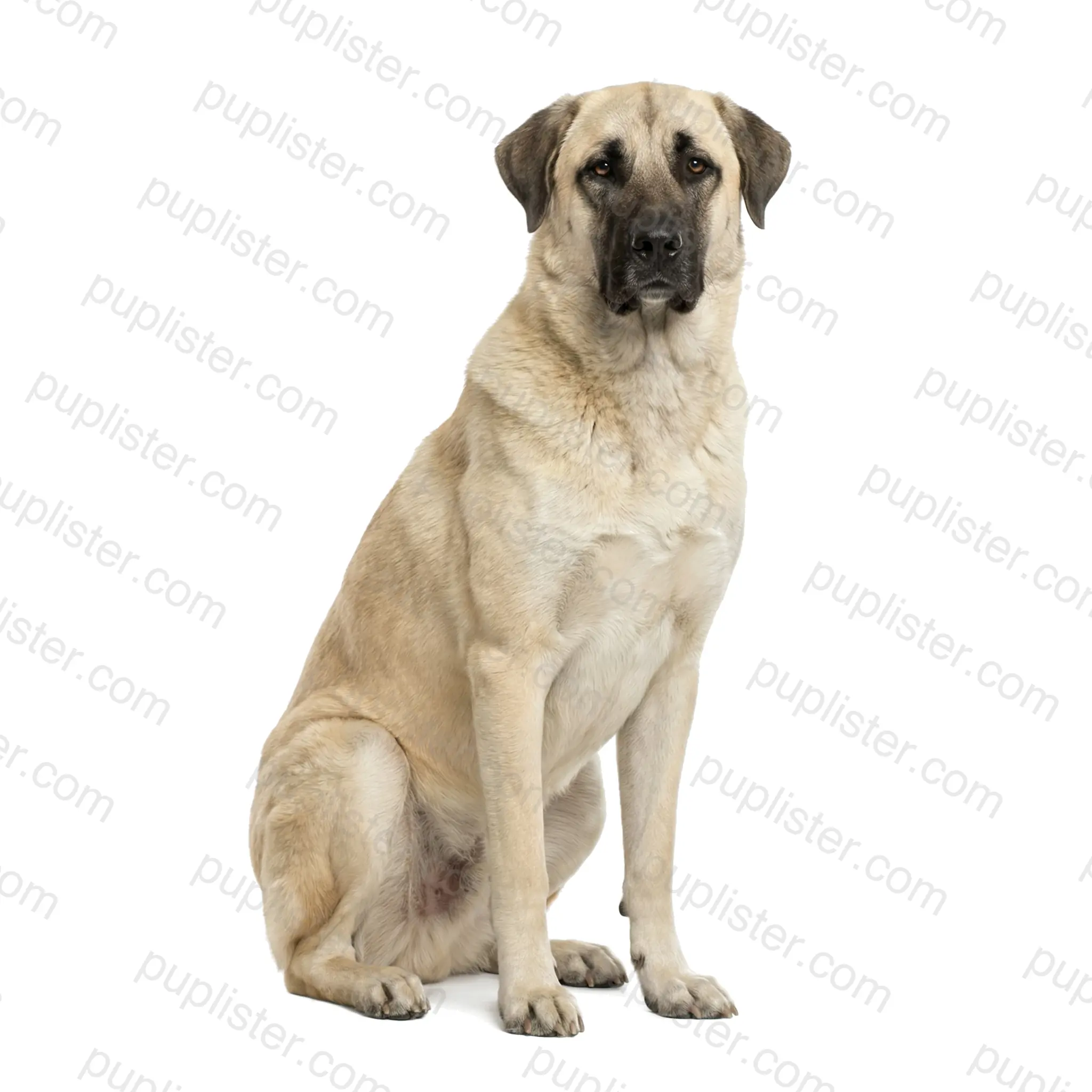
Anatolian Shepherd

3 pets available

3

About the Anatolian Shepherd The Anatolian Shepherd — also known as the Kangal Shepherd Dog — hails from the Anatolian plateau of Turkey, where it has guarded livestock from wolves and bears for thousands of years. This imposing breed stands 27–29 inches tall and weighs 80–150 pounds, with males often exceeding 140 pounds of lean muscle. Their short to medium-length double coat comes in fawn with a distinctive black mask, though brindle, white, and pinto variations also occur.Temperament & PersonalityAnatolian Shepherds are independent, intelligent, and territorial — they were bred to make decisions on their own while guarding flocks, and that self-reliance is deeply ingrained. They are calm and affectionate with their family but reserved and suspicious of strangers, making them exceptional guardian dogs. They can coexist with children and other pets they've been raised with, but their guarding instinct means they need owners who understand livestock guardian breed behavior.ProsSupreme livestock and property guardian — few breeds match their protective instinctsLow-energy indoors despite their size, content to patrol and observeHardy and healthy breed with relatively few genetic health problemsRemarkably low grooming needs for a large-breed dogConsExtremely independent and not naturally inclined to obey commands without questionRequires a large, securely fenced property — not suited for apartment or suburban lifeCan be aggressive toward unfamiliar dogs and people without extensive socializationTheir booming bark — used to ward off predators — can be a problem in residential areasIf you have the space and experience for this magnificent guardian, explore adoptable Anatolian Shepherds on Puplister.

Related Articles

Frequently Asked Questions

What are the key traits of a Yorkshire Terrier?
The Yorkshire Terrier is known for being bold, confident, spirited and affectionate.
How many Yorkshire Terriers are available for adoption?
There are currently 24 Yorkshire Terriers available for adoption on Puplister. Browse the listings above to find your perfect match.
How do I adopt a Yorkshire Terrier from Puplister?
To adopt a Yorkshire Terrier, browse the available listings on this page, click on a pet you're interested in, and contact the shelter directly through their profile page.