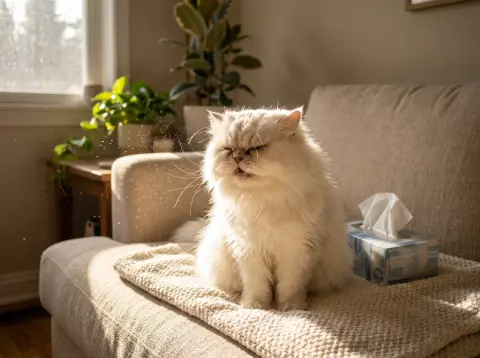
Adopted Cat Meowing All Night: How to Stop It
Adopted cat meowing all night? Discover why it happens, how to create a calm environment, and a realistic timeline to quiet nighttime meows.
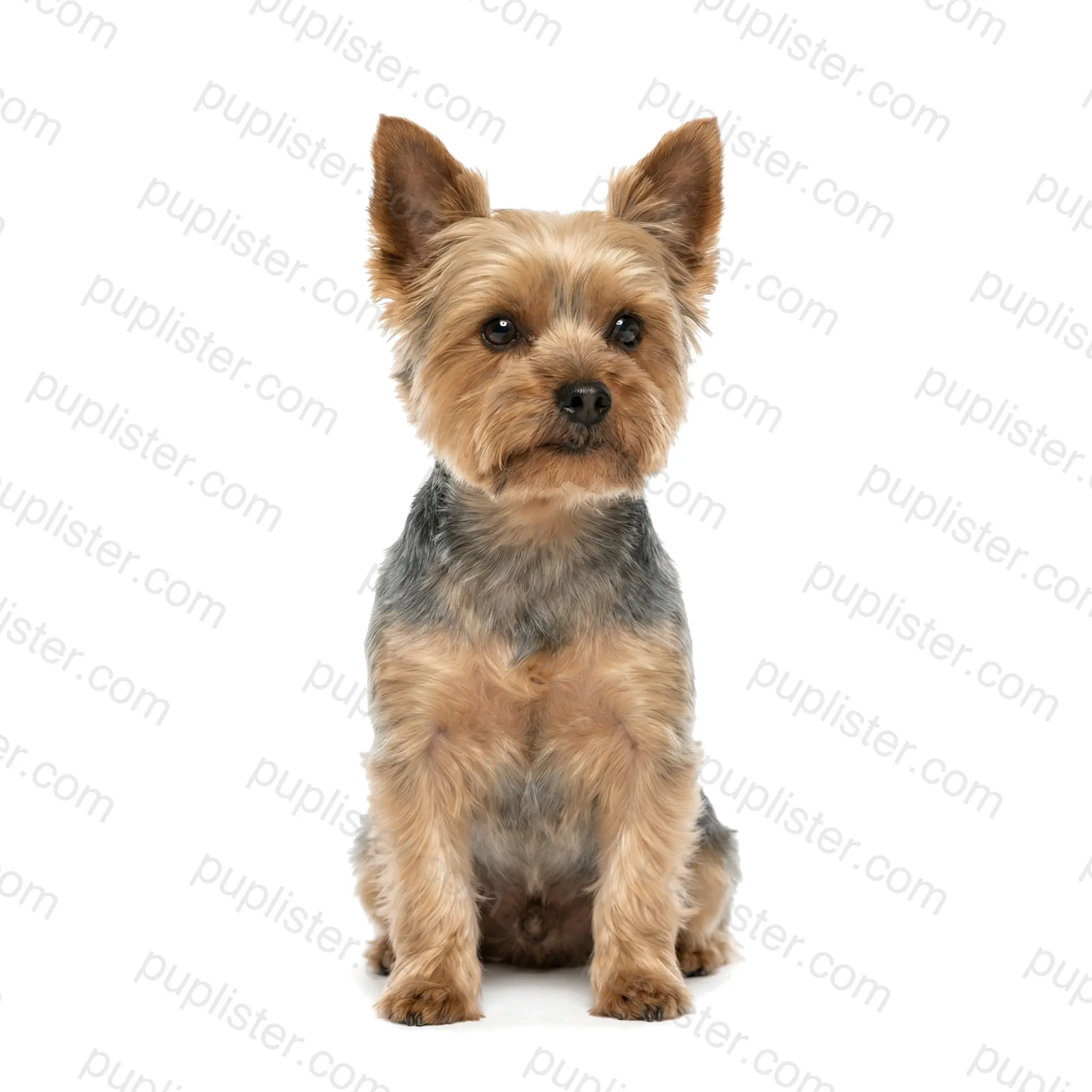
The Yorkshire Terrier was developed in the mid-19th century in the English counties of Yorkshire and Lancashire by working-class weavers who bred small terriers to catch rats in textile mills and coal mines. Despite their current status as a glamorous toy breed, these feisty dogs retain every bit of their terrier courage in a tiny 7-pound, 7-to-8-inch frame. Their signature floor-length, silky coat is steel blue on the body and rich golden tan on the head and legs — a single-layer coat that grows continuously and is remarkably similar to human hair in texture.
Yorkshire Terriers are bold, confident, and fiercely loyal — they carry themselves with a self-importance that far exceeds their diminutive stature, never hesitating to challenge dogs ten times their size. They are deeply attached to their owners and can be wonderful companions for adults and older children, though their small size and feisty temperament make them a poor fit for rough play with toddlers. Yorkies are intelligent, curious, and entertaining, bringing big-dog energy and attitude to the smallest package in the terrier world.
Yorkshire Terriers prove that the best things truly come in small packages — find your Yorkie on Puplister.
Answer 5 quick questions to see how well this breed matches your lifestyle.
16 pets available
1About the Collie The Collie — immortalized by the fictional Lassie — originated in Scotland and northern England as a supremely capable herding dog guarding flocks across rugged highland terrain. Standing 22–26 inches tall and weighing 50–75 pounds, the breed comes in two coat varieties — the iconic Rough Collie with its abundant mane and the sleeker Smooth Collie — in sable and white, tricolor, blue merle, and white colorations. Their wedge-shaped head, almond eyes, and graceful build give them an unmistakable elegance among herding breeds.Temperament & PersonalityCollies are among the most gentle and devoted of all breeds — known for their uncanny ability to sense their family's emotions and respond with quiet comfort. They are exceptionally patient with children and often take on a protective, nurturing role with the youngest family members. While friendly toward strangers, they'll alert you to anything unusual with a distinctive bark — though excessive barking can develop without training.ProsOne of the most naturally gentle and trustworthy breeds with children of all agesHighly intelligent and responsive to training — learn commands with minimal repetitionModerate exercise needs — satisfied with daily walks and yard play rather than intense activityClean dogs with little doggy odor despite their abundant coatsConsRough variety sheds heavily year-round and requires thorough brushing 2–3 times weeklyProne to Collie Eye Anomaly — a hereditary condition affecting up to 70% of the breedCan develop nuisance barking if bored or left alone frequentlySensitive to many common veterinary drugs due to the MDR1 gene mutationBring home a loyal and graceful Collie — explore adoptable Collies waiting for families on Puplister.
50 pets available
About the Belgian Malinois The Belgian Malinois hails from the city of Malines in Belgium, where it was developed in the late 1800s as a versatile herding and working dog. Standing 22–26 inches tall and weighing 40–80 pounds, the Malinois is a lean, athletic dog with a square build and an alert, intelligent expression. Their short, straight double coat comes in rich fawn to mahogany with a distinctive black mask and ear tips, and while they shed year-round, grooming needs are minimal.Temperament & PersonalityBelgian Malinois are driven, intense, and extraordinarily intelligent — they are the breed of choice for military, police, and protection work worldwide. They form incredibly strong bonds with their handler and are always eager to work, making them outstanding training partners for experienced owners. However, their intensity and high drive are not for casual pet owners — without proper outlets, a Malinois can become neurotic, destructive, or reactive.ProsUnmatched work ethic and trainability — excels in virtually every canine sport and jobFiercely loyal and protective without being unnecessarily aggressiveAthletic and agile with exceptional speed and enduranceLower incidence of hip dysplasia compared to similar-sized breeds like the German ShepherdConsExtremely high energy and drive — requires several hours of physical and mental exercise dailyNot suitable for first-time dog owners or sedentary householdsCan become reactive or fearful without extensive, early socializationProne to progressive retinal atrophy, elbow dysplasia, and sensitivity to anesthesiaThe Belgian Malinois is a remarkable breed for the right owner — find adoptable Malinois on Puplister who are looking for their forever mission.
1 pet available
About the Alaskan Malamute The Alaskan Malamute is one of the oldest Arctic sled dog breeds, developed by the Mahlemut Inuit people of northwestern Alaska for hauling heavy loads across vast frozen landscapes. These powerful dogs stand 23–25 inches tall and weigh 75–100 pounds, with a sturdy, well-muscled frame built for endurance rather than speed. Their dense double coat — featuring colors like gray-and-white, sable-and-white, and all-white — is designed to withstand temperatures well below zero.Temperament & PersonalityMalamutes are friendly, affectionate, and pack-oriented — they thrive on human companionship and genuinely love being part of the family. Unlike their Husky cousins, Malamutes tend to be more calm and dignified, though they retain a playful streak well into adulthood. They are generally good with children but possess a strong prey drive toward smaller animals, and their pack mentality can lead to dominance challenges with other dogs.ProsAffectionate and people-oriented — they adore spending time with their familyExcellent hiking and outdoor adventure companion with remarkable enduranceFriendly disposition toward humans, including strangersStrong work ethic makes them excel in weight-pulling and carting activitiesConsExtreme shedding — the dense undercoat blows out twice yearly, producing massive amounts of furNot suited for warm climates and can overheat easilyNotorious escape artists — they can dig under or climb over fencesProne to hip dysplasia, cataracts, and hypothyroidismLooking for a loyal adventure partner? Check out adoptable Alaskan Malamutes on Puplister and start your journey together.
12 pets available
About the Boston Terrier The Boston Terrier — affectionately known as the "American Gentleman" — was developed in Boston, Massachusetts, in the late 1800s from crosses between English Bulldogs and white English Terriers. Standing 15–17 inches tall and weighing 12–25 pounds, they come in three weight classes and sport a compact, well-proportioned build with a distinctive tuxedo-like coat pattern. Their short, smooth coat appears in black-and-white, brindle-and-white, or seal-and-white — always with the characteristic white blaze, muzzle band, and chest marking.Temperament & PersonalityBoston Terriers are lively, intelligent, and brimming with personality — they have a wonderful sense of humor and seem to know exactly how to make their owners laugh. They are exceptionally friendly with people of all ages, including children and seniors, and typically get along well with other dogs and cats. Their moderate energy level and adaptable nature make them equally happy on a brisk walk or curled up on the couch.ProsPerfect apartment dog — compact size, moderate exercise needs, and minimal barkingFriendly and sociable with virtually everyone, including strangers and other petsLow-maintenance coat requiring only occasional brushingHighly adaptable temperament that suits first-time owners and experienced dog people alikeConsBrachycephalic (flat-faced) structure causes breathing difficulties, snoring, and heat intoleranceProne to eye injuries and conditions like cataracts, cherry eye, and corneal ulcersCan be stubborn about housetraining despite their intelligenceSusceptible to patellar luxation and spinal issues due to their compact buildBoston Terriers are the perfect blend of charm and companionship — find adoptable Boston Terriers on Puplister now.
Adopted cat meowing all night? Discover why it happens, how to create a calm environment, and a realistic timeline to quiet nighttime meows.
Is your adopted cat not eating? Learn the causes, from stress to past trauma, and discover practical solutions to get your new feline friend eating again.
Is your new cat hiding and won't come out? It's normal, but proactive steps can help. Learn how to build trust with your shy adopted cat.
Discover how long it takes for a rescue cat to feel at home with our experienced guide, covering the 3-3-3 rule and actionable tips.